

Pheidole nitidicollis
- Scientific Name
- Pheidole nitidicollis
- Tribe
- Attini
- Subfamily
- Myrmicinae
- Author
- Emery, 1896
- Distribution
- Found in 6 countries
Pheidole nitidicollis Overview
Pheidole nitidicollis is an ant species of the genus Pheidole. It is primarily documented in 6 countries , including Costa Rica, Ecuador, Guatemala. Detailed taxonomic data and occurrence records can be further explored via authoritative databases such as AntWeb or the Global Biodiversity Information Facility (GBIF).
Pheidole nitidicollis
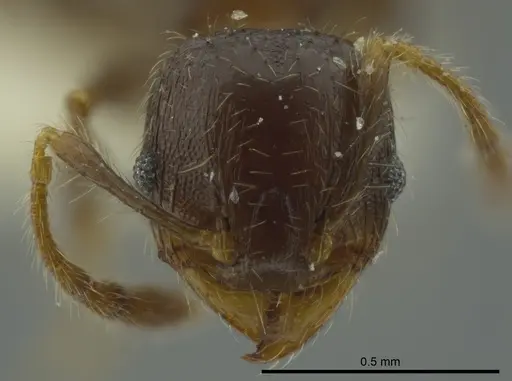
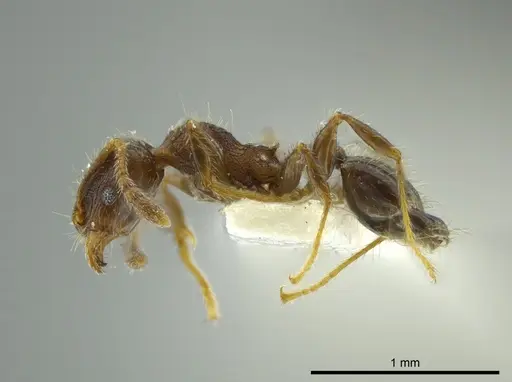
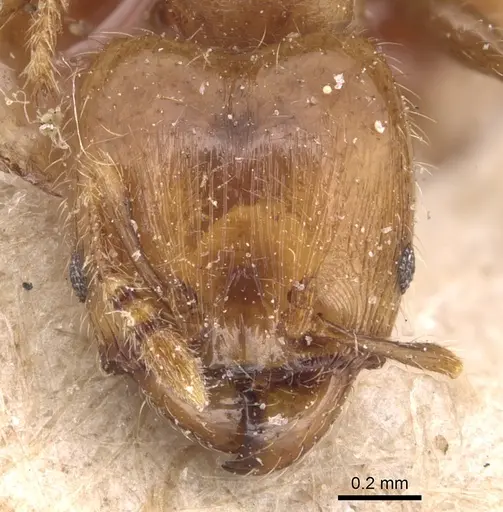
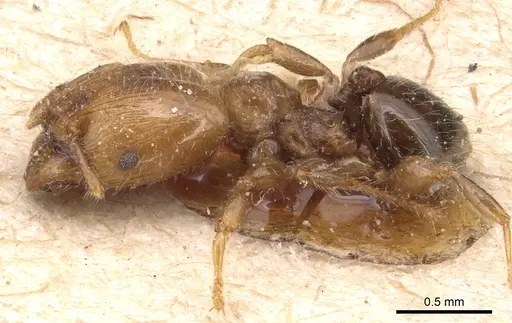
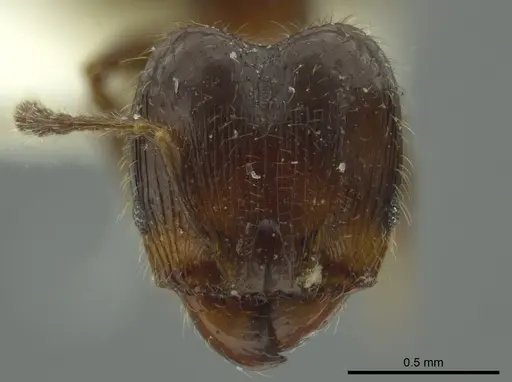
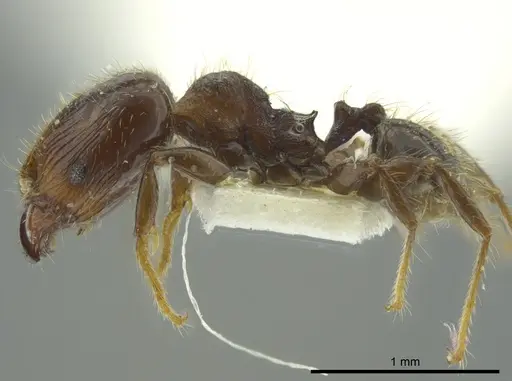
Pheidole nitidicollis is a small, yellow ant belonging to the Myrmicinae subfamily. The species is dimorphic, meaning colonies produce two worker sizes: major workers (soldiers) with larger heads for defense and food processing, and minor workers that handle most foraging and brood care. Majors measure approximately 0.80-0.98mm in head width, while minors are smaller at 0.42-0.52mm [1][2]. This species is native to the Neotropical region, ranging from Mexico down through Central America to Costa Rica, where it inhabits mature wet forests [1][3].
What makes P. nitidicollis interesting is its arboreal lifestyle, unlike many ground-nesting ants, this species nests in dead branches and under epiphytes (plants that grow on other plants), often found 1.5 meters or more above ground [3][1]. Colonies can become quite large with workers scattered across wide areas, making them a dynamic species to observe. The species was previously known as Pheidole nitidicollis before being synonymized [1][2].
Quick Summary
- Difficulty: Medium
- Origin & Habitat: Native to the Neotropical region from Mexico to Costa Rica, including Belize, Guatemala, Honduras, Nicaragua, and Jamaica. Found in mature wet forest habitats, typically nesting in dead branches and under epiphytes in trees 1.5m or more above ground [3][1][4].
- Colony Type: Single-queen colonies (monogyne). Colonies produce dimorphic workers, major and minor castes. Colonies can grow large with workers scattered over wide areas [3][1].
- Colony: Monogyne
- Founding: Claustral
- Size & Growth:
- Queen: Estimated 7-9mm based on genus patterns, direct measurements not available
- Worker: Minor: 0.42-0.52mm head width, Major: 0.80-0.98mm head width [1][2]
- Colony: Large colonies, workers scattered over wide areas suggest hundreds to potentially over 1000 workers [3]
- Growth: Moderate, typical for Pheidole genus
- Development: 6-8 weeks estimated based on typical Pheidole development at warm temperatures (Development time inferred from genus patterns, direct measurements not available for this species)
- Antkeeping:
- Temperature: Keep at 22-28°C. As a tropical wet forest species, they prefer warm, stable conditions. A heating cable on one side of the nest creates a suitable gradient [3].
- Humidity: High humidity (70-80%). These forest ants need moist conditions, keep the nest substrate damp but not waterlogged. Mist occasionally and provide a water tube for drinking water [3].
- Diapause: No, as a tropical species from wet forests, they do not require hibernation. Keep temperatures consistent year-round [3].
- Nesting: Arboreal setup works best, they naturally nest in dead branches and under epiphytes. A Y-tong (AAC) nest with moist substrate, or a naturalistic setup with cork bark pieces and live moss works well. Provide vertical climbing structures [3].
- Behavior: Generally peaceful but majors will defend the colony aggressively if threatened. Workers are active foragers that search for small insects and tend honeydew-producing insects. Minor workers do most of the foraging while majors guard the nest and process larger food items. They are escape artists due to their small size, use fine mesh barriers [3].
- Common Issues: escape prevention is critical, tiny minors can squeeze through standard mesh, high humidity can cause mold if ventilation is poor, colonies may abandon nests that become too dry, major workers are relatively rare initially, don't be alarmed if you see few at first, arboreal nature means they need vertical space and climbing structures
Housing and Nest Setup
Pheidole nitidicollis is an arboreal species, meaning they naturally live in elevated locations like dead branches and epiphytes in trees. In captivity, you can house them in a Y-tong (AAC) formicarium with moist substrate, or set up a naturalistic terrarium with cork bark pieces, live moss, and small branches. The key is providing vertical climbing structures and keeping the nest material consistently moist but not soggy. A water tube should always be available since these forest ants need access to drinking water. Because they are small, use fine mesh (0.5mm or smaller) on any escape barriers, these ants can slip through surprisingly small gaps [3].
Feeding and Diet
Like most Pheidole species, P. nitidicollis is omnivorous. Minor workers do most of the foraging, collecting small insects, honeydew, and nectar. In captivity, feed them small protein sources like fruit flies, pinhead crickets, and mealworm pieces. Sugar water, honey, or diluted jam can be offered as an energy source. Feed small amounts 2-3 times per week, removing any uneaten food after 24 hours to prevent mold. The major workers will emerge to help process larger food items once the colony grows [3] [5].
Temperature and Humidity
As a species from mature wet forests in Central America, P. nitidicollis needs warm and humid conditions. Keep temperatures in the range of 22-28°C, with a slight gradient allowing workers to choose their preferred spot. A heating cable placed on one side of the nest can create this gradient. Humidity should be maintained at 70-80%, the substrate should feel damp to the touch. Mist the outworld occasionally and ensure the nest has a water tube. Avoid both drying out (which causes colony abandonment) and excessive moisture (which promotes mold). Good ventilation helps balance these needs [3].
Colony Development
Pheidole colonies grow through a well-defined caste system. After the claustral queen seals herself in, she lays eggs and raises the first brood alone using stored energy. The first workers (nanitics) are typically smaller than normal minors. As the colony grows, majors begin appearing, these larger workers have specialized roles in defense and food processing. Colonies can become quite large with workers scattered throughout the nesting area, which is typical behavior for this species. Expect moderate growth over several months to a year before seeing major workers regularly [3][1].
Behavior and Temperament
This species is generally calm and not aggressive toward keepers. Minor workers are active foragers that will readily explore their outworld, while major workers primarily guard the nest and help process larger food items. When threatened, majors will defend aggressively. They are not known to sting, and their small size means any potential sting would be negligible. The most important behavioral note is their arboreal nature, they prefer to climb and explore vertical spaces. They are also prolific escape artists, so excellent escape prevention is essential [3].
Seasonal Care
As a tropical species from wet forests, P. nitidicollis does not require hibernation or diapause. Keep their conditions consistent year-round with stable temperatures in the 22-28°C range. They may show slightly reduced activity during cooler periods, but should remain active throughout the year. Avoid placing the nest near windows or areas with temperature fluctuations. If your room temperature drops below 20°C regularly, consider using a small heating setup to maintain warmth [3].
Frequently Asked Questions
How long does it take for Pheidole nitidicollis to produce first workers?
Expect first workers (nanitics) to emerge in approximately 6-8 weeks after the queen lays eggs, assuming temperatures around 24-26°C. This is typical for Pheidole species. The exact timing depends on temperature and feeding.
Can I keep Pheidole nitidicollis in a test tube setup?
Yes, test tubes work for founding colonies. Use a small test tube with a water reservoir (cotton ball) and keep it humid. However, as the colony grows, they will need more space and a proper formicarium. Move them when the colony reaches 30-50 workers.
What do Pheidole nitidicollis eat?
They are omnivorous. Feed small insects (fruit flies, pinhead crickets, mealworms), sugar water, honey, or diluted jam. Offer protein 2-3 times per week and keep sugar water available constantly.
Are Pheidole nitidicollis good for beginners?
They are rated as Medium difficulty. They require high humidity and warm temperatures, which can be challenging to maintain consistently. Their small size and escape risk also require attention. Some antkeeping experience is helpful.
When should I move my colony to a formicarium?
Move them when the test tube becomes crowded (typically 30-50 workers) or when the water reservoir runs out frequently. A Y-tong or naturalistic setup with vertical climbing structures works well for this arboreal species.
How big do Pheidole nitidicollis colonies get?
Colonies can become large, potentially reaching several hundred to over 1000 workers. They naturally spread workers over wide areas, so provide adequate space as they grow.
Do I need to hibernate Pheidole nitidicollis?
No, hibernation is not required. As a tropical species from wet forests in Central America, they need consistent warm temperatures year-round. Do not expose them to temperatures below 18°C for extended periods.
Why are my Pheidole nitidicollis escaping?
Their small size makes them excellent escape artists. Use fine mesh (0.5mm or smaller) on all barriers, ensure lids fit tightly, and apply Fluon or similar barrier gel to the edges of the outworld.
Can I keep multiple queens together?
No, P. nitidicollis is monogyne, single-queen colonies. Multiple queens will fight. Only keep one queen per colony.
References

This caresheet is licensed under CC BY-SA 4.0 .
CASENT0624252
View on AntWeb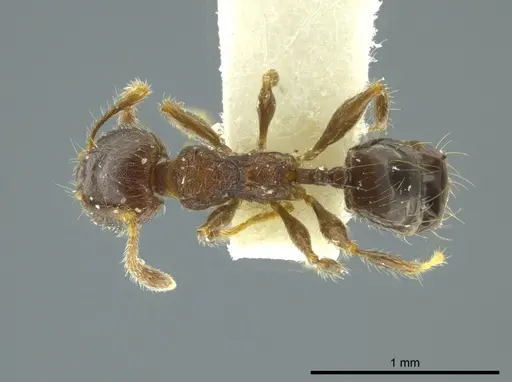
CASENT0635500
View on AntWeb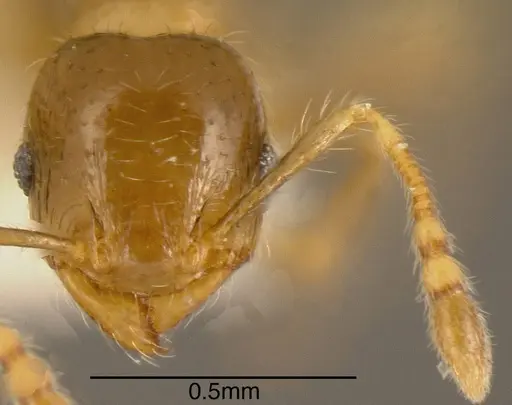
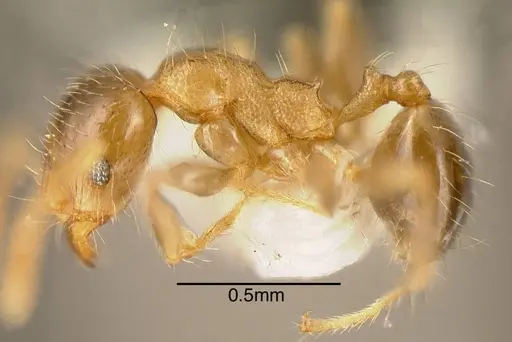
CASENT0637848
View on AntWeb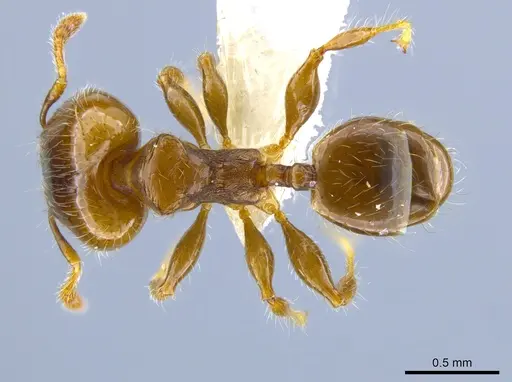
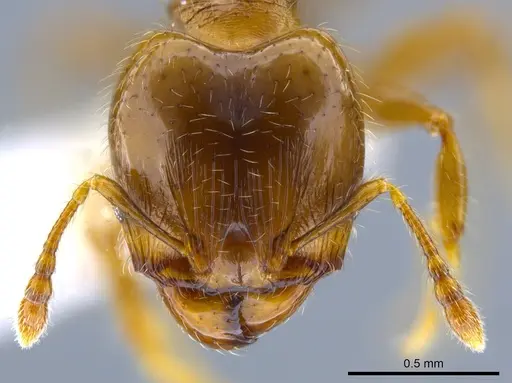
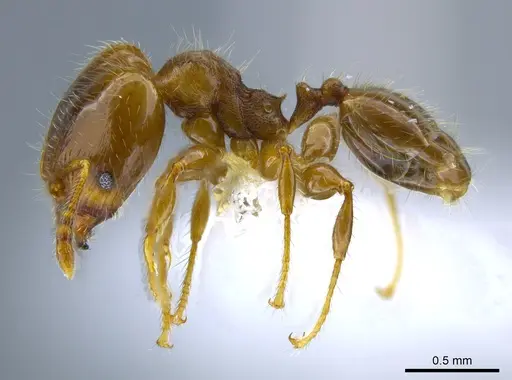
CASENT0904428
View on AntWeb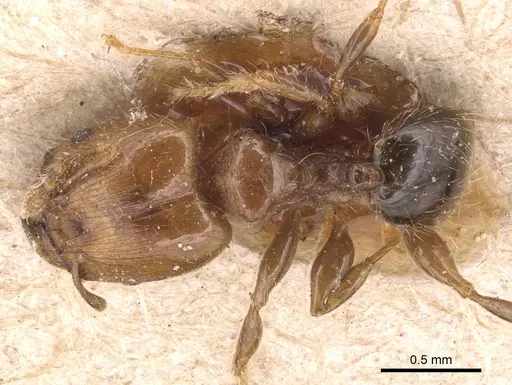
CASENT0904429
View on AntWeb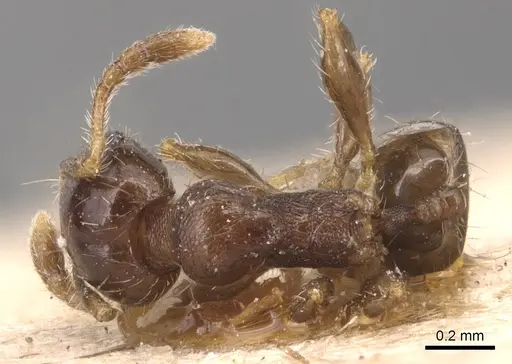
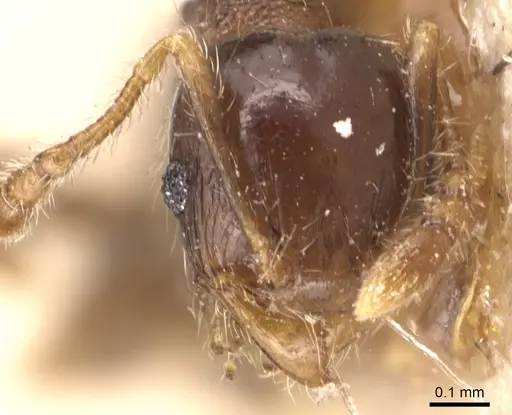
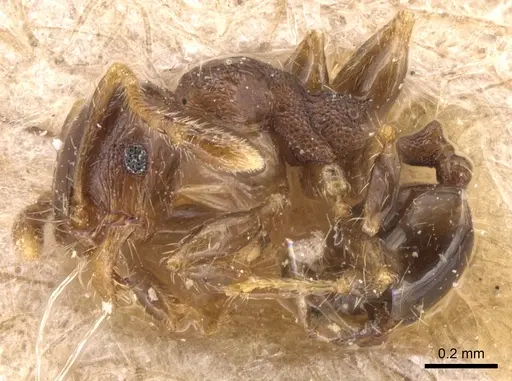
INBIOCRI001218677
View on AntWeb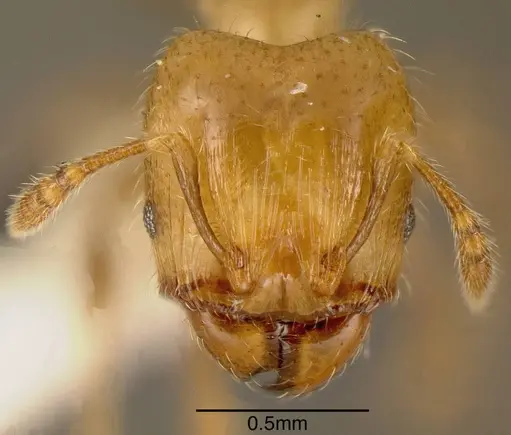
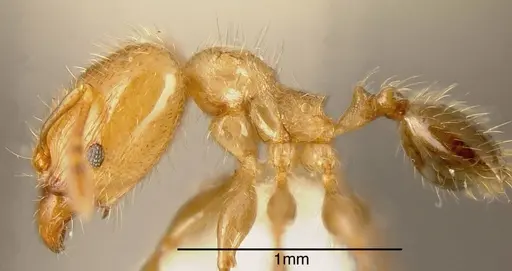
JTLC000016346
View on AntWeb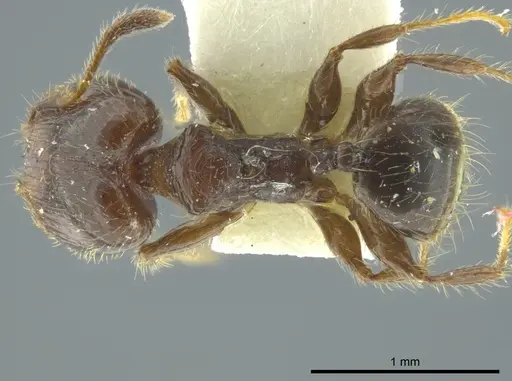
Literature
Loading...Loading products...