

Pheidole nindi
- Scientific Name
- Pheidole nindi
- Tribe
- Attini
- Subfamily
- Myrmicinae
- Author
- Mann, 1919
- Distribution
- Found in 2 countries
Pheidole nindi Overview
Pheidole nindi is an ant species of the genus Pheidole. It is primarily documented in 2 countries , including Palau, Solomon Islands. Detailed taxonomic data and occurrence records can be further explored via authoritative databases such as AntWeb or the Global Biodiversity Information Facility (GBIF).
Pheidole nindi
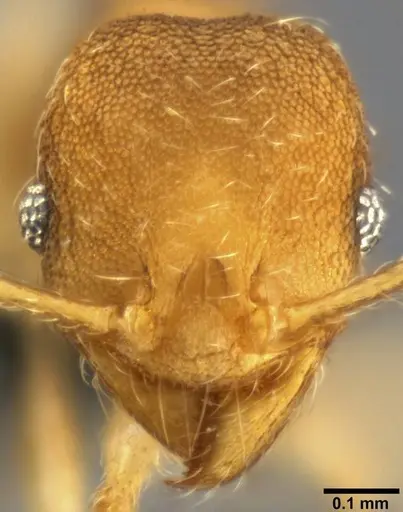
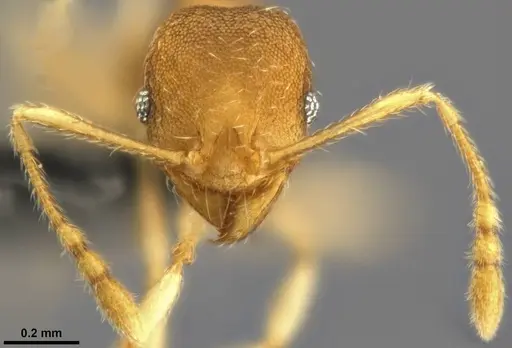
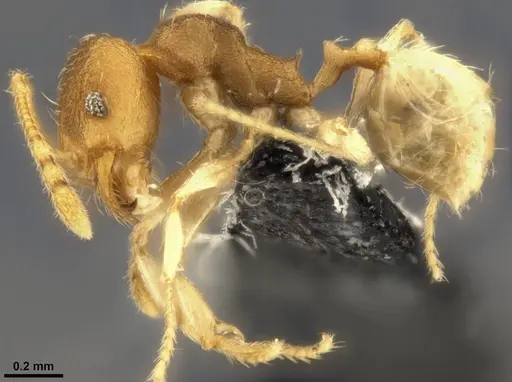
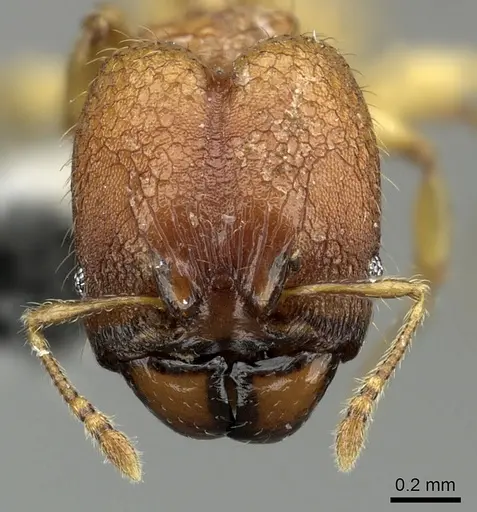
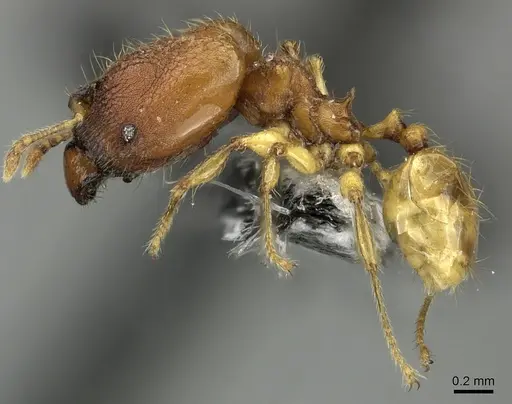
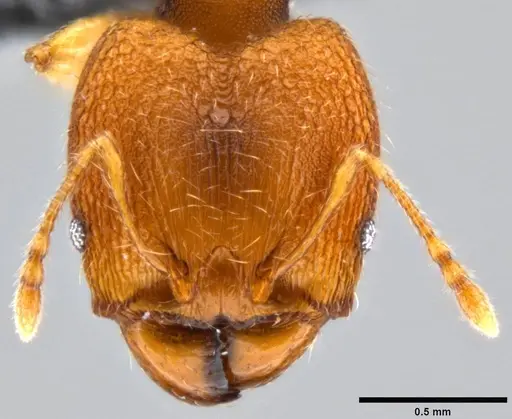
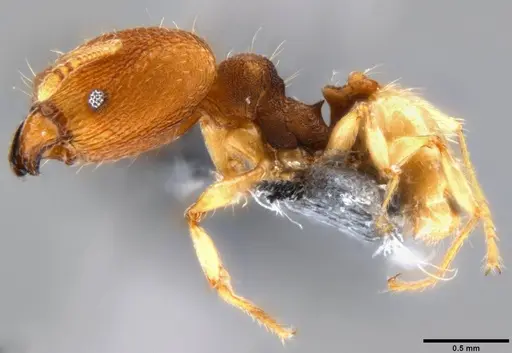
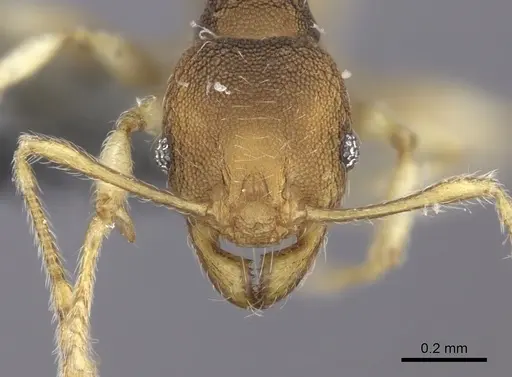
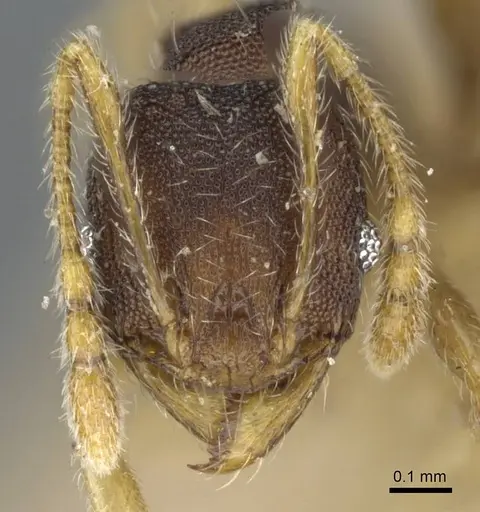
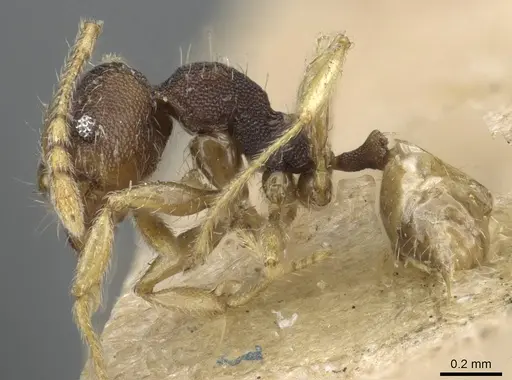
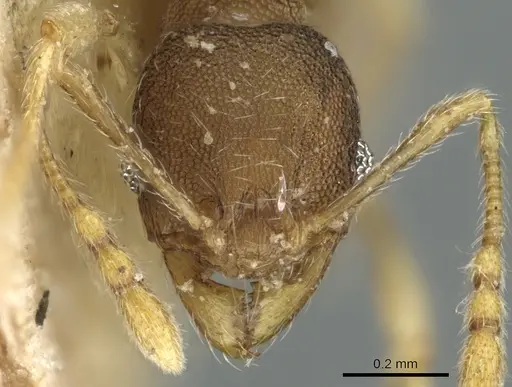
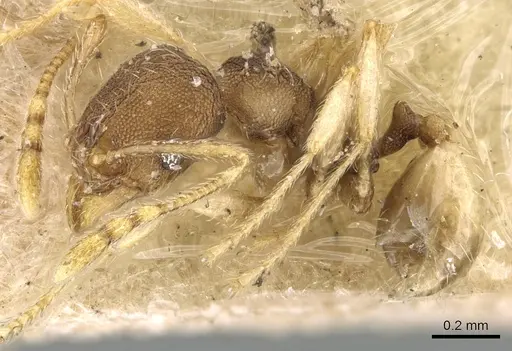
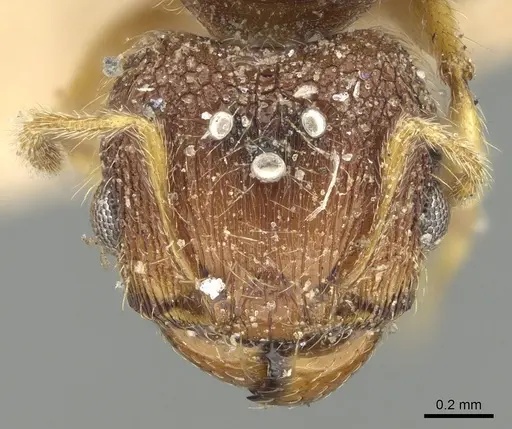
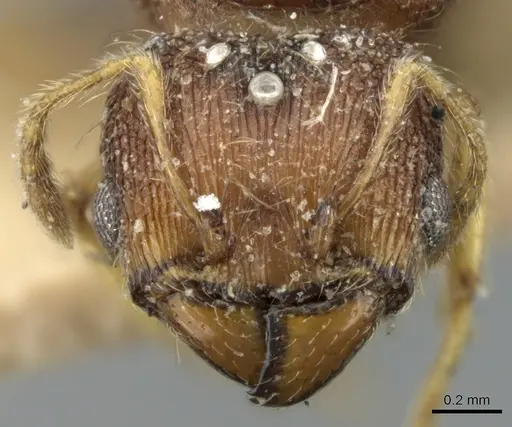
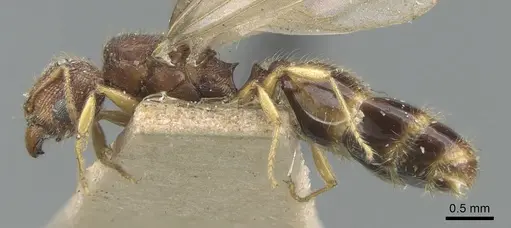
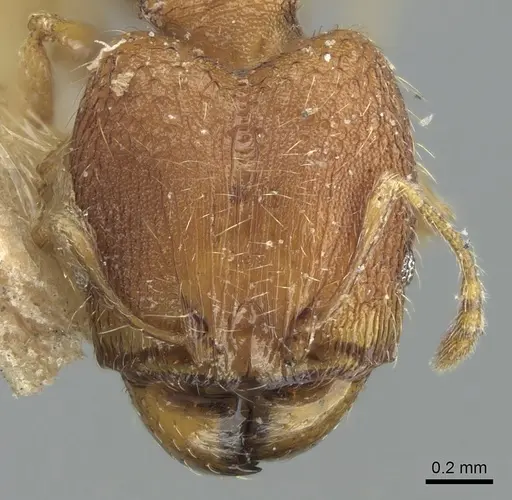
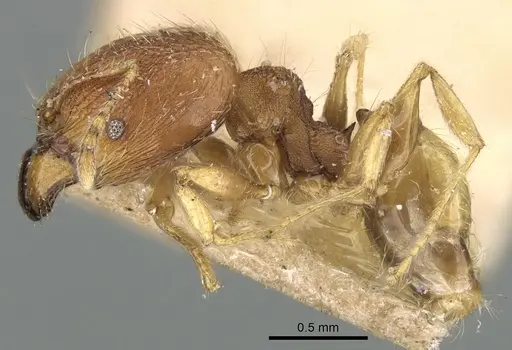
Pheidole nindi is a tropical big-headed ant species from the Pacific Islands. Majors (soldiers) have distinctive enlarged heads with short frontal carinae and punctate sculpturing near the eyes, blending into linear sculpturing between the antennae. The entire body is reddish brown to orange in color. This is a small to medium-sized ant where majors are noticeably larger than minor workers. The species was originally described by William Mann in 1919 from the Solomon Islands [1]. In the wild, they inhabit tropical island environments across Micronesia and the Solomon Islands chain, including Guam, the Northern Mariana Islands, Pohnpei, and the Marshall Islands [2][3].
Quick Summary
- Difficulty: Easy
- Origin & Habitat: Tropical Pacific islands, Solomon Islands (Makira, Guadalcanal, San Cristobal, Ugi), Micronesia (Pohnpei), Mariana Islands (Guam, Pagan), and Marshall Islands. They live in tropical island habitats, typically in forested areas at low elevations [1][2][3].
- Colony Type: Likely monogyne (single queen) based on typical Pheidole colony structure, though not directly studied for this species. Pheidole colonies typically have one founding queen that establishes the colony alone.
- Colony: Monogyne
- Founding: Claustral
- Size & Growth:
- Queen: Estimated 7-9mm based on genus patterns, not directly measured for this species
- Worker: Majors: 4-6mm, Minors: 2-3mm based on typical Pheidole morphology [2]
- Colony: Likely several hundred to a few thousand workers based on genus patterns, not directly documented
- Growth: Fast, Pheidole are known for rapid colony development once founding is complete
- Development: Estimated 4-6 weeks at tropical temperatures (25-28°C) based on typical Pheidole development (Development speed is typical for tropical ants, faster than temperate species. First workers (nanitics) typically emerge smaller than normal workers.)
- Antkeeping:
- Temperature: Keep at 24-28°C (tropical room temperature or slightly heated). These are warm-climate island ants that thrive in stable heat. A heating cable on one side of the nest creates a gradient for the colony to self-regulate.
- Humidity: Moderate to high humidity (60-80%). Tropical island environment means they prefer damp but not waterlogged conditions. Keep the nest substrate moist but allow some drying between waterings.
- Diapause: No, as a tropical species from Pacific islands near the equator, they do not require hibernation or winter rest. Keep them warm year-round.
- Nesting: In the wild they likely nest in soil, under stones, or in rotting wood typical of tropical Pheidole. In captivity, a Y-tong (AAC) nest, test tube setup, or plaster nest works well. They prefer dark, humid nest chambers. A small outworld allows for foraging.
- Behavior: Pheidole nindi has the typical Pheidole temperament, generally peaceful and not aggressive toward keepers. Majors (soldiers) use their enlarged heads to crack seeds and process larger prey items. They are active foragers that will collect seeds and small insects. Minor workers handle most day-to-day tasks while majors defend the colony and process food. Escape risk is moderate, they are not particularly small, but standard escape prevention (Fluon on edges, tight-fitting lids) should still be used. They are not known to sting and pose no danger to keepers.
- Common Issues: colonies can stall if temperatures drop below 24°C, keep them warm, overfeeding can lead to mold in the nest, remove uneaten food promptly, test tube setups can flood if water reservoirs are too full, use appropriate water volume, wild-caught colonies may have parasites, quarantine and observe new colonies, slow founding phase can worry beginners, queens can take weeks alone before first workers
Nest Preferences
Pheidole nindi is a tropical species that nests in soil, under stones, and in rotting wood in its native island habitats. In captivity, they adapt well to various nest types. A Y-tong (acrylic) nest works excellently as it holds humidity well and provides the dark environment these ants prefer. Test tube setups are also suitable for founding colonies, the queen seals herself into a dark chamber with a water reservoir. Plaster nests can work but monitor moisture levels carefully to prevent waterlogging. The nest should have chambers sized appropriately for the colony, Pheidole majors need enough headroom for their enlarged heads. Provide a small outworld (foraging area) connected to the nest where you can offer food.
Feeding and Diet
Like most Pheidole species, these ants are omnivorous with a preference for seeds and protein. In captivity, offer a varied diet including: seeds (millet, chia, flax, cracked sunflower seeds) which majors will process with their powerful jaws, protein sources like small insects (fruit flies, pinhead crickets, mealworms), and occasional sugar water or honey for energy. Feed seeds constantly as they store them, protein 2-3 times per week, and sugar water as a supplement. Remove uneaten protein after 24 hours to prevent mold. The colony will store seeds in the nest, this is normal behavior. Majors specialize in processing larger food items and cracking seeds for the minors.
Temperature and Care
As a tropical species from Pacific islands near the equator, Pheidole nindi requires warm temperatures year-round. Keep the nest area at 24-28°C consistently. Temperatures below 24°C can slow colony development and may cause workers to become sluggish. A heating cable placed on top of the nest (never under it, to avoid drying) can maintain warmth. Room temperature in most homes is acceptable if kept in a warm room, otherwise use gentle heating. They do not require any cooling or hibernation period, keeping them warm year-round is essential. Avoid temperature fluctuations and drafts.
Behavior and Temperament
Pheidole nindi has the typical Pheidole colony structure with distinct major (soldier) and minor worker castes. Majors have enlarged heads used for defense and processing food, while minors handle most foraging and brood care. The colony will be active and visible in the outworld, especially at night when they forage. They are not aggressive toward keepers and rarely bite. Their sting is minimal to nonexistent for human skin. The majors are primarily defensive, they will emerge when the nest is disturbed but the colony is generally calm. They are moderate foragers that will discover and recruit to food sources quickly.
Colony Founding
The queen likely seals herself into a claustral chamber during founding, as is typical for Pheidole. She relies on stored fat reserves to survive until her first workers emerge. The founding phase can take 4-8 weeks at tropical temperatures. During this time, the queen will remain sealed in her chamber and should not be disturbed. After the first nanitic workers emerge, they will begin foraging and the colony enters the growth phase. The founding queen is relatively robust for a Pheidole species.
Frequently Asked Questions
How long does it take for Pheidole nindi to get first workers?
Expect first workers (nanitics) in 4-6 weeks at optimal tropical temperatures (25-28°C). The exact timing depends on temperature, warmer speeds development, cooler slows it. Be patient during founding, the queen needs time alone to raise her first brood.
What do Pheidole nindi ants eat?
They are omnivorous with a seed-eating tendency. Offer seeds (millet, chia, cracked sunflower), protein (small insects like fruit flies or mealworms), and occasional sugar water or honey. Majors will crack seeds for the colony.
Are Pheidole nindi good for beginners?
Yes, they are beginner-friendly. They are hardy, don't require hibernation, and adapt well to captivity. Their main needs are warmth (24-28°C) and moderate humidity. The claustral founding is straightforward.
Can I keep multiple Pheidole nindi queens together?
Not recommended. Like most Pheidole, they are likely monogyne (single queen). Combining unrelated foundress queens has not been documented for this species and would likely result in fighting.
What temperature do Pheidole nindi need?
Keep them at 24-28°C consistently. This is a tropical species that needs year-round warmth. A heating cable on the nest or placement in a warm room works well.
How big do Pheidole nindi colonies get?
Based on typical Pheidole patterns, colonies likely reach several hundred to a few thousand workers. They are not among the largest Pheidole species but can still become substantial colonies.
Do they need hibernation?
No, as a tropical Pacific island species, they do not require hibernation. Keep them warm year-round. Temperatures below 24°C can slow or stall colony development.
When should I move them to a formicarium?
Keep founding colonies in test tubes until they have 20-30 workers. Moving too early can stress the colony. Once the test tube becomes crowded or the water reservoir is depleted, transfer to a proper nest.
Why are my Pheidole nindi dying?
Common causes: temperatures below 24°C, too dry or too wet conditions, mold from overfeeding, or stress from disturbance during founding. Check temperature first, then review feeding and humidity levels.
References

This caresheet is licensed under CC BY-SA 4.0 .
CASENT0199271
View on AntWeb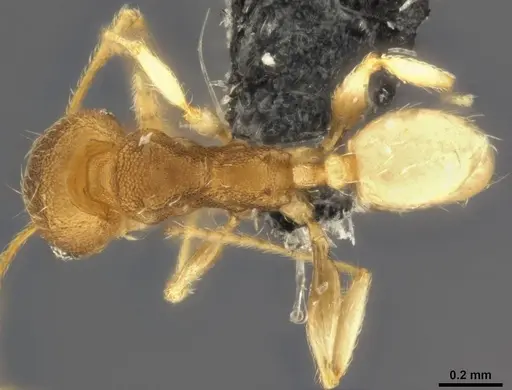
CASENT0199680
View on AntWeb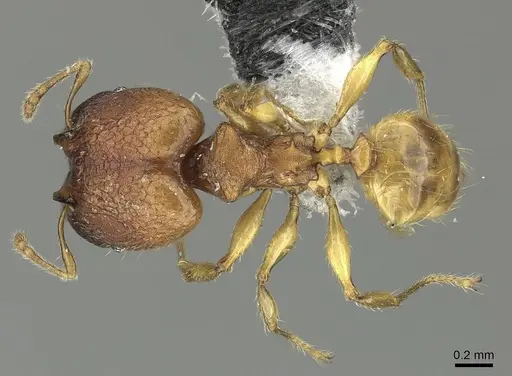
CASENT0199740
View on AntWeb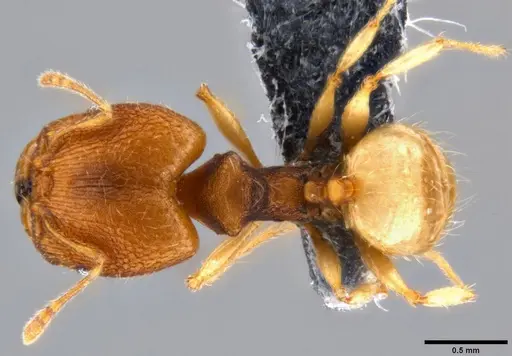
CASENT0219995
View on AntWeb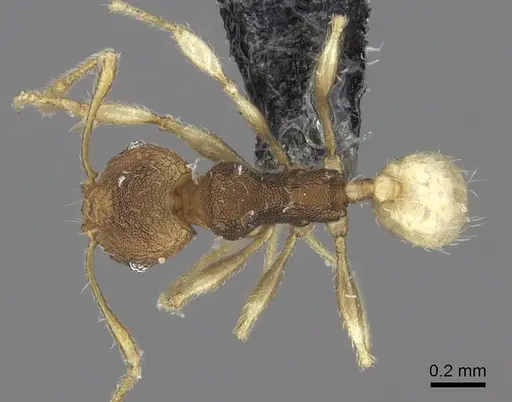
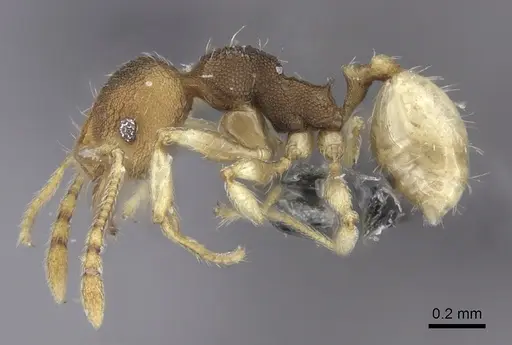
CASENT0905839
View on AntWeb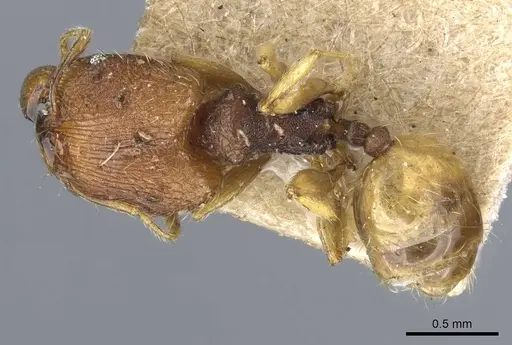
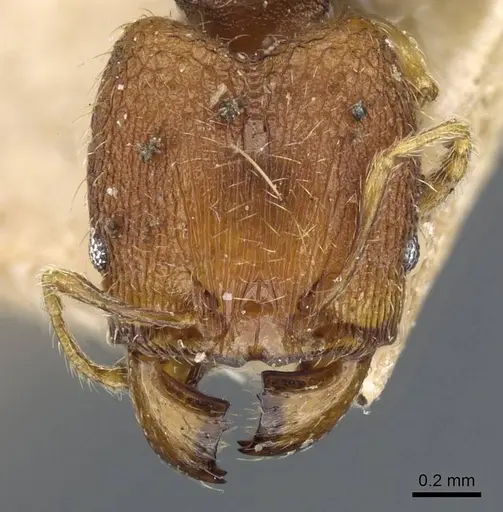
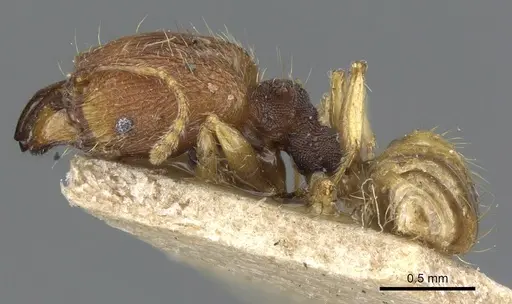
CASENT0905840
View on AntWeb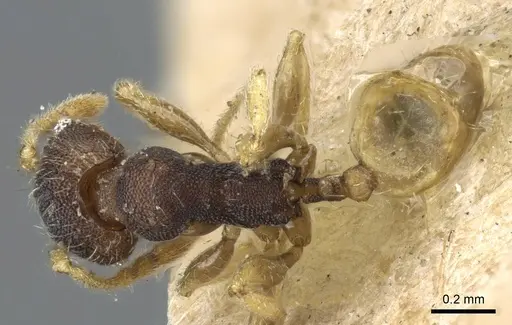
CASENT0906656
View on AntWeb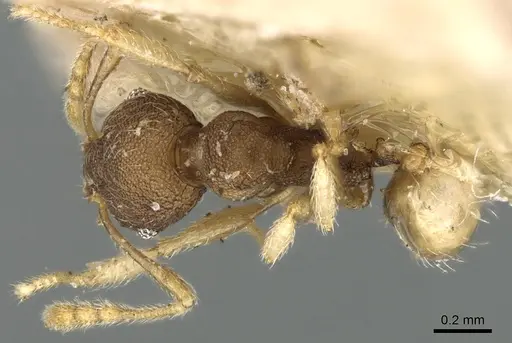
CASENT0906657
View on AntWeb
LACMENT316253
View on AntWeb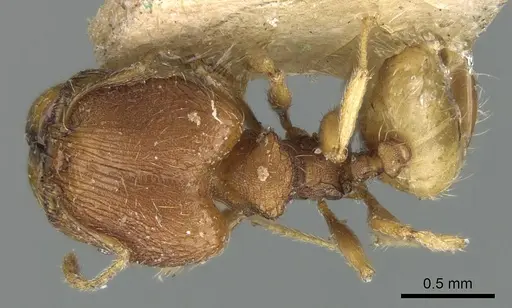
Literature
Loading...Loading products...