

Pheidole nigricula
- Scientific Name
- Pheidole nigricula
- Tribe
- Attini
- Subfamily
- Myrmicinae
- Author
- Wilson, 2003
- Distribution
- Found in 3 countries
Pheidole nigricula Overview
Pheidole nigricula is an ant species of the genus Pheidole. It is primarily documented in 3 countries , including Costa Rica, Honduras, Nicaragua. Detailed taxonomic data and occurrence records can be further explored via authoritative databases such as AntWeb or the Global Biodiversity Information Facility (GBIF).
Pheidole nigricula
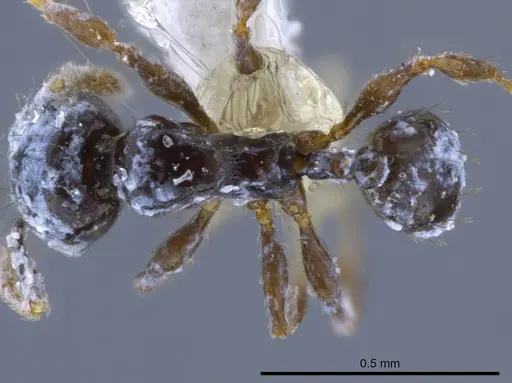
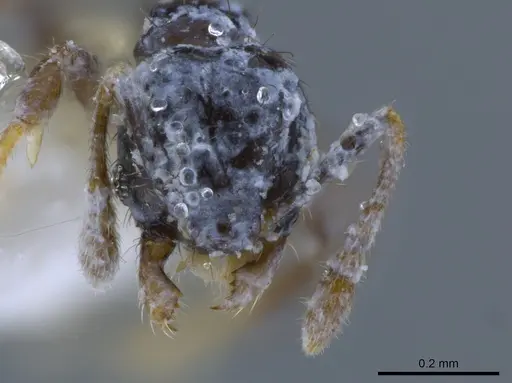
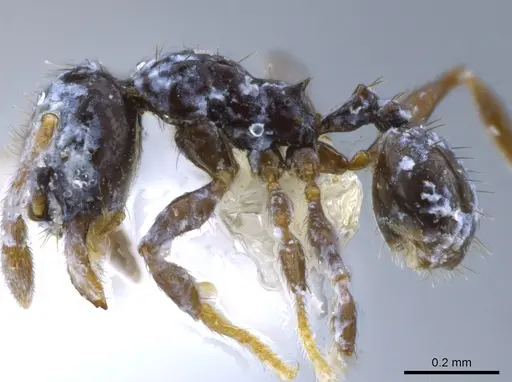
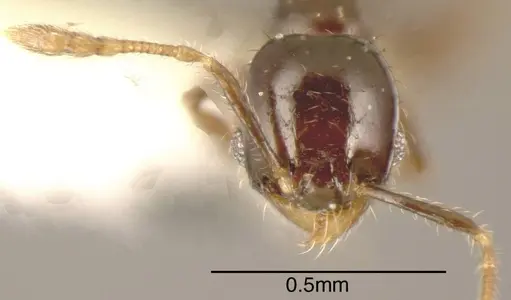
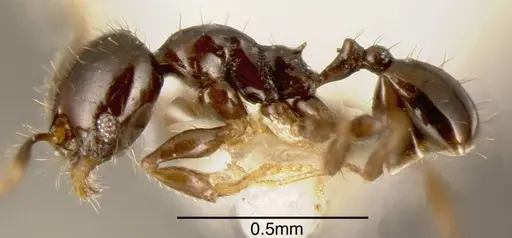
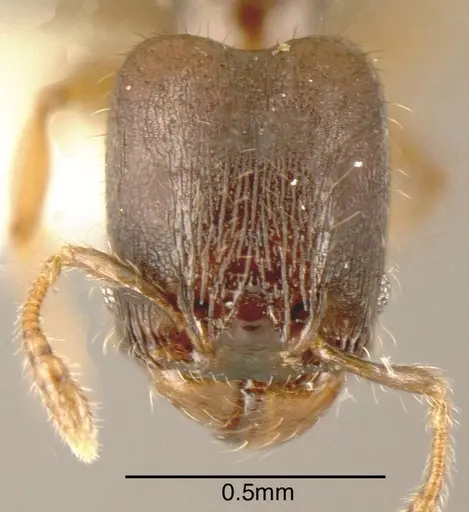
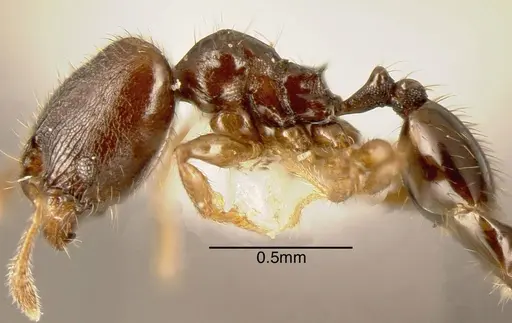
Pheidole nigricula is a tiny, dark ant species native to the Neotropics, specifically found in Costa Rica, Honduras, and Nicaragua. The species was described by Wilson in 2003 and gets its name 'nigricula' meaning 'little dark one' due to its distinctive dark coloration. This is a small Pheidole species with major workers measuring around 0.56mm head width and minors at 0.34mm. The majors are blackish brown while the minors are nearly black with darker reddish-brown markings on the mesosoma.
This species inhabits mature rainforest environments in the Atlantic lowlands of Costa Rica up to 800 meters elevation. It is a twig-nesting ant, meaning it makes its home in small hollow spaces within rotting twigs and dead wood lying on the forest floor. Like other Pheidole species, it has distinct major and minor worker castes. Research indicates this species is granivorous, meaning it collects and eats seeds, though it is considered an uncommon granivore compared to other ants in its range [1].
Quick Summary
- Difficulty: Medium
- Origin & Habitat: Atlantic lowlands to 800m elevation in Costa Rica, also found in Honduras and Nicaragua. Inhabits mature rainforest where it nests in rotten hollow twigs in leaf litter on the forest floor[2].
- Colony Type: Single-queen colonies (monogyne). Pheidole species typically have colonies with one founding queen that establishes a nest alone.
- Colony: Monogyne
- Founding: Claustral
- Size & Growth:
- Queen: Unknown, not directly measured. Based on typical Pheidole patterns, likely 4-6mm.
- Worker: Major workers: 0.56mm HW,0.70mm HL. Minor workers: 0.34mm HW,0.40mm HL.
- Colony: Unknown for this specific species. Based on related small Pheidole species, likely reaches several hundred workers.
- Growth: Moderate, typical for small tropical Myrmicinae
- Development: 6-10 weeks, estimated based on typical Pheidole development at tropical temperatures. (Development time is estimated as this species has not been directly studied in captivity. Tropical species typically develop faster than temperate species.)
- Antkeeping:
- Temperature: Keep at 24-28°C, these are tropical rainforest ants that prefer warm, stable conditions. A gentle gradient allowing them to choose their preferred temperature is ideal.
- Humidity: High humidity is essential. This species naturally lives in damp forest floor environments with rotting wood. Keep the nest substrate consistently moist but not waterlogged. The leaf litter and twig habitat indicates they prefer humid, shaded conditions with good ventilation to prevent mold.
- Diapause: No, as a tropical species from lowland Costa Rica, they do not require hibernation. Maintain consistent warm conditions year-round.
- Nesting: Twig-nesting species. In captivity, they do well in small nests that mimic their natural twig cavities, Y-tong nests with narrow chambers, small acrylic nests, or test tube setups with added twigs work well. The nest should have tight chambers scaled to their tiny size. Avoid large, open spaces.
- Behavior: This is a calm, non-aggressive species that focuses on seed collection and foraging. As a granivorous ant, they primarily forage for seeds and small food items. They have the typical Pheidole major/minor worker structure, majors have larger heads for seed processing. They are small and relatively slow-moving. Escape prevention is critical due to their tiny size, they can squeeze through very small gaps. Use fine mesh and tight-fitting barriers.
- Common Issues: escape prevention is critical, their tiny size means they can squeeze through standard barrier setups, tropical species require consistent warmth, cold temperatures will slow or stop development, high humidity needs can lead to mold problems if ventilation is inadequate, granivorous diet means they need seed offerings, but start with protein to establish the colony, slow founding phase is normal, small colonies take time to establish
Nest Preferences and Housing
Pheidole nigricula is a twig-nesting species, which means in the wild they inhabit small cavities within rotting twigs and dead wood on the forest floor. This is important for captive care because they do best in nests that mimic these tight, enclosed spaces. In captivity, Y-tong (acrylic) nests with narrow chambers work well, as do small test tube setups. You can also add small pieces of rotting wood or twigs to naturalistic setups to provide the enclosed spaces they prefer.
Avoid large, open formicarium spaces, these tiny ants feel exposed in big chambers and may not utilize them properly. The nest chambers should be appropriately scaled to their body size. A small test tube with a cotton ball creating a water reservoir works as a simple starting setup. As the colony grows, you can transition to a small acrylic nest. Whatever nest type you choose, ensure it has tight-fitting lids and use fluon or other barriers to prevent escapes, as their small size allows them to squeeze through surprisingly tiny gaps. [1][2]
Feeding and Diet
This species is granivorous, meaning seeds form a significant part of their diet in the wild [1]. However, during the founding phase and early colony development, protein is crucial for the queen and growing brood. Offer small protein sources like fruit flies, tiny pieces of mealworm, or other small insects. Once you have a established colony with workers, you can begin offering seeds.
Pheidole nigricula is considered an uncommon granivore, so they may not accept seeds as readily as some other Pheidole species. Start with small seeds appropriate to their tiny size, sesame seeds, millet, or crushed bird seed work well. Also offer sugar water or honey occasionally, though granivorous ants focus more on seeds than sugar. Feed small amounts of protein 2-3 times per week, removing any uneaten food promptly to prevent mold. Always ensure fresh water is available.
Temperature and Humidity
As a tropical species from the lowland rainforests of Costa Rica, Pheidole nigricula requires warm and humid conditions. Keep the nest area at 24-28°C, this is warmer than many temperate species need. You can use a heating cable on one side of the nest to create a gentle temperature gradient, allowing the ants to choose their preferred temperature. Place the heating element on top of the nest, not underneath, to avoid drying out the substrate.
Humidity is equally important. These ants naturally live in damp forest floor environments, so the nest substrate should stay consistently moist. Mist the area regularly and check that the substrate doesn't dry out. However, balance humidity with adequate ventilation to prevent mold growth, stagnant, overly wet conditions cause mold that can kill colonies. The goal is damp substrate, not standing water. [2]
Behavior and Colony Structure
Pheidole nigricula has the classic Pheidole caste system with major and minor workers. The majors have larger heads and are specialized for seed processing and colony defense, while minors handle general foraging and brood care. This species is calm and not particularly aggressive, they focus on their foraging activities rather than defending territory.
The colony starts with a claustral queen who seals herself in a small chamber and raises the first brood alone using stored fat reserves. After the first workers emerge (nanitics), the colony slowly grows as the queen continues laying eggs. This species is not known for any unusual behaviors, they are straightforward granivorous ants with typical Pheidole social structure. The main thing to watch for is their tiny size making escape a constant risk.
Frequently Asked Questions
How long does it take for Pheidole nigricula to have first workers?
Based on typical Pheidole development patterns at tropical temperatures (24-28°C), expect first workers (nanitics) in approximately 6-10 weeks after the queen lays eggs. This is an estimate since this specific species has not been studied in captivity.
What do Pheidole nigricula ants eat?
They are granivorous, meaning they eat seeds in the wild. Feed them small seeds like sesame or millet once established, along with protein sources like fruit flies or tiny insects. Offer sugar water or honey occasionally, but protein is more important for colony growth.
Can I keep multiple Pheidole nigricula queens together?
No. This is a monogyne species with single-queen colonies. Combining unrelated queens will likely result in fighting. Only keep one queen per colony.
What temperature do Pheidole nigricula need?
Keep them warm at 24-28°C. These are tropical rainforest ants from Costa Rica that need consistent warmth year-round. Do not let temperatures drop below room temperature.
Are Pheidole nigricula good for beginners?
This is a medium-difficulty species. They require warm, humid tropical conditions and escape prevention is critical due to their tiny size. If you have experience with small tropical ants and can maintain proper temperature and humidity, they can be rewarding.
When should I move Pheidole nigricula to a formicarium?
Start them in a simple test tube setup. Once the colony reaches 30-50 workers and you see they are actively using the space, you can transition to a small acrylic or Y-tong nest. Don't rush the transition, small colonies do well in simple setups.
Why are my Pheidole nigricula escaping?
Their tiny size means they can escape through gaps you might not notice. Use fine mesh on all openings, apply fluon barrier to smooth surfaces, and check that lid seals are tight. Even tiny gaps around cables or tubing can be escape routes.
Do Pheidole nigricula need hibernation?
No. As a tropical species from lowland Costa Rica, they do not require hibernation or winter cooling. Keep them warm and active year-round at 24-28°C.
How big do Pheidole nigricula colonies get?
The maximum colony size is not documented for this species. Based on related small Pheidole species, colonies likely reach several hundred workers. Growth is moderate, expect several months to reach 50+ workers.
References

This caresheet is licensed under CC BY-SA 4.0 .
Literature
Loading...Loading products...