

Pheidole nietneri
- Scientific Name
- Pheidole nietneri
- Tribe
- Attini
- Subfamily
- Myrmicinae
- Author
- Emery, 1901
- Distribution
- Found in 1 countries
Pheidole nietneri Overview
Pheidole nietneri is an ant species of the genus Pheidole. It is primarily documented in 1 countries , including China. Detailed taxonomic data and occurrence records can be further explored via authoritative databases such as AntWeb or the Global Biodiversity Information Facility (GBIF).
Pheidole nietneri
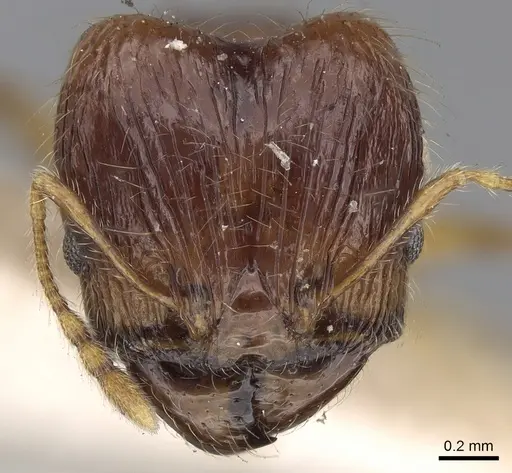
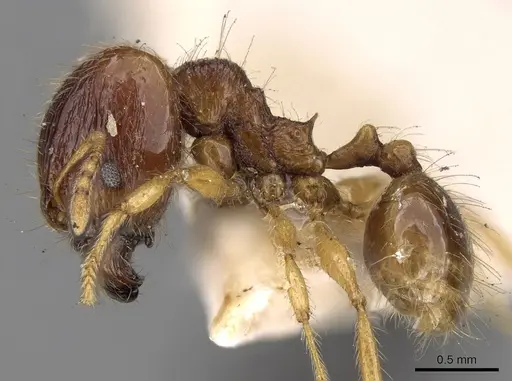
Pheidole nietneri is a small to medium-sized ant species known for its distinctive caste system, minor workers and major workers (soldiers) with enlarged heads. Workers measure around 7mm in length, with brownish-red heads and a dark abdomen. The species is native to South Asia, found across Pakistan, Sri Lanka, and parts of southern China. These ants are highly adaptable, thriving in grasslands, agricultural fields, and orchards where they play an important role in tending aphids and mealybugs for honeydew while also scavenging on dead insects and protein sources [1][2].
Quick Summary
- Difficulty: Easy
- Origin & Habitat: Native to Pakistan, Sri Lanka, and southern China. Found in grasslands, agricultural fields (maize and wheat crops), and apple orchards at elevations between 1,255-1,770 meters [2][3].
- Colony Type: Single-queen colonies (monogyne), typical for Pheidole species. Colonies contain both minor workers and major soldiers with enlarged heads for defense and seed processing.
- Colony: Monogyne
- Founding: Claustral
- Size & Growth:
- Queen: Estimated 9-12mm based on genus patterns
- Worker: 6-7mm (minor workers), majors slightly larger with enlarged heads [1]
- Colony: Likely several hundred workers based on typical Pheidole colony sizes
- Growth: Moderate
- Development: Estimated 6-8 weeks based on typical Pheidole development at warm temperatures (Development time is temperature-dependent, warmer conditions within their tolerance range will speed up development)
- Antkeeping:
- Temperature: Keep at 24-28°C. This species comes from subtropical regions with warm summers, so they handle warmth well. Room temperature (22-25°C) is acceptable, with a slight heat gradient optional for faster growth [2][3].
- Humidity: Moderate humidity around 50-70%. They nest in soil and under stones in the wild, so keep the nest substrate lightly moist but not waterlogged. Allow some drying between waterings.
- Diapause: Likely a mild winter slowdown period. Based on their range in Pakistan and Sri Lanka, they may become less active in cooler months but probably don't require full hibernation like temperate species.
- Nesting: Soil-nesting species. In captivity, they do well in Y-tong nests, plaster nests, or naturalistic setups with soil substrate. They accept narrow chambers but need enough space for their colony to expand. Provide some cover and darkness as they prefer nesting in concealed locations [3].
- Behavior: These ants are relatively peaceful and not aggressive toward keepers. Major workers (soldiers) defend the colony and help process larger food items. They are opportunistic feeders that tend aphids for honeydew while also scavenging on protein sources. Foraging occurs both on the ground and on plants. They have a moderate escape risk, use standard barriers but they are not particularly known for being escape artists like some tiny Camponotus species.
- Common Issues: overfeeding leading to mold, remove uneaten protein within 24 hours, colonies may decline if kept too cold, maintain warm temperatures year-round, major workers may appear alarming to beginners but they are normal and beneficial for the colony
Housing and Nest Setup
Pheidole nietneri is a soil-nesting species that does well in several captive setups. Y-tong (acrylic) nests work excellently, choose one with chambers around 3-5mm in height and provide a water chamber for humidity. Plaster nests with soil-filled chambers are also suitable and mimic their natural environment. For founding colonies, a simple test tube setup with a cotton ball reservoir works well until the colony reaches 20-30 workers. When moving to a larger nest, ensure the transition is gradual and the new space is appropriately sized, too large a space can stress smaller colonies. These ants prefer darker nesting areas, so cover the nest with a dark cloth or use a nest with opaque walls. Escape prevention is straightforward, a standard barrier like fluon on the rim of the outworld is sufficient [3].
Feeding and Diet
In the wild, Pheidole nietneri has an omnivorous diet. They actively tend aphids and mealybugs on plants, collecting the honeydew these insects produce. They also scavenge on dead insects and other protein sources, researchers have observed them collecting dead cockroaches and even a hen bone in agricultural settings [1][2]. In captivity, offer a varied diet: sugar water or honey as a constant energy source, and protein foods like mealworms, small crickets, or other insects 2-3 times per week. Remove uneaten protein within 24 hours to prevent mold. They are not picky eaters and typically accept most offered foods. The presence of major workers (soldiers) means they can handle larger food items than many small ant species, majors will take down and process prey that minor workers cannot manage alone.
Temperature and Seasonal Care
This species comes from warm subtropical regions, so they prefer temperatures in the 24-28°C range. They can tolerate room temperature (22-25°C) but grow more slowly in cooler conditions. A small heat cable or heating mat on one side of the nest can create a beneficial gradient, place it on top of the nest, not underneath, to avoid drying out the substrate. Regarding winter care, based on their range in Pakistan and Sri Lanka (which have mild winters), they likely do not require true hibernation. Instead, expect a period of reduced activity during cooler months when room temperatures drop. Simply allowing them to slow down naturally is usually sufficient, do not attempt to cool them dramatically. If your room stays above 18°C year-round, they should remain active throughout winter [2][3].
Colony Development and Caste System
One of the most interesting aspects of Pheidole nietneri is their caste system. Like all Pheidole species, they have two worker castes: minor workers (the small, typical workers) and major workers (soldiers) with significantly enlarged heads. The majors serve important colony functions, they defend the nest, help process large food items, and can crack seeds or tough prey that minor workers cannot manage. When a colony is small, you may see fewer majors, but as the colony grows, the proportion of majors typically increases. The queen is larger than workers (estimated 9-12mm) and remains hidden in the nest after founding. Development from egg to worker takes approximately 6-8 weeks at optimal temperatures, with the first workers (nanitics) being smaller than normal workers. Colonies can grow to several hundred workers in optimal conditions. [1]
Behavior and Observation
Pheidole nietneri is a rewarding species to observe. Minor workers handle most day-to-day tasks, foraging, caring for brood, and tending aphids in the outworld. Major workers are typically stationed near the brood chambers or at the nest entrance, ready to respond to threats. When you first open the nest or disturb them, you may see majors rushing to the entrance, this defensive display can be impressive for such a small species. They are not aggressive toward humans and rarely attempt to bite. Foraging occurs both on the ground and up onto plants, so providing some vertical space in the outworld can encourage natural foraging behavior. They are moderately active and will establish clear foraging trails once they are comfortable in their setup. [1][2][3]
Frequently Asked Questions
How long does it take for Pheidole nietneri to produce first workers?
Expect first workers (nanitics) to emerge in about 6-8 weeks after the queen lays eggs, assuming temperatures around 26°C. This is typical for Pheidole species in warm conditions. Lower temperatures will slow development significantly.
What do Pheidole nietneri ants eat?
They are omnivores. Offer sugar water or honey constantly, and protein foods like mealworms, small crickets, or other insects 2-3 times weekly. They also scavenge on dead insects in the wild, so they will readily accept protein scraps.
Are Pheidole nietneri good for beginners?
Yes, this is an excellent beginner species. They are adaptable, tolerant of various conditions, and relatively forgiving of minor care mistakes. Their interesting caste system (majors and minors) also makes them engaging to watch.
Do Pheidole nietneri need hibernation?
Probably not. Based on their range in Pakistan and Sri Lanka, they experience mild winters rather than cold ones. Simply allow them to reduce activity naturally in cooler months if your home cools down. No special cooling treatment is required.
What size colony do Pheidole nietneri reach?
Based on typical Pheidole species, established colonies likely reach several hundred workers. They are not considered supercolonial and typically maintain single-queen colonies.
Can I keep multiple Pheidole nietneri queens together?
No. This species is monogyne, meaning colonies have a single queen. Combining unrelated queens will typically result in fighting. Only introduce a queen to an established colony if you are attempting pleometrosis with careful monitoring, which is not recommended for this species.
What nest type is best for Pheidole nietneri?
Y-tong (acrylic) nests or plaster nests work well. They prefer darker nesting areas, so cover the nest. A test tube setup is fine for founding colonies. Ensure the nest chambers are appropriately sized, too large can stress small colonies.
Why are some workers bigger than others in my colony?
This is normal! Pheidole species have two worker castes: minor workers (small, most numerous) and major workers (soldiers with enlarged heads). Majors help with defense and processing large food items. Seeing more majors as the colony grows is healthy.
How often should I feed my Pheidole nietneri colony?
Offer sugar water or honey constantly, check every few days and refresh as needed. Offer protein foods 2-3 times per week. Remove uneaten protein after 24 hours to prevent mold. Adjust based on colony size and consumption rates.
References

This caresheet is licensed under CC BY-SA 4.0 .
CASENT0281662
View on AntWeb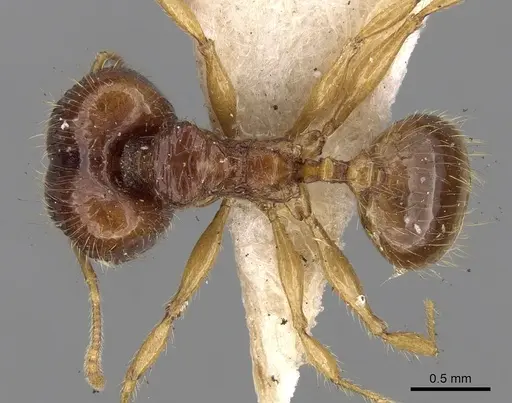
Literature
Loading...Loading products...