

Pheidole neolongiceps
- Scientific Name
- Pheidole neolongiceps
- Tribe
- Attini
- Subfamily
- Myrmicinae
- Author
- Brown, 1950
- Distribution
- Found in 1 countries
Pheidole neolongiceps Overview
Pheidole neolongiceps is an ant species of the genus Pheidole. It is primarily documented in 1 countries , including Cuba. Detailed taxonomic data and occurrence records can be further explored via authoritative databases such as AntWeb or the Global Biodiversity Information Facility (GBIF).
Pheidole neolongiceps
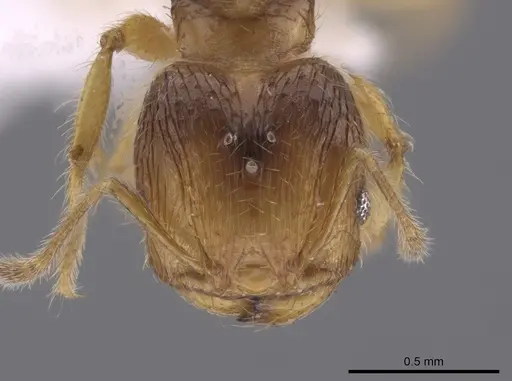
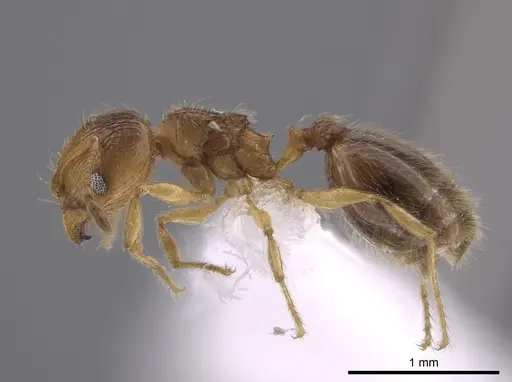
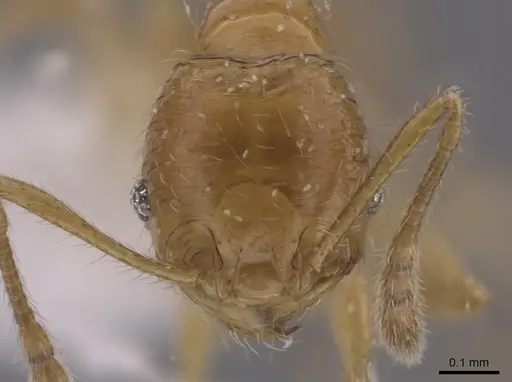
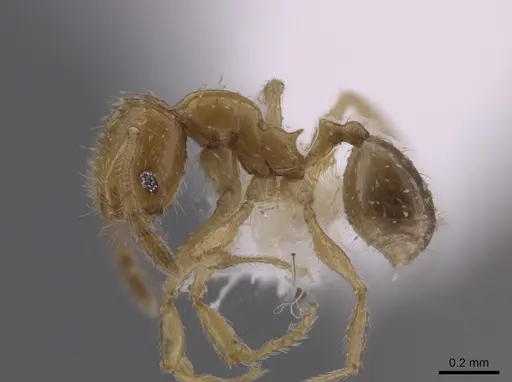
Pheidole neolongiceps is a small, dark brown ant endemic to Cuba, part of the flavens species group. The genus Pheidole is known for its distinctive two-worker caste system: large major workers (soldiers) with enlarged heads for seed-processing, and smaller minor workers that handle most tasks outside the nest. This species measures around 0.82mm head width for majors, with an elongate head, long petiolar spines, and a wide postpetiolar node that helps distinguish it from similar Caribbean species. It is known only from a few localities in western Cuba, including Sierra de Mesa in Pinar del Rio and the type locality Caribarién [1][2]. The biology of this species has not been studied in detail, so most care recommendations are inferred from typical Pheidole behavior and Cuban habitat conditions.
Quick Summary
- Difficulty: Medium
- Origin & Habitat: Endemic to Cuba in the Greater Antilles. Found in tropical to subtropical forest habitats in western Cuba, specifically Pinar del Rio province. Specimens have been collected from Sierra de Mesa and Caribarién[1].
- Colony Type: Single-queen colonies (monogyne). Colony structure has not been directly studied, but Pheidole species typically form monogyne colonies with one founding queen establishing the colony alone.
- Colony: Monogyne
- Founding: Claustral
- Size & Growth:
- Queen: Estimated 5-7mm based on genus patterns
- Worker: Majors: 0.82mm HW. Minors: significantly smaller, typical of Pheidole genus
- Colony: Unknown for this species, but Pheidole colonies typically reach several hundred to a few thousand workers
- Growth: Moderate, inferred from genus patterns
- Development: 6-10 weeks estimated based on typical Pheidole development at warm temperatures (Development time is estimated, not directly studied for this species. Pheidole species generally develop from egg to worker in 6-8 weeks under optimal conditions (around 24-28°C).)
- Antkeeping:
- Temperature: Keep around 24-28°C. Based on Cuban tropical habitat, they prefer warm conditions. A heating cable on one side of the nest creates a suitable gradient.
- Humidity: Moderate to high humidity (60-80%). Cuban forests are humid environments. Keep the nest substrate consistently moist but not waterlogged.
- Diapause: Unlikely, as a tropical Cuban species, they probably do not require a true hibernation. They may show reduced activity during cooler months.
- Nesting: In nature, Pheidole species typically nest in soil, under stones, or in rotting wood. In captivity, a test tube setup works well for founding colonies. Once established, a Y-tong (AAC) nest or plaster formicarium with soil substrate mimics their natural preferences. They prefer tight chambers scaled to their small size.
- Behavior: Pheidole ants are generally non-aggressive and focused on seed-processing and brood care. Majors stay near the nest to process seeds, while minors forage and tend brood. They are not known to sting and pose no danger to keepers. Their small size (majors under 1mm) means escape prevention is critical, they can squeeze through tiny gaps. Use fine mesh and tight-fitting barriers.
- Common Issues: escape prevention is critical due to their very small size, use fine mesh barriers and check lid seals regularly, limited biological data means some care aspects are inferred from genus patterns rather than species-specific studies, slow founding phase, claustral queens may take months to produce first workers, and beginners often give up during this period, overfeeding can lead to mold in test tube setups, remove uneaten food promptly, wild-caught colonies may carry parasites that can cause colony failure in captivity
Nest Preferences
Pheidole neolongiceps, like most Pheidole species, likely nests in soil or under stones in its Cuban habitat. In captivity, start with a simple test tube setup for the founding queen, fill one end with water reservoir, plug with cotton, and place in a dark container. The queen will seal herself in the chamber and remain there while laying eggs. Once the colony reaches 20-30 workers, you can consider moving them to a more elaborate setup like a Y-tong nest or a naturalistic formicarium with soil substrate. They prefer tight, snug chambers rather than open spaces. Avoid tall chambers that make them feel exposed.
Feeding and Diet
Pheidole species are omnivorous with a strong preference for seeds and protein. In captivity, offer a mix of seeds (millet, chia, flax) that majors can process with their enlarged heads, along with protein sources like small insects (fruit flies, pinhead crickets, mealworms). Sugar sources like honey water or sugar water are also readily accepted. Feed protein 2-3 times per week, and keep a constant sugar source available. Remove uneaten food within 24-48 hours to prevent mold. Given the small size of this species, offer appropriately sized prey, tiny insects are better than large ones.
Temperature and Care
As a tropical Cuban species, Pheidole neolongiceps prefers warm conditions around 24-28°C. Room temperature in most homes (20-24°C) is acceptable, but warmer temperatures will speed up development and increase activity. Use a heating cable on one side of the nest to create a temperature gradient, allowing workers to choose their preferred zone. Place the heating on top of the nest, not underneath, to avoid excessive drying. Monitor humidity, the nest should feel damp but not have standing water. Mist occasionally if the setup dries out, but avoid over-misting.
Behavior and Temperament
Pheidole ants are known for their calm temperament and interesting two-caste system. Major workers (soldiers) stay in or near the nest processing seeds and defending the colony, while minor workers handle foraging, brood care, and general tasks. This species is not aggressive and does not sting. They are primarily active at night and during cooler parts of the day. Their small size makes them excellent escape artists, even minor workers can slip through tiny gaps. Always use fine mesh (0.5mm or smaller) on any ventilation holes, and check that lid seals are tight. When cleaning or moving the colony, work slowly and gently to avoid stressing the ants.
Colony Founding
The founding behavior of this specific species has not been documented, but Pheidole queens are typically claustral. This means the queen seals herself in a small chamber after mating and relies entirely on her stored fat reserves to survive and feed her first brood. She will not leave to forage during this time. The founding chamber should be dark and undisturbed. Expect a wait of 4-8 weeks (sometimes longer) before the first nanitic workers emerge. Do not disturb the queen during this period, checking too frequently can cause her to abandon or eat her brood. Once workers appear, they will begin foraging for food, and the colony enters the growth phase.
Growth and Development
Pheidole colonies grow through a predictable sequence: claustral founding (queen alone), nanitic brood (first tiny workers), worker emergence, and gradual colony expansion. The first workers (nanitics) are often smaller than normal workers and may have softer exoskeletons. As the colony grows, subsequent broods produce larger, more robust workers. A healthy colony should grow from a founding queen to 50-100 workers within 6-12 months under good conditions. Growth rate depends heavily on temperature and feeding, warmer temperatures and regular protein intake speed development. Major workers (the large-headed soldiers) typically appear once the colony reaches several dozen workers.
Frequently Asked Questions
How long does it take for Pheidole neolongiceps to produce first workers?
Expect 6-10 weeks from egg to first worker under optimal conditions (around 26-28°C). This is an estimate based on typical Pheidole development, as this species has not been specifically studied. The claustral queen will remain sealed in her chamber until her first workers emerge.
Can I keep multiple Pheidole neolongiceps queens together?
Not recommended. Pheidole species are typically monogyne (single-queen colonies). While pleometrosis (multiple queens founding together) occurs in some Pheidole species, it is not documented for this specific ant and combining unrelated queens typically results in fighting.
What do Pheidole neolongiceps eat?
They are omnivorous like most Pheidole species. Offer a mix of small seeds (millet, chia), protein sources (fruit flies, tiny crickets, mealworms), and sugar (honey water or sugar water). Protein should be offered 2-3 times per week with a constant sugar source available.
What temperature is best for Pheidole neolongiceps?
Keep them warm at 24-28°C. As a tropical Cuban species, they prefer warm conditions. Room temperature (20-24°C) is acceptable but may slow development. A heating cable on one side of the nest creates a gradient for workers to regulate their temperature.
Are Pheidole neolongiceps good for beginners?
They are moderate difficulty. The main challenges are their small size (escape prevention is critical) and the slow founding phase, which can try beginners' patience. Once established, they are relatively easy to care for. Their calm temperament makes them enjoyable to watch.
When should I move my colony to a formicarium?
Keep them in a test tube setup until the colony reaches 30-50 workers. At this point, they need more space and a formicarium (Y-tong, plaster, or naturalistic setup) becomes appropriate. Make sure any new setup has appropriately sized chambers, Pheidole prefer tight, snug spaces.
Why are my Pheidole neolongiceps dying?
Common causes include: escape through tiny gaps (check all seals), mold from overfeeding or too much moisture, disturbing the queen during claustral founding, and parasites from wild-caught colonies. Also ensure temperature is warm enough (24-28°C) and they have adequate protein. Review your setup for any issues and adjust accordingly.
Do I need to hibernate Pheidole neolongiceps?
Probably not. As a tropical Cuban species, they likely do not require true hibernation. They may show reduced activity during cooler months, but a full diapause is not necessary. Simply keep them at normal room temperature year-round.
How big do Pheidole neolongiceps colonies get?
The maximum colony size is unknown for this specific species, but Pheidole colonies typically reach several hundred to a few thousand workers. A well-established colony after 1-2 years could have several hundred workers.
References

This caresheet is licensed under CC BY-SA 4.0 .
CASENT0656036
View on AntWeb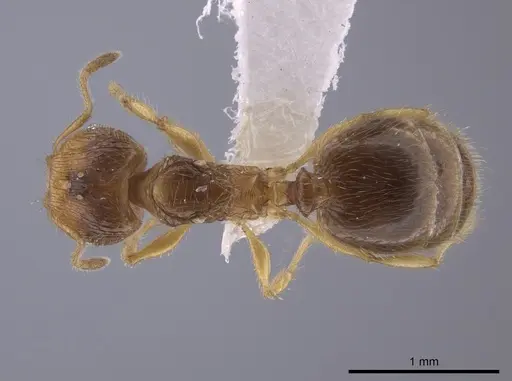
CASENT0656039
View on AntWeb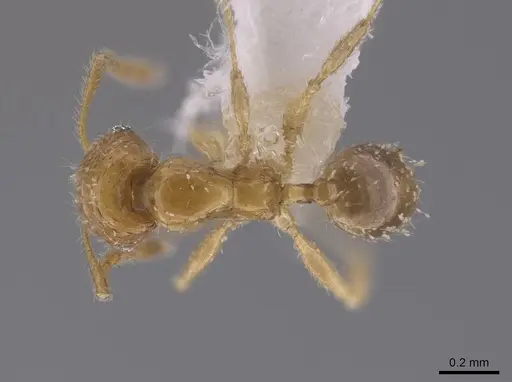
Literature
Loading...Loading products...