

Pheidole nebulosa
- Scientific Name
- Pheidole nebulosa
- Tribe
- Attini
- Subfamily
- Myrmicinae
- Author
- Wilson, 2003
- Distribution
- Found in 5 countries
Pheidole nebulosa Overview
Pheidole nebulosa is an ant species of the genus Pheidole. It is primarily documented in 5 countries , including Costa Rica, Guatemala, Honduras. Detailed taxonomic data and occurrence records can be further explored via authoritative databases such as AntWeb or the Global Biodiversity Information Facility (GBIF).
Pheidole nebulosa
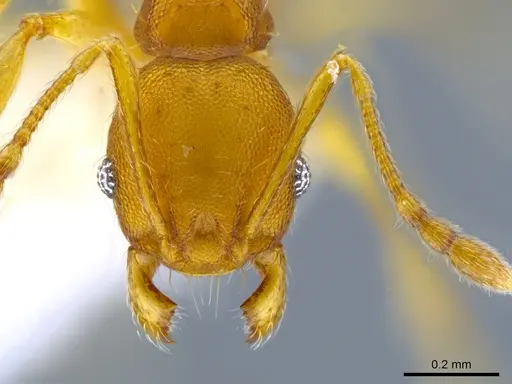
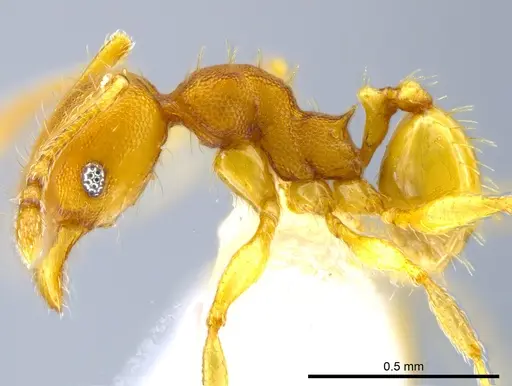
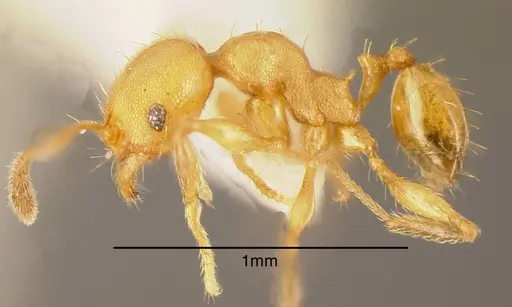
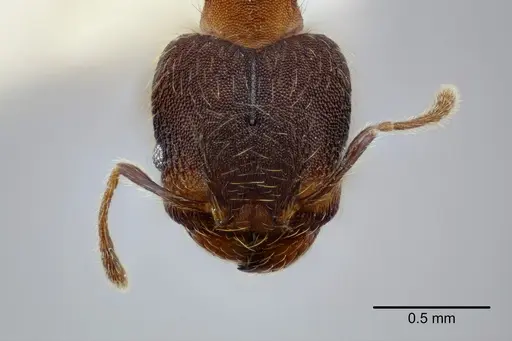
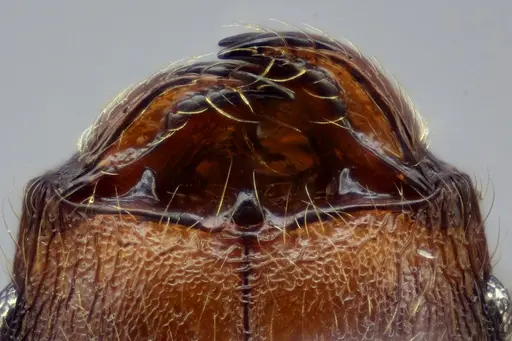
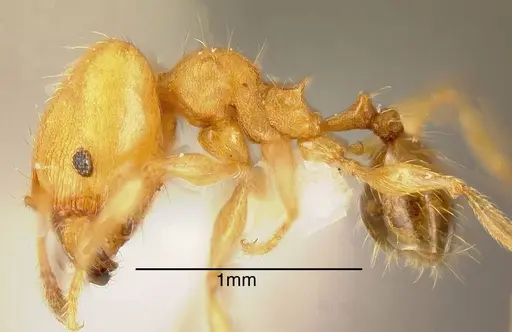
Pheidole nebulosa is a small dimorphic ant species native to the Neotropical region, ranging from Mexico to Costa Rica. The species gets its name 'nebulosa' (meaning misty or cloudy) from its distinctive foveolate (pitted) and shagreened body surface. Major workers measure around 0.86mm head width while minors are roughly half that size at 0.42mm. They are yellow to yellowish-red in color, with majors displaying a bicolored pattern featuring medium brown on the rear portion of the gaster. This species is unique among Central American Pheidole in having only a single large rounded medial tooth on the hypostomal margin of major workers, lacking the inner hypostomal teeth found in related species [1][2].
This ant is both arboreal and terrestrial, commonly found in mature wet forest environments from the forest floor leaf litter all the way up into the canopy. Nests are constructed in irregular cavities within dead wood, and they are known predators of oribatid mites in the leaf litter, making them specialized micro-predators [1]. This dietary specialization and their dual terrestrial/arboreal lifestyle makes them a fascinating species for antkeepers interested in observing natural foraging behaviors.
Quick Summary
- Difficulty: Medium
- Origin & Habitat: Neotropical region from Mexico to Costa Rica, including Guatemala, Honduras, and Nicaragua. Inhabits mature wet forest at elevations up to around 700m, found in forest floor leaf litter and canopy, nesting in dead wood cavities [1][2].
- Colony Type: Single-queen (monogyne) colonies. This is a dimorphic species with distinct major and minor worker castes. Major workers develop larger heads for defense and seed processing, while minors handle most foraging and brood care [3].
- Colony: Monogyne
- Founding: Claustral
- Size & Growth:
- Queen: Unconfirmed, no specific measurements found in available research. Based on genus patterns, likely 5-7mm. Signal: estimated based on related Pheidole species.
- Worker: Major workers: 0.86mm head width,0.92mm head length [2]. Minor workers: 0.42mm head width,0.46mm head length [2].
- Colony: Unknown, no colony size data available in research. Related small Pheidole species typically reach several hundred workers. Signal: estimated based on genus patterns.
- Growth: Moderate, Signal: estimated based on typical Pheidole development.
- Development: 6-10 weeks, Signal: estimated based on typical Myrmicinae development at tropical temperatures. Specific development data not available for this species. (Development time is estimated based on related small Pheidole species. Warmer temperatures within their preferred range will accelerate development.)
- Antkeeping:
- Temperature: Keep at 22-26°C. This is a Neotropical wet forest species from low to mid elevations, so they prefer warm, stable conditions. A gentle temperature gradient allows ants to self-regulate. Signal: inferred from habitat data [1].
- Humidity: High humidity required, think damp forest floor. Keep nest substrate consistently moist but not waterlogged. Provide a water tube and ensure the nest area maintains humidity levels similar to their wet forest habitat. Signal: inferred from wet forest habitat [1].
- Diapause: No, as a Neotropical species from low elevation forests, they do not require a true hibernation diapause. However, they may reduce activity during cooler or drier seasons in captivity. Signal: inferred from tropical distribution.
- Nesting: Natural nesting: irregular cavities in dead wood, both on the forest floor and in elevated dead wood (arboreal). Captive options: Y-tong (AAC) nests, plaster nests, or naturalistic setups with dead wood pieces work well. They prefer enclosed dark spaces that mimic their natural dead wood cavities. Signal: based on natural nesting behavior [1][2].
- Behavior: This is a relatively calm, non-aggressive species compared to some Pheidole. They are dimorphic with major workers that specialize in defense and seed processing, while minor workers handle most foraging and brood care. They are known predators of oribatid mites in the wild, showing specialized predatory behavior. They also carry seeds, indicating a granivorous component to their diet [4]. Workers are small but active foragers. Escape risk is moderate, their small size means they can squeeze through small gaps, so standard escape prevention measures are recommended. Signal: based on field observations [1][4].
- Common Issues: specialized diet can be challenging, they naturally prey on oribatid mites, which may be difficult to culture in captivity, high humidity requirements can lead to mold if ventilation is poor, small colony size at founding means slow growth that may frustrate beginners, wild-caught colonies may have parasites that affect survival in captivity, their small size requires attention to escape prevention despite being larger than some Pheidole
Nest Preferences and Housing
In the wild, Pheidole nebulosa nests in irregular cavities within dead wood, both on the forest floor and in elevated positions in the canopy. This dual terrestrial-arboreal nesting is unusual and suggests they can adapt to different nest conditions. For captive care, Y-tong (AAC) nests or plaster nests work well, providing dark enclosed chambers that mimic their natural dead wood habitat. Naturalistic setups with pieces of dead wood or cork can also be used. The nest should be kept humid but with adequate ventilation to prevent mold. Because they are small ants, ensure any connections to the outworld are appropriately sized, they can navigate standard tubing but may struggle with very narrow or rough connections. A water tube should be provided for drinking water, as wet forest species often drink directly from water droplets. [1][2]
Feeding and Diet
Pheidole nebulosa has an interesting and somewhat specialized diet in the wild. They are documented predators of oribatid mites in leaf litter, along with two other small Pheidole species (flavens and bilimeki) [1]. This makes them specialized micro-predators rather than generalist foragers. They also carry seeds, indicating they exploit granivorous food sources as well [4]. For captive feeding, offer small live prey such as fruit flies, pinhead crickets, and other tiny arthropods. Since they naturally prey on mites, culturing oribatid mites or other small micro-arthropods would be ideal but may be challenging. They will likely accept standard ant foods like mealworms, bloodworms, and other small protein sources. Sugar water or honey can be offered occasionally, though their primary diet appears to be protein-based. Feed them small prey items 2-3 times per week, removing any uneaten food promptly to prevent mold.
Temperature and Seasonal Care
As a Neotropical species from mature wet forests in Mexico to Costa Rica, Pheidole nebulosa prefers warm, humid conditions year-round. They are found at elevations up to around 700m in areas like Puebla, Mexico, and in lowland wet forests in Costa Rica [2]. Keep the nest area at 22-26°C, with a gentle gradient allowing workers to choose their preferred temperature. A heating cable on one side of the nest can create this gradient, but place it on top of the nest rather than underneath to avoid excessive drying. Since they come from a tropical environment, they do not require a true hibernation diapause. However, they may show reduced activity during cooler periods, so maintaining consistent warmth is important for colony health and growth. Avoid temperatures below 18°C for extended periods.
Colony Structure and Development
Pheidole nebulosa is a dimorphic species, meaning colonies have two distinct worker castes: major workers (soldiers) with enlarged heads, and minor workers that handle most daily tasks. This dimorphism is characteristic of the genus Pheidole. Colonies are monogyne, meaning they have a single queen. The queen likely seals herself in during founding (claustral founding), living off stored fat reserves until her first workers emerge. Development from egg to worker likely takes 6-10 weeks based on related species, with warmer temperatures potentially speeding this process. Growth rate is moderate, faster than some slow-growing Myrmicinae but not as rapid as tropical fire ants. Major workers appear as the colony matures, typically once the colony reaches several dozen workers. The specialized diet of oribatid mites may mean colonies grow more slowly if appropriate prey is not available. [3][1]
Behavior and Temperament
This is generally a calm, non-aggressive species compared to many Pheidole, which can be quite defensive. Workers are small but active, foraging both on the ground and in elevated locations. The presence of major workers provides colony defense, but they are not typically aggressive toward keepers. They are known for their specialized predation on oribatid mites, which requires active hunting in leaf litter, this behavior can be fascinating to observe in a naturalistic setup. They also exhibit granivorous behavior, carrying seeds back to the nest [4]. Foraging activity is likely highest during warmer, humid conditions. Workers communicate through chemical signals and may use tandem-running to recruit others to food sources, though this specific behavior is not documented for this species. Their small size means they can be overlooked but escape prevention should still be taken seriously.
Frequently Asked Questions
How long does it take for Pheidole nebulosa to produce first workers?
Based on related small Pheidole species, expect first workers (nanitics) in approximately 6-10 weeks after the queen lays eggs, assuming optimal temperatures around 24-26°C. This timeline is estimated as specific development data for this species is not available.
What do Pheidole nebulosa ants eat?
They are specialized predators of oribatid mites in the wild, but in captivity they will accept small live prey like fruit flies, pinhead crickets, and other tiny arthropods. They also carry seeds, so small seed pieces may be accepted. Offer protein foods 2-3 times per week and sugar water or honey occasionally.
Are Pheidole nebulosa good for beginners?
This species is rated as medium difficulty. They require high humidity and warm temperatures, and their specialized diet may be challenging. However, they are generally calm and not aggressive. Beginners should be prepared for slower growth and may need to culture small prey items.
What temperature do Pheidole nebulosa need?
Keep them at 22-26°C. This is a Neotropical wet forest species that prefers warm, stable conditions. A gentle temperature gradient allows workers to self-regulate.
Can I keep multiple Pheidole nebulosa queens together?
This species is monogyne (single-queen), so combining unrelated queens is not recommended. Queens will likely fight, and even if they don't, multi-queen colonies are not the natural colony structure for this species.
What size do Pheidole nebulosa colonies reach?
Colony size is not specifically documented, but based on related small Pheidole species, colonies likely reach several hundred workers. Growth is moderate.
Do Pheidole nebulosa need hibernation?
No, they do not require hibernation. As a Neotropical species from low elevation wet forests, they prefer consistent warm conditions year-round.
Why are my Pheidole nebulosa dying?
Common causes include: low humidity (they need damp conditions), temperatures too cold (below 18°C), improper diet (they need small live prey, not just commercial ant food), or parasites from wild-caught colonies. Ensure proper humidity, warmth, and offer appropriate live prey.
References

This caresheet is licensed under CC BY-SA 4.0 .
CASENT0613597
View on AntWeb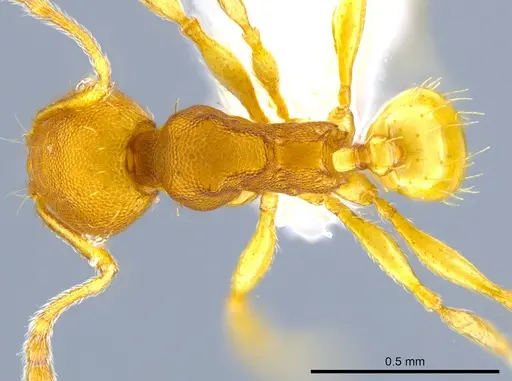
CASENT0635497
View on AntWeb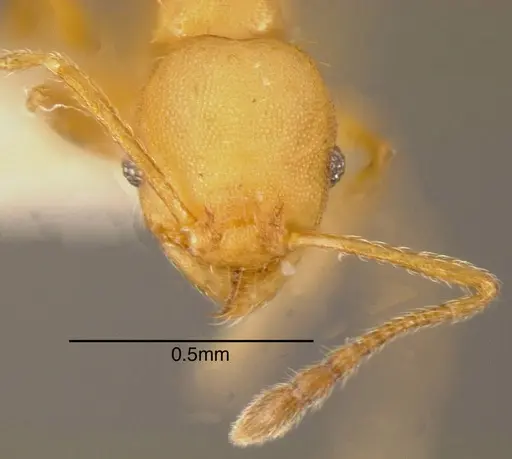
CASENT0649605
View on AntWeb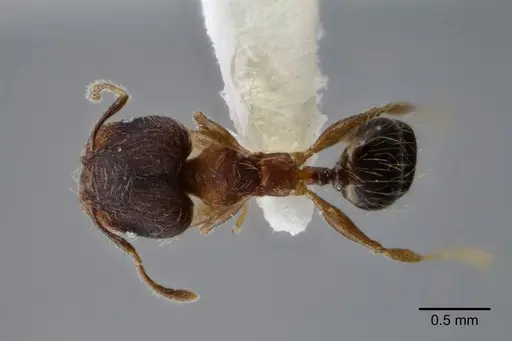
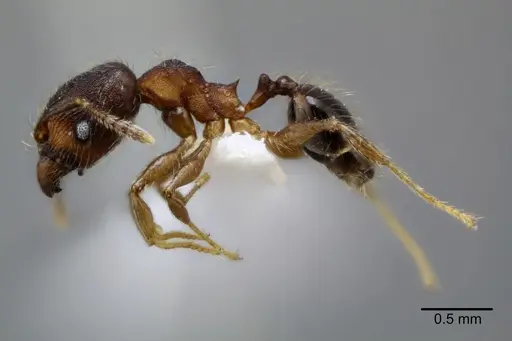
CASENT0649606
View on AntWeb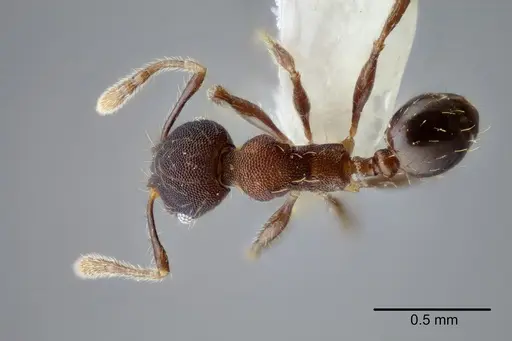
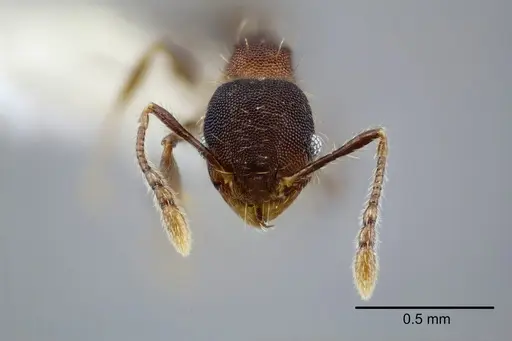
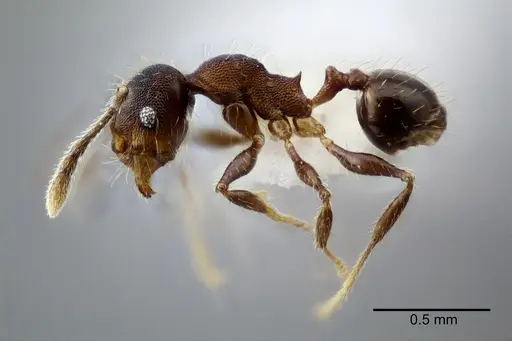
INBIOCRI001237483
View on AntWeb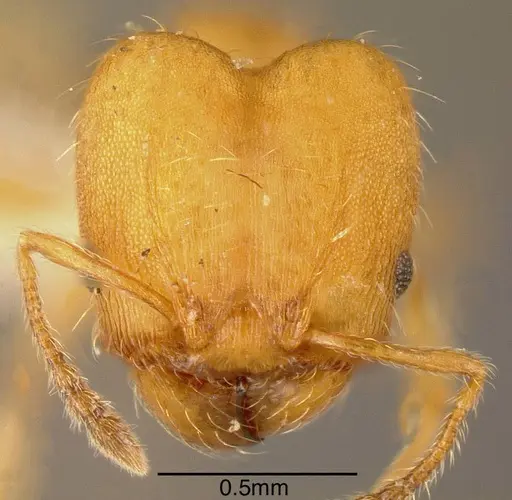
Literature
Loading...Loading products...