

Pheidole natalie
- Scientific Name
- Pheidole natalie
- Tribe
- Attini
- Subfamily
- Myrmicinae
- Author
- Longino, 2019
- Distribution
- Found in 4 countries
Pheidole natalie Overview
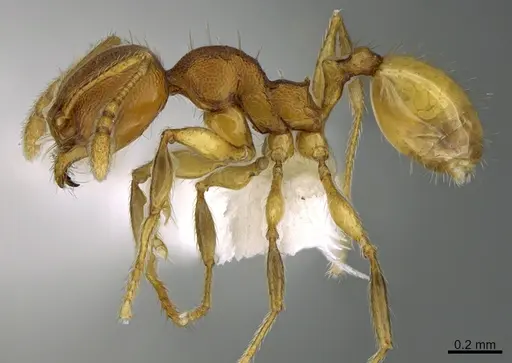
Pheidole natalie is an ant species of the genus Pheidole. It is primarily documented in 4 countries , including Costa Rica, Honduras, Mexico. Detailed taxonomic data and occurrence records can be further explored via authoritative databases such as AntWeb or the Global Biodiversity Information Facility (GBIF).
Pheidole natalie - "Natalie's Big-Headed Ant"
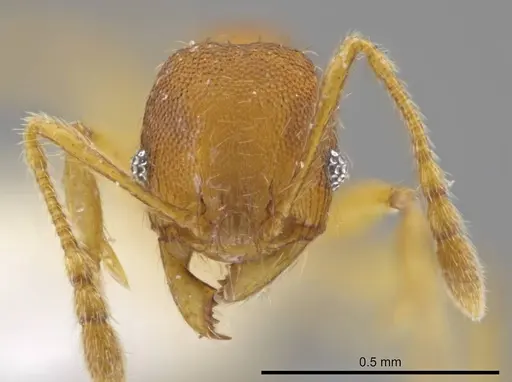
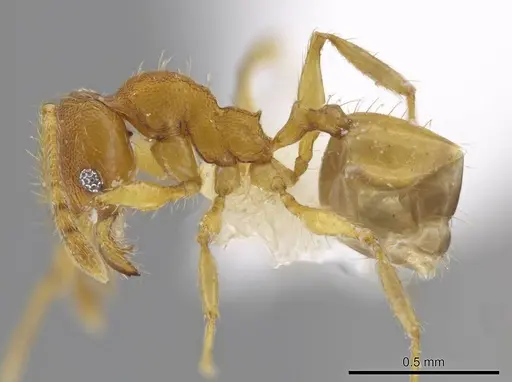
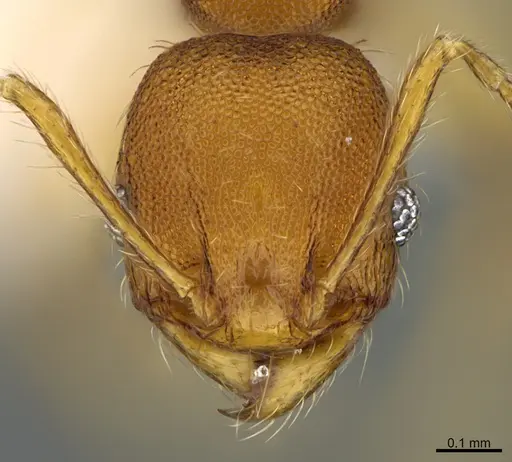
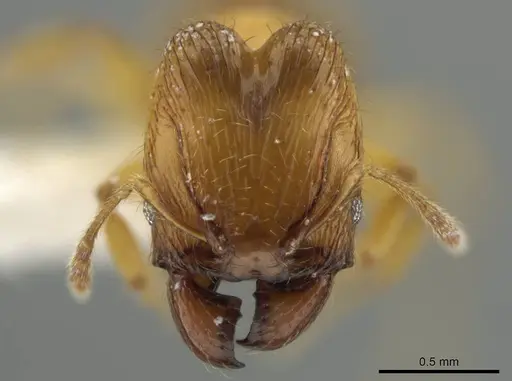
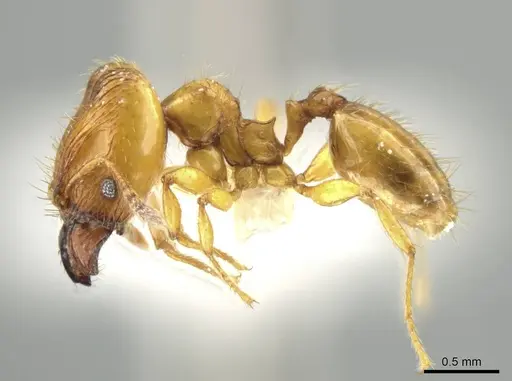
Pheidole natalie is a fascinating ant species from the diverse Pheidole genus, renowned for its distinctive dimorphic worker caste, meaning they have two different sizes of workers: smaller minor workers and larger major workers. These majors, often called 'soldiers' by antkeepers, possess disproportionately large heads, which are used for crushing seeds and defense. Minor workers are typically orange in color, though some populations can exhibit color polymorphism, with variations in yellow or bicolored patterns. They are a Neotropical species, found in cloud forest habitats, often nesting in clay soil or under stones. This species is known for its active foraging behavior and plays a role in its ecosystem as a general scavenger and insectivore.
- Difficulty: Medium
- Origin & Habitat: Neotropical Region (Guatemala, Honduras, Mexico, Nicaragua) in Cloud forest habitats, forest floor, nesting in exposed clay soil or under stones/rotten wood..
- Colony Type: Monogyne (single queen), though some Pheidole species can be polygyne., claustral (queen seals herself in). founding.
- Size & Growth:
- Queen: Not specified
- Worker: 0.44-0.88mm
- Colony: Large (tens of thousands to potentially hundreds of thousands). Some Pheidole species can reach tens of thousands of workers, with others ranging from hundreds to nearly 50,000.. Fast. Many Pheidole species are known for their fast growth, with brood developing quickly under optimal conditions. growth.
- Antkeeping:
- Temperature: While specific data for Pheidole natalie is limited, many Pheidole species thrive with a temperature gradient. A general recommendation for Pheidole is 24-28°C in the nest, with some sources suggesting 27°C for optimal brood development. Providing a warmer area (28-29°C) and a slightly cooler area (around 24-25°C) can be beneficial for the colony to regulate their temperature..
- Humidity: Pheidole natalie originates from cloud forests, suggesting a preference for higher humidity. For other Pheidole species, humidity levels of 50-70% are often recommended, with slightly higher humidity in the brood area. Maintaining adequate moisture is important..
- Diapause: Not required. Not specified at Not specified.
- Nesting: In the wild, Pheidole natalie nests in clay soil or under stones. In captivity, they can thrive in various setups including acrylic, 3D printed, grout, and ultracal nests, provided there is sufficient humidity. A test tube setup is suitable for founding queens and small colonies, moving to a small nest once workers exceed around 30 individuals..
- Behavior: Medium (towards food and other ants, generally low towards handler). They are known for aggressive foraging. aggressiveness.
- Common Issues: Humidity fluctuations, Escape artists (due to small size), Overfeeding leading to mold, Colony stalling if not heated sufficiently.
One of the most captivating aspects of keeping Pheidole natalie, and indeed most Pheidole species, is observing their distinct worker dimorphism. You'll notice two very different sizes of workers: the tiny, nimble minor workers, and the much larger, big-headed major workers. These majors aren't just for show; they're essential for the colony's defense and for processing tough food items like seeds, though Pheidole natalie is more of a general scavenger than a dedicated seed-harvester. Watching them work together, with minors foraging and majors assisting with larger tasks, is truly a highlight for any antkeeper.
Maintaining appropriate humidity levels is crucial for Pheidole natalie, given their natural cloud forest origins. While they can be adaptable, consistently providing a moist environment, especially around the brood, will contribute significantly to their well-being and colony growth. Overly dry conditions can lead to stress and slow development, so monitor your nest's hydration carefully. Consider using a formicarium design that allows for a humidity gradient, giving your colony the flexibility to choose their preferred moisture levels.
Pheidole colonies, including P. natalie, are known for their rapid growth once established. This means they'll quickly outgrow smaller setups. Be prepared to upgrade their nest as the colony expands. Consistent feeding of both protein and sugars is key to supporting this fast development. Don't be surprised if your queen starts laying eggs rapidly after her first nanitics (initial small workers) arrive – Pheidole queens are often quite prolific!
While Pheidole species are generally quite active foragers, their diet can be varied. Pheidole natalie, like many Pheidole, are generalist scavengers and insectivores. Offering a diverse diet of small insects (like fruit flies, small crickets, or mealworms) and sugar sources (such as honey water or sugar water) will keep your colony healthy and thriving. Pay attention to their preferences; some Pheidole can be picky with certain protein sources if offered too frequently.
Despite their small size, especially the minor workers, Pheidole natalie can be surprisingly efficient at escaping if their setup isn't properly secured. Their nimble nature means they can squeeze through incredibly small gaps. Ensure your outworld has an effective escape barrier, such as Fluon or talcum powder, and check for any potential weak points in your nest. This vigilance will save you from unexpected escapes and the stress of a wandering colony.
Frequently Asked Questions
What's the best setup for a Pheidole natalie queen to start her colony?
For a founding Pheidole natalie queen, a standard test tube setup with a water reservoir and cotton barrier works perfectly. They are claustral, meaning the queen doesn't need to forage for food until her first workers, or nanitics, emerge. Just keep her in a dark, quiet place, and she'll do all the work. Once you have around 30 workers, it's time to consider a small formicarium.
How often should I feed my Pheidole natalie colony?
Pheidole natalie are quite active and grow quickly, so they'll have a healthy appetite! Once your colony has workers, aim to offer small amounts of sugary liquids (like honey water or sugar water) every day or every other day. Protein, such as small pieces of feeder insects (crickets, mealworms, fruit flies), should be provided a few times a week. Remove any uneaten food promptly to prevent mold growth.
Do Pheidole natalie need hibernation (diapause)?
Pheidole natalie originates from tropical cloud forest habitats, and generally, species from such warm climates do not require a diapause (hibernation period). They can continue to grow and thrive year-round if kept at consistent, warm temperatures.
What's the ideal temperature for Pheidole natalie?
To encourage robust brood development and overall colony health, aim for temperatures between 24-28°C for your Pheidole natalie colony. Providing a slight heating gradient, with a warmer spot and a slightly cooler area within the nest, allows the ants to choose their preferred temperature zones, optimizing growth.
Why are my Pheidole natalie majors so much bigger than the minors?
Pheidole natalie exhibit a fascinating trait called dimorphism in their worker caste. This means the colony produces two distinct sizes of workers: the smaller minor workers and the much larger major workers. These majors, often called 'soldiers,' have impressively large heads that house powerful muscles, making them adept at crushing seeds and defending the colony. It's a natural and amazing part of Pheidole colony structure!
My Pheidole natalie colony seems to be stalling. What could be wrong?
Colony stalling in Pheidole natalie can often be linked to insufficient heating or inconsistent feeding. Ensure your nest temperature is within the optimal range (24-28°C) and that you're offering a regular, varied diet of both protein and sugars. Sometimes, providing a slightly higher protein intake can kickstart brood production. Also, check for any excessive disturbance or stress on the queen.
What kind of nest is best for a growing Pheidole natalie colony?
Once your Pheidole natalie colony outgrows its test tube setup (typically around 30+ workers), they can thrive in various formicarium types. Acrylic, 3D printed, grout, or even naturalistic soil nests can work well. The key is to ensure the nest provides adequate humidity, especially for the brood, and offers enough space for their rapidly expanding numbers.
Are Pheidole natalie good for beginner antkeepers?
While not as 'easy' as some of the hardier beginner species, Pheidole natalie can be a rewarding experience for an aspiring antkeeper who is ready for a slightly faster-growing and more active species. Their distinct caste system and diligent foraging are fascinating to observe. The main challenges are ensuring consistent heating and managing their potential for escape.
Do Pheidole natalie sting?
No, Pheidole natalie are not known to sting. Like many Pheidole species, they rely on biting and formic acid for defense, rather than a venomous sting. While they might nip if threatened, their bites are generally harmless to humans.
How large can a Pheidole natalie colony get?
Pheidole natalie colonies can grow quite large. While exact numbers for this specific species are not widely documented, other Pheidole species are known to reach colony sizes ranging from tens of thousands to potentially hundreds of thousands of workers. Be prepared for a bustling, active colony!
What do Pheidole natalie eat in the wild?
In their natural cloud forest habitats, Pheidole natalie are opportunistic feeders. They are general scavengers, meaning they'll eat a variety of things they find. They also act as insectivores, preying on small invertebrates. While some Pheidole species are seed-harvesters, P. natalie primarily consumes protein and sugars.
How long does it take for a Pheidole natalie egg to develop into a worker?
Under optimal conditions, the journey from egg to adult worker for Pheidole natalie typically takes about 4 to 5 weeks. Consistent warmth and a steady supply of food will help ensure this quick development time for your colony's brood.

This caresheet is licensed under CC BY-SA 4.0 .
CASENT0617853
View on AntWeb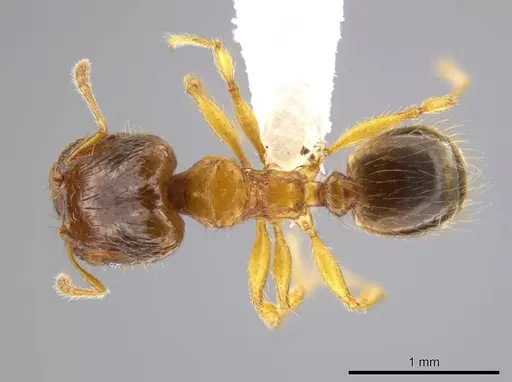
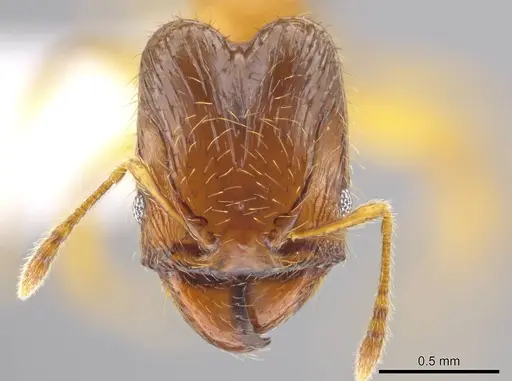
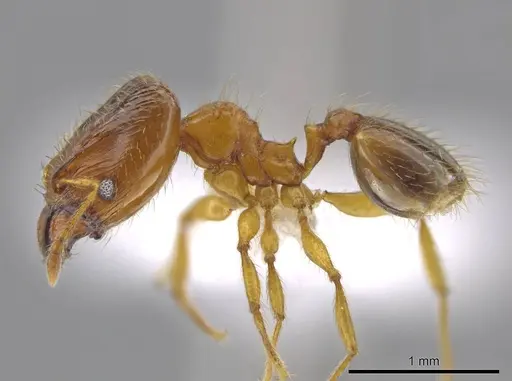
CASENT0617858
View on AntWeb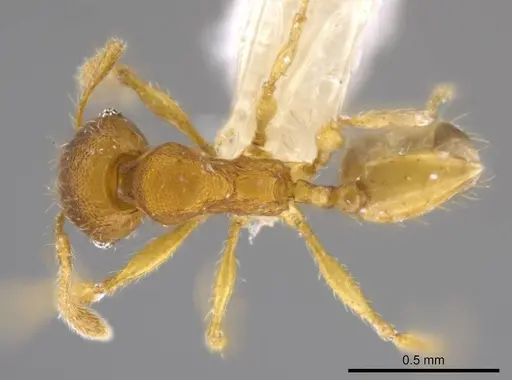
CASENT0617860
View on AntWeb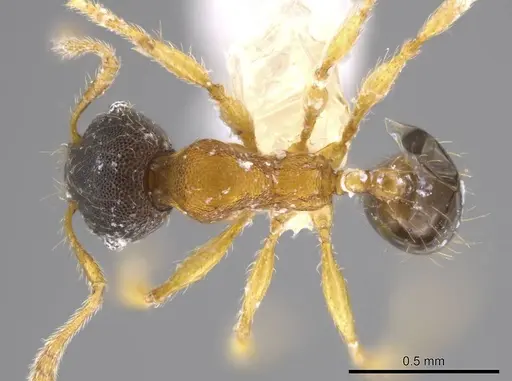
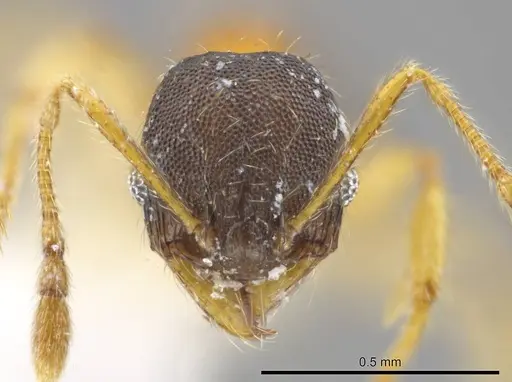
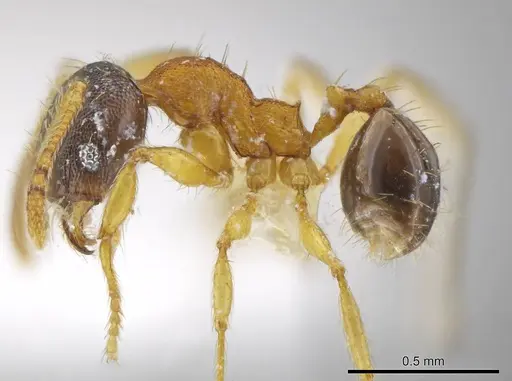
CASENT0628196
View on AntWeb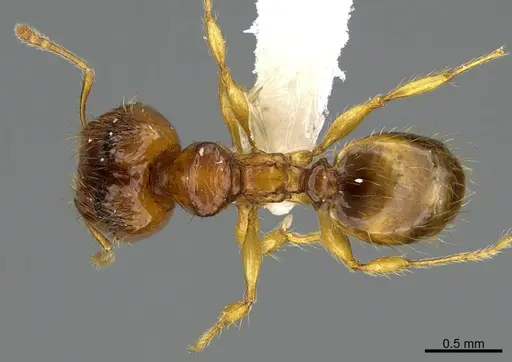
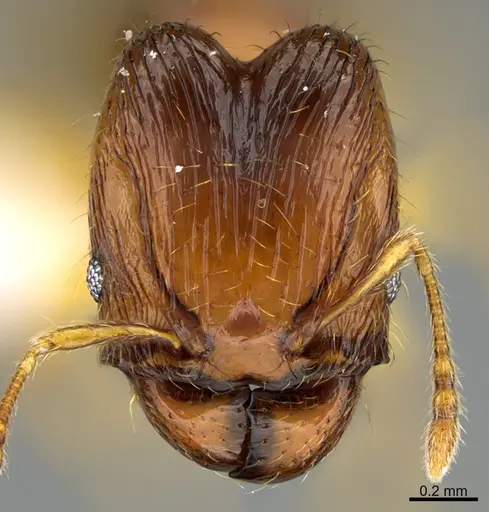
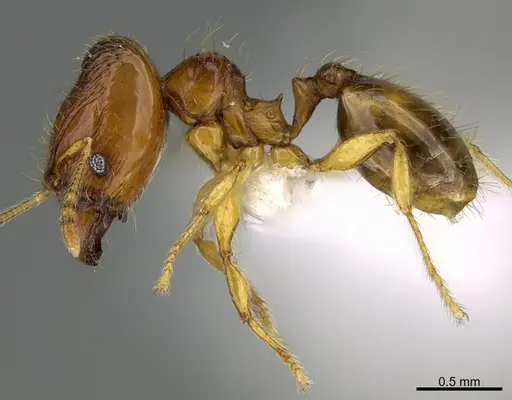
CASENT0628197
View on AntWeb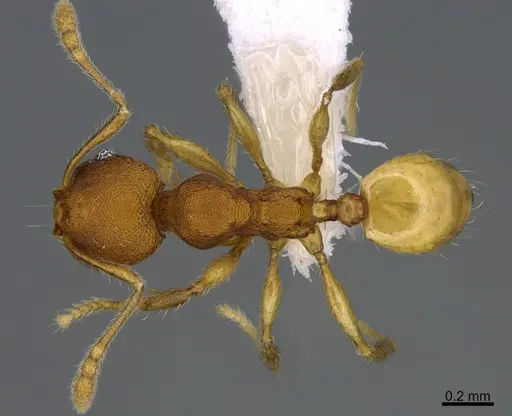
CASENT0628204
View on AntWeb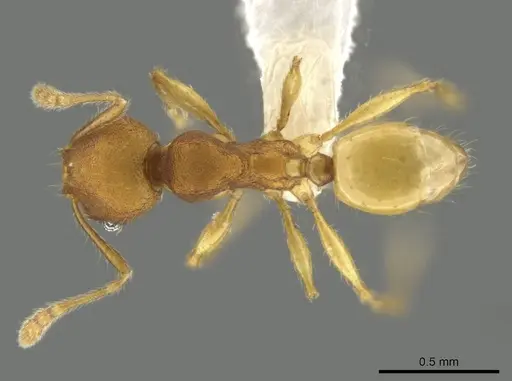
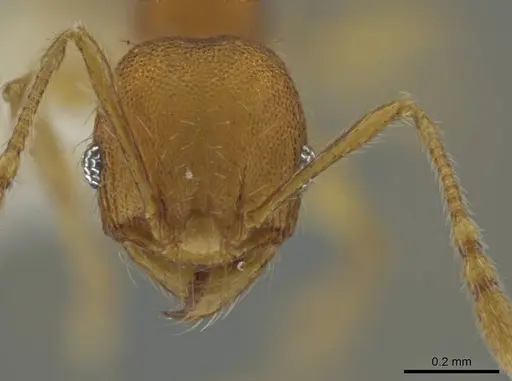
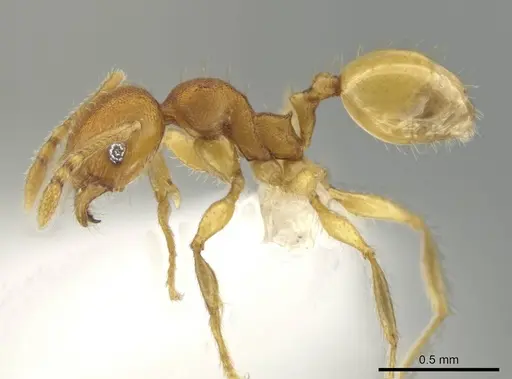
CASENT0628205
View on AntWeb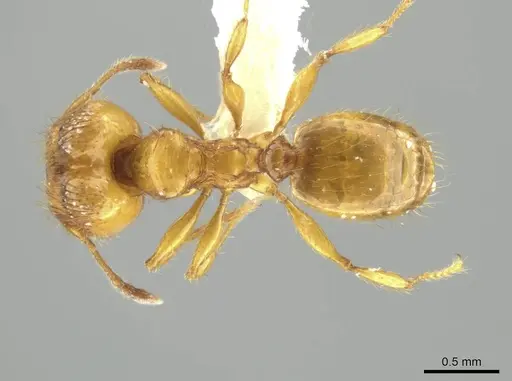
Literature
Loading...Loading products...