

Pheidole naoroji
- Scientific Name
- Pheidole naoroji
- Tribe
- Attini
- Subfamily
- Myrmicinae
- Author
- Forel, 1902
- Distribution
- Found in 1 countries
Pheidole naoroji Overview
Pheidole naoroji is an ant species of the genus Pheidole. It is primarily documented in 1 countries , including India. Detailed taxonomic data and occurrence records can be further explored via authoritative databases such as AntWeb or the Global Biodiversity Information Facility (GBIF).
Pheidole naoroji
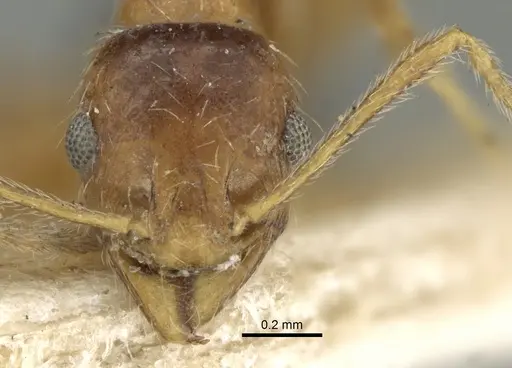
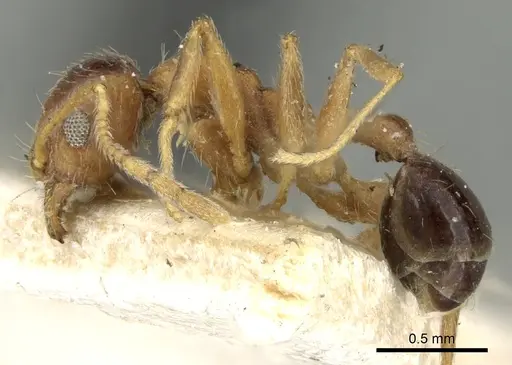
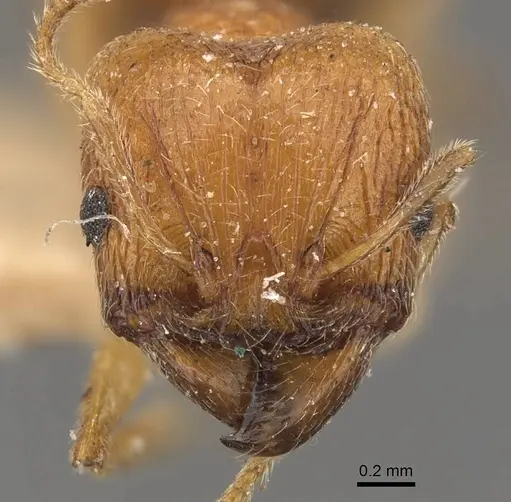
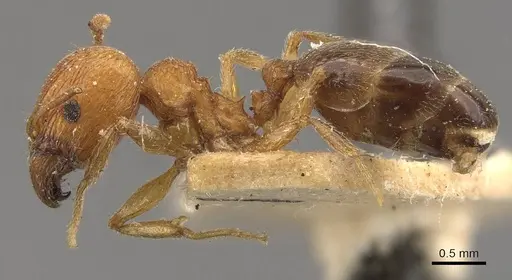
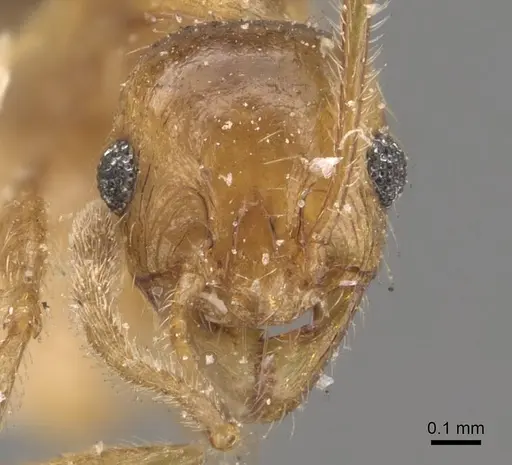
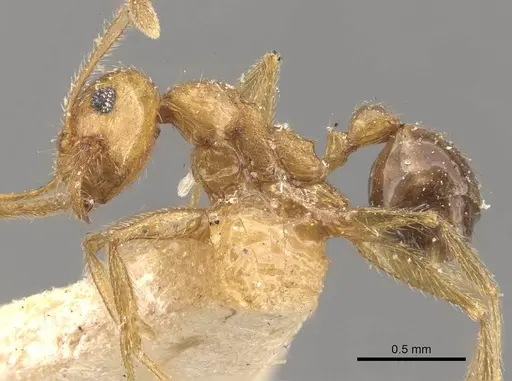
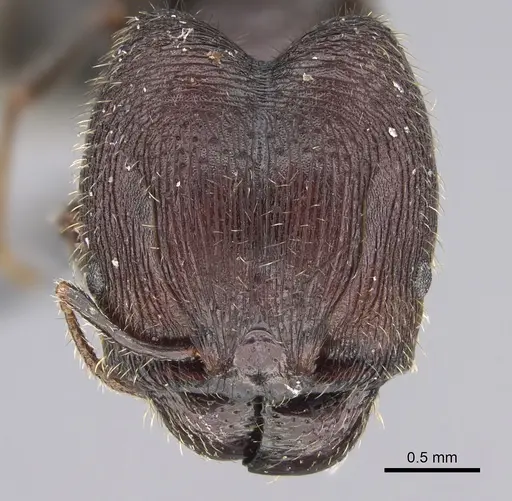
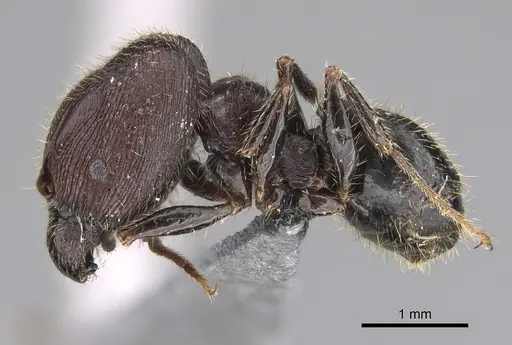
Pheidole naoroji is a small to medium-sized ant species endemic to India, first described by Forel in 1902. The species belongs to the Myrmicinae subfamily and is part of the Attini tribe, which includes famous leafcutter ants. Like all Pheidole species, they have two distinct worker castes: minor workers that handle most daily tasks, and major workers (soldiers) with disproportionately large heads used for seed processing and colony defense. The minor workers have an oval head with distinct posterior margin and minute tubercles on the pronotum, while major workers feature longitudinally striated heads and a smooth gaster. This species has been recorded in Maharashtra, India, and nearby regions of Pakistan [1][2].
Quick Summary
- Difficulty: Easy
- Origin & Habitat: Native to the Indomalaya region, specifically endemic to India with confirmed records from Maharashtra. Also found in neighboring Pakistan. Inhabits tropical to subtropical climates, typically nesting in soil or under stones in warm, moderately humid areas [1][2].
- Colony Type: Monogyne (single-queen colonies). Pheidole species typically establish single-queen colonies where one reproductive queen establishes the colony and produces the first brood alone.
- Colony: Monogyne
- Founding: Claustral
- Size & Growth:
- Queen: Estimated 7-9mm based on genus patterns
- Worker: Minor workers: 2-3mm, Major workers: 4-6mm based on genus morphology
- Colony: Colonies can reach several thousand workers over 2-4 years
- Growth: Moderate
- Development: 6-8 weeks at optimal temperature (estimated based on typical Pheidole development) (Development time varies with temperature, warmer conditions (24-28°C) accelerate development, while cooler temperatures slow it down)
- Antkeeping:
- Temperature: Keep nest area at 24-28°C. A heating cable on one side creates a gentle gradient. This species originates from warm Indian climates and thrives at room temperature in most homes. Avoid temperatures below 20°C for extended periods.
- Humidity: Maintain moderate humidity around 50-70%. Keep the nest substrate consistently moist but not waterlogged. The soil or nesting material should feel damp to the touch. Provide a water tube for drinking water.
- Diapause: No, this species comes from tropical India and does not require hibernation. Keep temperatures stable year-round.
- Nesting: Pheidole naoroji nests in soil and under stones in the wild. In captivity, they do well in test tube setups for founding colonies, then transition to Y-tong (AAC) nests, plaster nests, or naturalistic setups with soil substrate. They prefer dark, secure nesting areas.
- Behavior: Pheidole naoroji is generally peaceful but will defend vigorously if their nest is threatened. Major workers (soldiers) use their large heads to process seeds and deter predators. They are active foragers that search for food both on the ground and can climb surfaces. Minor workers handle most tasks including foraging, caring for brood, and nest maintenance, while majors specialize in seed processing and defense. Escape risk is moderate, they are not particularly small but active climbers, so standard barrier methods work well.
- Common Issues: mold in overly wet nests, ensure proper ventilation and avoid waterlogging the substrate, colonies stalling in development, check temperature is warm enough (24-28°C) and feeding is consistent, queen death during founding, claustral queens need complete darkness and minimal disturbance during the founding phase, escape through small gaps, though not tiny ants, they are active climbers and will find loose connections, overfeeding leading to mold, remove uneaten food promptly, especially protein sources
Housing and Nest Setup
For founding colonies, a simple test tube setup works perfectly. Fill a test tube with water, plug with cotton (creating a water reservoir), then add the queen. Place the tube in a dark, quiet location where it won't be disturbed. The queen will seal herself into a chamber and begin laying eggs. Once the first workers (nanitics) emerge and the colony reaches 20-30 workers, you can transition to a more permanent formicarium. Y-tong (AAC) nests are excellent for Pheidole because they provide dark chambers and allow you to observe the colony. Alternatively, a naturalistic setup with a soil-filled container and some decorative elements mimics their natural environment. Whatever nest you choose, ensure it has a connected outworld for foraging.
Feeding and Diet
Pheidole naoroji is an opportunistic feeder with a diet similar to other Attini tribe members, they collect seeds and process them, but also readily accept protein sources and sugar. Offer a varied diet: seeds (millet, chia, flax work well), small insects like fruit flies or pinhead crickets, and sugar water or honey. Minor workers handle foraging and will recruit others to food sources through chemical trails. Feed every 2-3 days, removing any uneaten food within 24 hours to prevent mold. A constant supply of sugar water is appreciated but not required daily. Protein is especially important during brood development, feed small insects twice weekly when the colony has larvae.
Temperature and Seasonal Care
This species comes from the warm climate of India and does best at temperatures between 24-28°C. Room temperature (22-24°C) is acceptable, but warmer conditions lead to faster brood development and more active workers. Use a heating cable or heating mat on one side of the nest if your room runs cool, but always provide a temperature gradient so ants can self-regulate. Place the heating element on top of the nest, not underneath, to prevent excessive drying. Since they don't require hibernation, maintain consistent temperatures year-round. Avoid cold drafts and temperatures below 18°C, which can slow or stop brood development.
Colony Growth and Development
A newly mated queen will seal herself in a chamber and lay her first batch of eggs. She feeds the larvae from her own body reserves until the first workers emerge, these nanitics are typically smaller than normal workers. Once workers emerge, they take over foraging and brood care, allowing the queen to focus exclusively on egg-laying. Colony growth is moderate: expect 20-30 workers by month 2-3,100+ by month 6,and potentially several thousand workers over 2-3 years under good conditions. Major workers (soldiers) typically appear once the colony reaches several hundred workers. Growth rate depends heavily on temperature, feeding consistency, and queen health.
Behavior and Defense
Pheidole naoroji exhibits the classic Pheidole behavior of having two worker castes with distinct roles. Minor workers are slender, quick, and handle most tasks: foraging, caring for brood, cleaning the nest, and recruiting nestmates to food. Major workers have massive, squared heads and are specialized for two jobs: processing hard seeds (their large heads contain powerful muscles for crushing) and defending the colony. When the nest is threatened, majors will rush to the entrance and may bite. They don't have stingers, but their bites can be noticeable on skin. Workers communicate through chemical pheromones, you'll see them laying scent trails to food sources, and the queen produces pheromones that help keep the colony cohesive.
Frequently Asked Questions
How long does it take for Pheidole naoroji to have first workers?
Expect first workers (nanitics) to emerge in 6-8 weeks at optimal temperature (24-28°C). This is the time from when the queen lays her first eggs until workers appear. The exact timing depends on temperature, warmer conditions speed development, while cooler temperatures slow it down.
Can I keep multiple Pheidole naoroji queens together?
No, Pheidole species are typically monogyne, meaning they form single-queen colonies. Combining unrelated queens will result in fighting. Only keep one queen per colony unless you have specific research showing this species can be polygynous.
What do Pheidole naoroji ants eat?
They are opportunistic feeders that accept seeds, small insects, and sugar sources. Offer a mix of small seeds (millet, chia), protein (fruit flies, small crickets), and sugar water or honey. Minor workers will recruit others to good food sources.
What temperature do Pheidole naoroji need?
Keep them at 24-28°C for optimal development. Room temperature (22-24°C) is acceptable, but warmer conditions lead to faster growth. Use a heating cable on one side of the nest if needed.
Are Pheidole naoroji good for beginners?
Yes, this species is beginner-friendly. They are hardy, don't require hibernation, and accept a wide variety of foods. Their claustral founding makes them relatively easy to establish, and their moderate size makes them easy to observe.
When should I move my colony to a formicarium?
Move from test tube to a formicarium once the colony reaches 20-30 workers or the test tube becomes cramped. Y-tong (AAC) nests, plaster nests, or naturalistic soil setups work well for Pheidole.
How big do Pheidole naoroji colonies get?
Mature colonies can reach several thousand workers over 2-4 years. Major workers (soldiers) typically appear once the colony grows beyond a few hundred workers.
Do Pheidole naoroji need hibernation?
No, this species is from tropical India and does not require hibernation. Keep temperatures stable year-round. They are active throughout the year in their natural habitat.
Why is my colony not growing?
Check three things: temperature (should be 24-28°C), food (protein is crucial for brood development), and disturbance (founding queens need darkness and quiet). If the queen has died, the colony won't grow, a healthy queen should be plump and active.
References

This caresheet is licensed under CC BY-SA 4.0 .
CASENT0281638
View on AntWeb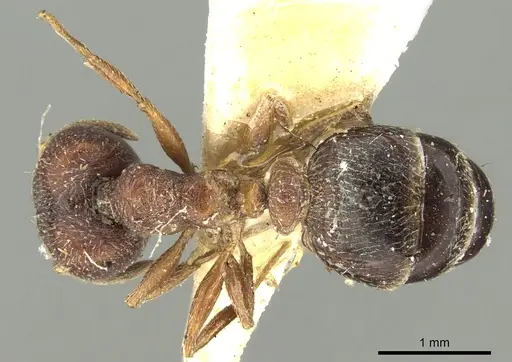
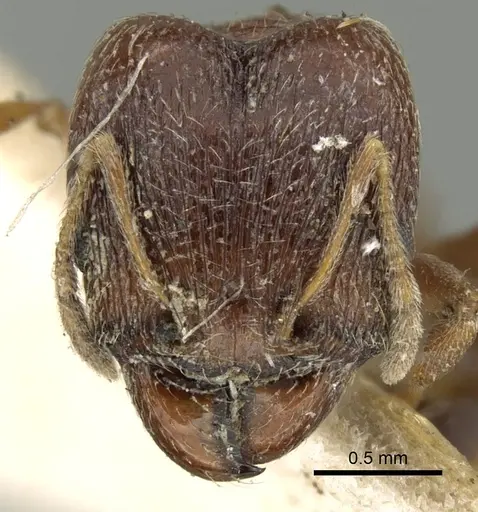
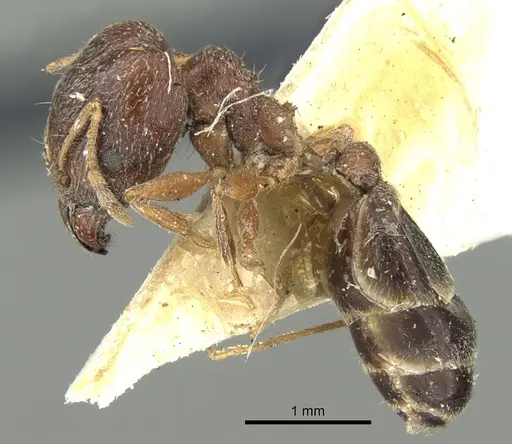
CASENT0281639
View on AntWeb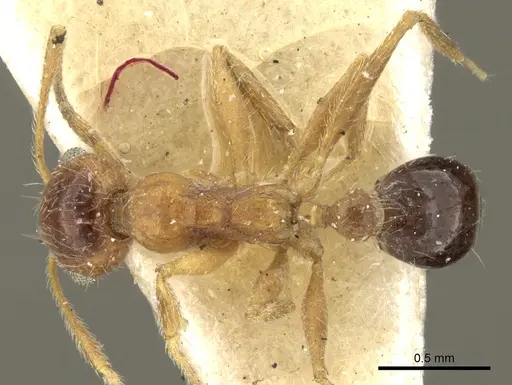
CASENT0907930
View on AntWeb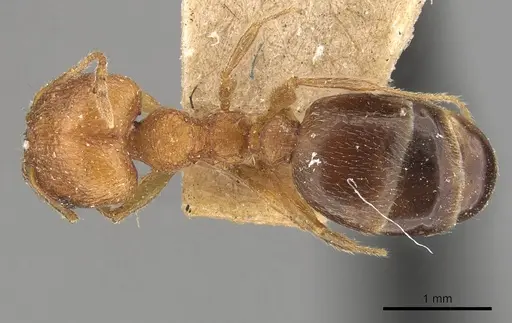
CASENT0907931
View on AntWeb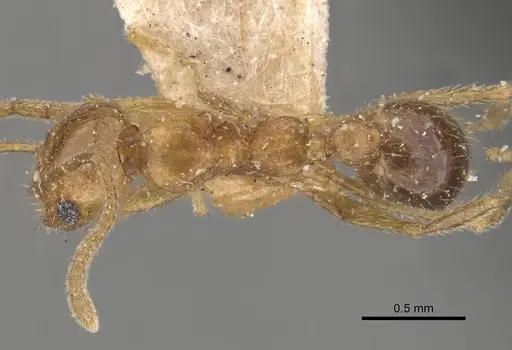
CASENT0923327
View on AntWeb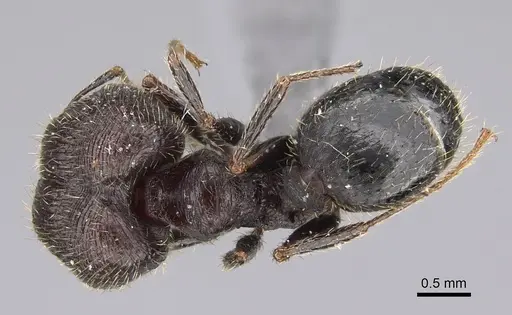
Literature
Loading...Loading products...