

Pheidole multidens
- Scientific Name
- Pheidole multidens
- Tribe
- Attini
- Subfamily
- Myrmicinae
- Author
- Forel, 1902
- Distribution
- Found in 1 countries
Pheidole multidens Overview
Pheidole multidens is an ant species of the genus Pheidole. It is primarily documented in 1 countries , including India. Detailed taxonomic data and occurrence records can be further explored via authoritative databases such as AntWeb or the Global Biodiversity Information Facility (GBIF).
Pheidole multidens
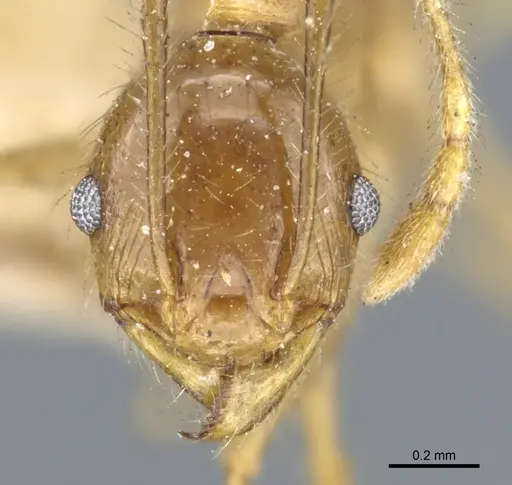
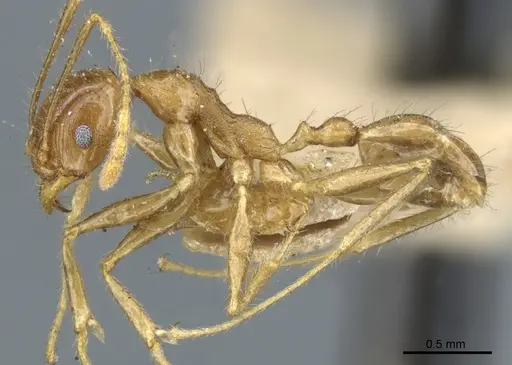
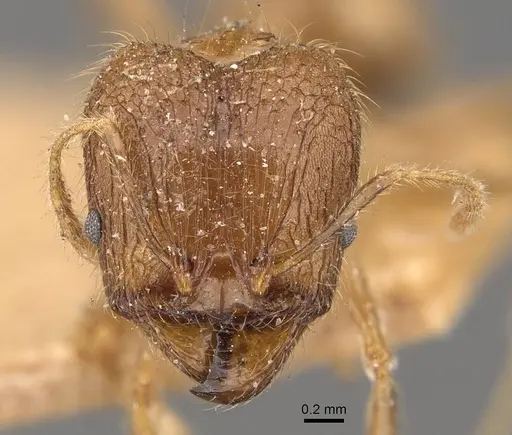
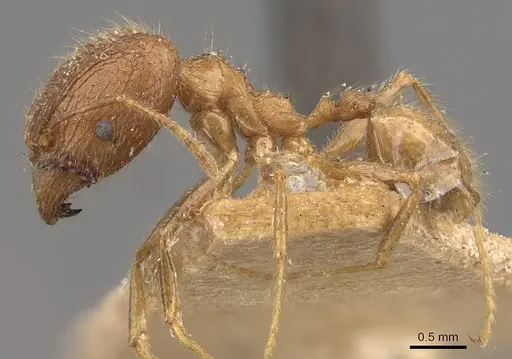
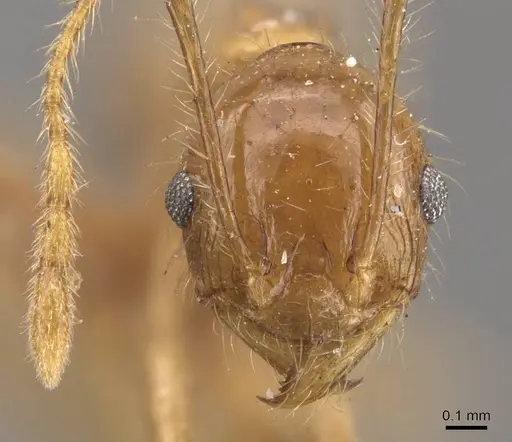
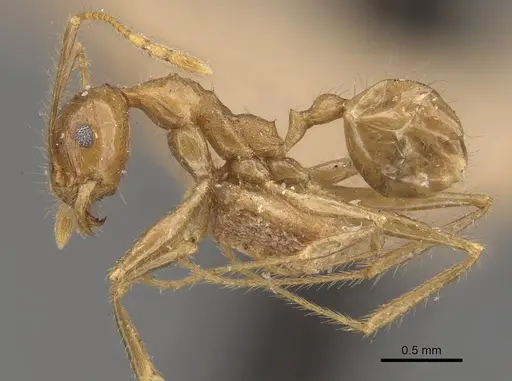
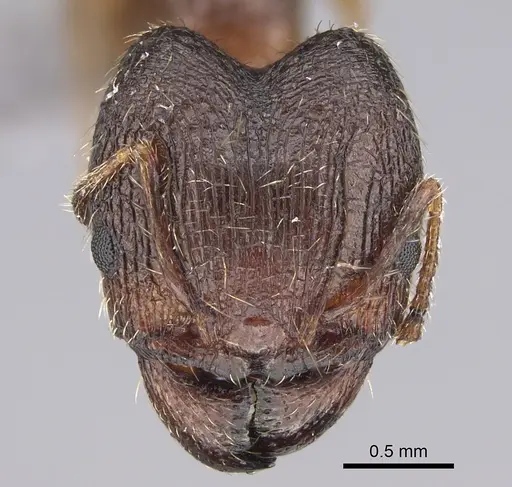
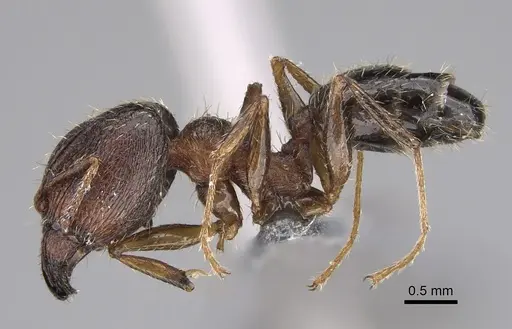
Pheidole multidens is a small species of the ant genus Pheidole, known for its distinctive soldier caste with deeply emarginate occipital margin and fine propodeal spines. Workers measure just 1.6-1.8mm while soldiers are larger at 3.4mm [1]. The species displays a reddish-brown to yellowish-brown coloration depending on caste, with workers showing pale yellow antennae and legs contrasting against darker thorax [1]. This species is native to the Indomalayan region, specifically recorded from India (Karnataka, Maharashtra, Uttar Pradesh, West Bengal) and southern China (Yunnan Province) [1][2]. What makes P. multidens particularly interesting is its highly specialized habitat preference, it is almost exclusively found in rubber plantations and does not occur in primary or secondary forests [3].
Quick Summary
- Difficulty: Easy
- Origin & Habitat: Native to India and southern China (Yunnan), found in tropical and subtropical rubber plantation habitats at elevations around 800m [1][3]. This species is a habitat specialist strongly associated with rubber plantation environments.
- Colony Type: Colony structure is unconfirmed in scientific literature. Based on typical Pheidole genus patterns, likely single-queen colonies (monogyne), but this requires verification.
- Size & Growth:
- Queen: Unconfirmed, estimated 5-7mm based on genus patterns
- Worker: 1.6-1.8mm [1]
- Colony: Likely small to moderate, typical for Pheidole species, estimated 100-500 workers based on genus patterns
- Growth: Moderate, inferred from typical Pheidole development
- Development: 6-10 weeks, estimated based on typical Pheidole genus development at 24-28°C (Development time is estimated as no specific study exists for this species. Pheidole species typically develop from egg to worker in 6-10 weeks under warm conditions.)
- Antkeeping:
- Temperature: Keep at 24-28°C (warm tropical conditions). Based on their Indian/Chinese tropical origin, they prefer warm temperatures. Room temperature (22-25°C) is acceptable, with slight heating if needed.
- Humidity: Moderate humidity around 50-70%. Provide a moist test tube setup with a water reservoir, allowing the nest area to stay slightly damp but not waterlogged. Their natural habitat in rubber plantations suggests they tolerate varied moisture conditions.
- Diapause: Unlikely, being a tropical/subtropical species from India and southern China, they probably do not require a true diapause. However, they may show reduced activity during cooler winter months if your room temperature drops significantly.
- Nesting: Pheidole multidens will readily accept standard setups, test tubes for founding colonies, Y-tong or acrylic nests for established colonies. Their small worker size (1.6-1.8mm) means they need tight-fitting connections and fine mesh barriers to prevent escape. Provide a small outworld for foraging.
- Behavior: Pheidole multidens is a generalist forager that likely collects seeds, small insects, and honeydew like other Pheidole species. The genus is known for its 'major' soldiers (here called 'soldier caste') that help process seeds and defend the colony. They are not particularly aggressive toward keepers but will defend if threatened. Their very small worker size (1.6-1.8mm) means escape prevention is critical, they can squeeze through tiny gaps. Foraging activity is typically moderate, with workers emerging to collect protein and sugar sources.
- Common Issues: escape prevention is critical due to their tiny 1.6-1.8mm worker size, use fine mesh barriers and tight-fitting lids, limited distribution data means exact care requirements are estimated from genus patterns, monitor colony response and adjust, as a habitat specialist from rubber plantations, they may have specific preferences not yet documented in scientific literature, slow founding phase is normal, claustral queens can take months to raise first workers without supplemental feeding, wild-caught colonies may carry parasites or diseases that can cause colony failure in captivity
Housing and Setup
For Pheidole multidens, start with a standard test tube setup for the founding queen. Use a small test tube with a water reservoir plugged with cotton, this provides humidity without flooding. The queen will seal herself in the chamber (claustral founding behavior typical of Pheidole) and live on her stored fat reserves while raising the first workers (nanitics). Once you have 10-20 workers, you can transition to a small formicarium or Y-tong nest. The key requirement is excellent escape prevention, these tiny ants (workers only 1.6-1.8mm) can squeeze through remarkably small gaps. Use fine mesh (0.5mm or smaller) on any ventilation holes, and ensure all connections between the nest and outworld are tight-fitting. A small outworld area works well since this is a relatively small species. [1]
Feeding and Diet
Pheidole multidens is a generalist omnivore like other Pheidole species. Offer protein sources such as small insects (fruit flies, small crickets, mealworms), and provide sugar water, honey, or diluted sugar syrup as an energy source. Pheidole are known seed collectors, so they may also accept small seeds, though this varies by individual colony. Feed protein 2-3 times per week for growing colonies, and keep a constant sugar source available. Remove uneaten protein after 24-48 hours to prevent mold. The soldier caste (majors) in Pheidole help process harder foods like seeds, so your soldiers will assist with food breakdown if you offer larger items.
Temperature and Seasonal Care
As a species from tropical India and southern China (Yunnan), Pheidole multidens prefers warm conditions around 24-28°C. Room temperature in most homes (22-25°C) is acceptable, but you may want to provide a slight heat gradient using a heating cable on one side of the nest. This species likely does not require true hibernation (diapause) due to its tropical origin. However, if your room temperature drops significantly in winter, you may notice reduced activity, this is normal and they will become more active again when warmed. Avoid temperatures below 18°C for extended periods. [3]
Behavior and Colony Dynamics
Pheidole multidens exhibits the typical Pheidole caste system with small workers and larger soldier majors. The soldiers (majors) have distinctive features including a deeply emarginate occipital margin and fine propodeal spines [1]. In the wild, this species is a habitat specialist almost exclusively found in rubber plantations rather than natural forests [3]. This suggests they may prefer more open, disturbed habitats. In captivity, they will establish foraging trails and recruit nestmates to food sources using pheromone trails. The colony will grow gradually, expect 6-12 months from founding to reach 50+ workers under good conditions. Major workers appear as the colony matures and help with food processing and colony defense.
Growth and Development
The development timeline for Pheidole multidens is estimated at 6-10 weeks from egg to first worker at optimal temperature (around 26-28°C), based on typical Pheidole genus patterns. The first workers (nanitics) will be smaller than normal workers. As the colony grows, larger soldier majors will appear, in this species, soldiers measure around 3.4mm compared to worker 1.6-1.8mm [1]. Colony growth is moderate, expect several months before you see significant numbers. The key to successful founding is patience, claustral queens do not forage during the founding phase and rely entirely on stored energy reserves. Do not disturb the queen during this period or attempt to feed her.
Frequently Asked Questions
How long does it take for Pheidole multidens to raise first workers?
Based on typical Pheidole development, expect 6-10 weeks from egg to first worker at warm temperatures (26-28°C). The claustral queen will seal herself in and raise the first brood without foraging. Be patient, disturbing the queen during founding can cause colony failure.
What size colony does Pheidole multidens reach?
Pheidole multidens is a relatively small species. Workers are only 1.6-1.8mm and soldiers are around 3.4mm. Based on typical Pheidole patterns, mature colonies likely reach 100-500 workers, though this is an estimate as specific colony size data is not documented.
What temperature do Pheidole multidens need?
Keep them warm at 24-28°C. Being from tropical India and southern China, they prefer warm conditions. Room temperature (22-25°C) is acceptable, and you can provide a slight heat gradient using a heating cable on part of the nest.
Can I keep multiple Pheidole multidens queens together?
Not recommended. There is no documented evidence for pleometrosis (multiple queen founding) in this species, and combining unrelated queens typically leads to fighting. Start with a single queen for best success.
Why are my Pheidole multidens escaping?
Their tiny worker size (1.6-1.8mm) makes them excellent escape artists. You need fine mesh (0.5mm or smaller) on all ventilation, tight-fitting lids, and sealed connections between nest and outworld. Check for any tiny gaps they could squeeze through.
Do Pheidole multidens need hibernation?
Probably not. As a tropical/subtropical species from India and Yunnan, China, they likely do not require a true diapause. They may show reduced activity in cooler temperatures, but a full hibernation period is not necessary.
What do Pheidole multidens eat?
They are generalist omnivores. Offer small insects (fruit flies, small crickets, mealworms) for protein, and provide constant sugar sources (sugar water, honey). They may also accept small seeds. Feed protein 2-3 times per week and keep sugar water available at all times.
Is Pheidole multidens good for beginners?
Yes, this species is rated as Easy difficulty. They are forgiving of minor care mistakes, don't require hibernation, and are generally hardy. The main challenge is their tiny size requiring good escape prevention. If you can manage that, they are suitable for beginners.
When should I move Pheidole multidens to a formicarium?
Wait until you have at least 20-30 workers and the test tube setup shows condensation has dried out or the nest area is becoming dirty. A Y-tong or acrylic nest with small chambers works well for this small species. Transition gradually by connecting the formicarium to the test tube and allowing the ants to move on their own.
References

This caresheet is licensed under CC BY-SA 4.0 .
CASENT0904274
View on AntWeb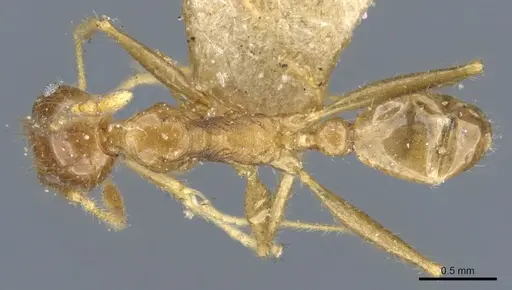
CASENT0907928
View on AntWeb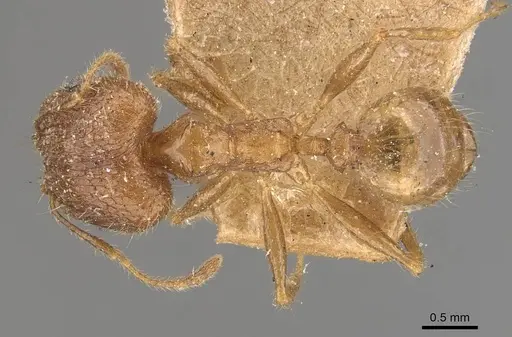
CASENT0907929
View on AntWeb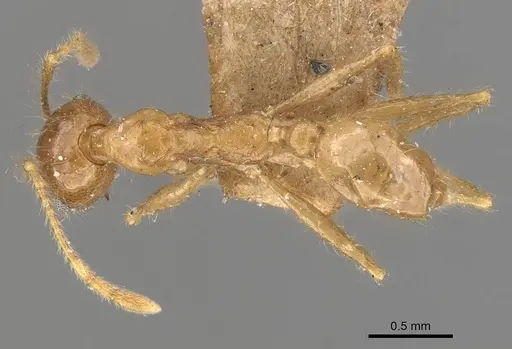
CASENT0923330
View on AntWeb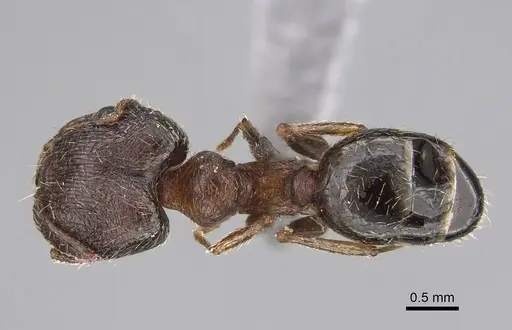
Literature
Loading...Loading products...