

Pheidole moerens
- Scientific Name
- Pheidole moerens
- Tribe
- Attini
- Subfamily
- Myrmicinae
- Author
- Wheeler, 1908
- Common Name
- Big-headed Ant
- Distribution
- Found in 7 countries
Pheidole moerens Overview
Pheidole moerens (commonly known as the Big-headed Ant) is an ant species of the genus Pheidole. It is primarily documented in 7 countries , including Anguilla, Dominican Republic, Haiti. Detailed taxonomic data and occurrence records can be further explored via authoritative databases such as AntWeb or the Global Biodiversity Information Facility (GBIF).
Pheidole moerens - "Big-headed Ant"
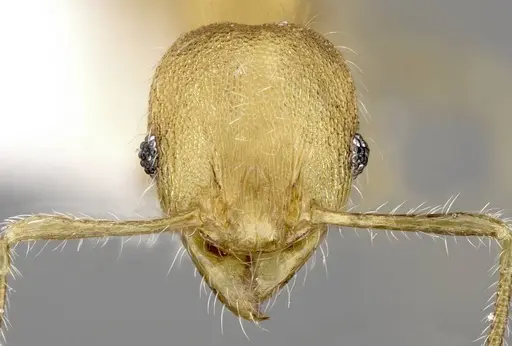
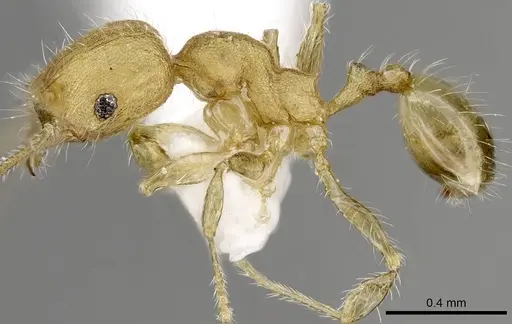
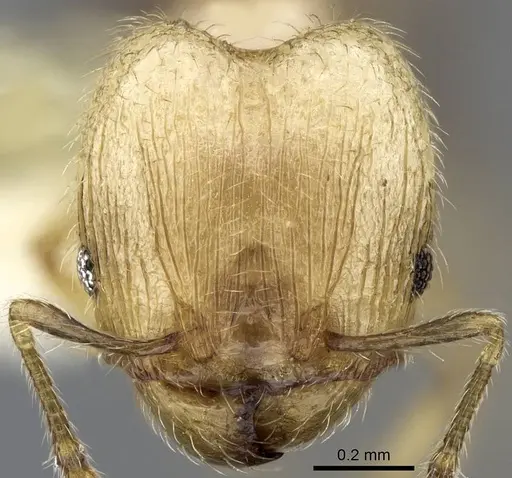
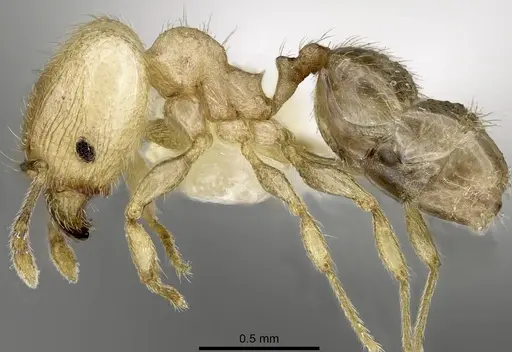
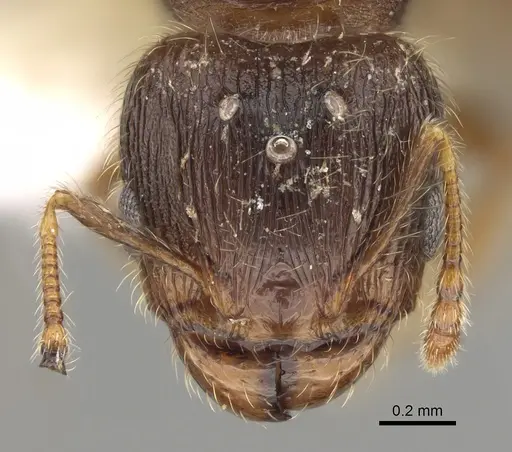
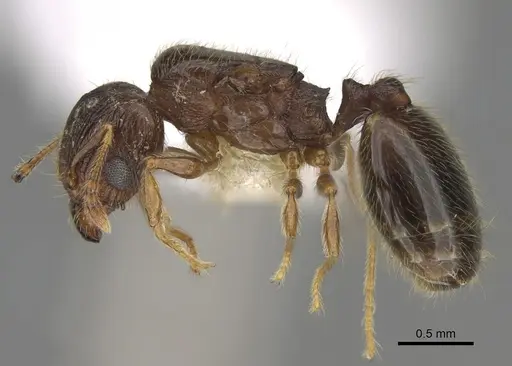
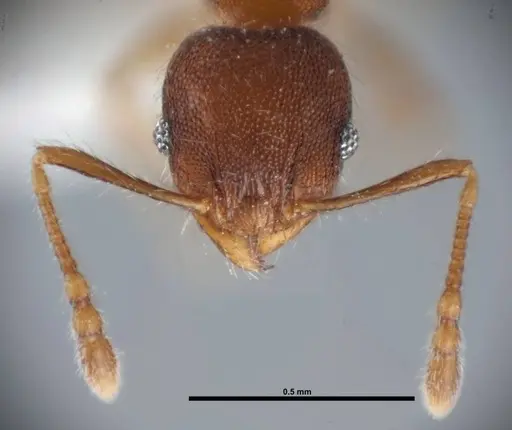
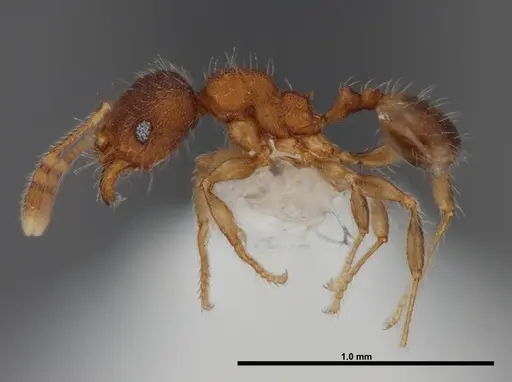
Pheidole moerens is a small dimorphic ant species native to the Greater Antilles (Puerto Rico, Hispaniola) that has spread to the southeastern United States and Hawaii. The genus name 'Pheidole' means 'fat-loving' in Greek, referring to their habit of storing food. Workers come in two sizes: minor workers are tiny at 1.5-1.75mm and major workers (soldiers) are slightly larger at 2.5-2.75mm with the characteristic large, square heads that make Pheidole so recognizable [1][2]. Their color varies from reddish yellow to almost black depending on diet, colonies fed only honey and seeds stay lighter, while those fed insects develop darker coloration [3].
This species is a classic example of a successful invader. It likely arrived in Florida and other areas through the commercial plant trade, nesting in potted plants and soil [4]. Once established, it spreads rapidly, in Florida it's now common throughout the state and may be partially displacing native Pheidole species like P. dentigula and P. floridana [3]. Despite being an introduced species in the US, it remains non-aggressive toward humans and has no pest status.
Quick Summary
- Difficulty: Easy
- Origin & Habitat: Native to the Greater Antilles (Puerto Rico, Hispaniola), introduced to southeastern US (Florida, Alabama, Texas, Louisiana, Mississippi, North Carolina) and Hawaii. Found in diverse habitats from dry forest to rainforest, coffee plantations, and urban areas [3][5][4].
- Colony Type: Monogyne (single-queen colonies). Multiple queens may start founding a nest together, but the dominant queen kills the others before the first brood emerges [3].
- Colony: Monogyne
- Founding: Claustral, Pleometrosis
- Size & Growth:
- Queen: Small, approximately 4-5mm (estimated from genus patterns)
- Worker: Minor workers: 1.5-1.75mm, Major workers: 2.5-2.75mm [1][2]
- Colony: 500-1,000 workers, with somewhat fewer than 20% being majors [3][5]
- Growth: Fast, produces large numbers of sexuals throughout spring and summer and can increase nest density nearly twofold in two years [6]
- Development: 6-10 weeks (estimated based on typical Pheidole development) (Development time is inferred from related Pheidole species, direct measurements for P. moerens are not available)
- Antkeeping:
- Temperature: Keep at room temperature (20-26°C). This is a tropical/subtropical species that tolerates warm conditions well, in their native range average temperatures are 24-28°C year-round. No heating needed in most homes unless your room runs cold.
- Humidity: Moderate humidity (50-70%). They nest in decaying wood, under stones, and in soil, keep the nest substrate slightly moist but not waterlogged. Provide a water tube at all times.
- Diapause: No, being tropical/subtropical, they do not require hibernation. However, they may slow down slightly in cooler winter months if your home is cold.
- Nesting: Opportunistic nesters, in captivity they do well in test tubes, Y-tong nests, or plaster nests. They prefer tight chambers and narrow passages. Provide some substrate material (soil, sand, or debris) for them to build chambers in. Can also use naturalistic setups with flat stones or rotting wood pieces.
- Behavior: Generally calm and non-aggressive toward keepers. Minor workers forage for food while major workers stay near the nest and help process larger prey. They are dimorphic, majors have large heads used for cracking seeds and cutting up insects. They are not known for stinging and pose no danger to humans. Foraging is primarily nocturnal in warm weather. They are excellent escape artists due to their small size, use fine mesh barriers and tight-fitting lids.
- Common Issues: escape prevention is critical, they are tiny and can squeeze through the smallest gaps, colonies may fail if kept too dry, they prefer slightly moist nest conditions, majors are not true soldiers, they help process food but won't defend aggressively, wild-caught colonies may have parasites that kill them in captivity, color variation in lab colonies is normal, diet affects pigmentation
Housing and Nest Setup
Pheidole moerens is flexible about housing, they'll do well in most standard setups. Test tubes work great for founding colonies: fill one-third with water, plug with cotton, and the queen will seal herself in the dry end. For growing colonies, Y-tong (acrylic) nests or plaster nests work well. They prefer tight chambers scaled to their tiny size, avoid large, open spaces. Add a layer of substrate (sand, soil, or debris) if you want them to dig chambers. Keep the outworld simple: a small dish for protein, a cotton ball with sugar water, and a water tube. Because they're so small, use fine mesh on any ventilation holes and apply fluon or vaseline to barrier zones. [5][3]
Feeding and Diet
In the wild, P. moerens eats both seeds and insects, they are generalist foragers that hunt small arthropods and scavenge. In captivity, offer a varied diet: protein sources like small crickets, fruit flies, mealworms, or frozen bloodworms 2-3 times per week, sugar sources like sugar water, honey, or diluted maple syrup constantly available, and seeds (millet, chia, flax) as an optional extra. They are not picky eaters and will readily take most offered foods. Remove uneaten protein after 24-48 hours to prevent mold. Their small size means even tiny prey items are suitable, flightless fruit flies are perfect. [3][5][6]
Temperature and Seasonal Care
Being from the Caribbean and southeastern US, P. moerens prefers warm conditions. Room temperature (20-26°C / 68-78°F) is ideal, they can handle warmer but not cold. If your home runs cool in winter, a heating cable on one side of the nest can help. They do not require hibernation or diapause, this is a year-round active species. However, they may slow slightly in cooler months. In their native Puerto Rico range, temperatures stay consistently warm (24-28°C year-round), so they are not adapted to cold. Watch for workers clustering near heat sources, this indicates they want it warmer. [1][2]
Understanding Their Dimorphic Workers
One of the most interesting things about Pheidole is their worker polymorphism. Minor workers (1.5-1.75mm) do most of the foraging and brood care. Major workers (2.5-2.75mm) have the iconic large, square heads that give the genus its 'big-headed ant' common name. Majors don't fight, their heads are adapted for processing food, not defense. They crack open seeds and cut up larger insects for the minors to carry. In your colony, you'll see majors staying closer to the nest while minors run the show outside. About 20% of a mature colony will be majors, this ratio stays fairly stable as the colony grows. [1][2][3]
Colony Growth Timeline
A founding queen will lay her first eggs within a week or two of mating. She seals herself in a chamber and does not leave to forage, this is claustral founding, where she lives entirely on stored fat reserves. Eggs hatch into larvae in about 2 weeks, then pupate. First workers (nanitics) emerge 6-10 weeks after founding, smaller than normal workers but immediately able to care for the next brood and forage. After that, growth accelerates, a healthy colony can reach 100+ workers in 6 months and 500+ in a year or two. They produce sexuals (new queens and males) in spring and summer, so you'll see winged reproductives before nuptial flights. [6][5][3]
Frequently Asked Questions
How long does it take for Pheidole moerens to have first workers?
Expect first workers (nanitics) in 6-10 weeks after the queen lays her eggs. This is typical for Pheidole species at room temperature. The exact timing depends on temperature, warmer (around 24-26°C) speeds development, while cooler temperatures slow it down.
Can I keep multiple Pheidole moerens queens together?
No, this is a monogyne species with a single queen per colony. While multiple queens may initially found a nest together in the wild, the dominant queen kills the others before the first brood emerges. In captivity, combining unrelated queens will likely result in fighting.
What do Pheidole moerens eat?
They are generalist feeders eating seeds and insects. In captivity, offer protein (small crickets, fruit flies, mealworms) 2-3 times per week and keep sugar water or honey available constantly. They will also accept seeds as enrichment.
How big do Pheidole moerens colonies get?
Mature colonies reach 500-1,000 workers, with roughly 20% being major workers (the big-headed soldiers). This is a moderately large colony size for a small ant species.
Are Pheidole moerens good for beginners?
Yes, they are easy to care for, tolerate a range of conditions, don't sting, and are widely available. Their small size and fast growth make them rewarding first ants. Just be careful about escape prevention since they are tiny.
Do Pheidole moerens need hibernation?
No, being tropical/subtropical, they do not require hibernation. They remain active year-round at room temperature. You may see slightly reduced activity in winter if your home is cooler, but no special winter care is needed.
Why are my ants different colors?
This is normal! P. moerens color varies from reddish yellow to almost black depending on diet. Colonies fed only honey and seeds stay lighter, while those fed insects develop darker coloration. This variation has been observed in lab colonies and is not a cause for concern.
References

This caresheet is licensed under CC BY-SA 4.0 .
ANTWEB1008489
View on AntWeb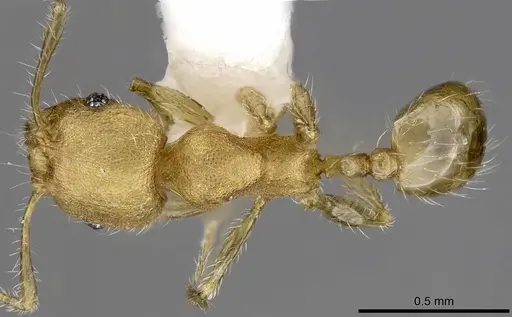
ANTWEB1008490
View on AntWeb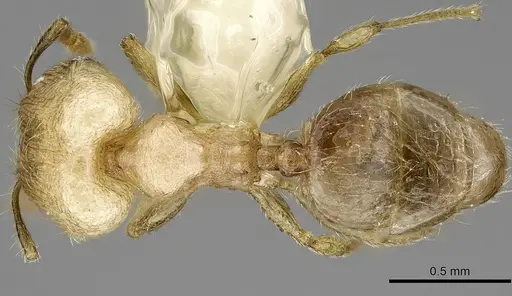
CASENT0862460
View on AntWeb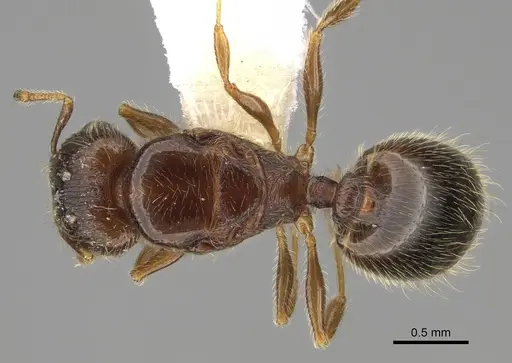
FMNHINS0000078506
View on AntWeb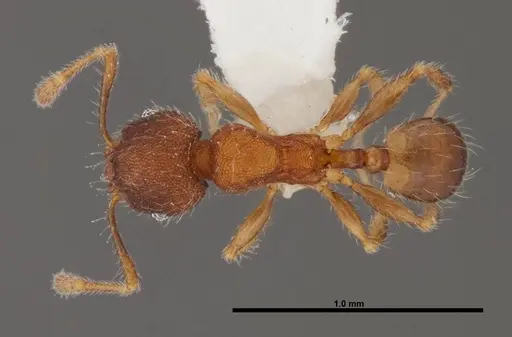
Literature
Loading...Loading products...