

Pheidole mjobergi
- Scientific Name
- Pheidole mjobergi
- Tribe
- Attini
- Subfamily
- Myrmicinae
- Author
- Forel, 1915
- Distribution
- Found in 1 countries
Pheidole mjobergi Overview
Pheidole mjobergi is an ant species of the genus Pheidole. It is primarily documented in 1 countries , including Australia. Detailed taxonomic data and occurrence records can be further explored via authoritative databases such as AntWeb or the Global Biodiversity Information Facility (GBIF).
Pheidole mjobergi
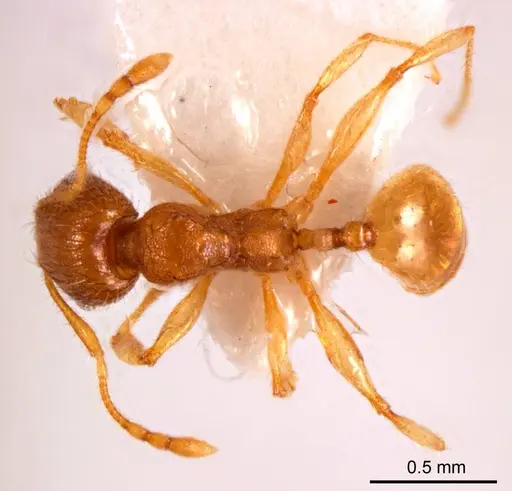
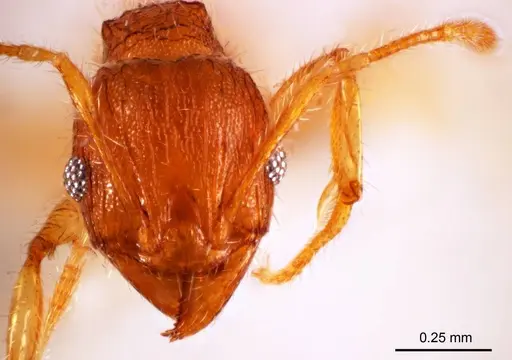
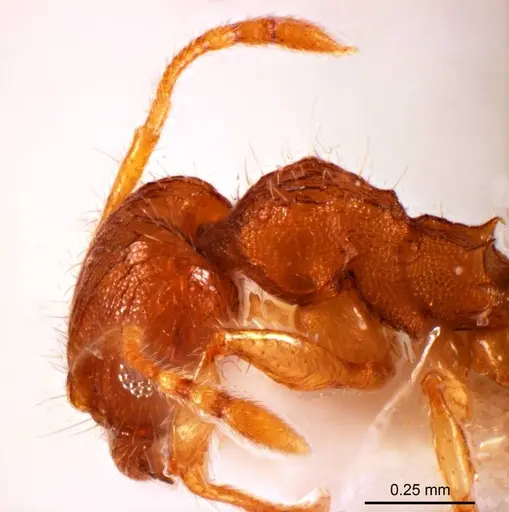
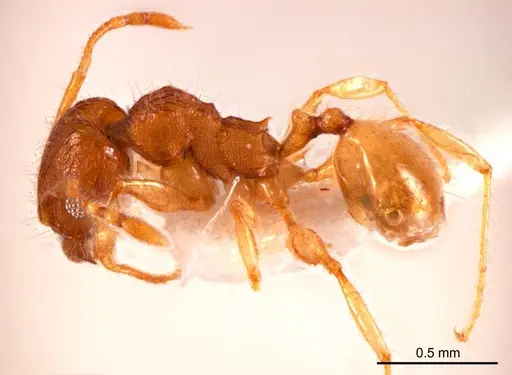
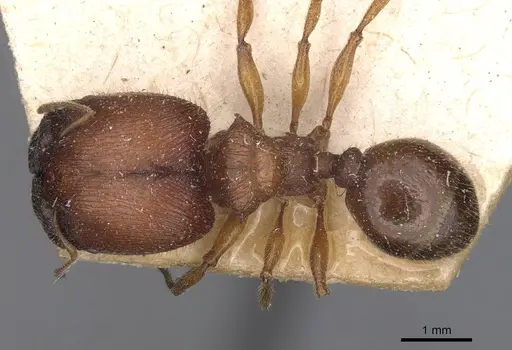
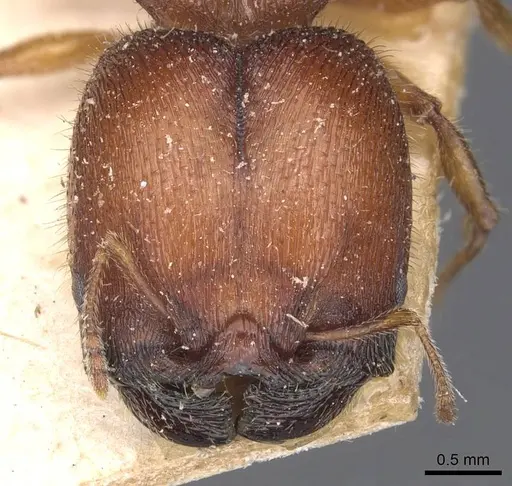
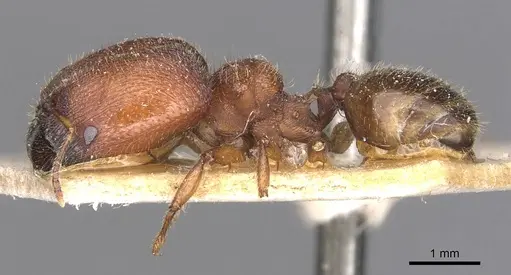
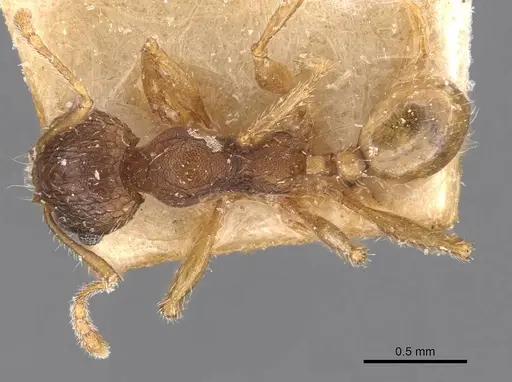
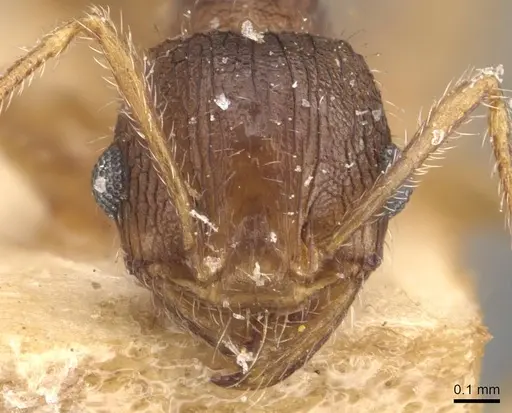
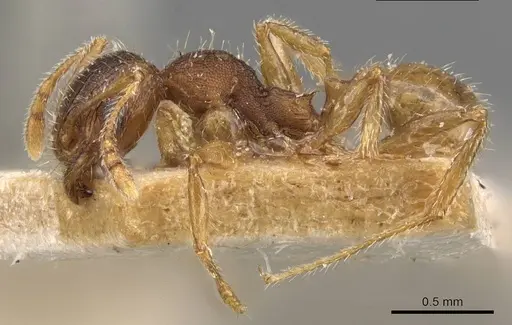
Pheidole mjobergi is an Australian big-headed ant species known for having two distinct worker castes: small minor workers and large major workers (soldiers) with enlarged heads [1]. This larger Pheidole species has minor workers with a head width around 0.6mm and notably long antennal scapes that extend well past the vertex of the head [1]. The species was described by Forel in 1915 and is found across Western Australia, particularly in the Pilbara bioregion and surrounding areas [2]. These ants are a major group in the monsoonal region of northern Australia [3] and have been successfully DNA barcoded for identification purposes [4].
Quick Summary
- Difficulty: Medium
- Origin & Habitat: Western Australia, specifically the Pilbara bioregion and Barrow Island. They inhabit arid to semi-arid Australian landscapes, including monsoonal regions and disturbed areas [3][5][2].
- Colony Type: Likely single-queen colonies (monogyne), which is typical for most Pheidole species. This has not been directly studied for this specific species.
- Colony: Monogyne
- Founding: Claustral
- Size & Growth:
- Queen: Estimated 7-9mm based on typical Pheidole queen size ranges
- Worker: Minor workers ~0.6mm head width [1], major workers significantly larger with enlarged heads
- Colony: Estimated several hundred workers based on typical Pheidole colony sizes
- Growth: Moderate, Pheidole colonies grow steadily but not rapidly
- Development: Estimated 6-8 weeks at optimal temperature based on genus-level data for Pheidole species (Development time is inferred from related Pheidole species, actual timing for this specific species has not been documented)
- Antkeeping:
- Temperature: Keep at 24-28°C. Australian species from warm arid regions typically tolerate higher temperatures. Provide a slight temperature gradient so ants can choose their preferred zone.
- Humidity: Low to moderate. These ants come from arid to semi-arid Australian habitats. Keep nest substrate moderately dry to slightly moist, avoid overly damp conditions. Provide a water source via test tube but don't saturate the nest.
- Diapause: Not confirmed for this species. Western Australian ants may experience reduced activity during cooler winter months. Consider a slight cooling period (15-18°C) for 2-3 months if the colony shows reduced activity in winter.
- Nesting: Pheidole mjobergi likely nests in soil or under stones in the wild. In captivity, they do well in test tube setups for founding colonies, then transition to Y-tong nests or naturalistic setups with soil substrate. Provide narrow chambers as they prefer enclosed spaces.
- Behavior: Pheidole species are generally non-aggressive but will defend their nest. Major workers serve as soldiers and defenders, while minor workers handle foraging and brood care. They are active foragers and will collect seeds, insects, and honeydew. Escape risk is moderate, their larger size compared to many Myrmicinae makes them easier to contain, but ensure your setup has no gaps. They are not known to be particularly aggressive toward keepers.
- Common Issues: colonies may stagnate if temperatures are too cool, maintain warmth for active growth, overwatering can cause mold problems and colony decline given their arid origin, majors may appear alarming to new keepers but are normal and serve defensive purposes, slow initial growth during founding phase is normal, patience is required, wild-caught colonies may carry parasites that can devastate captive colonies
Housing and Nest Setup
For founding colonies, a simple test tube setup works well. Fill a test tube with water and plug the end with cotton, this provides humidity without flooding. Place the queen in a dark, quiet location and avoid disturbing her during the founding phase. Once the colony reaches 20-30 workers, you can transition to a more elaborate setup. Y-tong (acrylic) nests work well for Pheidole because they provide the dark, enclosed chambers these ants prefer. You can also use naturalistic setups with soil or sand substrate. Avoid tall, open spaces, Pheidole feel safest in compact, tight-fitting chambers.
Feeding and Diet
Pheidole mjobergi is likely an omnivorous species typical of the genus. They probably accept protein sources like small insects (fruit flies, small crickets, mealworms) and carbohydrate sources like sugar water, honey, or honeydew. In the wild, Pheidole species often collect seeds and tend aphids for honeydew. Feed protein prey 2-3 times per week, and keep a constant sugar water or honey source available. Remove uneaten prey after 24 hours to prevent mold. Major workers will often process larger prey items for the colony.
Temperature and Heating
Maintain temperatures between 24-28°C for optimal colony growth. These Australian ants prefer warm conditions and will be more active at higher temperatures. You can use a heating cable or heating mat on one side of the nest to create a temperature gradient. Place the heating element on top of the nest, not underneath, to avoid evaporating water too quickly. Room temperature (around 22-24°C) is acceptable if your home is warm, but you may see faster growth with slight additional warmth. Avoid temperatures below 20°C for extended periods as this can slow or stop brood development.
Colony Development and Growth
Pheidole colonies start slowly, the queen will lay eggs, and she alone tends the brood until the first workers (nanitics) emerge. This founding phase can take 6-8 weeks at warm temperatures. Once the first nanitics emerge, the colony typically grows more steadily as workers take over brood care and foraging. Major workers (soldiers) appear as the colony matures, usually when the colony reaches several dozen workers. The presence of majors is a sign of a healthy, growing colony. Expect moderate growth rates, these are not among the fastest-growing ants, but they are steady and reliable.
Behavior and Defense
Pheidole mjobergi has typical Pheidole behavior, they are not overly aggressive but will defend their nest vigorously if threatened. Major workers serve as the colony's defenders, using their enlarged heads to block nest entrances and bite intruders. Minor workers handle most of the foraging, brood care, and other daily tasks. When you feed the colony, you'll see minors carrying food items back to the nest while majors may stand guard. This species is not known to sting, and their bite is mild. They are active foragers and will readily explore their outworld for food.
Frequently Asked Questions
How long does it take for Pheidole mjobergi to have first workers?
Expect first workers (nanitics) around 6-8 weeks after the queen lays eggs, assuming temperatures around 24-28°C. This is typical for Pheidole species. The queen will be alone during this time, so be patient and avoid disturbing her.
What do Pheidole mjobergi ants eat?
They are omnivorous. Feed small protein sources like fruit flies, small crickets, or mealworms 2-3 times per week. Provide a constant carbohydrate source like sugar water or honey. They will also collect honeydew if you offer aphid-infested plants.
Are Pheidole mjobergi good for beginners?
They are moderate difficulty, more forgiving than some species but not the easiest. Their Australian origin means they need warm temperatures, and their moderate growth rate requires patience. They are rewarding once established.
How big do Pheidole mjobergi colonies get?
Based on typical Pheidole colony sizes, expect several hundred workers at maturity. The exact maximum is unknown for this species, but colonies will grow substantially larger than founding size over 1-2 years.
What temperature do Pheidole mjobergi need?
Keep them warm at 24-28°C. This Australian species prefers temperatures on the warmer side. A heating cable on one side of the nest creates a gradient they can regulate themselves.
Can I keep multiple Pheidole mjobergi queens together?
Pheidole are typically single-queen colonies (monogyne). Combining unrelated queens is not recommended as they likely will fight. Only one queen per colony.
Do Pheidole mjobergi need hibernation?
Not confirmed for this species. Western Australia's climate is warm for most of the year, so a true hibernation may not be necessary. However, you can provide a slight cooling period (15-18°C) for 2-3 months in winter if the colony shows reduced activity.
When should I move Pheidole mjobergi to a formicarium?
Keep them in a test tube setup until the colony reaches at least 20-30 workers. Moving too early can stress the colony. Once they have established workers and you see the test tube becoming crowded, transition to a Y-tong or naturalistic setup.
Why are my Pheidole mjobergi dying?
Common causes include: temperatures too cool (below 20°C), overwatering causing mold, disturbance during founding phase, or parasites from wild-caught colonies. Check that your setup matches their warm, moderately dry preferences. If the colony was wild-caught, parasites are a common issue.
References

This caresheet is licensed under CC BY-SA 4.0 .
Literature
Loading...Loading products...