

Pheidole mixteca
- Scientific Name
- Pheidole mixteca
- Tribe
- Attini
- Subfamily
- Myrmicinae
- Author
- Wilson, 2003
- Distribution
- Found in 1 countries
Pheidole mixteca Overview
Pheidole mixteca is an ant species of the genus Pheidole. It is primarily documented in 1 countries , including Mexico. Detailed taxonomic data and occurrence records can be further explored via authoritative databases such as AntWeb or the Global Biodiversity Information Facility (GBIF).
Pheidole mixteca
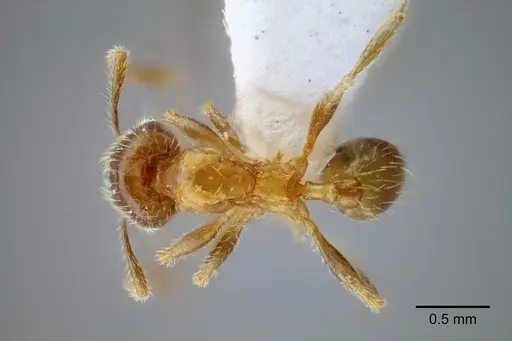
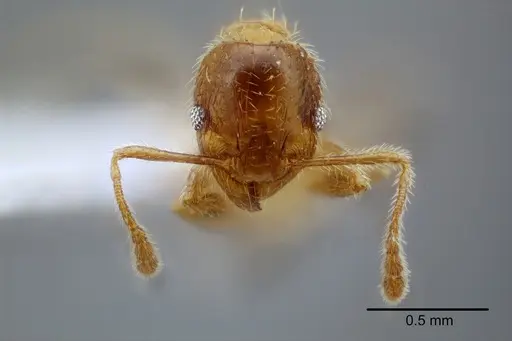
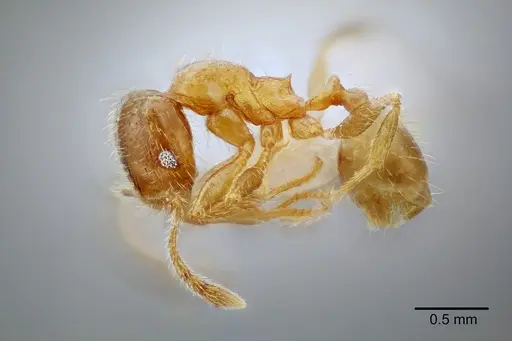
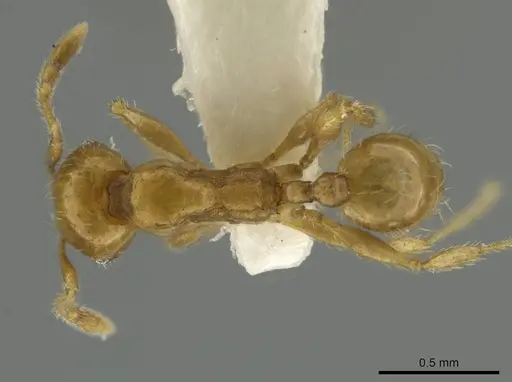
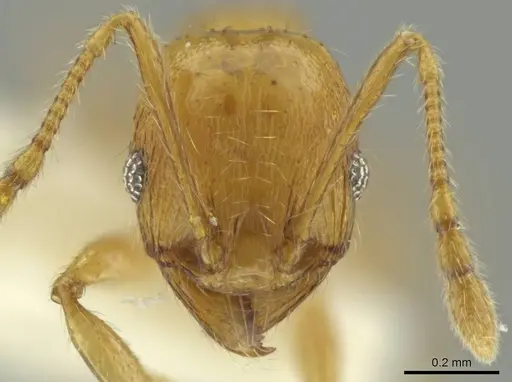
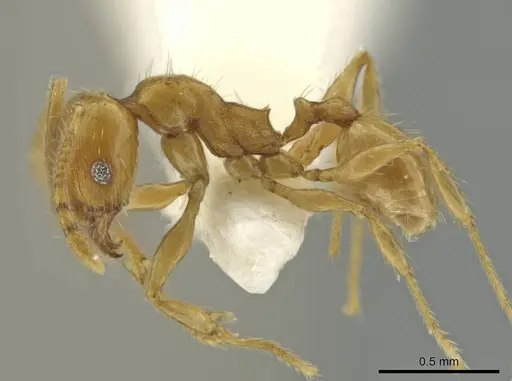
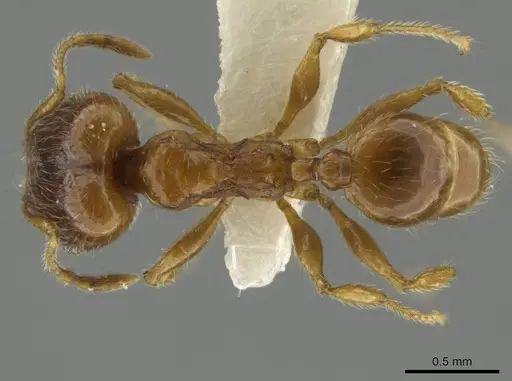
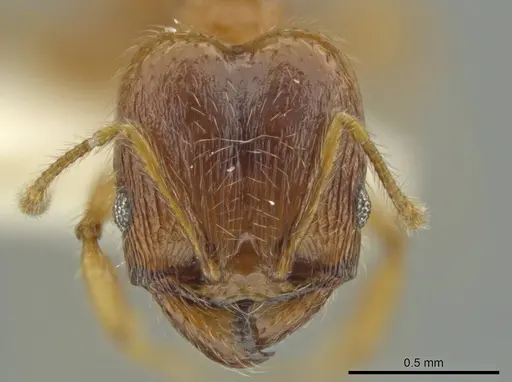
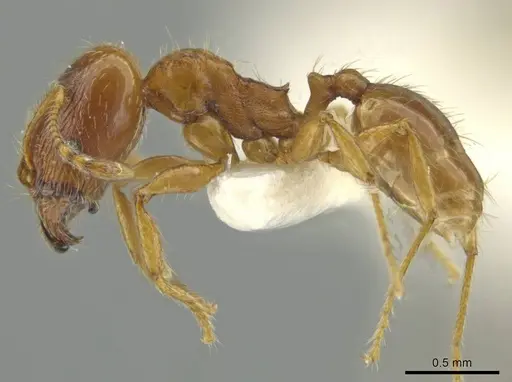
Pheidole mixteca is a tiny Neotropical ant endemic to Mexico, first described by E.O. Wilson in 2003. The species is known only from the states of Oaxaca and Puebla, where it inhabits oak woodland environments at elevations ranging from 650 to over 2,000 meters. Major workers have a distinctive yellow coloration with reddish-yellow heads and mandibles, while the gaster is brownish yellow. The major workers possess the characteristic enlarged heads typical of Pheidole species, used for seed-crushing, though this species is quite small with major workers measuring only about 0.90mm in head width. Minor workers are considerably smaller at 0.46mm head width and have notably bulging frontal lobes. This species was collected from leaf litter, indicating it nests in shaded, humid microhabitats on the forest floor.
Quick Summary
- Difficulty: Medium
- Origin & Habitat: Endemic to Mexico, specifically found in Oaxaca and Puebla states. Collected from leaf litter in oak woodland at elevations between 650m and 2,272m [1][2].
- Colony Type: Colony structure is unconfirmed. Based on typical Pheidole patterns, likely polygynous (multiple queens) with major and minor worker castes.
- Founding: Claustral
- Size & Growth:
- Queen: Undescribed in original description, estimated 5-7mm based on genus patterns
- Worker: Major: 0.90mm HW, Minor: 0.46mm HW [1]
- Colony: Unknown, likely under 500 workers based on small colony sizes typical of leaf-litter Pheidole species
- Growth: Unknown, estimated Moderate based on genus patterns
- Development: 6-10 weeks (estimated based on similar Pheidole species) (Development timeline is unconfirmed for this species. Estimates based on typical Pheidole genus development at warm temperatures.)
- Antkeeping:
- Temperature: Based on Mexican highland oak woodland habitat, aim for 20-26°C with a gentle gradient. Avoid extremes, they come from moderate elevations with stable conditions.
- Humidity: High humidity required. Oak woodland leaf litter suggests 60-80% relative humidity with consistently moist substrate. Mist regularly and provide a water tube.
- Diapause: Unknown, Mexican highland species may have reduced activity during cooler months but full hibernation is unlikely at their elevation range.
- Nesting: Natural nesting occurs in leaf litter and soil. In captivity, a naturalistic setup with moist substrate (soil/peat mix) works well, or a Y-tong/plaster nest with small chambers scaled to their tiny size. Keep the nest area humid and shaded.
- Behavior: This species is likely docile and non-aggressive, typical of leaf-litter Pheidole. Major workers use their enlarged heads for seed-crushing. Foraging likely occurs along trails in the leaf litter layer. Escape prevention is critical, their very small size (under 1mm for majors) means they can squeeze through standard mesh. Use fine mesh barriers and tight-fitting lids.
- Common Issues: escape prevention is critical due to tiny worker size, standard mesh will not contain them, high humidity requirements can lead to mold if ventilation is poor, biology is largely unknown so care is based on genus inference rather than species-specific research, slow colony growth may frustrate beginners expecting fast development
Nest Preferences
In the wild, Pheidole mixteca nests in leaf litter and soil within oak woodland environments. The original collection was made from leaf litter, indicating they prefer humid, shaded microhabitats on the forest floor. For captive care, a naturalistic setup with a moist soil/peat substrate works well, provide several inches of substrate so they can create chambers and tunnels. Alternatively, a Y-tong (acrylic) nest with small, tight chambers scaled to their tiny size can work. Regardless of nest type, maintain high humidity in the nest area and avoid direct lighting, these ants prefer dim conditions similar to their forest floor habitat. [1][2]
Feeding and Diet
Pheidole species are typically omnivorous with a diet centered on seeds and protein. Major workers have the characteristic enlarged heads used for crushing seeds, so offering small seeds (millet, sesame, cracked poppy seeds) is appropriate. Protein sources should include small insects like fruit flies, pinhead crickets, and mealworm pieces. Sugar water or honey can be offered occasionally, though Pheidole are not as strongly attracted to sugar as some genera. Feed protein 2-3 times per week and keep a constant sugar water source. Remove uneaten food after 24 hours to prevent mold.
Temperature and Care
Based on their collection at Mexican highland oak woodland (650-2,272m elevation), these ants prefer moderate temperatures around 20-26°C. Avoid temperatures above 30°C or below 15°C. A heating cable on one side of the nest can create a temperature gradient, allowing the ants to choose their preferred zone. Room temperature within this range is often sufficient. Unlike temperate species, they likely do not require a true hibernation period, but activity may slow during cooler months. Maintain stable temperatures rather than allowing fluctuations. [1]
Behavior and Temperament
Pheidole mixteca is likely docile and non-aggressive, typical of leaf-litter dwelling Pheidole species. They exhibit the characteristic caste system with major workers (soldiers) having enlarged heads for seed-crushing and minor workers handling most foraging and brood care. Foraging likely occurs along defined trails in the leaf litter layer. The most critical husbandry concern is their tiny size, both major and minor workers are under 1mm, meaning they can escape through standard mesh barriers. Always use fine mesh (0.3mm or smaller) and ensure all enclosures have tight-fitting lids. Despite their small size, they are active foragers and interesting to observe. [1]
Colony Founding
Colony founding behavior has not been directly documented for this species. Based on typical Pheidole genus patterns, the queen likely seals herself in a small chamber (claustral founding) and raises the first brood alone using stored fat reserves. The first workers (nanitics) will be smaller than normal workers. Founding colonies should be kept in a dark, humid location with minimal disturbance. Do not feed the queen during founding, she will survive on her stored reserves until the first workers emerge.
Frequently Asked Questions
How long does it take for Pheidole mixteca to produce first workers?
The exact timeline is unconfirmed for this species. Based on typical Pheidole development, expect 6-10 weeks from egg to first worker at warm temperatures (around 24-26°C). The first workers will be smaller (nanitics) and the colony will grow gradually from there.
What do Pheidole mixteca ants eat?
They are omnivorous like most Pheidole. Offer small seeds (millet, sesame), protein sources (fruit flies, small crickets, mealworm pieces), and occasional sugar water or honey. Feed protein 2-3 times per week with constant sugar water available.
Can I keep Pheidole mixteca in a test tube?
Test tubes can work for founding colonies, but due to their tiny size, escape prevention is critical. Use a test tube with a cotton plug that is packed tightly, and consider adding a fluon barrier. However, a naturalistic setup with moist substrate may be better long-term as they naturally nest in leaf litter.
Are Pheidole mixteca good for beginners?
This species is rated as Medium difficulty. While not the most challenging species, their tiny size and high humidity requirements make them slightly more demanding than common beginner species. Their unknown biology also means you may need to adjust care based on observation rather than exact guidelines.
How big do Pheidole mixteca colonies get?
Colony size is unconfirmed for this species. Based on similar leaf-litter Pheidole species, colonies likely reach a few hundred workers at most, not the massive colonies seen in some Pheidole species.
Do Pheidole mixteca need hibernation?
Hibernation requirements are unknown. Based on their Mexican highland habitat (650-2,272m elevation), they may experience cooler periods but likely do not require a true hibernation. Reducing feeding and activity during winter months is advisable.
Why are my Pheidole mixteca escaping?
Their tiny size (under 1mm) means they can squeeze through standard mesh and gaps. Use fine mesh (0.3mm or smaller), ensure all lids fit tightly, and apply fluon or similar barrier to the upper edges of any enclosure.
What temperature is best for Pheidole mixteca?
Keep them around 20-26°C. Based on their oak woodland habitat at moderate Mexican elevations, they prefer moderate, stable temperatures. Avoid extremes, do not exceed 30°C or let temperatures drop below 15°C.
Can I keep multiple queens together?
Colony structure is unconfirmed for this species. Many Pheidole species are polygynous (multiple queens), but combining unrelated queens has not been documented. It is not recommended to attempt pleometrosis (multiple queen founding) without species-specific research.
References

This caresheet is licensed under CC BY-SA 4.0 .
Literature
Loading...Loading products...