

Pheidole mirabilis
- Scientific Name
- Pheidole mirabilis
- Tribe
- Attini
- Subfamily
- Myrmicinae
- Author
- Wilson, 2003
- Distribution
- Found in 1 countries
Pheidole mirabilis Overview
Pheidole mirabilis is an ant species of the genus Pheidole. It is primarily documented in 1 countries , including Colombia. Detailed taxonomic data and occurrence records can be further explored via authoritative databases such as AntWeb or the Global Biodiversity Information Facility (GBIF).
Pheidole mirabilis
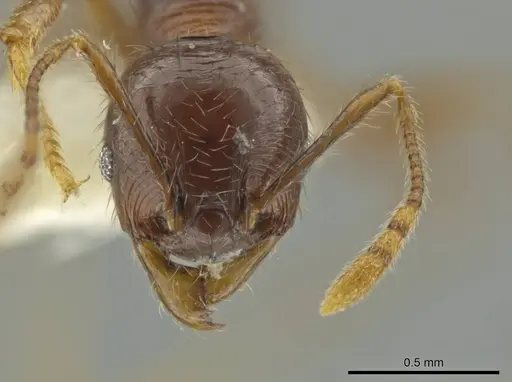
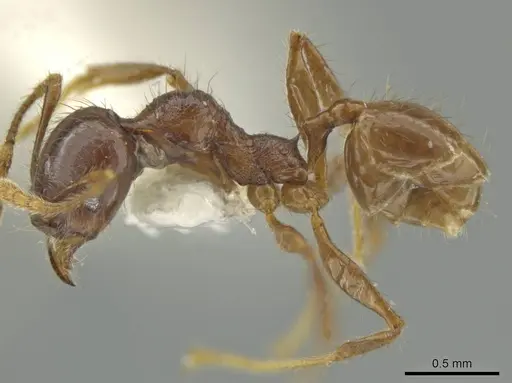
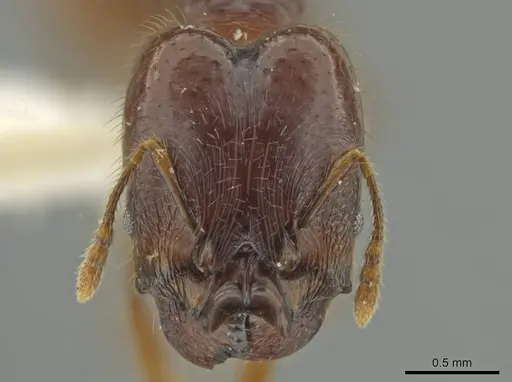
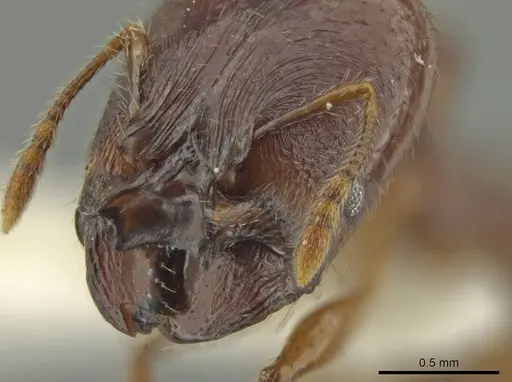
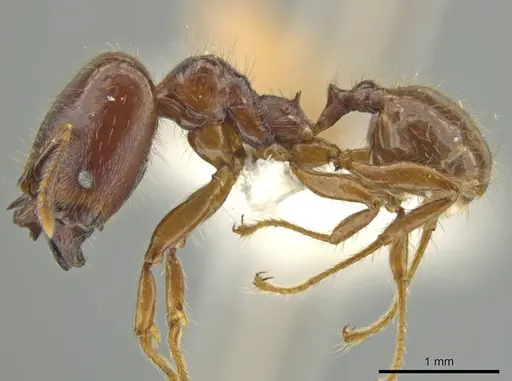
Pheidole mirabilis is a striking ant species native to the montane rainforests of Valle del Cauca, Colombia, found at elevations between 1570-1700 meters. This species is famous for its major workers (soldiers), which have an absolutely unique feature among all known ants, a complex armament on the front of the head including a spike emerging from the clypeus and paired angled processes [1]. Major workers measure about 1.24mm head width, while the smaller minor workers are around 0.64mm [1]. The majors have a medium reddish-brown body with yellowish-brown legs, while minors are plain medium brown with a lighter gaster [1]. A seed cache was discovered in the type colony nest, indicating these ants store seeds as part of their diet [2].
Quick Summary
- Difficulty: Medium
- Origin & Habitat: Montane rainforest in Valle del Cauca, Colombia at 1570-1700m elevation [3][1]
- Colony Type: Likely single-queen colonies based on typical Pheidole genus patterns
- Colony: Monogyne
- Founding: Claustral
- Size & Growth:
- Queen: Unknown, not described in available literature
- Worker: Major: 1.24mm HW, Minor: 0.64mm HW [1]
- Colony: Unknown, no colony size data available
- Growth: Moderate, based on typical Pheidole development patterns
- Development: Estimated 6-8 weeks based on genus-level data for Pheidole species (Direct development data unavailable, estimate based on related species in the genus)
- Antkeeping:
- Temperature: Keep at 22-26°C, the montane habitat suggests they prefer cooler conditions than typical tropical ants. A gentle gradient allowing workers to choose their preferred temperature is ideal.
- Humidity: High humidity (70-85%) matching their montane rainforest origin. Keep the nest substrate consistently moist but not waterlogged.
- Diapause: Unknown, no specific data on overwintering requirements. The high-elevation origin suggests they may tolerate or even benefit from cooler periods.
- Nesting: Y-tong (acrylic) nests work well for this species. The small minor workers require tight chambers and fine escape prevention. Naturalistic setups with moist substrate also suitable given their seed-caching behavior.
- Behavior: These ants are defensive, with major workers equipped with their unique head armament likely used for colony defense. They are seed-storing species (granivorous) based on the discovered seed cache, but also likely accept protein from small insects. Minor workers are very small (0.64mm) making escape prevention critical. Foraging activity is moderate, they will likely send out recruitment trails to food sources.
- Common Issues: escape prevention is critical, minor workers are tiny and can squeeze through standard barriers, limited data means care recommendations are partly estimated from genus patterns, growth rate may be slow, patience required during founding stage, high humidity needs can lead to mold if ventilation is inadequate, wild-caught colonies may carry parasites that affect captivity
Housing and Nest Setup
Pheidole mirabilis requires careful housing due to the small size of their minor workers. A Y-tong (acrylic) nest with narrow chambers works well, the tight passages prevent escapes while allowing the colony to move freely between chambers. Alternatively, a naturalistic setup with moist soil substrate mimics their natural montane forest floor habitat and accommodates their seed-storing behavior. Regardless of nest type, escape prevention must be excellent, these tiny ants can slip through gaps that seem impossibly small. Apply Fluon or similar barrier to all edges and use fine mesh on any ventilation openings. A test tube setup can work for founding colonies, but be prepared to move them to a more spacious formicarium once the colony reaches 20-30 workers. [1][2]
Feeding and Diet
Based on the seed cache found in their natural nest, Pheidole mirabilis is at least partially granivorous, they collect and store seeds like many Pheidole species. Offer a variety of small seeds suitable for their size (millet, grass seeds, or commercial ant seed mixes). They will also need protein from small insects, fruit flies, small mealworms, or pinhead crickets are appropriate prey items. Sugar sources like honey water or sugar water can be offered occasionally, though seeds likely form the core of their diet. Feed protein sources 2-3 times per week, with seeds available continuously. Remove any uneaten seeds or prey after 48 hours to prevent mold. [2]
Temperature and Humidity
This species comes from montane rainforest in Colombia at 1570-1700m elevation, which means they prefer cooler conditions than typical lowland tropical ants. Aim for temperatures in the 22-26°C range, avoid overheating. A temperature gradient allowing workers to self-regulate is ideal: place a heating cable on one side of the nest at very low setting, or simply keep the colony at room temperature if your home stays in this range. Humidity should be high (70-85%) to match their cloud forest origin. Keep the nest substrate consistently moist but not saturated, the substrate should feel damp to the touch with visible condensation on the nest walls. Mist the outworld occasionally and use a water tube for constant access to free water.
Colony Development and Growth
Pheidole colonies grow in the typical pattern: the claustral queen seals herself in a chamber and raises the first brood (nanitic workers) entirely on her stored fat reserves. Once the first workers emerge, they take over foraging and brood care while the queen focuses on egg-laying. Expect 6-8 weeks from egg to first worker at optimal temperature, though this is estimated from genus-level data since no species-specific development timeline exists. The colony will grow gradually through the nanitic stage, then accelerate as more workers emerge. Major workers (the distinctive armored soldiers) appear once the colony reaches a certain size threshold, this is typical in Pheidole, where majors develop as the colony matures. Be patient during the founding phase, overfeeding or disturbing the nest can cause the queen to abandon or eat her brood.
Behavior and Defense
The most remarkable feature of Pheidole mirabilis is the unique armament on major workers, a complex array of spikes and processes on the front of the head that no other ant species possesses [1]. This likely serves a defensive function, making majors formidable defenders of the colony. When threatened, majors will likely position themselves at nest entrances or along foraging trails. Minor workers are small and numerous, handling most routine foraging and brood care. Expect moderate foraging activity with potential recruitment trails, when a major food source is found, workers will recruit nestmates. The colony will establish defined foraging routes and defend them against competitors.
Frequently Asked Questions
How long does it take for Pheidole mirabilis to produce first workers?
Based on typical Pheidole development, expect 6-8 weeks from egg to first worker at optimal temperature (22-26°C). This is an estimate since no species-specific development data exists.
What do Pheidole mirabilis ants eat?
They are seed-storing ants with a granivorous tendency, offer small seeds like millet or grass seeds. They also need protein from small insects like fruit flies or small mealworms. Occasional sugar water can be offered but is not required.
Are Pheidole mirabilis good for beginners?
This species is rated Medium difficulty. While not the hardest species, the limited available care data and small worker size make escape prevention challenging. Some ant-keeping experience is helpful.
What temperature should I keep Pheidole mirabilis at?
Keep them at 22-26°C. Their montane rainforest origin means they prefer cooler conditions than typical tropical ants, avoid temperatures above 28°C.
How big do Pheidole mirabilis colonies get?
Colony size data is not available for this species. Based on typical Pheidole patterns, colonies likely reach several hundred to a few thousand workers over time.
Do I need to hibernate Pheidole mirabilis?
Diapause requirements are unknown for this species. The high-elevation origin suggests they may tolerate cooler periods, but a true hibernation may not be necessary. More research is needed on their seasonal requirements.
Why are my Pheidole mirabilis escaping?
Minor workers are very small (0.64mm) and can squeeze through tiny gaps. Use excellent escape prevention: apply Fluon to all edges, use fine mesh on ventilation, and check all lid seals regularly.
Can I keep multiple Pheidole mirabilis queens together?
Pheidole is typically monogyne (single queen). Combining unrelated queens has not been documented for this species and is not recommended.
When should I move my colony to a formicarium?
Move from test tube to a proper nest once the colony reaches 20-30 workers and you see the water tube becoming depleted or mold developing. A Y-tong or naturalistic setup works well.
References

This caresheet is licensed under CC BY-SA 4.0 .
CASENT0645829
View on AntWeb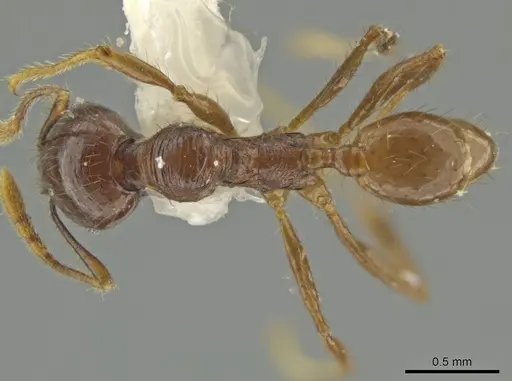
JTLC000016457
View on AntWeb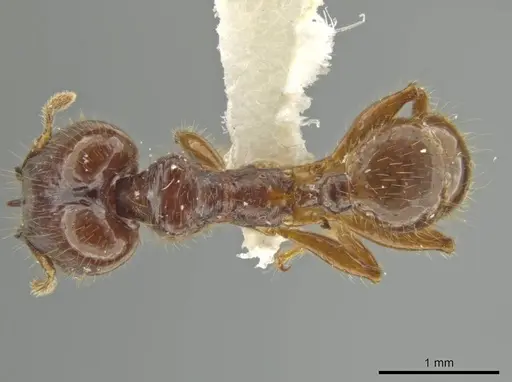
Literature
Loading...Loading products...