

Pheidole militicida
- Scientific Name
- Pheidole militicida
- Tribe
- Attini
- Subfamily
- Myrmicinae
- Author
- Wheeler, 1915
- Distribution
- Found in 1 countries
Pheidole militicida Overview
Pheidole militicida is an ant species of the genus Pheidole. It is primarily documented in 1 countries , including United States of America. Detailed taxonomic data and occurrence records can be further explored via authoritative databases such as AntWeb or the Global Biodiversity Information Facility (GBIF).
Pheidole militicida
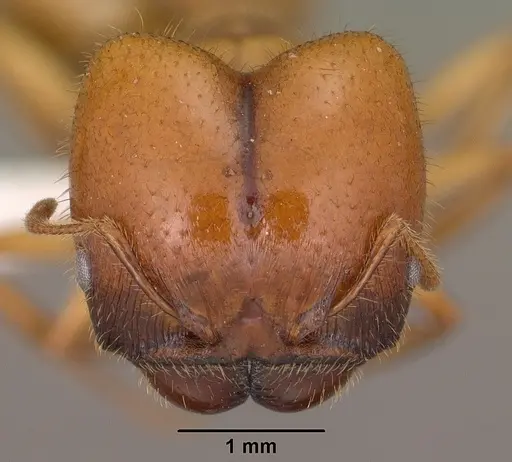
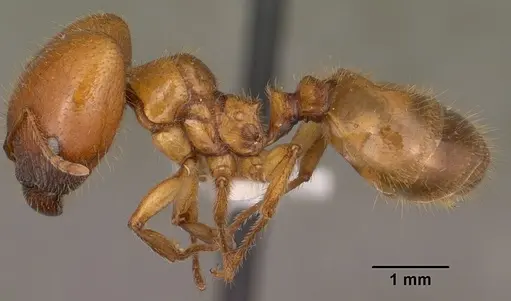
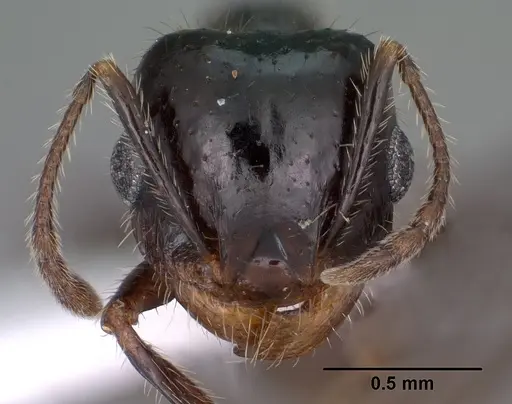
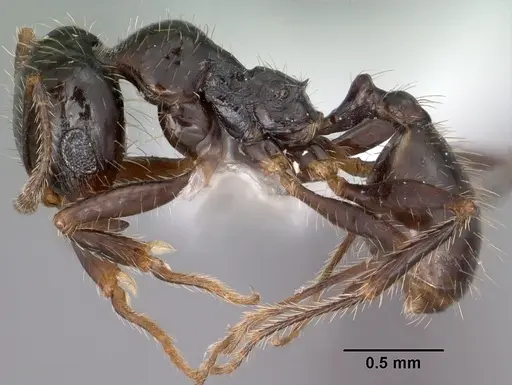
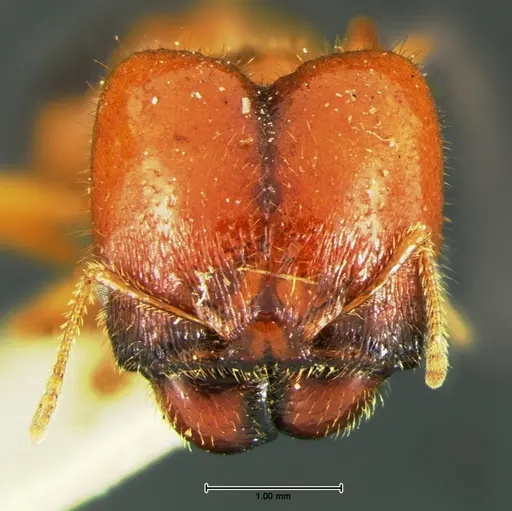
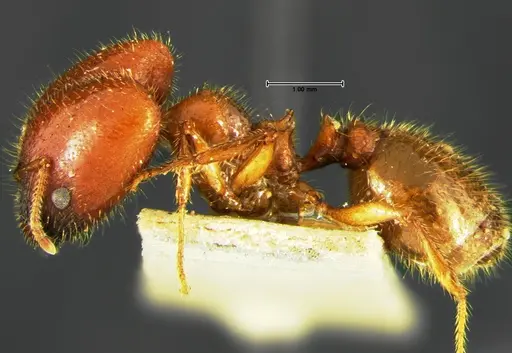
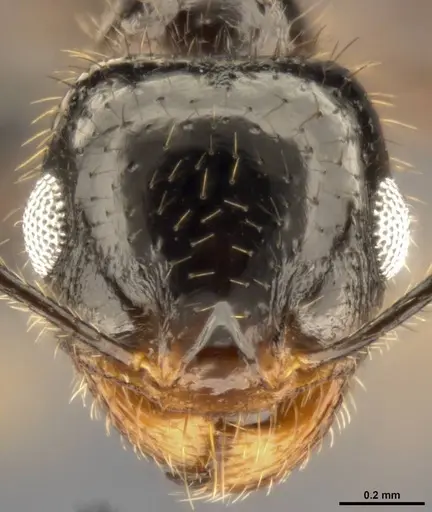
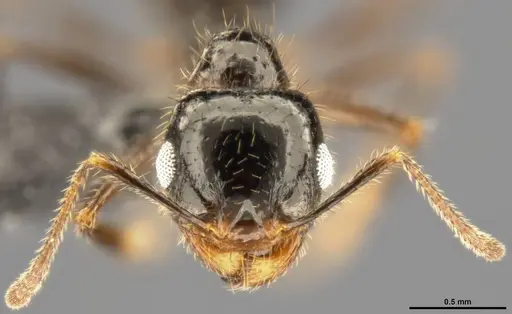
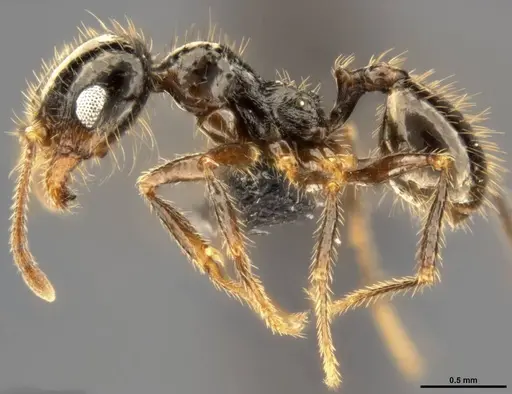
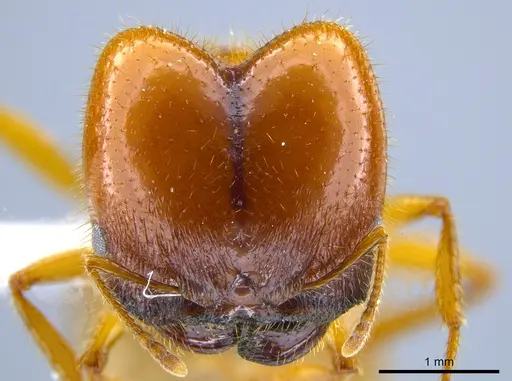
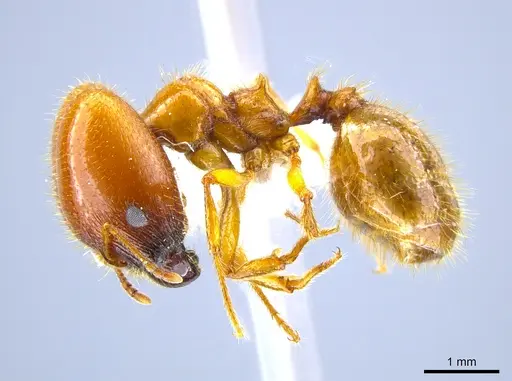
Pheidole militicida is a dimorphic seed-harvesting ant native to the American Southwest, found in southern Arizona, New Mexico, and extreme western Texas. This desert species builds crater nests surrounded by seed chaff piles and is famous for its sophisticated trunk-trail foraging system, where thousands of minor workers follow established paths to harvest seeds. The species is named 'militicida' (soldier killer) based on an early mistaken belief that colonies periodically executed their own majors, in reality, the majors serve as dedicated soldiers defending the nest entrance. Majors are large (over 5mm total) with distinctive reddish-yellow coloring, while minors are tiny at just over 2mm with dark reddish-brown bodies. The colony shows remarkably low inter-colony aggression, with workers from nests hundreds of meters apart able to be mixed without conflict.
Quick Summary
- Difficulty: Medium
- Origin & Habitat: Desert habitats in southern Arizona, New Mexico, and extreme western Texas at elevations of 1300-1500m. Nests are built in light, viable soil between large stones, with multiple entrances spaced 2-8 feet apart [1].
- Colony Type: Monogyne, single queen colonies. The species is dimorphic with distinct minor workers and major soldiers (sometimes called 'soldiers') that serve defensive roles.
- Colony: Monogyne
- Founding: Claustral
- Size & Growth:
- Queen: Unconfirmed in primary research, estimated 10-12mm based on genus patterns
- Worker: 2mm), Minor: just over 2mm [1]
- Colony: Colony size data limited, likely several thousand workers based on related seed-harvesting Pheidole species
- Growth: Moderate, seed harvesters typically grow steadily but not rapidly
- Development: Estimated 6-8 weeks based on typical Pheidole development at warm temperatures (Development time inferred from genus patterns, direct measurements not available for this species)
- Antkeeping:
- Temperature: Foraging begins when surface temperatures reach 60°F (16°C) and peaks at 90°F (31°C). Keep nest area at 20-26°C with a warm side reaching low 30s°C to enable natural foraging behavior [1].
- Humidity: Low, desert species. Keep nest substrate dry, with only minimal moisture. Avoid damp conditions that could cause mold.
- Diapause: Partial, this species remains active through winter but reduces foraging to afternoon hours only. No full hibernation required, but cooler temperatures (15-18°C) during winter months are appropriate.
- Nesting: Prefers dry, well-drained nesting conditions. Y-tong (AAC) or plaster nests work well. Provide a connection to an outworld with sand/soil substrate for seed storage behavior. Avoid humid, swampy setups.
- Behavior: Highly specialized seed harvesters with complex foraging systems. Minors form trunk trails to seed sources and handle all seed processing, majors never crack seeds and serve purely as soldiers. Majors guard nest entrances with remarkable effectiveness against aggressive competitors like Pogonomyrmex. Workers show almost no inter-colony aggression. Escape risk is moderate, minors are small but majors are large enough to be contained with standard barriers. Minor workers are active foragers and will establish foraging columns.
- Common Issues: desert species is sensitive to excess humidity, keep nesting area dry to prevent mold and colony decline, majors cannot escape on their own if covered in soil, avoid deep substrate that could trap them, winter foraging is limited to afternoon hours, do not expect morning/evening activity during cool months, seed storage behavior requires appropriate outworld setup, without space to store seeds, colonies may not thrive, colonies may be slow to establish, seed harvesters typically take longer to grow than protein-feeding species
Housing and Nest Setup
Pheidole militicida is a desert species that needs dry, well-drained housing. Y-tong (acrylic) nests or plaster nests work well, avoid setups that retain moisture. Connect the nest to an outworld filled with a sand/soil mix where the ants can create their characteristic seed storage chambers. The outworld should be deep enough (at least 2-3cm) to allow minors to arrange and store seeds, as this behavior is essential to their natural colony function. Provide a water tube but avoid high humidity in the nest chamber itself. Escape prevention is straightforward since majors are large (5+mm), though minors at just over 2mm require standard barrier precautions. [1]
Feeding and Diet
This species is an obligate seed harvester. In captivity, offer a variety of small seeds, grass seeds work best and mimic their natural diet of fluff grass (Tridens pulchellus) and spike pappus grass (Enneapogon desvauxii). The minors handle all seed processing by gnawing at the pointed end of seeds to access the embryo inside. Unlike some Pheidole species, majors do NOT process seeds, they never attempt to crack them and will starve surrounded by seeds if kept alone. Supplement with small protein sources like fruit flies or small mealworms, but seeds should be the primary food. Sugar water is rarely accepted, focus on seeds. Provide a constant supply of fresh seeds in the outworld. [1]
Temperature and Seasonal Care
Temperature is critical for this species' natural behavior. Foraging begins when surface temperatures reach 60°F (16°C) and peaks at 90°F (31°C). Keep the nest at 20-26°C with a heating option on one side that can push into the low 30s°C, this allows natural foraging behavior when the ants are active. During winter (November-February), the species remains active but only forages in the afternoon (roughly 3-5pm). Reduce temperatures slightly to 15-18°C during winter months but do not induce full hibernation. The key is providing a temperature gradient so ants can thermoregulate. [1]
The Major Worker Role
The majors of P. militicida are specialized soldiers, not seed processors. They guard the nest entrance and are extraordinarily effective at defending against aggressive competitors like Pogonomyrmex (harvester ants). When defending, majors wedge themselves into passages with jaws wide open, targeting the mandibles of attackers, they deliberately aim for the mandible to crush or mangle them, making opponents unable to feed. This is a deliberate, learned behavior that majors repeat with surprising consistency. In captivity, majors will patrol the nest entrance but rarely interact with food. They are clumsy movers and can become trapped if covered in substrate, avoid deep soil layers in the outworld that could bury them. [1]
Foraging Behavior
P. militicida uses sophisticated trunk-trail foraging similar to Messor and Pogonomyrmex. Minor workers establish chemical recruitment trails that become stabilized with visual markers over time. When seed supplies in a target area diminish, the colony shifts the direction of foraging pathways or establishes new routes, this shows remarkable flexibility. In captivity, you can observe this by providing seeds in one location initially, then moving the seed source. The ants will gradually adjust their foraging columns. Foraging columns typically extend 15 feet in the wild, indicating seed sources are easily accessible. Provide multiple seed locations to encourage natural trail-building behavior. [1]
Frequently Asked Questions
How long does it take for Pheidole militicida to produce first workers?
Expect 6-8 weeks from founding to first workers based on typical Pheidole development. This is an estimate as specific development data for this species is not available.
Can I keep multiple Pheidole militicida queens together?
No, this is a monogyne (single queen) species. Unlike some Pheidole that can be polygynous, P. militicida colonies have only one queen.
Do Pheidole militicida majors need to eat seeds?
No, majors are soldiers, not seed processors. They rarely eat seeds and do not crack them open. Minors handle all seed processing. Majors feed on food brought by minors or may not need to feed frequently at all while defending the nest.
What temperature do Pheidole militicida ants need?
Keep the nest at 20-26°C with a warm area reaching low 30s°C. Foraging activity begins at 16°C (60°F) and peaks at 31°C (90°F). A temperature gradient is essential for natural behavior.
Are Pheidole militicida good for beginners?
Medium difficulty, this is not a beginner species. They require specific dry desert conditions, a proper outworld for seed storage, and understanding of their specialized role differentiation. The seed-harvesting lifestyle is more demanding than typical ant care.
Do Pheidole militicida need hibernation?
Partial winter rest only. They remain active through winter but reduce foraging to afternoon hours (roughly 3-5pm). Reduce temperatures to 15-18°C during winter months but no full hibernation is required.
Why do my majors never eat seeds?
This is normal, majors are soldiers, not foragers. They never attempt to crack seeds and will ignore them. Only minor workers process seeds. If you isolate majors with seeds, they will starve surrounded by food.
What do I feed my Pheidole militicida colony?
Primary food should be small grass seeds, this is an obligate seed harvester. Supplement occasionally with small insects like fruit flies. Sugar water is rarely accepted. The seed supply should be constant in the outworld.
When will my colony start foraging actively?
Foraging activity depends on temperature. At 16°C (60°F) they begin foraging, but full activity requires 31°C (90°F). In captivity, ensure the outworld can warm to these temperatures to observe natural foraging columns.
How big do Pheidole militicida colonies get?
Colony size is not well documented but likely reaches several thousand workers based on related seed-harvesting Pheidole species. The species is dimorphic with distinct majors serving as soldiers.
References

This caresheet is licensed under CC BY-SA 4.0 .
CASENT0102884
View on AntWeb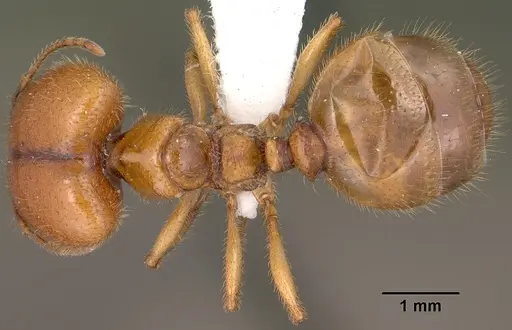
CASENT0102885
View on AntWeb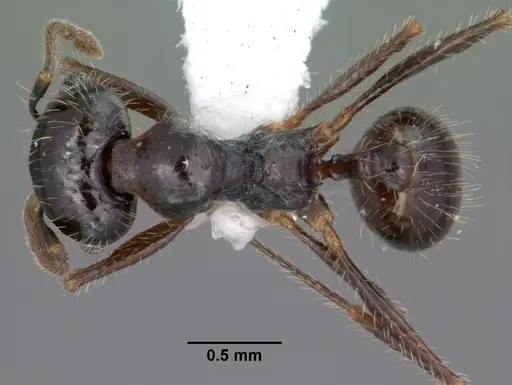
CASENT0105649
View on AntWeb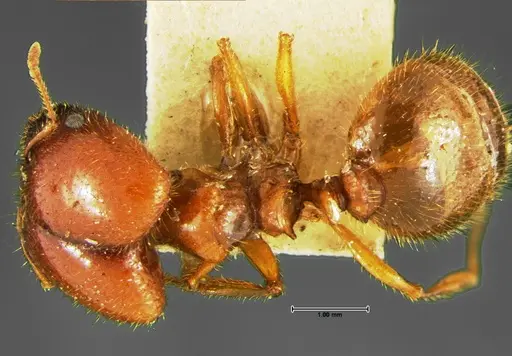
CASENT0282702
View on AntWeb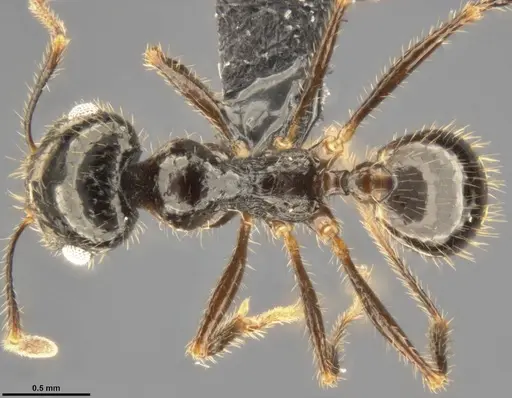
CASENT0612970
View on AntWeb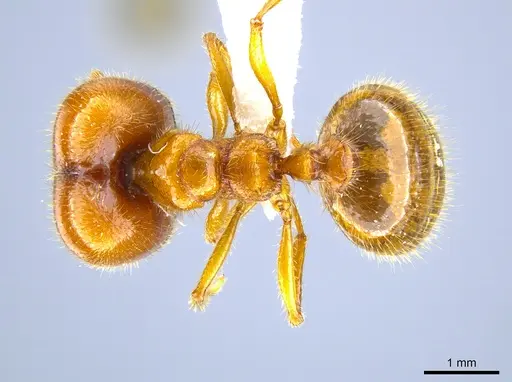
Literature
Loading...Loading products...