

Pheidole mera
- Scientific Name
- Pheidole mera
- Tribe
- Attini
- Subfamily
- Myrmicinae
- Author
- Wilson, 2003
- Distribution
- Found in 3 countries
Pheidole mera Overview
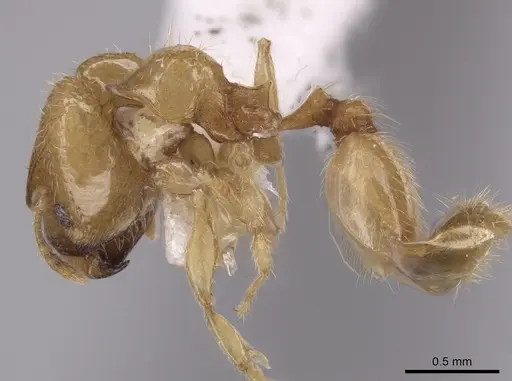
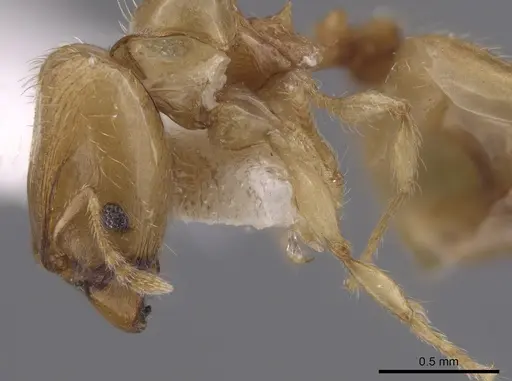
Pheidole mera is an ant species of the genus Pheidole. It is primarily documented in 3 countries , including Guatemala, Mexico, United States of America. Detailed taxonomic data and occurrence records can be further explored via authoritative databases such as AntWeb or the Global Biodiversity Information Facility (GBIF).
Pheidole mera
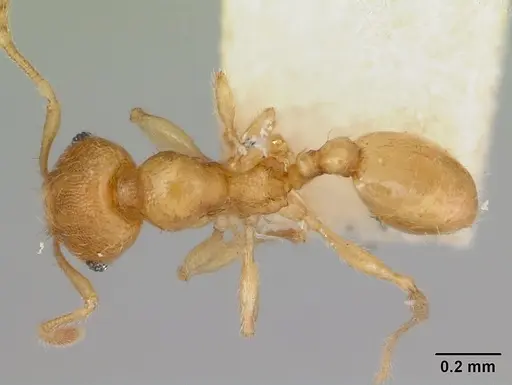
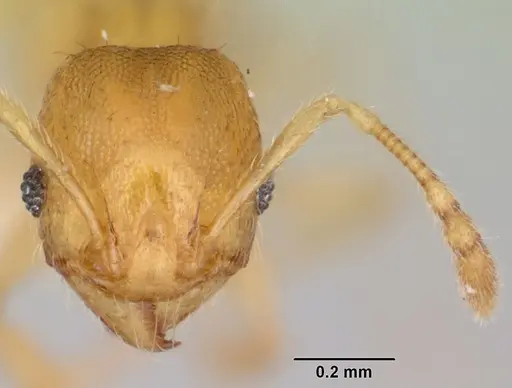
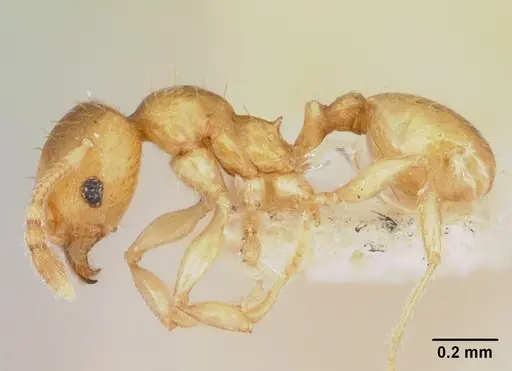
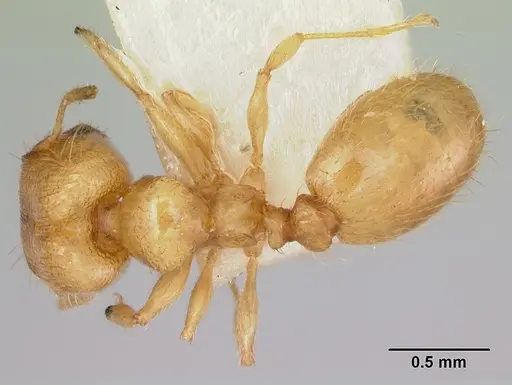
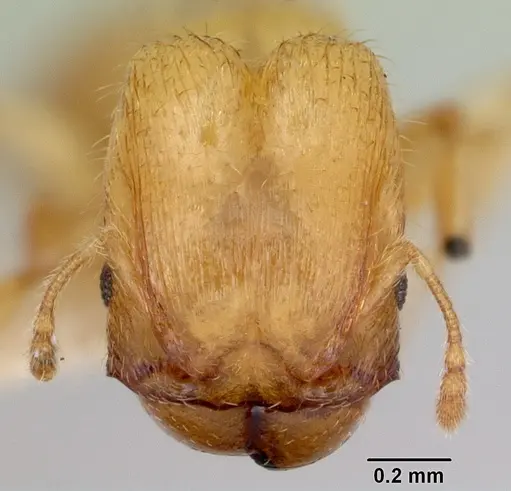
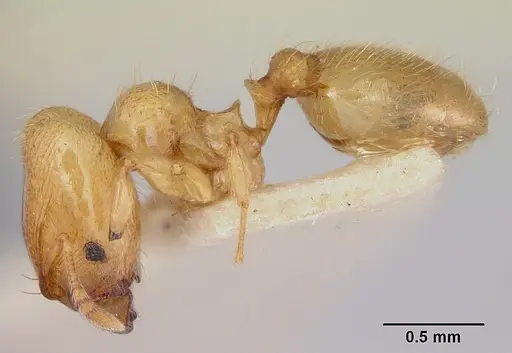
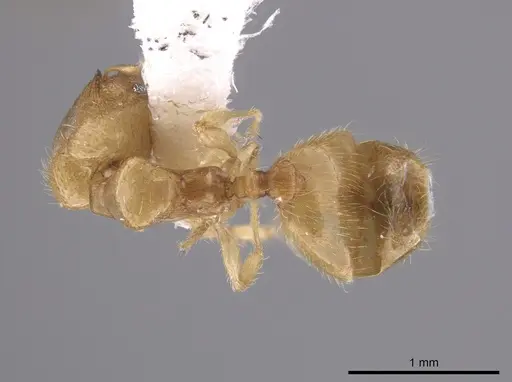
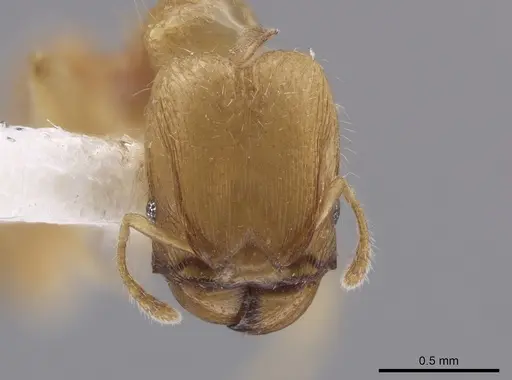
Pheidole mera is a dimorphic ant species native to Central America, with major and minor workers that serve different roles within the colony. Major workers have notably larger heads equipped with powerful mandibles for seed processing, while smaller minors handle general tasks and foraging. The species has been reported across Guatemala and extends into the southern United States. Colonies develop moderate to large worker populations, with majors appearing once the colony reaches a certain size to assist with food processing.
Quick Summary
- Difficulty: Easy
- Origin & Habitat: Central America (Guatemala) extending into southern USA. Nests in soil or under stones in tropical and subtropical environments.
- Colony Type: Monogyne, single queen colonies. Colonies grow large with distinct major and minor worker castes.
- Colony: Monogyne
- Founding: Claustral
- Size & Growth:
- Queen: Estimated 6-8mm based on genus patterns
- Worker: Minors 2-3mm, majors 4-6mm [1]
- Colony: Likely several thousand workers at maturity based on typical Pheidole growth
- Growth: Moderate
- Development: Estimated 6-8 weeks at warm temperatures based on genus patterns (Development time is typical for tropical Pheidole species, faster than temperate ants but slower than some tropical specialists)
- Antkeeping:
- Temperature: Keep at 24-28°C. They prefer warm, stable conditions typical of their tropical origin.
- Humidity: Moderate humidity around 50-70%. Provide a moist nest chamber but allow some drying between waterings.
- Diapause: No, being tropical, they do not require hibernation. Keep temperatures stable year-round.
- Nesting: Test tubes work well for founding colonies. Established colonies do well in Y-tong nests, plaster nests, or naturalistic setups with soil substrate. They do well with moderate chamber space.
- Behavior: Generally peaceful temperament. Majors are not aggressive but serve as seed processors. Workers are active foragers that harvest seeds and tend to honeydew-producing insects. Escape risk is moderate, they are not particularly small but can squeeze through small gaps. Use standard barrier methods.
- Common Issues: colonies may stall if temperatures drop below 24°C consistently, major workers may not appear until colony reaches several hundred workers, this is normal, overfeeding can lead to mold in nest setups, test tube setups need proper escape prevention as colonies grow
Nest Preferences
Pheidole mera nests naturally in soil or under stones in warm, tropical environments. For captive care, test tubes work perfectly fine for founding colonies, use a standard water reservoir setup with cotton wick. As the colony grows, you can move them to a Y-tong (acrylic) nest, plaster nest, or naturalistic setup with soil. They prefer chambers that are not overly large, tight spaces help them feel secure. A small outworld connected to the nest allows for foraging and seed storage. Avoid very dry conditions, they do best with some moisture in the nest area. [1]
Feeding and Diet
Pheidole mera is a seed-harvesting ant (granivore) but also readily accepts protein foods. In captivity, offer a mix of seeds (grass seeds, millet, cracked sunflower seeds) and protein sources (small insects like fruit flies, mealworms, crickets). They will also accept sugar water or honey as an energy source. Majors specialize in seed processing, they crush seeds with their large mandibles and feed the resulting fragments to the colony. Feed seeds continuously and protein 2-3 times per week. Remove uneaten seeds periodically to prevent mold. [1]
Temperature and Care
Being a tropical species, Pheidole mera requires warm conditions to thrive. Keep the nest area at 24-28°C consistently. Temperatures below 24°C can slow colony development significantly, and prolonged cold can be fatal. A heating cable or mat on one side of the nest creates a temperature gradient that allows ants to regulate their own exposure. Room temperature in heated homes is often adequate, but monitor with a thermometer. Unlike temperate species, they do not require any diapause or winter cooling period. Maintain stable temperatures year-round. [1]
Behavior and Colony Structure
This species forms dimorphic colonies with distinct major and minor worker castes. Minor workers handle most tasks: foraging, brood care, and general nest maintenance. Major workers (sometimes called soldiers) have enlarged heads and powerful mandibles designed for seed crushing, they do not typically fight or defend the colony aggressively. The colony starts with only minor workers, majors typically appear once the colony reaches several hundred workers. Queens are claustral and will seal themselves into a founding chamber, raising the first brood without leaving to forage. Workers are active foragers that search the outworld for seeds and insects. [1]
Frequently Asked Questions
How long does it take for Pheidole mera to raise first workers?
Expect first workers (nanitics) in about 6-8 weeks at optimal temperatures of 26-28°C. Cooler temperatures will slow development significantly.
When do major workers appear in Pheidole mera?
Major workers typically appear once the colony reaches several hundred workers. This may take several months to a year depending on colony growth rate.
Can I keep multiple Pheidole mera queens together?
No, this is a monogyne species with single-queen colonies. Combining unrelated queens will likely result in fighting.
What do I feed Pheidole mera?
They accept a varied diet including seeds (millet, grass seeds, cracked sunflower), small insects (fruit flies, mealworms), and sugar water or honey for energy.
Do Pheidole mera need hibernation?
No, as a tropical species, they do not require diapause. Keep them warm year-round at 24-28°C.
Are Pheidole mera good for beginners?
Yes, they are considered easy to keep. They are forgiving of minor care mistakes, don't require hibernation, and are generally peaceful.
How big do Pheidole mera colonies get?
Mature colonies can reach several thousand workers. They are not supercolonial but can become quite populous over several years.
When should I move Pheidole mera to a formicarium?
Move from test tube to a larger nest setup once the colony reaches several hundred workers and the test tube becomes crowded.
Why are my Pheidole mera not growing?
Check temperature first, they need 24-28°C for optimal growth. Also ensure they have adequate protein food and the nest is not too dry.
References

This caresheet is licensed under CC BY-SA 4.0 .
Literature
Loading...Loading products...