

Pheidole mendanai
- Scientific Name
- Pheidole mendanai
- Tribe
- Attini
- Subfamily
- Myrmicinae
- Author
- Mann, 1919
- Distribution
- Found in 1 countries
Pheidole mendanai Overview
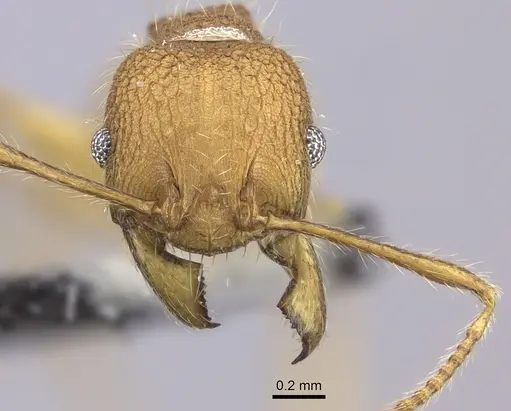
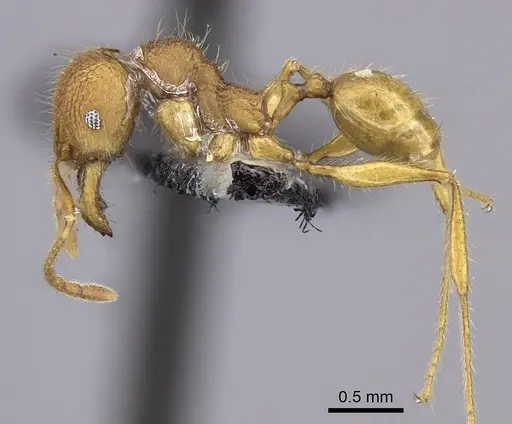
Pheidole mendanai is an ant species of the genus Pheidole. It is primarily documented in 1 countries , including Solomon Islands. Detailed taxonomic data and occurrence records can be further explored via authoritative databases such as AntWeb or the Global Biodiversity Information Facility (GBIF).
Pheidole mendanai
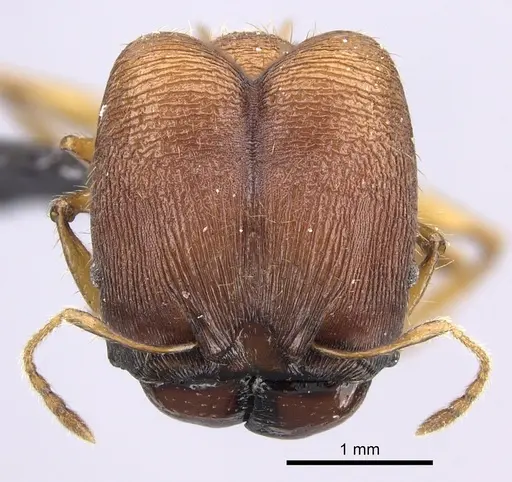
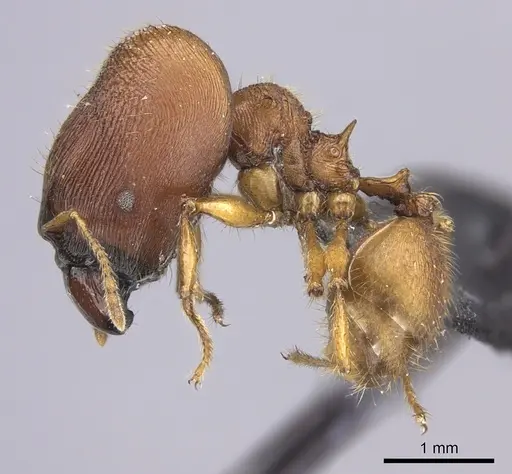
Pheidole mendanai is a small ant species native to the Solomon Islands archipelago in the Pacific. This species was first described by William M. Mann in 1919 and is part of the Attini tribe, which includes the well-known leafcutter ants. Like other Pheidole species, P. mendanai exhibits polymorphism, colonies produce two distinct worker castes: smaller minor workers that handle most tasks, and larger major workers (soldiers) with enlarged heads used for seed processing and colony defense. The species has been recorded from several islands including Makira, Guadalcanal, and Ysabel in the Solomon Islands [1][2].
Quick Summary
- Difficulty: Easy
- Origin & Habitat: Solomon Islands, a tropical archipelago in the western Pacific. This species inhabits forest environments on islands with high humidity and warm temperatures year-round.
- Colony Type: Monogyne (single queen colonies). Pheidole species typically establish single-queen colonies where one reproductive female heads each colony.
- Colony: Monogyne
- Founding: Claustral
- Size & Growth:
- Queen: Estimated 7-9mm based on genus patterns for Solomon Islands Pheidole
- Worker: Minor workers: 2-3mm, Major workers (soldiers): 3-5mm
- Colony: Likely several hundred workers based on typical Pheidole colony sizes
- Growth: Moderate
- Development: Estimated 6-8 weeks at tropical temperatures (25-28°C) based on genus patterns (Development time is typical for tropical Myrmicinae, faster than temperate species due to year-round warm conditions)
- Antkeeping:
- Temperature: Keep at 24-28°C (tropical conditions). A slight gradient allowing cooler areas around 22°C is beneficial.
- Humidity: High humidity, aim for 70-80%. These island species need consistently moist substrate.
- Diapause: No, being tropical, they do not require hibernation. Keep warm year-round.
- Nesting: Accepts most nest types. Y-tong (AAC), plaster nests, or test tube setups work well. Provide damp substrate and avoid drying out.
- Behavior: Generally peaceful but major workers will defend the colony aggressively if threatened. Minor workers forage for food while soldiers stay near the nest or accompany foragers. Like other Pheidole, they are omnivorous, collecting seeds and hunting small insects. They are active foragers both day and night. Escape risk is moderate, standard barriers work well for this size.
- Common Issues: drying out is the main killer, keep substrate consistently moist, colonies can be slow to establish initially, patience is needed, major workers (soldiers) may appear threatening but are defensive only, wild-caught colonies may have parasites, quarantine and observe new colonies, overfeeding can lead to mold problems, remove uneaten food promptly
Housing and Nest Setup
Pheidole mendanai adapts well to various captive setups. Test tubes work well for founding colonies, use a water reservoir connected to a cotton plug, keeping the substrate damp but not flooded. Once the colony reaches 30-50 workers, you can move them to a formicarium. Y-tong (AAC) nests are excellent for this species as they hold humidity well and allow you to observe the colony. Plaster nests also work, though you may need to mist occasionally to maintain moisture. Avoid completely dry setups, these ants come from a humid tropical environment and will struggle in dry conditions. [1]
Feeding and Diet
As an Attini tribe member, Pheidole mendanai is omnivorous with a preference for protein and seeds. In captivity, offer a varied diet: protein sources like small crickets, mealworms, or other small insects twice weekly. They will also accept seeds, cracked sunflower seeds or millets are readily taken. Sugar water or honey provides energy, especially for growing colonies. Remove uneaten food within 24-48 hours to prevent mold. Unlike some specialized Attini, this species readily accepts both animal protein and seeds, making them easy to feed.
Temperature and Humidity
Being from the Solomon Islands, this species requires tropical conditions. Maintain temperatures between 24-28°C, they can tolerate brief drops to 22°C but prolonged cool periods will slow growth and may weaken the colony. A heating cable on one side of the nest creates a useful gradient. Humidity should stay high at 70-80%. The substrate should feel consistently damp but never waterlogged. In dry environments, you may need to mist the outworld or use a water reservoir system. Never let the nest dry out completely. [1]
Colony Development
Pheidole colonies grow through a distinct caste system. The founding queen lays eggs in the claustral chamber, surviving on her fat reserves until the first workers emerge (nanitics) after 6-8 weeks. These first workers are small minors that begin foraging immediately. As the colony grows, larger major workers (soldiers) begin appearing, their enlarged heads are used for cracking seeds and defending the colony. A mature colony of several hundred workers will have a clear division of labor, with majors specializing in seed processing and defense while minors handle most other tasks.
Behavior and Temperament
This species is generally calm and easy to handle. Minor workers are active foragers that will readily explore outworlds in search of food. Major workers (soldiers) are more defensive and will emerge if the nest is disturbed, their larger heads make them appear intimidating but they are not aggressive toward keepers. They do not sting, though they may bite if handled roughly. Escape prevention should be standard, while not the smallest ants, they can still squeeze through small gaps. Normal barrier methods like fluon on test tube rims work well.
Frequently Asked Questions
How long does it take for Pheidole mendanai to have first workers?
Expect first workers (nanitics) to emerge 6-8 weeks after the queen lays eggs, assuming temperatures around 25-28°C. This is typical for tropical Pheidole species.
What do Pheidole mendanai ants eat?
They are omnivorous. Offer small insects (crickets, mealworms) for protein twice weekly, seeds like cracked sunflower seeds, and sugar water or honey for energy.
What temperature do Pheidole mendanai need?
Keep them warm at 24-28°C. They are tropical ants from the Solomon Islands and need year-round warmth.
Do Pheidole mendanai need hibernation?
No, they do not hibernate. Being a tropical species, they remain active year-round if kept warm.
How big do Pheidole mendanai colonies get?
Based on typical Pheidole species, expect several hundred workers at maturity. The colony grows gradually over 1-2 years.
Can I keep multiple Pheidole mendanai queens together?
No, this is a monogyne species, single queen colonies. Combining unrelated queens will result in fighting.
Is Pheidole mendanai good for beginners?
Yes, this is an easy species to keep. They are forgiving of minor care mistakes, adapt well to captivity, and are not aggressive.
What humidity do Pheidole mendanai need?
High humidity at 70-80%. Keep the nest substrate consistently damp but not waterlogged.
When should I move Pheidole mendanai to a formicarium?
Move them when the test tube becomes crowded, typically around 30-50 workers. Make sure the new setup is pre-humidified.
References

This caresheet is licensed under CC BY-SA 4.0 .
CASENT0219993
View on AntWeb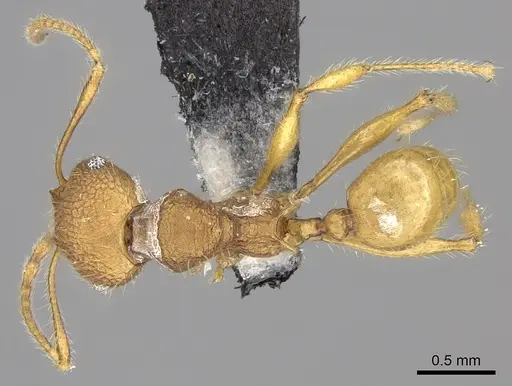
CASENT0219998
View on AntWeb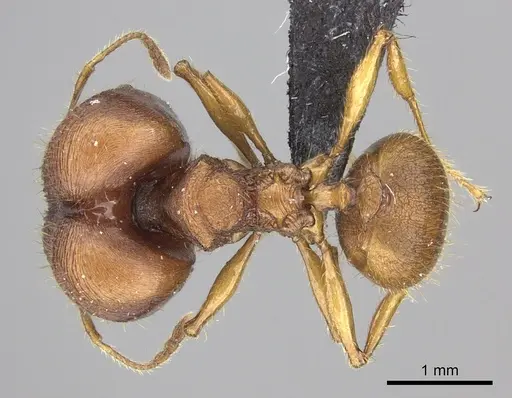
Literature
Loading...Loading products...