

Pheidole meinerti
- Scientific Name
- Pheidole meinerti
- Tribe
- Attini
- Subfamily
- Myrmicinae
- Author
- Forel, 1905
- Distribution
- Found in 3 countries
Pheidole meinerti Overview
Pheidole meinerti is an ant species of the genus Pheidole. It is primarily documented in 3 countries , including Brazil, Peru, Venezuela. Detailed taxonomic data and occurrence records can be further explored via authoritative databases such as AntWeb or the Global Biodiversity Information Facility (GBIF).
Pheidole meinerti
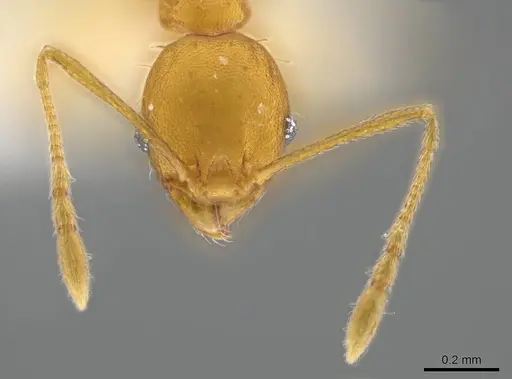
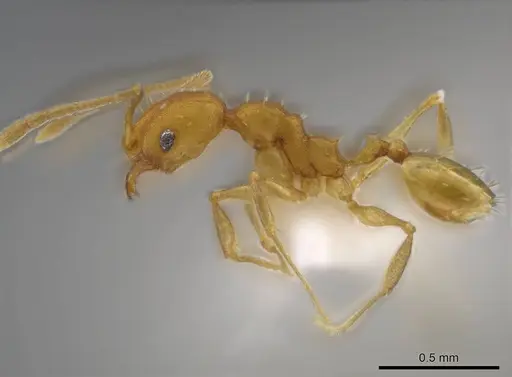
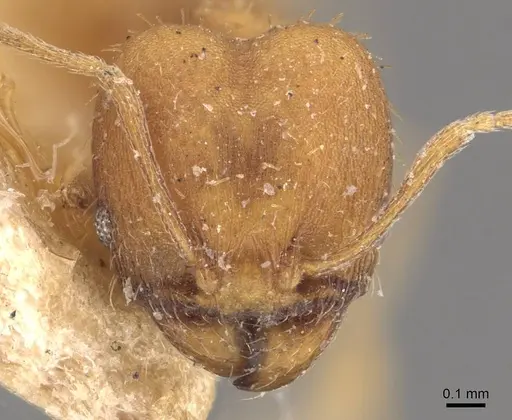
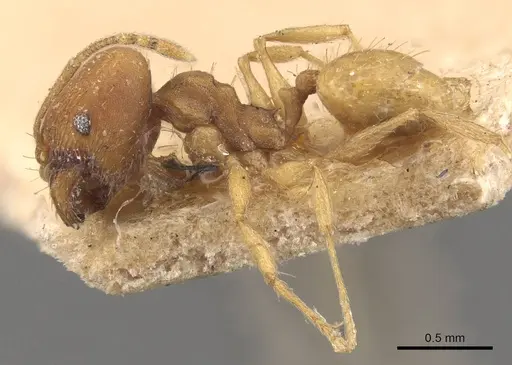
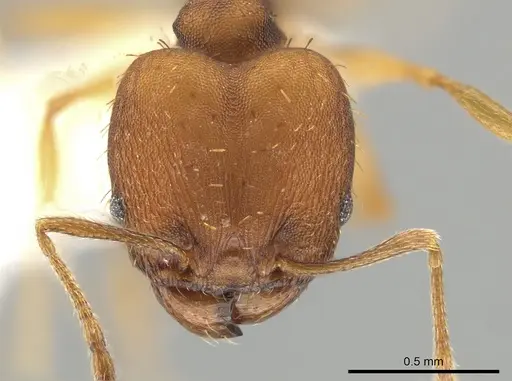
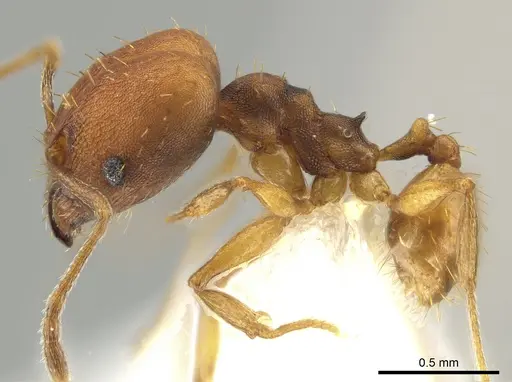
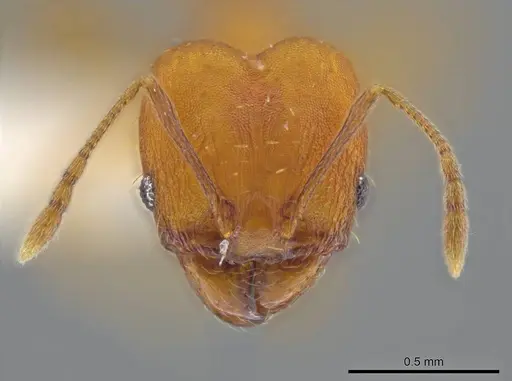
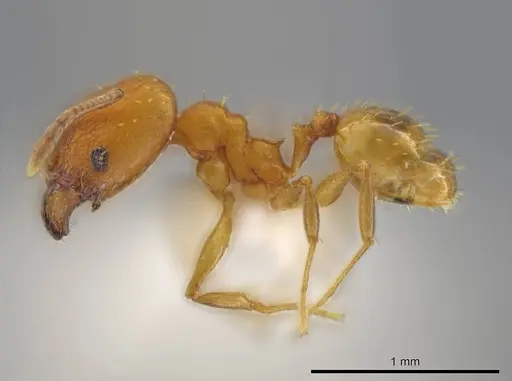
Pheidole meinerti is a small yellow ant native to the Amazon basin, found in Venezuela, Guyana, Ecuador, Peru, and Brazil. Workers come in two sizes: majors (soldiers) with a head width of 0.78mm and minors at 0.42mm. Both castes have distinctive long legs and antennae, and they move with remarkable speed. Colonies are small, typically containing 100 workers or fewer, with a single queen. This species is adapted to unstable nesting sites on the forest floor, often nesting between dead leaves in the leaf litter or in rotten sticks on the surface. They are not aggressive when disturbed, unlike many Pheidole species that will readily bite. This calm temperament combined with their small colony size makes them an interesting species for antkeepers interested in observing typical Pheidole behavior without the aggression typical of the genus.
Quick Summary
- Difficulty: Medium
- Origin & Habitat: Amazon basin, found in mature terra firme forest and forest transitional between terra firme and seasonally flooded forest in Peru, Brazil, Venezuela, Guyana, and Ecuador [1]. Nests in small twigs and leaf litter on the forest floor.
- Colony Type: Single-queen colonies (monogyne). Colonies are small, typically containing 100 workers or fewer with one queen.
- Colony: Monogyne
- Founding: Claustral
- Size & Growth:
- Queen: Unconfirmed, likely 5-7mm based on genus patterns
- Worker: Majors: 0.78mm head width, Minors: 0.42mm head width [2]
- Colony: Up to 100 workers [1]
- Growth: Moderate, small colony size limits growth potential
- Development: 6-8 weeks (estimated based on typical Pheidole development in tropical conditions) (Development time inferred from genus patterns, direct measurements not available for this species)
- Antkeeping:
- Temperature: Keep at 24-28°C, these are tropical ants adapted to warm, humid Amazon conditions. A heating cable on one side of the nest creates a suitable gradient.
- Humidity: High humidity required, maintain 70-85%. Keep the nest substrate consistently moist but not waterlogged. These ants naturally live in damp leaf litter environments.
- Diapause: No, as a tropical species, they do not require hibernation. Maintain warm temperatures year-round.
- Nesting: Small test tubes or acrylic nests work well. In nature they nest in small twigs (1.2-1.4cm diameter) in leaf litter [3]. Provide small chambers scaled to their tiny size. Y-tong nests with narrow passages or small test tube setups are ideal.
- Behavior: Non-aggressive and calm temperament, they do not bite or sting when disturbed, making them easy to handle. Workers move very rapidly due to their long legs. They are opportunistic nesters that can adapt to changing conditions, which reflects their natural history of frequently emigrating. Escape risk is moderate due to their small size, use standard mesh barriers but they are not particularly prone to escaping like some tiny species.
- Common Issues: small colony size means slow population growth, don't expect rapid expansion, high humidity requirements can lead to mold if ventilation is poor, tropical species will decline if temperatures drop below 22°C, wild-caught colonies may be difficult to establish due to small colony size and stress
Nest Preferences and Housing
Pheidole meinerti naturally nests in small twigs and decaying wood on the forest floor, typically in twigs with diameters between 1.2-1.4cm [3]. They also nest between dead leaves in the leaf litter. For captive care, small test tube setups work well for founding colonies, while Y-tong nests with narrow chambers suit established colonies. The key is providing appropriately scaled housing, these are tiny ants with majors having head widths under 1mm. Avoid large, open spaces that can stress small colonies. Keep the nest humid but ensure some ventilation to prevent mold buildup. The nesting chamber should be small and snug for the colony size.
Feeding and Diet
Like most Pheidole species, these ants are omnivorous with a preference for protein-rich foods. They will accept small insects such as fruit flies, pinhead crickets, and mealworms. They also consume sweet liquids like sugar water and honey. In their natural Amazon habitat, they likely forage for small arthropods and tend aphids for honeydew. Feed protein sources 2-3 times per week and provide a constant sugar water source. Remove uneaten prey after 24 hours to prevent mold. Given their small colony size, offer appropriately sized prey items.
Temperature and Humidity
As Amazonian ants, Pheidole meinerti requires warm and humid conditions. Maintain temperatures between 24-28°C for optimal colony health and development. A heating cable placed on one side of the nest creates a temperature gradient that allows ants to self-regulate. Humidity should remain high at 70-85%, the nest substrate should feel consistently moist but never waterlogged. These ants naturally inhabit the damp leaf litter layer of tropical rainforests, so dry conditions will quickly stress the colony. Monitor for condensation as an indicator of proper humidity.
Behavior and Colony Dynamics
This species exhibits typical Pheidole behavior with some notable differences. Both major and minor workers have unusually long legs and antennae, and they move with exceptional speed. Unlike most Pheidole species that are aggressive and will readily bite, P. meinerti is remarkably calm and non-aggressive when disturbed, they simply flee rather than defend. Colonies are small, typically maxing out around 100 workers. The species appears adapted to unstable nest sites, which suggests they may be capable of emigrating quickly if conditions deteriorate. This is a 'minor' Pheidole species in the sense that majors are not dramatically larger than minors, the size difference is subtle. [1]
Growth and Development
Colony growth is slow due to the naturally small colony size. A mature colony contains only around 100 workers, so you won't see the massive swarms typical of some Pheidole species. Development from egg to worker likely takes 6-8 weeks based on typical Pheidole development in tropical conditions, though this has not been directly studied for this species. The first workers (nanitics) will be smaller than mature workers. Given their small colony size, patience is essential, these ants are long-lived but population growth is gradual.
Frequently Asked Questions
How long does it take for Pheidole meinerti to produce first workers?
Based on typical Pheidole development in tropical conditions, expect 6-8 weeks from egg to first worker. This is an estimate since specific development times have not been documented for this species.
How big do Pheidole meinerti colonies get?
Colonies remain small, typically up to 100 workers maximum. This is significantly smaller than many other Pheidole species that can reach thousands of workers.
What temperature do Pheidole meinerti need?
Keep them warm at 24-28°C. These are tropical Amazon ants that require consistent warmth year-round.
Do Pheidole meinerti need hibernation?
No, as a tropical species they do not require hibernation. Maintain warm temperatures throughout the year.
What do Pheidole meinerti eat?
They are omnivorous, offer small insects (fruit flies, pinhead crickets, mealworms) as protein sources 2-3 times per week, and provide constant access to sugar water or honey.
Can I keep multiple queens together?
No, this is a monogyne (single-queen) species. Only one queen per colony has been observed in the wild.
What is the best nest type for Pheidole meinerti?
Small test tubes work well for founding colonies. For established colonies, Y-tong nests with narrow chambers or small acrylic nests scaled to their tiny size are ideal. They naturally nest in small twigs 1.2-1.4cm in diameter.
Are Pheidole meinerti good for beginners?
They are moderate difficulty. Their small colony size and specific humidity requirements make them better suited for keepers with some experience. Their calm temperament is a plus, but the slow growth and small final colony size may disappoint those expecting impressive numbers.
Why are my Pheidole meinerti dying?
Common causes include temperatures below 22°C (tropical species are sensitive to cold), low humidity causing desiccation, or stress from too-large housing. Ensure warm, humid conditions and appropriately sized nesting chambers.
References

This caresheet is licensed under CC BY-SA 4.0 .
CASENT0636786
View on AntWeb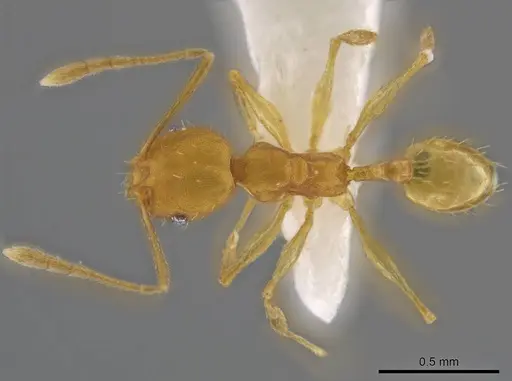
CASENT0908289
View on AntWeb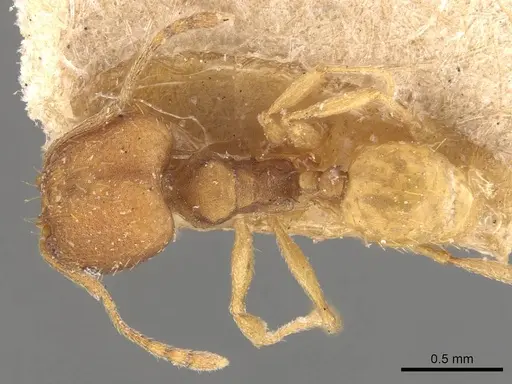
JTLC000015191
View on AntWeb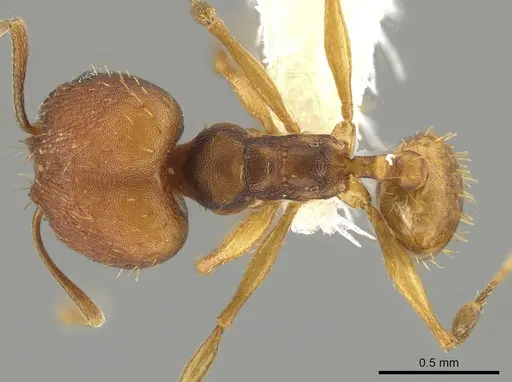
JTLC000016448
View on AntWeb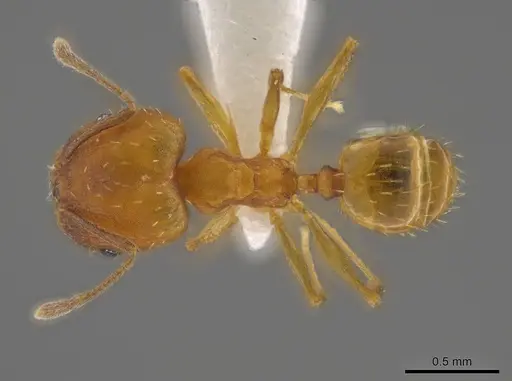
Literature
Loading...Loading products...