

Pheidole magna
- Scientific Name
- Pheidole magna
- Tribe
- Attini
- Subfamily
- Myrmicinae
- Author
- Eguchi, 2006
- Distribution
- Found in 1 countries
Pheidole magna Overview
Pheidole magna is an ant species of the genus Pheidole. It is primarily documented in 1 countries , including China. Detailed taxonomic data and occurrence records can be further explored via authoritative databases such as AntWeb or the Global Biodiversity Information Facility (GBIF).
Pheidole magna
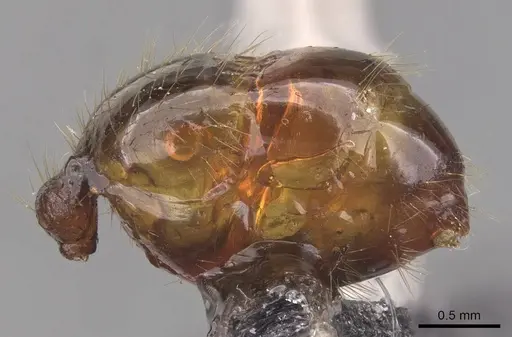
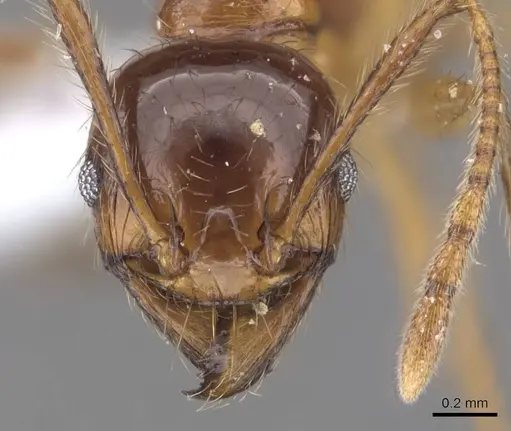
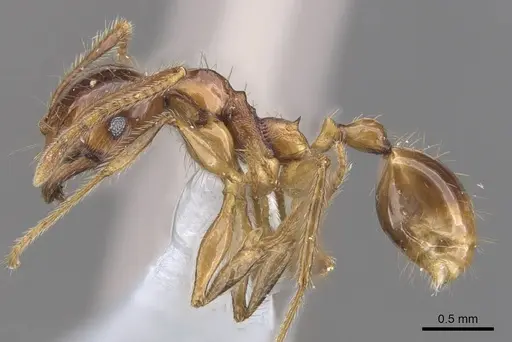
Pheidole magna is a large-bodied ant species native to northern Vietnam and surrounding regions. Majors (soldier ants) are impressively sized at 2.13-2.32mm head width, making them one of the larger Pheidole species. The head has a largely smooth and shining vertexal lobe, and the body features a distinctive prominence on the rear slope of the promesonotal dome. Minors are significantly smaller at 0.79-0.90mm head width, with a smooth and shining appearance. This high-altitude species (found at 1000m+) occurs from relatively open habitats into forests and nests in soil and rotting logs. A notable trait is that major workers function as repletes, storing liquid food in their expanded abdomens to share with the colony.
Quick Summary
- Difficulty: Medium
- Origin & Habitat: Northern Vietnam and Yunnan Province, China. Found at high altitudes (1000-1800m) in both open areas and forests, nesting in soil and rotting logs [1][2].
- Colony Type: Colony structure is not directly documented. Based on typical Pheidole patterns, likely single-queen (monogyne) colonies.
- Colony: Monogyne
- Founding: Claustral
- Size & Growth:
- Queen: Not documented in original description, estimate based on major worker size suggests queens likely 6-8mm
- Worker: Majors: 2.13-2.32mm HW, Minors: 0.79-0.90mm HW [1]
- Colony: Colony size not documented in available literature
- Growth: Growth rate is unknown, likely moderate based on typical Pheidole patterns
- Development: Egg-to-worker timeline is unconfirmed. Based on typical Pheidole development at room temperature, estimate 6-10 weeks (This is an estimate based on genus-level data, not species-specific measurements)
- Antkeeping:
- Temperature: As a high-altitude species from northern Vietnam, keep them cooler than typical tropical ants. Aim for 18-22°C, avoiding overheating. Room temperature is likely suitable. A slight temperature gradient allows ants to choose their preferred zone.
- Humidity: They nest in soil and rotting logs, indicating moderate humidity needs. Keep the nest substrate moist but not waterlogged, with some drier areas available. Think damp forest floor conditions.
- Diapause: Diapause requirements are unconfirmed. As a high-altitude species from a region with distinct seasons, expect a winter rest period. Reduce feeding and keep at 10-15°C for 2-3 months during winter.
- Nesting: In nature they nest in soil and rotting logs. In captivity, a naturalistic setup with soil substrate or a Y-tong/plaster nest works well. They need space for majors to move around and function as repletes.
- Behavior: This species is generally calm and not aggressive. Major workers serve as repletes, storing liquid food, this means they can accept sugar water and honey. They are moderate foragers and likely seed-harvesters like other Pheidole. Escape risk is moderate since majors are large, but minors are small enough to require standard barrier precautions.
- Common Issues: high altitude origin means they may struggle in warm conditions, avoid overheating, colonies may fail if kept too warm year-round without winter rest period, small minor workers can escape through standard barriers, use fine mesh, slow growth may frustrate beginners, patience is needed, wild-caught colonies may have parasites that affect survival in captivity
Nest Preferences and Housing
Pheidole magna nests in soil and rotting logs in the wild, so a naturalistic setup with a soil substrate works well for this species. You can use a formicarium with dirt or a Y-tong/plaster nest that maintains appropriate humidity. The key is providing a moist substrate that mimics their natural forest floor environment without becoming waterlogged. Since majors serve as repletes, include areas where they can store liquid food. A nest depth of 1-2cm is sufficient for the small minors, with chambers sized appropriately for the large majors to move through comfortably. [1][2]
Feeding and Diet
Like other Pheidole species, these ants are omnivorous with a preference for protein and seeds. Offer protein sources like small insects (fruit flies, small mealworms, crickets) regularly. The major workers functioning as repletes means they can accept liquid sugar sources, offer sugar water or honey water occasionally. Seeds can be provided as enrichment, though acceptance may vary. Feed protein 2-3 times per week and keep a sugar source available. Remove uneaten food promptly to prevent mold. [1]
Temperature and Seasonal Care
This is a high-altitude species from northern Vietnam, so they prefer cooler conditions than typical tropical ants. Keep the nest at 18-22°C, this is cooler than many ant species and closer to room temperature in temperate homes. Avoid placing them in direct sunlight or near heat sources, as overheating can be fatal. During winter, reduce temperature to 10-15°C for 2-3 months to simulate their natural seasonal cycle. Reduce feeding during this period. The high-altitude origin suggests they are adapted to cooler, more temperate conditions. [1][2]
Behavior and Colony Dynamics
The most distinctive trait of Pheidole magna is that major workers serve as repletes, they store liquid food in their expanded abdomens and regurgitate it to share with the colony. This makes them somewhat like living food storage containers. Majors are significantly larger than minors and have distinctive head morphology with a smooth vertexal lobe. Colonies likely develop a stable ratio of majors to minors over time. They are not particularly aggressive and typically stay calm when the nest is undisturbed. Foraging activity is moderate, with workers emerging to collect seeds and small prey. [1]
Growth and Development
Colony growth is expected to be moderate. First workers (nanitics) will be smaller than normal workers and may take 6-10 weeks to develop based on typical Pheidole patterns. The large size of majors means they require more resources to develop fully. Expect the colony to grow steadily over the first year with consistent feeding. The presence of major repletes means the colony can store food efficiently, which may support steady growth when fed regularly. Patience is important, Pheidole colonies often take time to establish robust populations. [1]
Frequently Asked Questions
How long does it take for Pheidole magna to get first workers?
The exact timeline is unconfirmed, but based on typical Pheidole development, expect 6-10 weeks from egg to first worker at room temperature (around 20°C). This is an estimate since species-specific development data is not available.
What do Pheidole magna ants eat?
They are omnivorous. Offer protein like small insects (fruit flies, small mealworms) 2-3 times per week. Since majors function as repletes, they can accept sugar water or honey water. Seeds may also be accepted. Remove uneaten food promptly.
What temperature do Pheidole magna ants need?
Keep them cooler than most ants, around 18-22°C. As a high-altitude species from northern Vietnam, they prefer temperate conditions. Avoid overheating and keep away from direct heat sources.
Do Pheidole magna ants need hibernation?
Diapause is unconfirmed but expected given their high-altitude origin. Reduce temperature to 10-15°C for 2-3 months during winter and reduce feeding. This mimics their natural seasonal cycle in mountain habitats.
Are Pheidole magna good for beginners?
They are rated Medium difficulty. The main challenges are their need for cooler temperatures (not suitable for warm rooms), the expectation of winter rest, and slower growth. Experienced antkeepers will have better success. Beginners should ensure they can provide appropriate cool conditions.
How big do Pheidole magna colonies get?
Colony size is not documented in available literature. Based on typical Pheidole patterns, expect several hundred workers at maturity. The large majors and small minors coexist in the colony.
Can I keep multiple Pheidole magna queens together?
Colony structure is unconfirmed, but Pheidole are typically single-queen colonies. Combining unrelated queens is not recommended since it has not been documented for this species.
What size nest do Pheidole magna need?
Use a nest with chambers sized for their large majors to move through comfortably. A Y-tong or plaster nest with soil-like moisture retention works well. They need enough space for majors, minors, and brood. Start with a small setup and expand as the colony grows.
Why are my Pheidole magna dying?
Common causes include: overheating (keep below 22°C), improper humidity (too wet or too dry), lack of winter rest period, or parasites from wild-caught colonies. Ensure cool, stable conditions and appropriate moisture. If from a wild-caught colony, parasites are a common issue.
References

This caresheet is licensed under CC BY-SA 4.0 .
CASENT0905883
View on AntWeb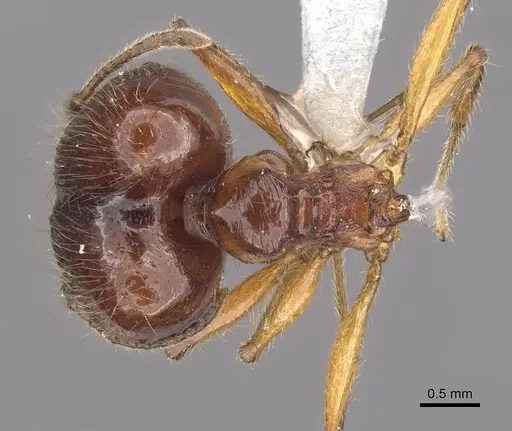
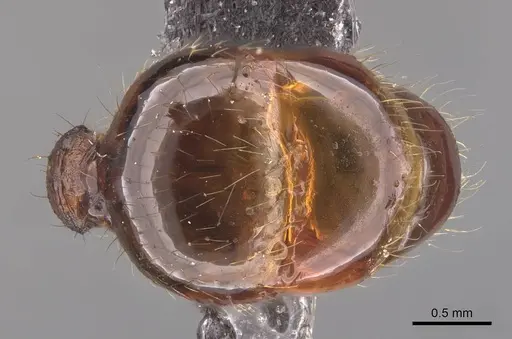
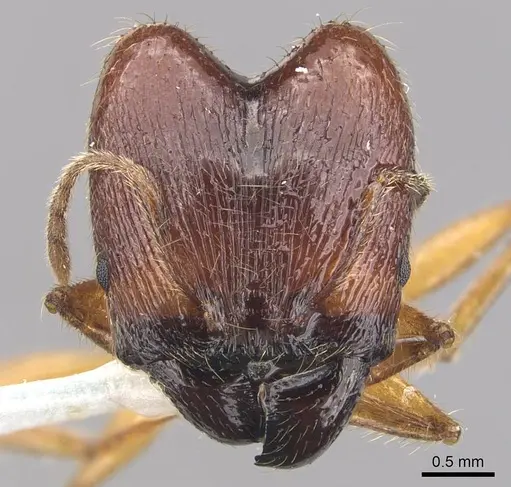
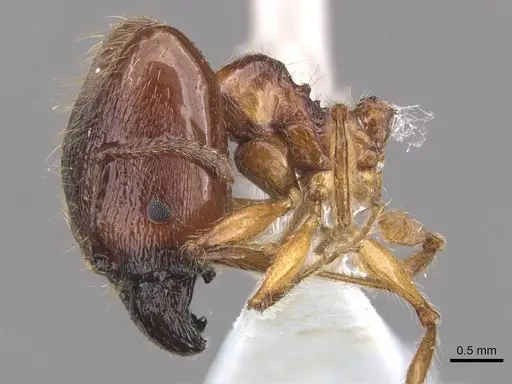
CASENT0905884
View on AntWeb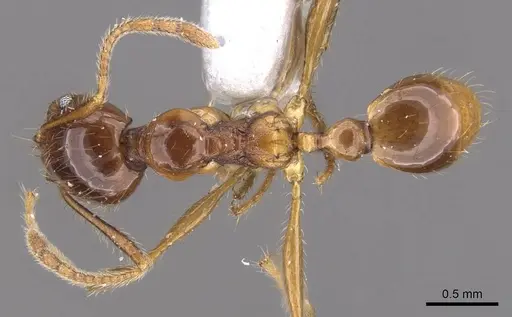
Literature
Loading...Loading products...