

Pheidole macrops
- Scientific Name
- Pheidole macrops
- Tribe
- Attini
- Subfamily
- Myrmicinae
- Author
- Wilson, 2003
- Distribution
- Found in 1 countries
Pheidole macrops Overview
Pheidole macrops is an ant species of the genus Pheidole. It is primarily documented in 1 countries , including Mexico. Detailed taxonomic data and occurrence records can be further explored via authoritative databases such as AntWeb or the Global Biodiversity Information Facility (GBIF).
Pheidole macrops
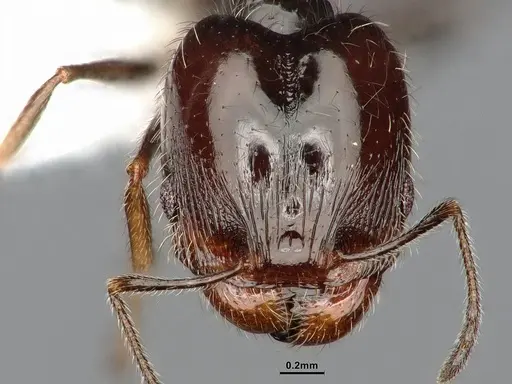
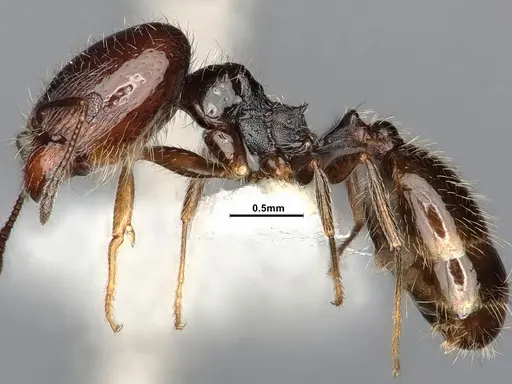
Pheidole macrops is a member of the hyperdiverse Pheidole genus, known for their distinctive two-worker caste system. Major workers have the characteristic large heads that give this group the common name 'big-headed ants', while minor workers are much smaller and more numerous. The species name 'macrops' means 'large-eyed' in Latin, suggesting this species has notably large eyes compared to related species. In common with other Pheidole species, colonies contain both major and minor workers, majors use their powerful jaws to process seeds and defend the colony, while minors handle most foraging and brood care. Pheidole macrops is likely found in tropical or subtropical regions, though exact distribution data is limited for this specific species.
Quick Summary
- Difficulty: Medium
- Origin & Habitat: Distribution is not well-documented in available literature. Most Pheidole species are found in tropical and subtropical regions worldwide, typically nesting in soil, under stones, or in rotting wood. Estimated origin based on genus patterns.
- Colony Type: Colony structure is unconfirmed for this species. Many Pheidole species form single-queen colonies, though some can have multiple queens. The typical Pheidole colony structure involves one reproductive queen supported by both major and minor worker castes.
- Founding: Claustral
- Size & Growth:
- Queen: Estimated 5-8mm based on typical Pheidole queen size [1]
- Worker: Minor workers 2-3mm, major workers 3-5mm based on genus patterns [1]
- Colony: Likely reaches several thousand workers based on typical Pheidole colony development [1]
- Growth: Moderate, Pheidole colonies typically grow steadily but not rapidly
- Development: Estimated 6-10 weeks at optimal temperature based on typical Pheidole development [1] (Development time varies with temperature. Major workers (soldiers) typically appear after the colony reaches several hundred workers.)
- Antkeeping:
- Temperature: Keep at 22-26°C. Most Pheidole species thrive in warm, stable conditions. A heating cable on one side of the nest can create a gentle gradient if room temperature is below this range.
- Humidity: Moderate humidity around 50-70%. Keep the nest substrate slightly moist but not waterlogged. Pheidole species often prefer drier conditions than many tropical ants.
- Diapause: Likely not required. Most tropical Pheidole species do not enter true diapause. However, a slight reduction in temperature during winter months may be beneficial.
- Nesting: Test tube setups work well for founding colonies. For established colonies, Y-tong nests or plaster nests with moderate moisture work well. They do well with a simple outworld for foraging.
- Behavior: Generally peaceful and non-aggressive. Major workers have powerful jaws but rarely sting. They are primarily granivorous, collecting seeds, but also eat small insects and tend aphids for honeydew. Foraging activity is moderate, minor workers search for food while majors stay near the nest or process larger items. Escape risk is low to moderate, they are not particularly fast but can climb smooth surfaces. Standard escape prevention with fluon on test tube rims is recommended.
- Common Issues: colonies may stall if temperatures drop below 20°C, keep warm and stable, major workers may not appear until the colony is well-established, this is normal, overfeeding can lead to mold problems, remove uneaten food promptly, test tube setups can dry out, monitor moisture levels and rehydrate as needed, wild-caught colonies may contain parasites that can devastate captive colonies
Housing and Nest Setup
For founding colonies, a simple test tube setup works excellently. Fill a test tube one-third with water, plug with cotton, and place the queen in the tube. The cotton should be tight enough to prevent the queen from escaping but loose enough to allow her to move. For established colonies with 50+ workers, a Y-tong (acrylic) nest or plaster nest provides more space. Pheidole macrops does not require elaborate nesting conditions, they do well in test tubes, acrylic nests, or naturalistic setups with soil. The outworld should be simple with a foraging area and space for food. Standard escape prevention with fluon on rim edges is recommended, though they are not particularly aggressive escape artists.
Feeding and Diet
Pheidole species are primarily granivorous, meaning they collect and eat seeds. In captivity, offer a variety of seeds including grass seeds, millet, and commercial ant seed mixes. They also readily accept protein sources like small insects (fruit flies, small crickets, mealworms) and will scavenge dead insects. Sugar water or honey can be offered occasionally, though seeds are their primary food source. Feed seeds continuously and protein 2-3 times per week. Remove uneaten food promptly to prevent mold. Major workers use their large heads to crack and process seeds for the entire colony.
Temperature and Seasonal Care
Maintain temperatures between 22-26°C for optimal colony development. Pheidole macrops is likely from a tropical or subtropical region and prefers consistent warmth. A heating cable placed on one side of the nest can provide a temperature gradient if needed. Avoid temperatures below 18°C for extended periods as this can slow or stop colony growth. Unlike temperate species, they likely do not require a true diapause period. However, slight seasonal variations in temperature (slightly cooler in winter) may be natural and are generally well-tolerated.
Colony Development and Castes
Pheidole colonies are characterized by their two worker castes: minor workers and major workers (sometimes called soldiers). Minor workers are small, numerous, and handle most tasks including foraging, brood care, and nest maintenance. Major workers have disproportionately large heads and powerful mandibles, they specialize in seed processing and colony defense. Major workers typically only appear after the colony reaches several hundred workers. This is completely normal and indicates a healthy, growing colony. The development timeline from egg to first worker is typically 6-10 weeks at optimal temperature, with major workers appearing months later as the colony expands.
Frequently Asked Questions
How long does it take for Pheidole macrops to raise their first workers?
Based on typical Pheidole development, expect 6-10 weeks from egg to first worker at optimal temperature (22-26°C). This timeline varies with temperature, warmer conditions speed development while cooler conditions slow it.
When will major workers appear in my Pheidole macrops colony?
Major workers typically appear once the colony reaches several hundred workers, which may take several months to a year after founding. This is completely normal, the colony prioritizes minor workers first for colony growth, then produces majors for specialized tasks.
What do Pheidole macrops ants eat?
They are primarily granivorous, offer various seeds like grass seeds, millet, or commercial ant seed mixes. They also accept small insects (fruit flies, small crickets, mealworms) and occasionally sugar water or honey. Seeds should be available continuously.
Are Pheidole macrops good for beginners?
Yes, they are generally considered a good species for intermediate keepers. They are relatively hardy, don't require extreme humidity, and are peaceful. The main challenge is their moderate growth rate and the wait for major workers to appear.
Do Pheidole macrops need hibernation?
Likely no. As a likely tropical or subtropical species, they do not require true diapause. A slight reduction in temperature during winter (to around 18-20°C) may be natural but is not required.
How big do Pheidole macrops colonies get?
Based on typical Pheidole species, colonies can reach several thousand workers. The largest colonies are typically several years old.
Can I keep multiple queens together?
The colony structure for this specific species is unconfirmed. Many Pheidole species are single-queen (monogyne). It is generally not recommended to combine unrelated foundress queens as they typically fight.
What temperature is best for Pheidole macrops?
Keep them at 22-26°C. Consistent warmth within this range promotes optimal brood development and colony growth.
When should I move my colony to a formicarium?
Move from test tube to a larger nest once the colony reaches 50-100 workers. This typically happens within 6-12 months of founding. A Y-tong or plaster nest works well for Pheidole species.
References

This caresheet is licensed under CC BY-SA 4.0 .
CASENT4031426
View on AntWeb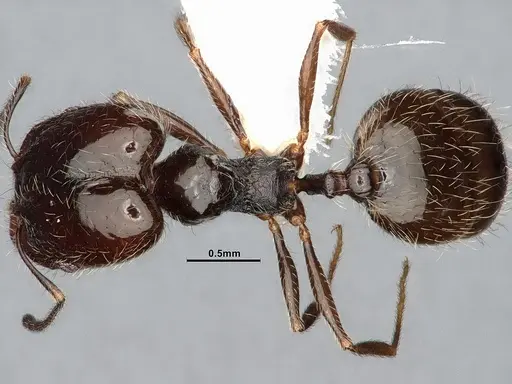
Literature
Loading...Loading products...