

Pheidole lutzi
- Scientific Name
- Pheidole lutzi
- Tribe
- Attini
- Subfamily
- Myrmicinae
- Author
- Forel, 1905
- Distribution
- Found in 2 countries
Pheidole lutzi Overview
Pheidole lutzi is an ant species of the genus Pheidole. It is primarily documented in 2 countries , including Brazil, Colombia. Detailed taxonomic data and occurrence records can be further explored via authoritative databases such as AntWeb or the Global Biodiversity Information Facility (GBIF).
Pheidole lutzi
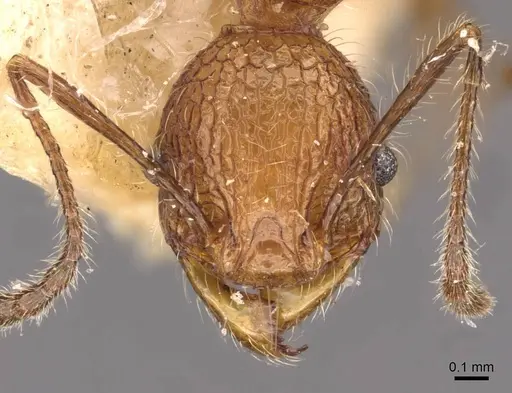
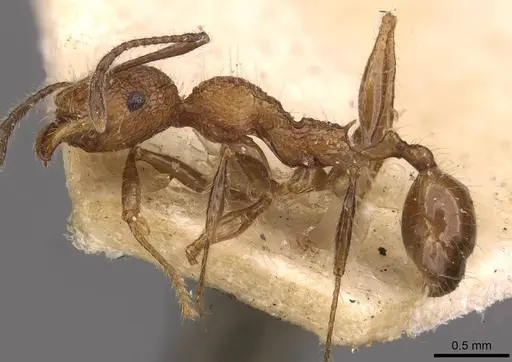
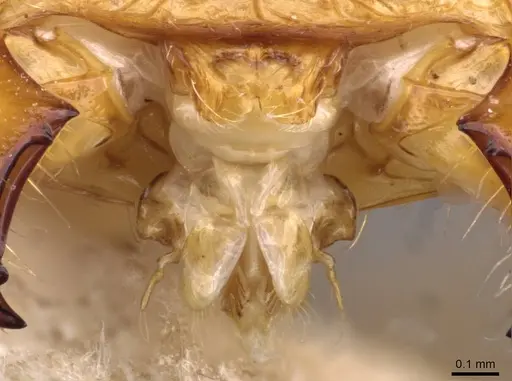
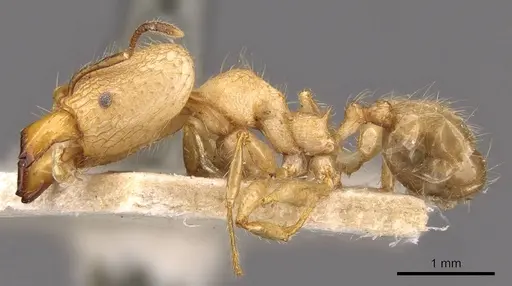
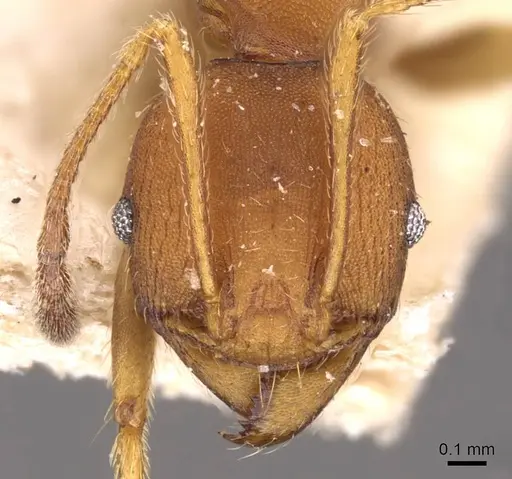
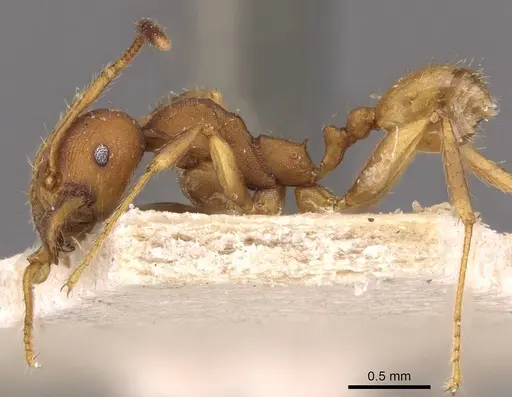
Pheidole lutzi is a small Neotropical ant species native to Brazil, first described by Forel in 1905. The species is named after its collector, Adolpho Lutz. These ants have the characteristic Pheidole dimorphic worker caste: majors (soldiers) with enlarged heads measuring 1.26mm in head width, and smaller minors at 0.70mm head width. Both castes are reddish brown in color, with majors having slightly darker heads and mesosomas. The type specimens were collected from a cavity inside a bamboo trunk in Serra da Cantareira, São Paulo, Brazil. This is one of the few Pheidole species documented in the Colombian Amazon, suggesting a broader distribution than initially known [1][2][3].
Like other Pheidole species, P. lutzi is a seed-harvesting ant with major workers that help process larger food items. The genus Pheidole is known for its efficient colony organization and moderate growth rates. This species remains poorly studied in captivity, but its bamboo-nesting habit suggests it prefers humid, enclosed spaces with stable conditions.
Quick Summary
- Difficulty: Medium
- Origin & Habitat: Native to the Neotropical region of Brazil, specifically Serra da Cantareira in São Paulo state. Also documented in the Colombian Amazon. Found in forest habitats, particularly in cavities within bamboo stalks [1][2][3].
- Colony Type: Single-queen (monogyne) colonies, typical of most Pheidole species. Colonies likely reach moderate sizes of several hundred workers based on genus patterns.
- Colony: Monogyne
- Founding: Claustral
- Size & Growth:
- Queen: Approximately 5-6mm (estimated from genus patterns)
- Worker: Minor workers: 0.70mm HW, Major workers: 1.26mm HW [1]
- Colony: Several hundred workers (estimated from genus patterns)
- Growth: Moderate
- Development: 6-8 weeks (estimated based on typical Pheidole development at 24-26°C) (Development time estimated from related Neotropical Pheidole species. Higher temperatures within safe range may accelerate development.)
- Antkeeping:
- Temperature: Keep at 24-28°C. This is a tropical species from Brazil and Colombia that thrives in warm, stable conditions. A heating cable on one side of the nest creates a suitable gradient.
- Humidity: High humidity, around 70-80%. Their natural habitat in bamboo cavities and tropical forests is consistently humid. Keep the nest substrate moist but not waterlogged.
- Diapause: No, as a tropical species, they do not require hibernation. Maintain warm conditions year-round.
- Nesting: Prefers enclosed nest spaces that stay humid. Y-tong (AAC) nests or plaster nests work well. The species was collected from inside bamboo, so they likely appreciate tight, dark chambers. Avoid dry, airy setups.
- Behavior: Typical Pheidole behavior, majors are more defensive and help process seeds and larger prey, while minors handle most foraging and brood care. They are not particularly aggressive toward keepers but will defend the nest. Workers are active foragers that search for seeds and small insects. Escape risk is moderate, use standard barriers but fine mesh is not critical as they are not extremely small.
- Common Issues: tropical species needs warmth, cold temperatures will slow or stop brood development, requires high humidity, dry conditions cause brood death and colony decline, poorly documented in captivity, expect some trial and error when establishing the first colonies, seed-eating ants need grit/small particles for processing, ensure your formicarium has appropriate substrate
Nest Preferences
In the wild, Pheidole lutzi has been collected from inside bamboo cavities, specifically from a hollow chamber within a bamboo trunk. This tells us they prefer enclosed, dark spaces that maintain stable humidity. For captive care, Y-tong (AAC) nests or plaster nests work well because they hold humidity effectively. The chambers should be appropriately sized to the ant size, not overly large. Avoid naturalistic setups with large open spaces, as this species prefers to stay hidden in tight cavities. A test tube setup can work for founding colonies, but transfer to a proper nest once the colony reaches 20-30 workers. [1]
Feeding and Diet
Pheidole lutzi belongs to the tribe Attini, which are primarily seed-harvesting ants. In captivity, offer a mix of seeds (millet, chia, sesame, cracked sunflower seeds) as a staple food. Protein is also important, offer small insects like fruit flies, pinhead crickets, or mealworm pieces once or twice weekly. Sugar water or honey can be offered occasionally, though this species is not as dependent on sugar as some other ants. The major workers will help process larger seeds and prey items, making them efficient at handling varied diets. Remove uneaten fresh food within 24-48 hours to prevent mold.
Temperature and Care
As a tropical species from Brazil and Colombia, Pheidole lutzi needs warm conditions. Keep the nest area at 24-28°C for optimal brood development. Room temperature may be sufficient if your home stays in this range, otherwise use a heating cable on one side of the nest to create a gentle gradient. Place the heating element on top of the nest, not underneath, to avoid drying out the substrate. Unlike temperate species, this ant does not require any winter cooling or diapause. Maintain warm conditions year-round. Temperature below 20°C will slow development significantly, and prolonged cold can kill the colony. [3]
Behavior and Temperament
This species displays typical Pheidole colony organization. Minor workers handle most tasks: foraging, brood care, and nest maintenance. Major workers (the larger soldiers) specialize in seed processing and colony defense. When threatened, majors may emerge to defend the nest entrance. They are not particularly aggressive toward humans and rarely sting. The sting is present but minor, these ants are too small to cause meaningful pain to humans. Workers are active foragers that will readily explore outworlds for food. Colonies establish relatively quickly once the first workers emerge, with growth becoming more noticeable in the months that follow.
Frequently Asked Questions
How long does it take for Pheidole lutzi to raise first workers?
Expect first workers (nanitics) to emerge 6-8 weeks after the queen lays her first eggs, assuming temperatures around 24-26°C. This is typical for Pheidole species. The queen will remain in her sealed chamber until the first workers emerge, then begin expanding the colony.
What do Pheidole lutzi ants eat?
They are seed-harvesting ants (Attini tribe) that also accept small insects. Offer a variety of seeds like millet, sesame, and cracked sunflower seeds as a staple. Supplement with small protein sources like fruit flies, pinhead crickets, or mealworm pieces twice weekly. Occasional honey or sugar water can be offered but is not required.
Can I keep multiple Pheidole lutzi queens together?
No. Pheidole lutzi is a single-queen (monogyne) species. Combining unrelated queens will result in fighting. Only keep one queen per colony. If you find multiple dealate queens, house them separately from the start.
Do Pheidole lutzi ants need hibernation?
No. As a tropical species from Brazil and Colombia, they do not require diapause or winter cooling. Keep them warm year-round at 24-28°C. Cold temperatures will slow or stop brood development.
What temperature is best for Pheidole lutzi?
Keep them at 24-28°C. This tropical species thrives in warm, stable conditions. A heating cable on part of the nest can provide a gradient if your room temperature is below this range. Avoid temperatures below 20°C for extended periods.
What humidity level do they need?
High humidity, around 70-80%. Their natural habitat in bamboo cavities and tropical forests is consistently moist. Keep the nest substrate damp but not flooded. Dry conditions will kill brood and weaken the colony.
Are Pheidole lutzi good for beginners?
This species is rated as Medium difficulty. While not the easiest species, Pheidole lutzi is manageable for intermediate antkeepers. The main challenges are maintaining proper humidity and warmth. They are not as demanding as some tropical species, but they do require consistent conditions.
How big do Pheidole lutzi colonies get?
Based on genus patterns, colonies likely reach several hundred workers over time. Major workers appear once the colony grows larger, typically when there are 50+ workers. The presence of majors is a sign of a healthy, maturing colony.
When should I move my colony to a formicarium?
Move from a test tube to a proper nest once the colony reaches 20-40 workers or when the test tube becomes cramped. Y-tong or plaster nests work well for this species. Make sure the new nest is appropriately sized, too large a space can stress small colonies.
References

This caresheet is licensed under CC BY-SA 4.0 .
CASENT0908189
View on AntWeb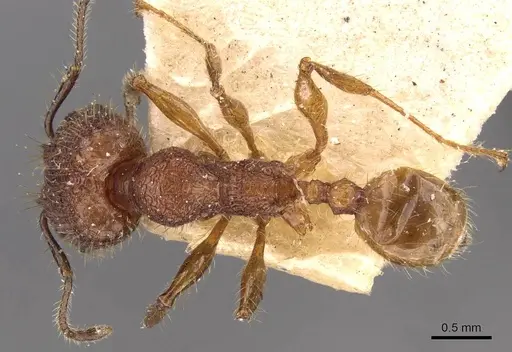
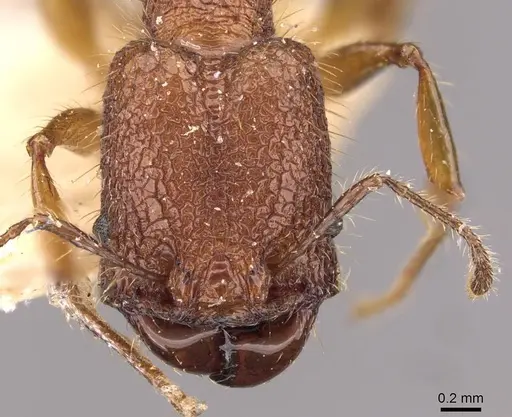
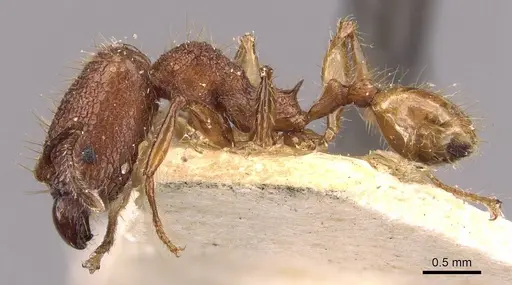
CASENT0908190
View on AntWeb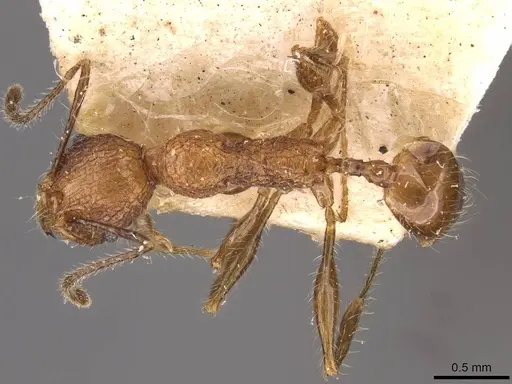
CASENT0908191
View on AntWeb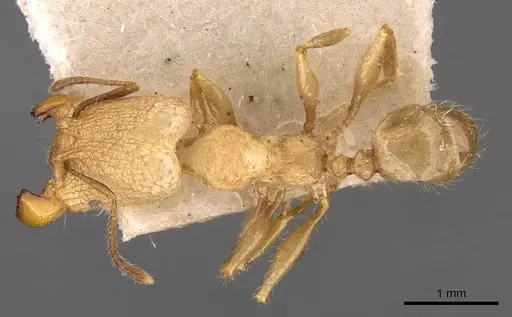
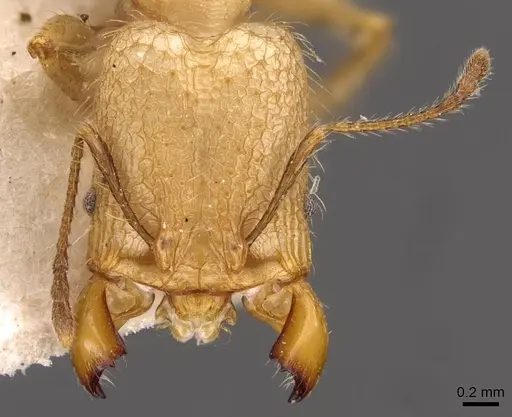
CASENT0908192
View on AntWeb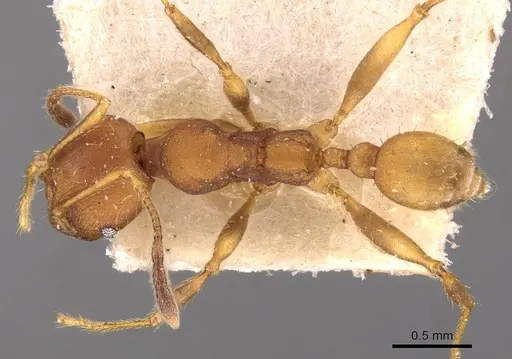
Literature
Loading...Loading products...