

Pheidole luteipes
- Scientific Name
- Pheidole luteipes
- Tribe
- Attini
- Subfamily
- Myrmicinae
- Author
- Emery, 1914
- Distribution
- Found in 1 countries
Pheidole luteipes Overview
Pheidole luteipes is an ant species of the genus Pheidole. It is primarily documented in 1 countries , including New Caledonia. Detailed taxonomic data and occurrence records can be further explored via authoritative databases such as AntWeb or the Global Biodiversity Information Facility (GBIF).
Pheidole luteipes
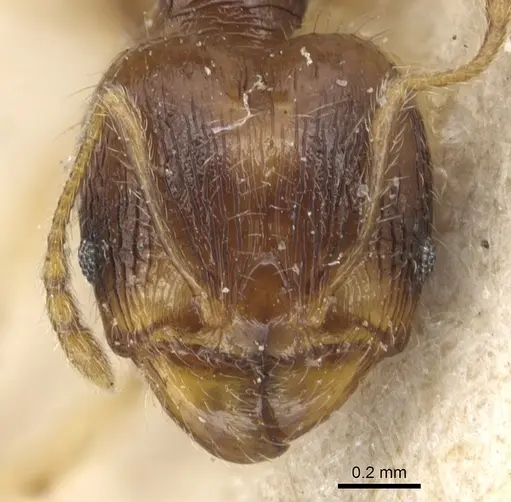
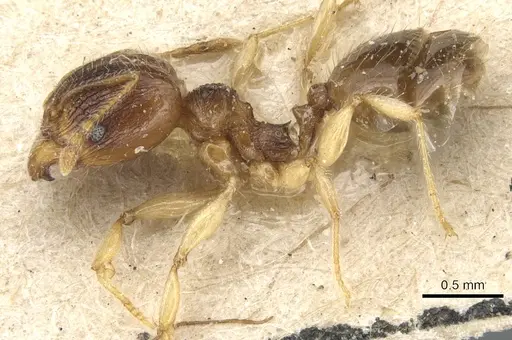
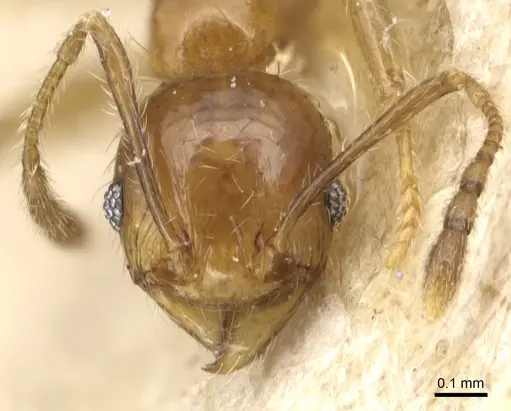
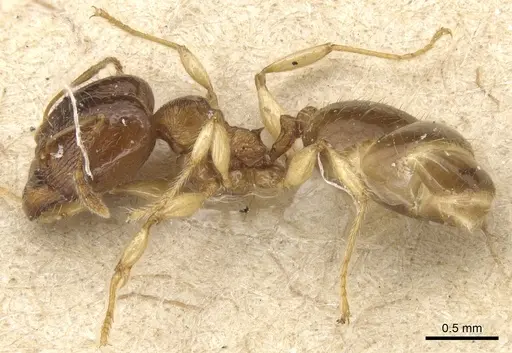
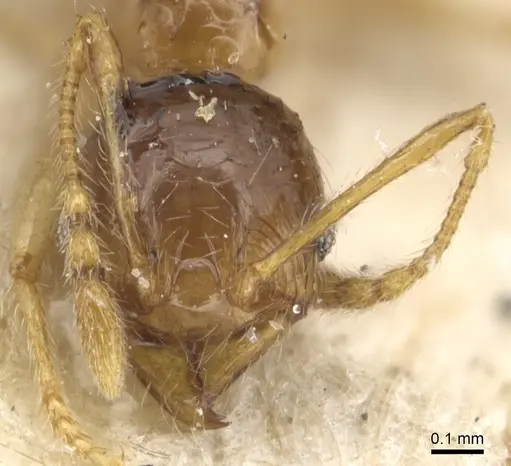
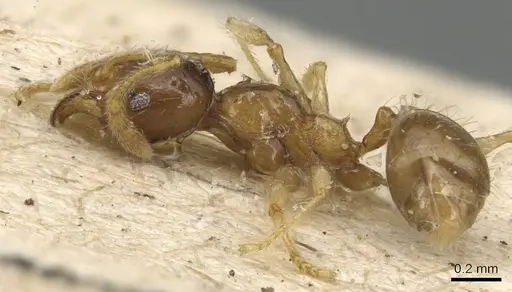
Pheidole luteipes is a small ant species endemic to New Caledonia, a Pacific island in the southwestern Pacific. Workers are tiny at just 2-3mm, with the characteristic big-headed majors that define the Pheidole genus. The species has a distinctive yellowish-brown coloration. This ant is extremely rare in the wild, found only in dry sclerophyll forest habitats dominated by mature gaiac (Acacia) woodlands at least 5 years post-fire. It shows peak abundance in April and contributes to specific ecological studies of New Caledonia's ant fauna. The species was originally described by Emery in 1914 and remains poorly studied in captivity.
Quick Summary
- Difficulty: Medium
- Origin & Habitat: Endemic to New Caledonia, an island in the southwestern Pacific Ocean. Found exclusively in dry sclerophyll forest and late-stage post-fire succession habitats, particularly in areas with mature gaiac (Acacia) woodland at least 5 years after fire [1][2]. Peak abundance occurs in April [2]. Very low abundance in the wild at only 0.12 individuals per station [1].
- Colony Type: Colony structure is unconfirmed. Based on typical Pheidole patterns, likely single-queen (monogyne) colonies. No data on ergatoid replacement reproductives for this species.
- Colony: Monogyne
- Founding: Claustral
- Size & Growth:
- Queen: Estimated 5-7mm based on typical Pheidole genus measurements [3]
- Worker: 2-3mm (minor workers), majors slightly larger with enlarged heads [3]
- Colony: Estimated up to several hundred workers based on typical Pheidole colony sizes [3]
- Growth: Moderate, typical for Pheidole genus
- Development: Estimated 6-8 weeks at optimal temperature based on typical Pheidole development [3] (Development timeline is inferred from genus patterns, not directly studied for this species)
- Antkeeping:
- Temperature: Keep at 22-26°C. New Caledonia has a subtropical to tropical climate, so these ants prefer warm conditions. A gentle heat gradient on one side of the nest allows workers to regulate their temperature [3].
- Humidity: Moderate humidity around 50-70%. Their natural habitat in dry sclerophyll forest is not constantly wet, but they need access to moisture. Keep the nest substrate lightly moist but allow some drying areas [1].
- Diapause: Unlikely, New Caledonia has mild winters without prolonged cold periods. These ants likely remain active year-round with reduced activity in cooler months.
- Nesting: In the wild they nest in soil under stones in dry forest habitats. In captivity, a Y-tong (AAC) nest or plaster nest works well. They prefer tight chambers and narrow passages scaled to their tiny size. Avoid tall, open spaces.
- Behavior: Typical Pheidole behavior, workers are active foragers that recruit nestmates to food sources. Colonies are not aggressive but majors can deliver a mild bite if threatened. They are escape artists due to their small size, use fine mesh and tight-fitting lids. Workers readily accept seeds and protein sources. They are diurnal and actively forage throughout the nest area.
- Common Issues: escape prevention is critical due to their tiny size, they can squeeze through standard test tube barriers, very low abundance in the wild means wild-caught colonies are rare and difficult to obtain, slow growth compared to faster-developing tropical species may frustrate beginners, dry habitat preferences mean overwatering can cause mold problems, limited research means care recommendations are based on genus patterns rather than species-specific studies
Natural History and Distribution
Pheidole luteipes is a true endemic of New Caledonia, meaning it is found nowhere else on Earth. This makes it a particularly interesting species for antkeepers who want something truly unique. The species was originally described by Carlo Emery in 1914 from specimens collected on the island. In the wild, they inhabit dry sclerophyll forest, a type of vegetation characterized by hard, leathery leaves and dry conditions. They are most commonly found in areas where gaiac (Acacia) trees have been established for at least 5 years after fire events, suggesting they prefer mature, established woodland rather than recently disturbed areas. Their abundance is extremely low in the wild, with researchers recording only about 0.12 individuals per sampling station, one of the rarest ant species documented in New Caledonian ecological studies [1]. Peak activity occurs in April, which likely corresponds to optimal environmental conditions.
Housing and Nest Setup
For such a small ant species, housing requires attention to scale. Use nests with tight chambers and narrow passages, these ants feel secure in compact spaces and may be stressed in large, open areas. A Y-tong (acrylic) nest or plaster nest works well for Pheidole luteipes. The nest should have a water reservoir to maintain light moisture without flooding. Because they come from dry forest habitats, allow portions of the nest to dry out between rehydrations. For the outworld, keep it simple, a shallow foraging area with easy access to food. Escape prevention is critical: their tiny size means they can squeeze through gaps that larger ants cannot. Use fine mesh on any ventilation holes and ensure all connections are sealed. A Fluon barrier on the rim of the foraging area provides additional protection against escapes. [3]
Feeding and Diet
Like other Pheidole species, these ants are omnivorous and will accept a variety of foods. Their diet in nature likely includes seeds, small insects, and honeydew from aphids. In captivity, offer protein sources such as small crickets, mealworms, or other tiny insects twice weekly. They will also collect seeds, offering bird seed or grass seeds provides natural foraging behavior. Sugar water or honey can be offered occasionally, though Pheidole species are not as strongly attracted to sweets as some other ants. Remove uneaten food after 24-48 hours to prevent mold. Fresh water should always be available. Their small size means even modest portions satisfy the colony, avoid overfeeding which leads to mold problems in their dry-preferring nest. [3]
Temperature and Seasonal Care
New Caledonia has a subtropical climate with warm temperatures year-round. Keep your colony at 22-26°C for optimal activity and development. A heating cable on one side of the nest creates a temperature gradient that lets workers choose their preferred zone. Avoid temperatures below 18°C for extended periods. Unlike temperate species, these ants likely do not require a true hibernation period. During cooler months, you may see reduced activity and foraging, which is normal, simply reduce feeding frequency. The key is stability: avoid sudden temperature swings that can stress the colony. Room temperature in most homes falls within their acceptable range, making them relatively easy to maintain year-round. [3]
Colony Development and Growth
Pheidole luteipes colonies likely start with a claustral founding queen who seals herself in a chamber and raises the first brood using stored fat reserves. The first workers (nanitics) will be smaller than normal workers, which is typical for the genus. Development from egg to worker probably takes 6-8 weeks at optimal temperature, based on typical Pheidole patterns. Colonies grow moderately, not as fast as some tropical species but faster than cold-climate ants. The characteristic major workers (soldiers) with enlarged heads typically appear once the colony reaches several dozen workers. Their role is defense and seed processing. Maximum colony size is likely several hundred workers given typical Pheidole colony sizes. Be patient with founding colonies, it can take several months before you see significant growth. [3]
Behavior and Temperament
These ants show typical Pheidole behavior: active foragers that quickly recruit nestmates to food discoveries. Workers are diligent and maintain clear trails between the nest and food sources. When the colony grows large enough, you'll see major workers (soldiers) with their distinctive enlarged heads, these are used for seed crushing and colony defense. They are not particularly aggressive toward humans, but majors can deliver a mild bite if they feel threatened. Their small size makes them appear delicate, but they are actually quite resilient when kept within appropriate conditions. They are diurnal, with most foraging activity occurring during daylight hours. The colony will establish clear territorial boundaries and maintain the nest area efficiently. [3]
Frequently Asked Questions
How long does it take for Pheidole luteipes to get their first workers?
Based on typical Pheidole development, expect 6-8 weeks from egg to first worker at optimal temperature (22-26°C). Founding colonies can be slow, be patient during the claustral phase when the queen is sealed in and raising her first brood alone.
What do Pheidole luteipes ants eat?
They are omnivorous. Offer small insects (crickets, mealworms) as protein twice weekly, and they will also collect seeds. Sugar water or honey can be offered occasionally. Remove uneaten food after 24-48 hours to prevent mold.
What temperature do Pheidole luteipes need?
Keep them at 22-26°C. A heating cable on one side of the nest creates a gradient. They prefer warm conditions matching their New Caledonian habitat.
Are Pheidole luteipes good for beginners?
They are rated as medium difficulty. Their small size requires good escape prevention, and their care is based on genus patterns rather than species-specific research. They are best suited for keepers with some experience who can provide appropriate housing.
How big do Pheidole luteipes colonies get?
Based on typical Pheidole colony sizes, expect several hundred workers at maturity. They are not among the largest Pheidole species.
Do Pheidole luteipes need hibernation?
Unlikely. New Caledonia has mild winters without prolonged cold. These ants probably remain active year-round with reduced activity in cooler months.
What humidity level do they need?
Moderate humidity around 50-70%. Their natural habitat in dry sclerophyll forest is not constantly wet. Keep the nest substrate lightly moist but allow some drying areas.
Where is Pheidole luteipes found in the wild?
They are endemic to New Caledonia, found only in dry sclerophyll forest with mature gaiac woodland. They are extremely rare with very low abundance in the wild.
References

This caresheet is licensed under CC BY-SA 4.0 .
CASENT0904226
View on AntWeb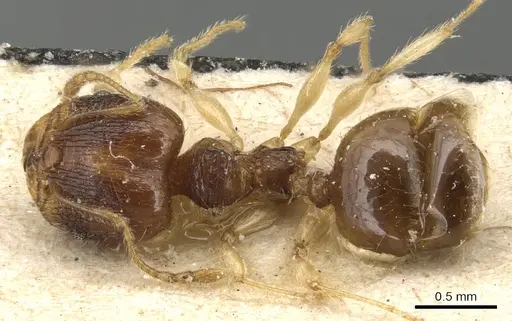
CASENT0904227
View on AntWeb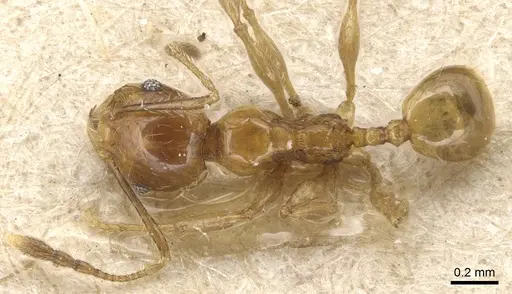
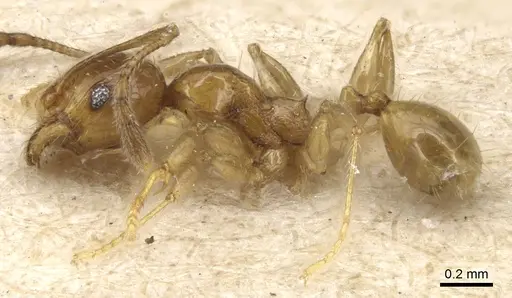
CASENT0904228
View on AntWeb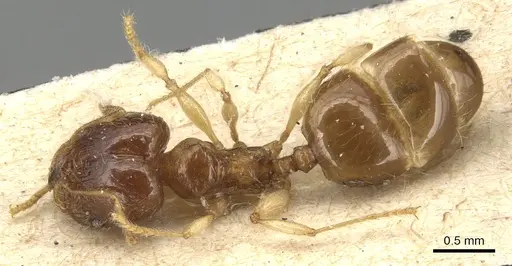
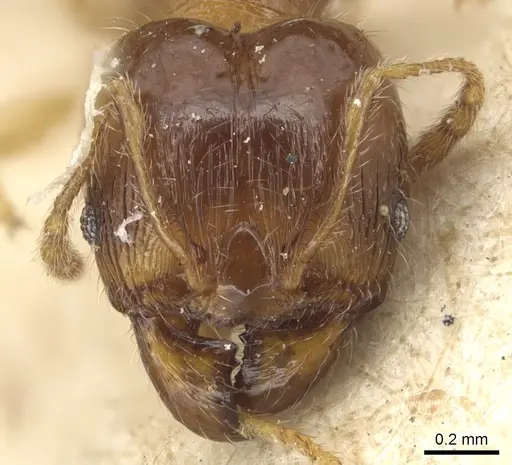
CASENT0904229
View on AntWeb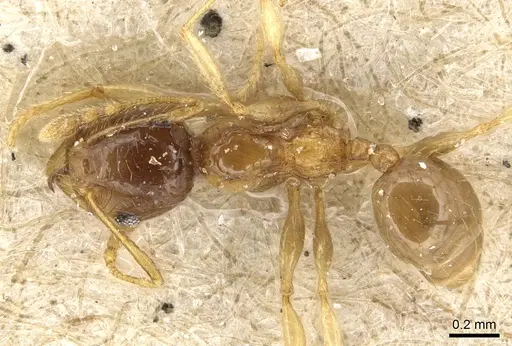
Literature
Loading...Loading products...