

Pheidole lucida
- Scientific Name
- Pheidole lucida
- Tribe
- Attini
- Subfamily
- Myrmicinae
- Author
- Forel, 1895
- Distribution
- Found in 1 countries
Pheidole lucida Overview
Pheidole lucida is an ant species of the genus Pheidole. It is primarily documented in 1 countries , including Madagascar. Detailed taxonomic data and occurrence records can be further explored via authoritative databases such as AntWeb or the Global Biodiversity Information Facility (GBIF).
Pheidole lucida
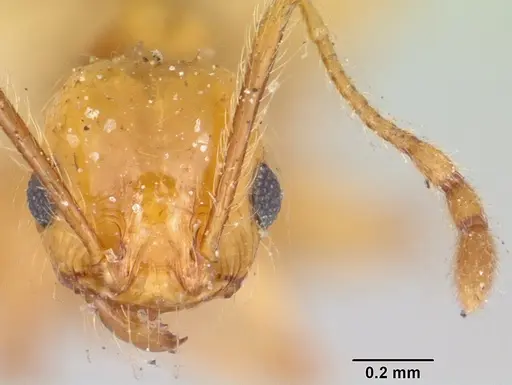
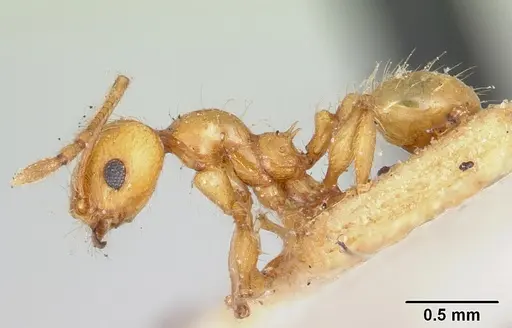
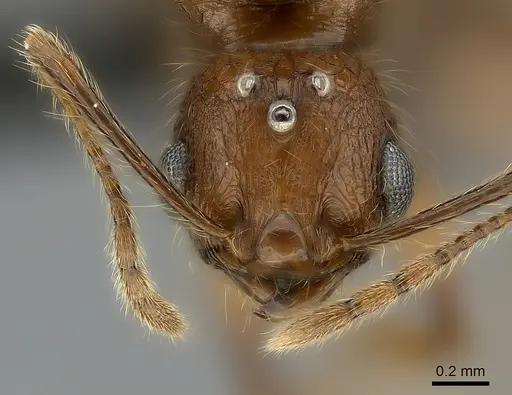
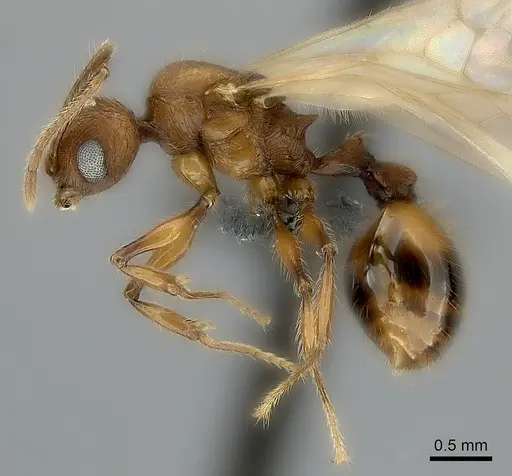
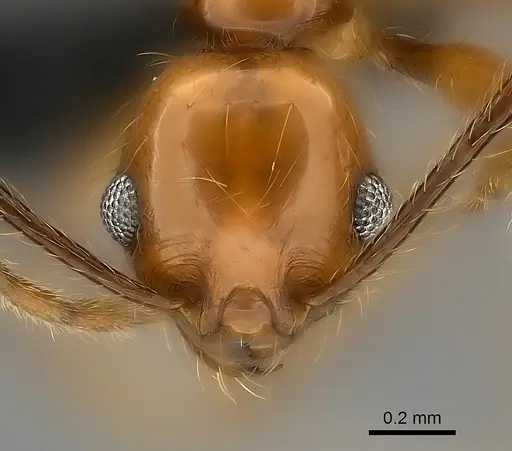
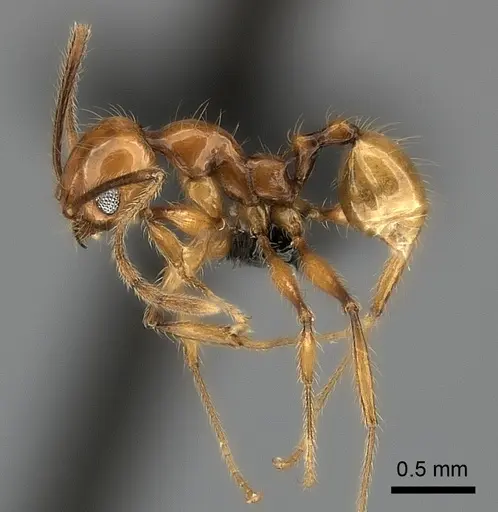
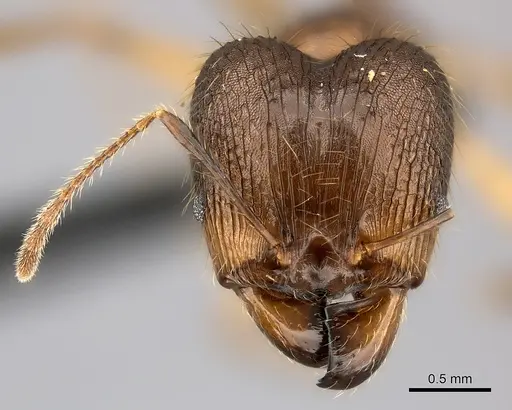
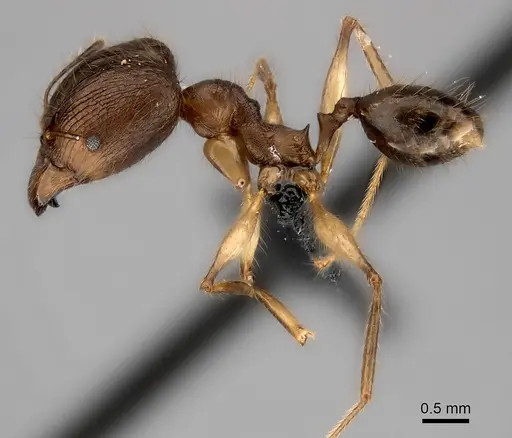
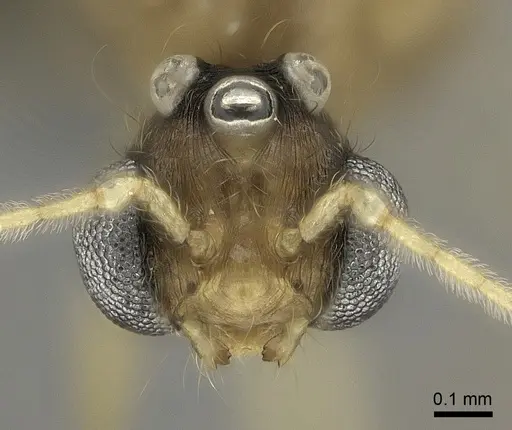
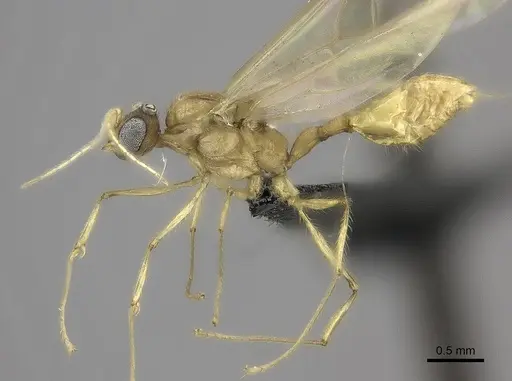
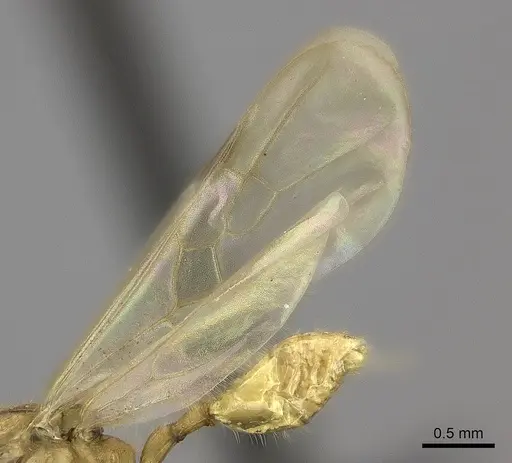
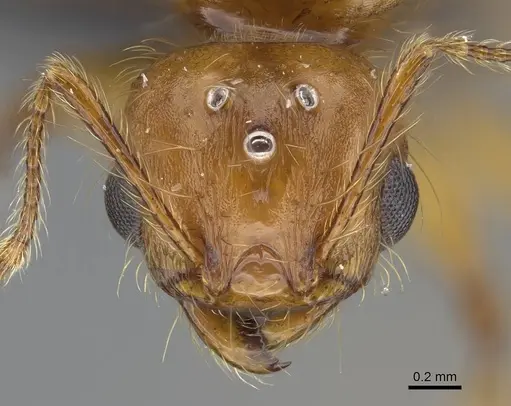
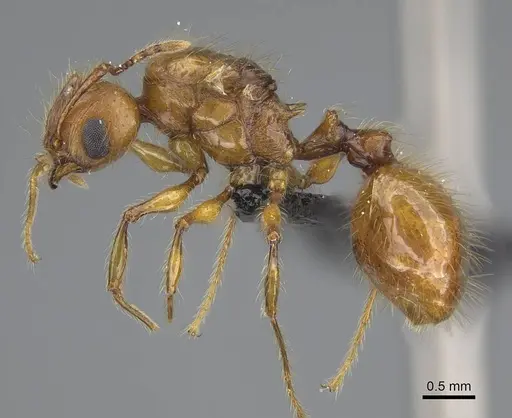
Pheidole lucida is a tiny social parasite ant from Madagascar, first described in 1895. Unlike typical Pheidole species, this species has no major workers (the large 'soldier' caste), instead, only minor workers exist, and they have unusually smooth, translucent yellow to light orange cuticle. The queens are also highly modified for parasitic living, with rounded heads, elongated antennae, and a broadened postpetiole (the segment behind the waist). These ants are 35% smaller than their host species. They are part of a unique group of 13 closely related social parasites that live exclusively within the nests of other Pheidole species in Madagascar [1][2].
Quick Summary
- Difficulty: Expert
- Origin & Habitat: Endemic to Madagascar. In nature, these ants live as social parasites inside the nests of other Pheidole species [1].
- Colony Type: Social parasite, requires a host Pheidole colony to survive. No major worker caste exists. Colonies consist of queen, minor workers, and brood that develop within the host nest [1].
- Queen: Socially parasitic
- Size & Growth:
- Queen: Smaller than host queens, approximately 35% smaller [1]. Signal: inferred from parasitic morphology data.
- Worker: Minor workers only, approximately 2-3mm estimated based on genus patterns. Signal: inferred.
- Colony: Unknown, likely small given parasitic lifestyle. Signal: estimated.
- Growth: Unknown, cannot be kept without host. Signal: estimated.
- Development: Unknown, has not been studied. Signal: unconfirmed. (Development cannot be observed independently as the species requires a host colony.)
- Antkeeping:
- Temperature: Keep at temperatures appropriate for the host species (typically 22-26°C for tropical Pheidole).
- Humidity: Maintain humidity levels suitable for the host colony.
- Diapause: Unknown, likely no diapause given tropical Madagascar distribution.
- Nesting: Must be kept WITHIN a host Pheidole colony. Standard test tube or formicarium setups will NOT work, the colony will die without a host.
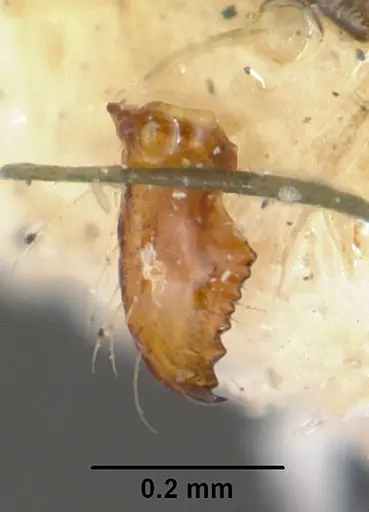
- Behavior: Extremely docile and non-aggressive, they rely on host workers for survival. Minor workers have reduced mandibles and cannot defend themselves. They are not escape artists in the typical sense, but their small size means they could slip through fine gaps if separated from the host. The primary defense is living within the host nest where host workers provide protection [1].
- Common Issues: This species CANNOT be kept as an independent colony, it will die without a host Pheidole colony., No major workers means no defense capability, the colony is entirely dependent on host workers., Finding an appropriate host species in captivity is extremely difficult and has not been documented., Social parasites are NOT suitable for beginners or even most experienced antkeepers., Wild-caught colonies may have been damaged during collection if the host was not identified.
Why This Ant is Different
Pheidole lucida is one of the most unusual ants in the entire Pheidole genus, which contains over 1,000 species worldwide. Most Pheidole species are known for their major workers, the large-headed 'soldier' ants that crack seeds and defend the colony. But P. lucida and its 12 close relatives have completely lost this major worker caste [1]. This is a clear sign of social parasitism: the parasite species no longer needs workers to gather food or defend the nest because the host colony does all of that work. The minor workers that do exist have reduced mandibles and lack the normal dark pigmentation, instead appearing smooth and translucent yellow to light orange [1]. The queens are also highly modified, with rounded heads, elongated antennae, and a broadened postpetiole, all traits commonly seen in inquiline ant parasites [1].
The Host-Parasite Relationship
Research shows that P. lucida and its relatives have evolved to match their specific hosts in remarkable ways. The parasites have significantly larger eyes and shorter mandibles than their hosts, and their body proportions (head shape, thorax build) are highly correlated with those of their host species [1]. Even the density of standing hairs on their bodies matches the host species [1]. This suggests long evolutionary history of co-adaptation, the parasites have evolved to look and behave like part of the host colony so the host workers accept them. However, the exact nature of this relationship is still being studied. Researchers cannot rule out that the parasites might be commensals (living in the host nest without causing harm) rather than true parasites that drain host resources [1].
Can You Keep This Ant?
The short answer is: almost certainly not, and you should not try. Unlike typical ants where you collect a queen and start a colony, P. lucida requires a living host Pheidole colony to survive. The queen does not found her own nest, she invades an existing host nest and integrates into it. Without host workers to feed and care for her, she would die. Even if you somehow obtained both the parasite and an appropriate host species, maintaining a two-species colony is extremely advanced and has never been documented in captivity. The difficulty level is not 'expert' in the typical sense, it is effectively impossible for hobbyist antkeeping. These ants are also only found in Madagascar, making legal acquisition extremely difficult [3].
Legal and Ethical Considerations
Pheidole lucida is endemic to Madagascar and has never been documented outside its natural range. Export of native ants from Madagascar is heavily restricted under international treaties (CITES) and Madagascar's own national laws. Even if you could obtain specimens legally, the specialized parasitic lifestyle makes captive keeping impractical. Additionally, removing these ants from the wild could harm both the parasite and host populations, as both species depend on each other. For all these reasons, this species should be appreciated in scientific literature rather than sought after for antkeeping [3].
Frequently Asked Questions
Can I keep Pheidole lucida in a test tube like other ants?
No. This species cannot survive independently, it requires a host Pheidole colony. A test tube setup would result in certain death for the colony.
What do Pheidole lucida eat?
They do not forage for food themselves. In the host nest, they are fed by host workers through trophallaxis (mouth-to-mouth food sharing). Their exact diet within the host nest is unknown.
How do I start a Pheidole lucida colony?
You cannot. Unlike typical ants, this species cannot found colonies independently. The queen must invade and integrate into an existing host colony. This has never been achieved in captivity and would require both the parasite and an appropriate host species.
Are Pheidole lucida good for beginners?
No. This species is not suitable for antkeeping at any skill level. It is a social parasite that requires a host colony to survive, something that is effectively impossible to provide in captivity.
Do Pheidole lucida have major workers?
No. This is one of the most unusual aspects of the species. Unlike all 1,000+ non-parasitic Pheidole species, P. lucida has completely lost the major worker caste. Only minor workers exist [1].
Where is Pheidole lucida found?
Only in Madagascar, specifically the Andrangoloaka region. The species was first described from specimens collected there in 1895 [3].
Do Pheidole lucida queens need to hibernate?
Unknown. As a tropical species from Madagascar, they likely do not require hibernation, but this has not been studied. More importantly, the colony cannot be kept independently regardless of temperature settings.
Will Pheidole lucida attack my other ants?
Not in the typical sense. They are not aggressive and cannot defend themselves. However, if you somehow kept them with a host colony, the relationship would be parasitic, the parasites would live off the host resources without providing benefit.
References

This caresheet is licensed under CC BY-SA 4.0 .
CASENT0038341
View on AntWeb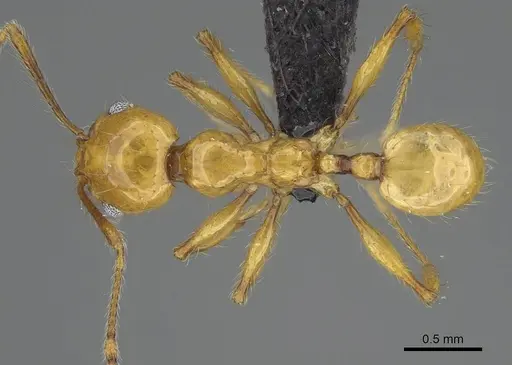
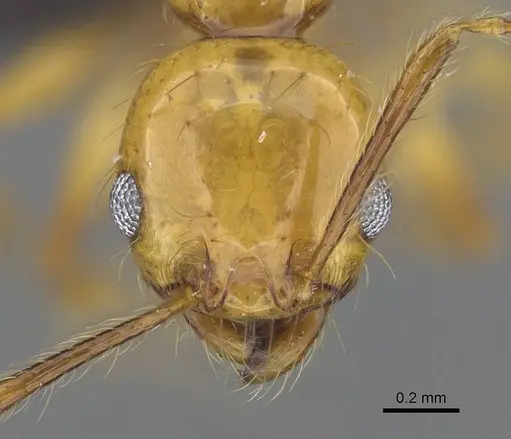
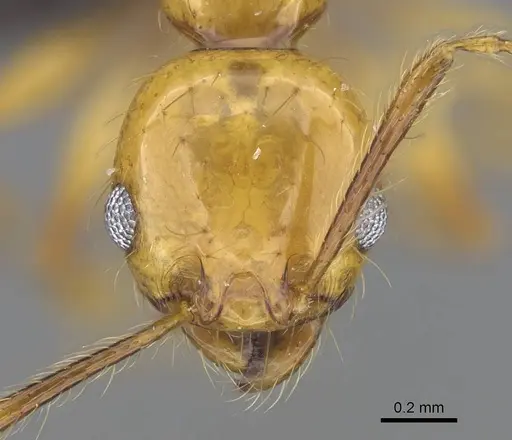
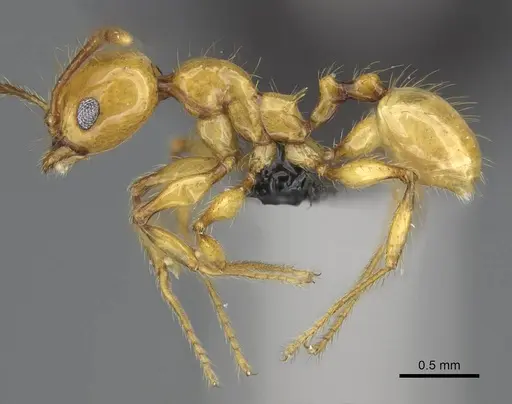
CASENT0101624
View on AntWeb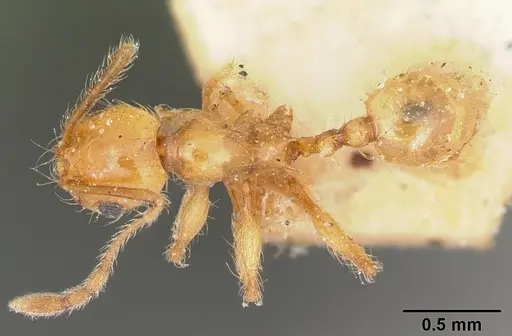
CASENT0152028
View on AntWeb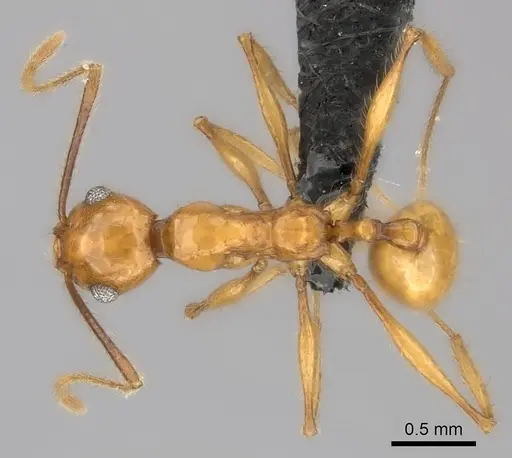
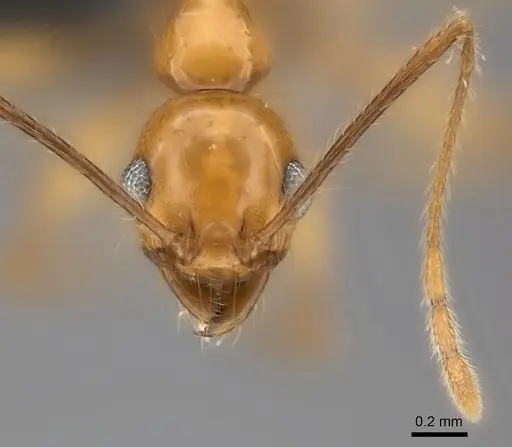
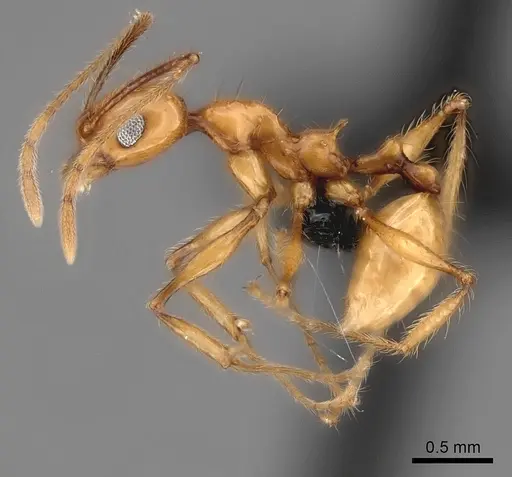
CASENT0152295
View on AntWeb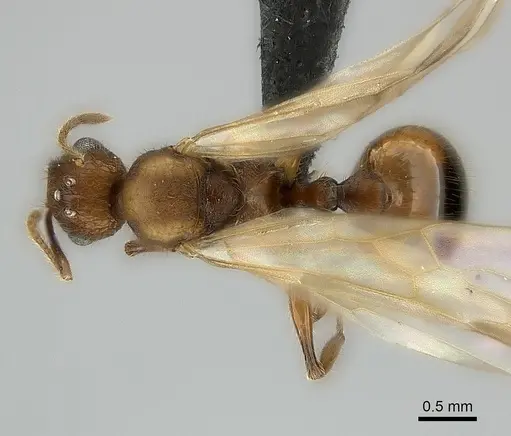
CASENT0152296
View on AntWeb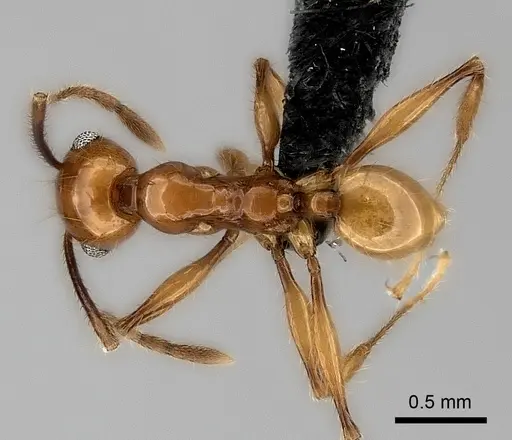
CASENT0235058
View on AntWeb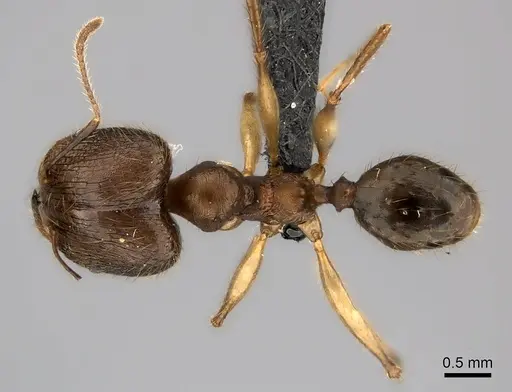
CASENT0235069
View on AntWeb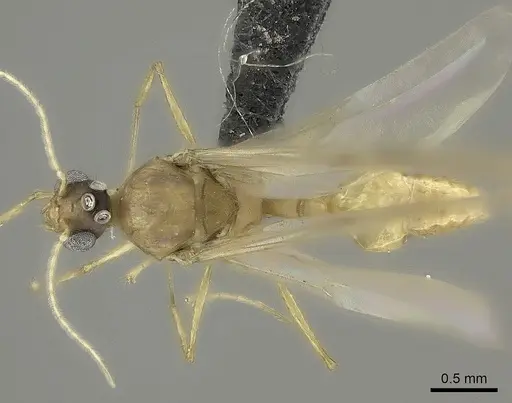
CASENT0489034
View on AntWeb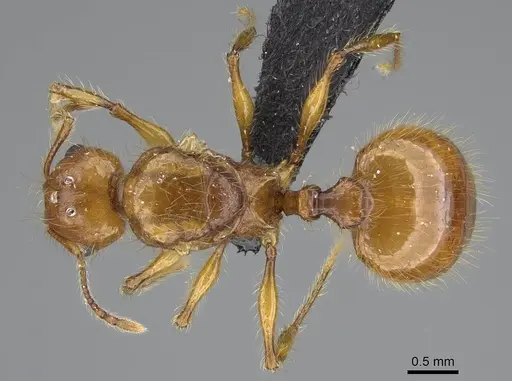
Literature
Loading...Loading products...