

Pheidole longiseta
- Scientific Name
- Pheidole longiseta
- Tribe
- Attini
- Subfamily
- Myrmicinae
- Author
- Wilson, 2003
- Distribution
- Found in 2 countries
Pheidole longiseta Overview
Pheidole longiseta is an ant species of the genus Pheidole. It is primarily documented in 2 countries , including French Guiana, Peru. Detailed taxonomic data and occurrence records can be further explored via authoritative databases such as AntWeb or the Global Biodiversity Information Facility (GBIF).
Pheidole longiseta
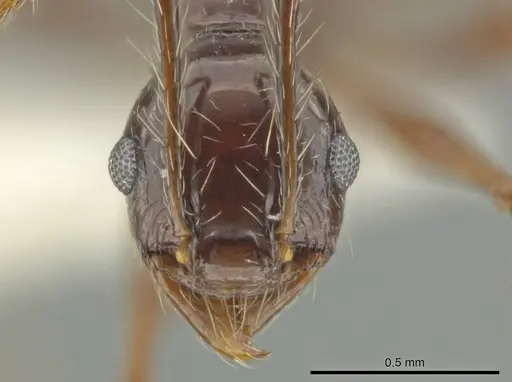
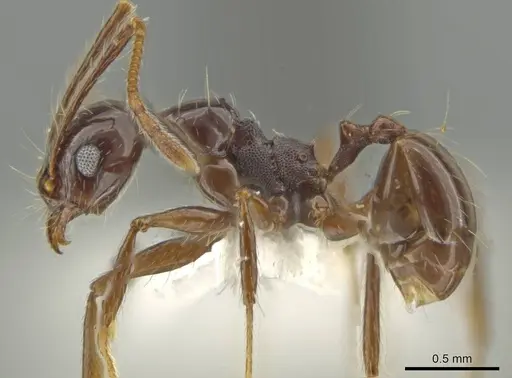
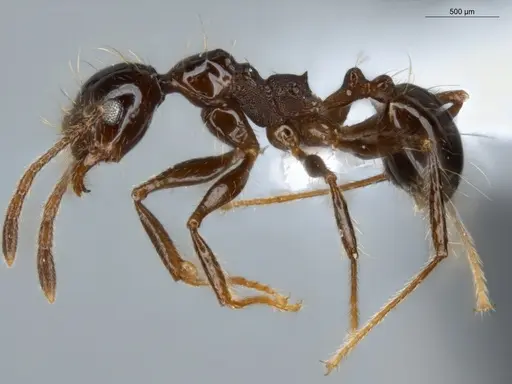
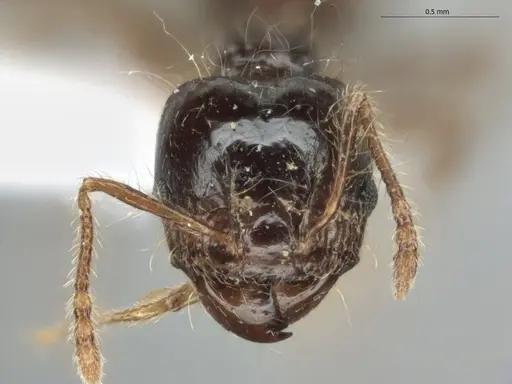
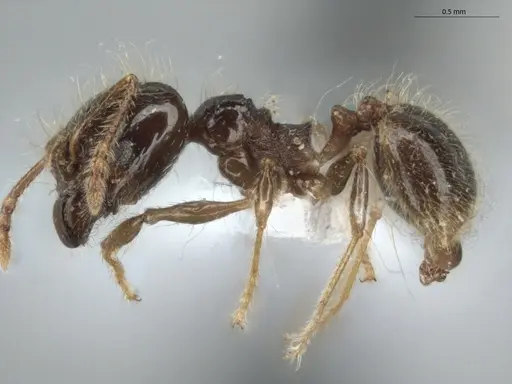
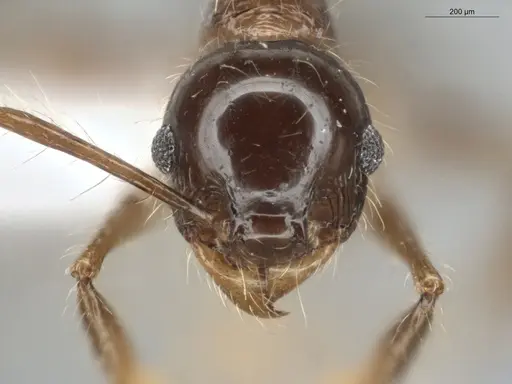
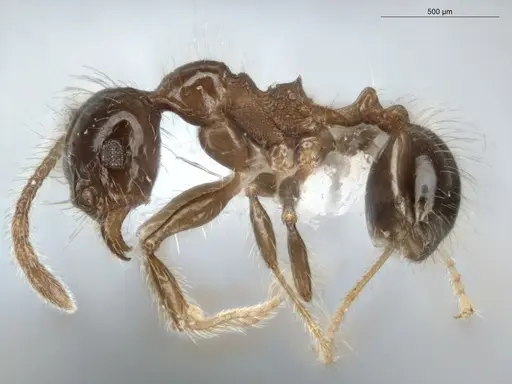
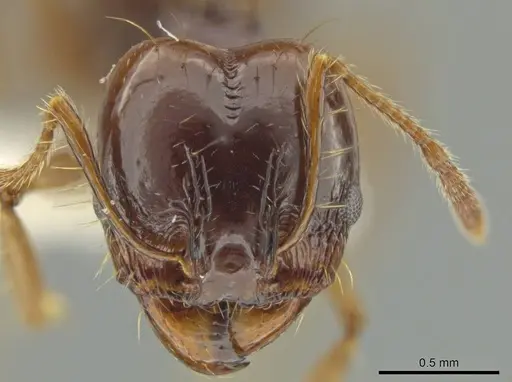
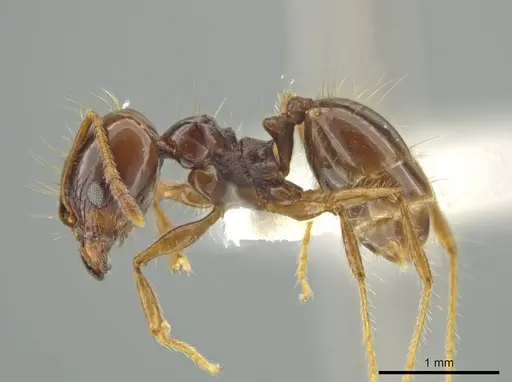
Pheidole longiseta is a medium-sized ant species native to the Amazon basin in South America. Major workers measure around 1.14mm in head width, while minors are smaller at 0.62mm. The species is characterized by its distinctive long, sparse hairs covering the body, giving it a 'long-haired' appearance (from the Latin 'longiseta'). The body is brown in color, with majors having a medium brown body and slightly lighter yellowish-brown appendages, while minors have darker brown heads and mesosomas contrasting with medium brown gasters and legs. This species was described by E.O. Wilson in 2003 from specimens collected in Peru's Amazon rainforest. In the wild, colonies nest in rotting wood on the forest floor of terra firme (unflooded) rainforest[1].
Quick Summary
- Difficulty: Medium
- Origin & Habitat: Amazon basin of South America, specifically Peru (Madre de Dios region) and Brazil (Amazonas). Found in terra firme rainforest, nesting in rotting wood on the forest floor[1].
- Colony Type: Likely monogyne (single queen) based on typical Pheidole colony structure. Colonies contain both major and minor workers (dimorphic). Maximum colony size is unconfirmed but likely reaches several hundred workers based on genus patterns.
- Colony: Monogyne
- Founding: Claustral
- Size & Growth:
- Queen: Unconfirmed for this species, estimated 6-8mm based on typical Pheidole queen size.
- Worker: Major workers: 1.14mm head width,1.16mm length. Minor workers: 0.62mm head width,0.74mm length.
- Colony: Unconfirmed, likely several hundred workers based on genus patterns.
- Growth: Moderate, based on typical Pheidole development patterns.
- Development: Unconfirmed, estimated 6-8 weeks at tropical temperatures based on related Pheidole species. (Development time is estimated from related species in the genus. Tropical Amazon species may develop faster than temperate Pheidole.)
- Antkeeping:
- Temperature: Keep at 24-28°C, these are tropical Amazon ants that need warm, stable conditions. A heating cable on one side of the nest can create a gentle gradient. Avoid temperatures below 22°C for extended periods.
- Humidity: High humidity required, think damp rainforest floor. Keep nest substrate consistently moist but not waterlogged. Provide a water tube for drinking access. Mist the outworld occasionally but avoid standing water.
- Diapause: No, as a tropical species from the Amazon basin, they do not require hibernation. Maintain warm conditions year-round.
- Nesting: In captivity, they do well in Y-tong (AAC), plaster, or naturalistic setups with rotting wood or cork bark. They naturally nest in decaying wood on the forest floor, so provide nest chambers with some wood material. Tight-fitting escape prevention is important as minors can squeeze through small gaps.
- Behavior: This is a relatively peaceful Pheidole species. Like other Pheidole, they are omnivorous and will collect seeds, tend aphids for honeydew, and hunt small insects. Major workers have enlarged heads for seed-processing and defense, while minors handle most foraging and brood care. They are not particularly aggressive but will defend the nest if threatened. Escape prevention is important, their small minor workers can slip through tiny gaps. They are primarily nocturnal or crepuscular foragers in the wild.
- Common Issues: high humidity management is critical, too wet causes mold, too dry causes brood death, escape prevention must be excellent due to tiny minor workers, tropical species cannot tolerate cool temperatures, keep consistently warm, slow founding phase, new colonies may take months to establish, patience is required, wild-caught colonies may carry parasites that can devastate captive colonies
Housing and Nest Setup
Pheidole longiseta does well in several nest types. Y-tong (acrylic) nests work excellently, the chambers should be appropriately scaled to their medium size. Plaster nests are also suitable and help maintain humidity. A naturalistic setup with cork bark or rotting wood pieces mimics their natural habitat of decaying wood on the forest floor. The outworld should be simple with easy access to food and water. Because minor workers are small, use a tight-fitting lid and consider applying Fluon or similar barrier to the upper rim of the outworld to prevent escapes. Provide a shallow water dish or cotton ball soaked in water for drinking access.
Feeding and Diet
Like other Pheidole species, these ants are omnivorous. They will readily accept sugar sources (honey water, sugar water) and protein foods. Offer small insects like fruit flies, small crickets, or mealworms as protein. Some Pheidole species are seed-harvesters, so you can offer tiny seeds as enrichment. They also tend aphids and scale insects for honeydew if given the opportunity. Feed protein 2-3 times per week and keep a constant sugar source available. Remove uneaten food after 24-48 hours to prevent mold.
Temperature and Humidity Management
As Amazon basin residents, these ants need warm and humid conditions. Maintain temperatures between 24-28°C. A heating cable placed on part of the nest can help achieve this, but always provide unheated areas so ants can regulate their own temperature. High humidity is essential, aim for 70-80% relative humidity in the nest area. The substrate should feel consistently damp but never waterlogged. A water tube attached to the nest provides drinking water and helps maintain humidity through evaporation. Monitor for mold, which thrives in these conditions, good ventilation helps balance humidity without drying things out.
Colony Development and Growth
Pheidole colonies grow through a distinct caste system with major and minor workers. Majors develop larger heads for seed processing and colony defense, while minors handle most daily tasks. Founding colonies may take several months to produce their first workers (nanitics). Once the colony reaches 20-30 workers, growth typically accelerates. A mature colony may contain several hundred workers. The development from egg to worker likely takes 6-8 weeks at optimal temperatures, though this is estimated from related species rather than documented for this specific species. Be patient during the founding phase, disturbing the queen during claustral founding can cause colony failure.
Seasonal Care
As a tropical species from the Amazon basin, Pheidole longiseta does not require hibernation or diapause. Maintain warm, humid conditions year-round. Seasonal changes in the wild are minimal in the equatorial Amazon, so captive colonies should experience consistent conditions. Avoid placing the setup near windows with drafts or in air-conditioned rooms that might cause temperature fluctuations. If your room temperature drops below 22°C regularly, consider using a small heater or heating cable to maintain appropriate conditions.
Frequently Asked Questions
How long does it take for Pheidole longiseta to produce first workers?
The time from founding to first workers (nanitics) is estimated at 6-8 weeks at optimal tropical temperatures (24-28°C). This is based on related Pheidole species rather than documented specifically for P. longiseta. The claustral founding phase requires patience, the queen seals herself in and should not be disturbed during this time.
What do Pheidole longiseta ants eat?
They are omnivorous like most Pheidole. Offer a varied diet including protein (small insects like fruit flies, pinhead crickets, mealworms), sugar sources (honey water, sugar water), and optionally tiny seeds. Feed protein 2-3 times per week with constant sugar access. Remove uneaten food after a day to prevent mold.
Can I keep multiple Pheidole longiseta queens together?
This species is likely monogyne (single queen) based on typical Pheidole colony structure. Combining unrelated queens is not recommended and likely results in fighting. If you acquire a founding queen, keep her alone until her first workers emerge. Multiple queen colonies (polygyny) have not been documented for this species.
What temperature do Pheidole longiseta ants need?
Keep them warm at 24-28°C. These are tropical Amazon ants that need consistent warmth. Avoid temperatures below 22°C. A heating cable on part of the nest can help maintain warmth, but always provide unheated areas so ants can self-regulate.
Are Pheidole longiseta good for beginners?
This species is rated as Medium difficulty. They require warm, humid tropical conditions which can be challenging to maintain consistently. They are not as hardy as some temperate species. However, they are not overly aggressive and have manageable colony sizes. If you have experience with other Pheidole or tropical species, this is a good choice.
How big do Pheidole longiseta colonies get?
Colony size is unconfirmed for this specific species, but based on typical Pheidole patterns, mature colonies likely reach several hundred workers. The presence of major workers (soldiers) helps with colony defense and seed processing.
Do Pheidole longiseta need hibernation?
No. As a tropical Amazon species, they do not require hibernation or diapause. Maintain warm, humid conditions year-round. These ants are adapted to consistent equatorial climate conditions.
Why are my Pheidole longiseta dying?
Common causes include: temperature too low (below 22°C), humidity too low or too high (causing desiccation or mold), disturbance during claustral founding, or parasites from wild-caught colonies. Ensure warm, stable conditions and avoid disturbing founding queens. If the colony was wild-caught, parasites are a common issue.
References

This caresheet is licensed under CC BY-SA 4.0 .
CASENT0645818
View on AntWeb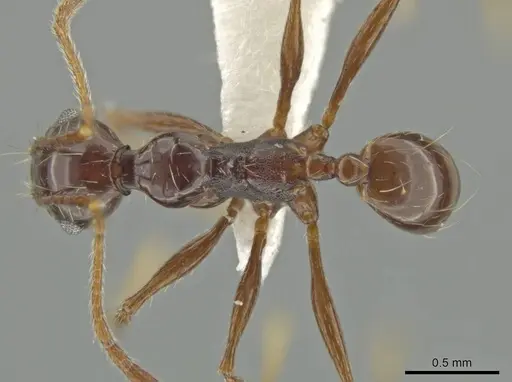
ECOFOG-IT14-0267-42-S
View on AntWeb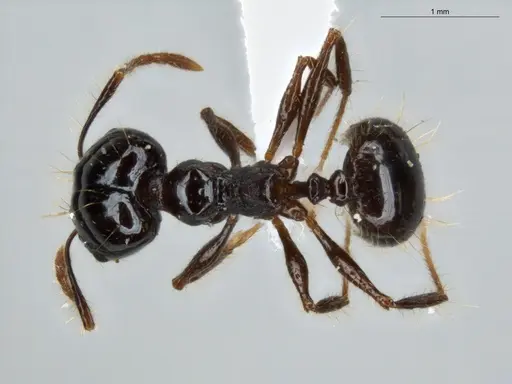
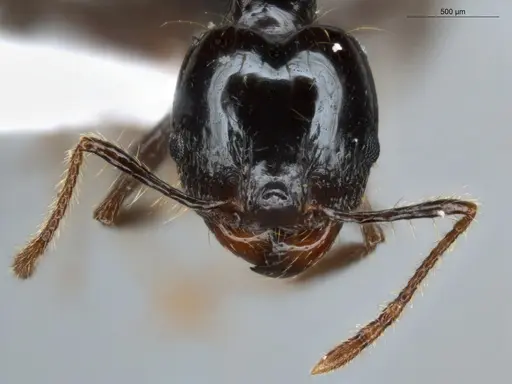
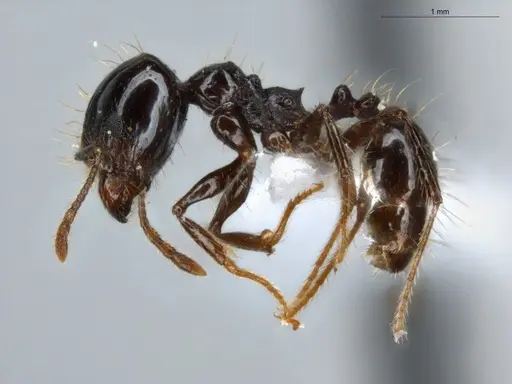
ECOFOG-IT14-0267-42
View on AntWeb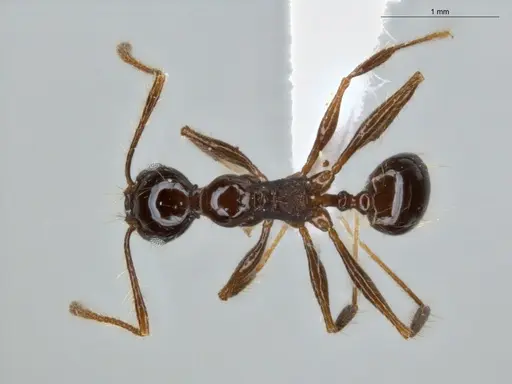
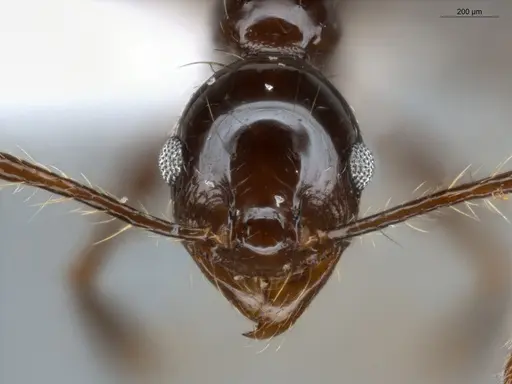
ECOFOG-IT14-0951-10-S
View on AntWeb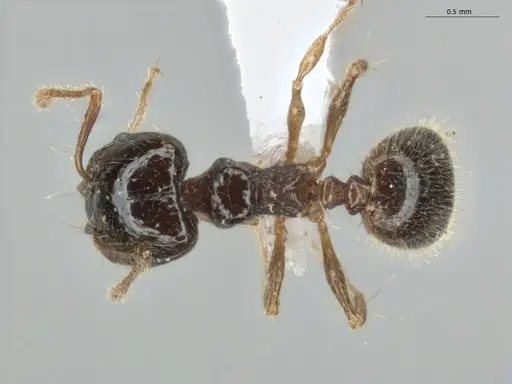
ECOFOG-IT14-0951-10
View on AntWeb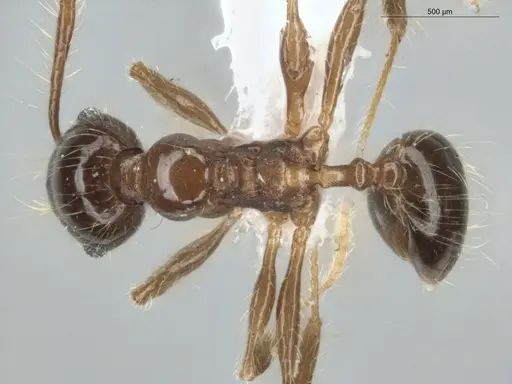
JTLC000016438
View on AntWeb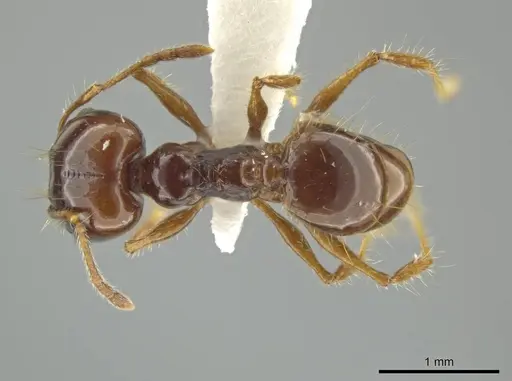
Literature
Loading...Loading products...