

Pheidole longior
- Scientific Name
- Pheidole longior
- Tribe
- Attini
- Subfamily
- Myrmicinae
- Author
- Santschi, 1933
- Distribution
- Found in 1 countries
Pheidole longior Overview
Pheidole longior is an ant species of the genus Pheidole. It is primarily documented in 1 countries , including Argentina. Detailed taxonomic data and occurrence records can be further explored via authoritative databases such as AntWeb or the Global Biodiversity Information Facility (GBIF).
Pheidole longior
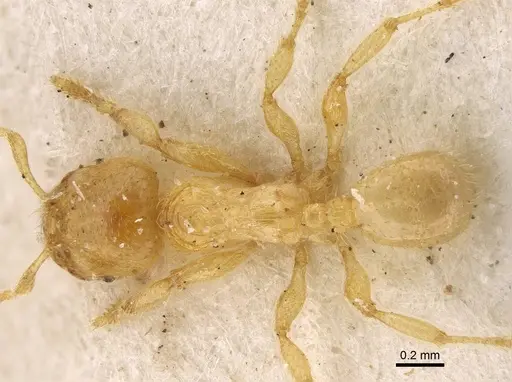
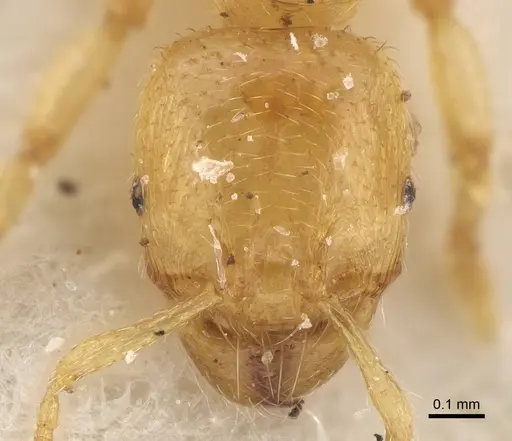
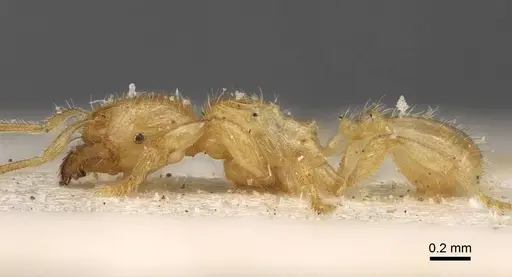
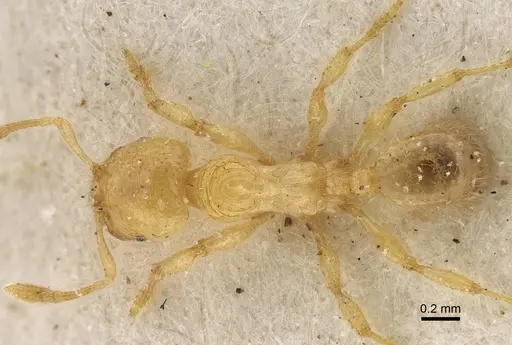
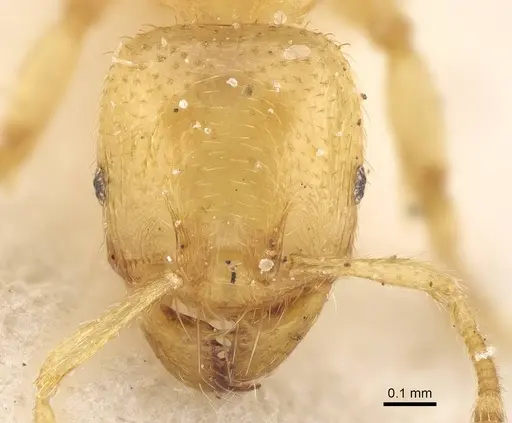
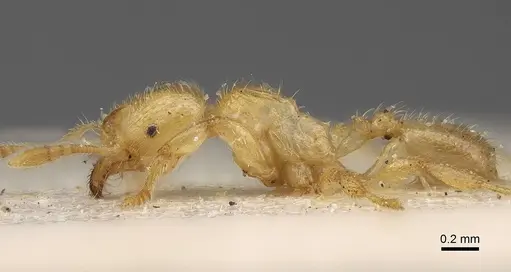
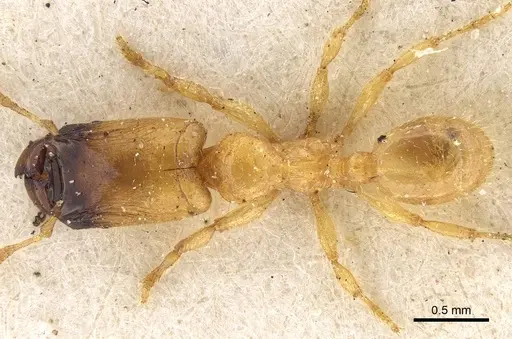
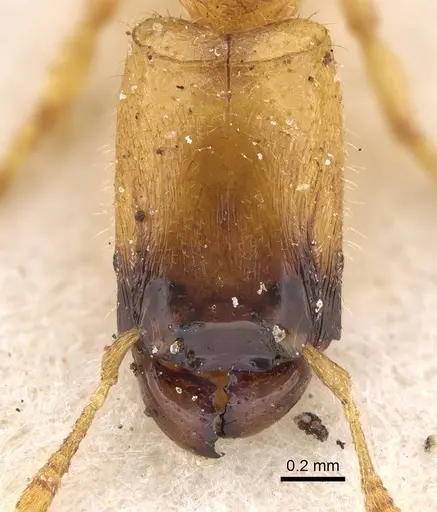
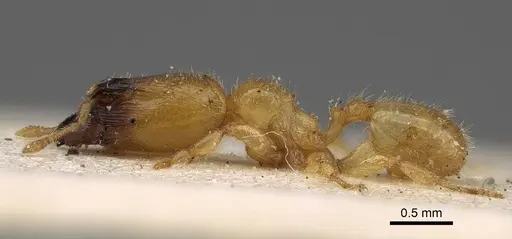
Pheidole longior is a small Neotropical ant species native to the Misiones province in northern Argentina. The genus Pheidole is famous for its distinctive two-worker caste system: large major workers (sometimes called soldiers) with enlarged heads for seed-crushing, and smaller minor workers that handle most foraging and brood care. Major workers of P. longior have a strikingly elongated head (nearly 1.5 times longer than wide) and a striking bicolored pattern, the front quarter of the head is dark brown while the rest of the body is medium yellow. Minor workers are uniformly pale yellow. This species is only known from type specimens collected at Loreto, Misiones, and its complete biology remains unstudied in the scientific literature [1].
Quick Summary
- Difficulty: Medium
- Origin & Habitat: Native to the Neotropical region, specifically the Misiones province in northern Argentina. The area features subtropical humid forest with warm temperatures year-round. As a Generalized Myrmicinae species, it likely nests in soil or under stones in forest edge habitats [2].
- Colony Type: Unconfirmed, no published data on colony structure. Based on typical Pheidole patterns, likely single-queen (monogyne) colonies with major/minor worker castes.
- Size & Growth:
- Queen: Unknown, not described in type material
- Worker: Major: 0.72mm head width,1.06mm head length. Minor: 0.50mm head width,0.58mm head length [1]
- Colony: Unknown, no colony size data available
- Growth: Unknown, no direct observations. Likely moderate based on genus patterns.
- Development: Estimated 6-8 weeks based on typical Pheidole development at tropical temperatures (This is a rough estimate based on genus-level data since no species-specific development studies exist)
- Antkeeping:
- Temperature: Keep at 24-28°C. As a subtropical species from Misiones, Argentina, it prefers warm conditions. A heating cable on one side of the nest creates a suitable gradient.
- Humidity: Moderate humidity around 50-70%. Provide a moist nest chamber but ensure some drier areas exist for the ants to self-regulate.
- Diapause: Likely minimal or none, Misiones has mild winters. However, a brief cool period (15-18°C for 2-3 months) may benefit colony health if simulating seasonal cycles.
- Nesting: Standard Pheidole setups work well. Y-tong (AAC) nests, plaster nests, or test tube setups with close-fitting barriers. Provide sand or soil substrate for nesting chambers.
- Behavior: Typical Pheidole behavior, minor workers handle most tasks while majors defend the colony and process seeds. They are not aggressive toward keepers but major workers can deliver a mild sting if handled roughly. Escape prevention is important as minor workers are small, use fine mesh barriers. Active foragers that likely harvest seeds and scavenge protein.
- Common Issues: no specific biology data means care is based on genus assumptions, adjust based on colony behavior, escape prevention is critical due to small minor worker size, without documented diet acceptance, offer varied foods and observe what they take, subtropical origin means they may not tolerate prolonged cool temperatures, growth rate is unknown so patience is required, don't overfeed or overhydrate
Understanding the Knowledge Gap
Pheidole longior presents a unique challenge for antkeepers: this species is only known from type specimens collected in the 1930s, and no scientific research has ever documented its biology, colony structure, or captive care requirements. Everything in this caresheet is inferred from typical Pheidole genus behavior and the limited data we have about its distribution in the Argentine subtropics. This means you'll need to be observant and willing to adjust care based on what your colony tells you. Start with the guidance below, watch how your ants respond, and modify temperature, humidity, and feeding as needed. The lack of specific data isn't necessarily negative, it gives you the opportunity to contribute to our knowledge of this species.
Nest Setup and Housing
For a species we know so little about, a versatile setup is best. Y-tong (AAC) nests work well for Pheidole because they allow you to observe the colony easily while providing appropriate chamber sizes. Alternatively, a test tube setup with a moist cotton ball works for founding colonies. The nest material should retain some moisture, plaster nests or setups with sand/soil chambers both work. Ensure the outworld (foraging area) is escape-proof, minor workers are tiny and can squeeze through standard gaps. Apply Fluon or use tight-fitting lids. A small water test tube in the outworld provides drinking water.
Feeding and Diet
Pheidole species are typically granivorous, they collect seeds and use their major workers' specialized head muscles to crack them open. In captivity, offer a mix of seeds (millet, chia, flax, or commercial ant seed mixes) alongside protein sources like small insects (fruit flies, small crickets, mealworm pieces). Sugar water or honey can be offered occasionally, though Pheidole are less dependent on sugar than some genera. Start with small amounts of varied foods and note what gets consumed. Remove uneaten fresh food within 24-48 hours to prevent mold. Seed offerings can be left longer as they won't spoil quickly.
Temperature and Seasonal Care
As a subtropical species from Misiones province in northern Argentina, Pheidole longior prefers warm conditions. Aim for 24-28°C in the nest area. You can achieve this with a heating cable placed on top of the nest (never underneath where it could dry out the nest too quickly) or a small heat mat on one side of the enclosure. Create a temperature gradient so ants can move between warmer and cooler areas. The Argentine subtropics don't experience harsh winters, so a true hibernation isn't necessary. However, some keepers report success with a brief cool period (15-18°C for 2-3 months during winter months) to simulate seasonal rhythm. If your colony remains active year-round, simply maintaining stable room temperature is acceptable.
Colony Development and Patience
Without species-specific data, expect a moderate growth rate typical of Pheidole. From egg to first worker (nanitic), expect approximately 6-8 weeks at optimal warm temperatures, though this is a rough estimate. The first workers will be small (nanitics) as the queen invests limited resources into getting the colony started. Subsequent broods should produce progressively larger workers. Pheidole colonies can live for many years, with queens potentially living 15-30 years in some species. Don't be alarmed if growth seems slow, this is normal for the genus. Avoid the temptation to overfeed or overhydrate, as this causes mold problems rather than faster growth.
Frequently Asked Questions
How long does it take for Pheidole longior to produce first workers?
Based on typical Pheidole development, expect 6-8 weeks from egg to first worker at warm temperatures (around 26°C). This is an estimate since no species-specific development data exists.
What do Pheidole longior ants eat?
Like most Pheidole, they likely accept seeds, small insects, and occasional sugar sources. Offer a varied diet including seeds, small insects, and optionally honey or sugar water. Remove uneaten fresh food promptly.
Can I keep multiple Pheidole longior queens together?
This has not been documented for this species. Based on typical Pheidole behavior, single-queen colonies are most common. Combining unrelated queens is not recommended without evidence they will accept each other.
What temperature do Pheidole longior ants need?
Keep them warm at 24-28°C. As a subtropical species from Argentina, they prefer temperatures in this range. A heating cable on the nest or heat mat on one side can provide this.
Are Pheidole longior good for beginners?
This species is rated Medium difficulty primarily because so little is known about its specific requirements. You'll need to be observant and willing to adjust care based on colony behavior. If you're experienced with Pheidole or other Myrmicinae, this can be a rewarding species to keep.
How big do Pheidole longior colonies get?
Colony size is unknown for this species. Most Pheidole colonies reach several hundred to a few thousand workers over several years. The major/minor caste system means you'll see increasingly large major workers as the colony matures.
Do Pheidole longior need hibernation?
Probably not a true hibernation. The subtropical climate of Misiones, Argentina doesn't have harsh winters. A brief cool period (15-18°C for a few months) may be beneficial but is not required.
Why are my Pheidole longior dying?
Without species-specific data, common issues include: temperature too low (below 24°C), humidity too high or too low, mold from overfeeding or overwatering, or escape-related losses. Review each parameter and adjust gradually. Small colonies are also more vulnerable to stress.
When should I move my colony to a formicarium?
Wait until the colony has at least 50-100 workers and the test tube setup feels cramped. Pheidole often do better staying in test tubes longer than other genera. A Y-tong or plaster nest works well when you're ready to transition.
References

This caresheet is licensed under CC BY-SA 4.0 .
Literature
Loading...Loading products...