

Pheidole longiceps
- Scientific Name
- Pheidole longiceps
- Tribe
- Attini
- Subfamily
- Myrmicinae
- Author
- Mayr, 1876
- Distribution
- Found in 1 countries
Pheidole longiceps Overview
Pheidole longiceps is an ant species of the genus Pheidole. It is primarily documented in 1 countries , including Australia. Detailed taxonomic data and occurrence records can be further explored via authoritative databases such as AntWeb or the Global Biodiversity Information Facility (GBIF).
Pheidole longiceps
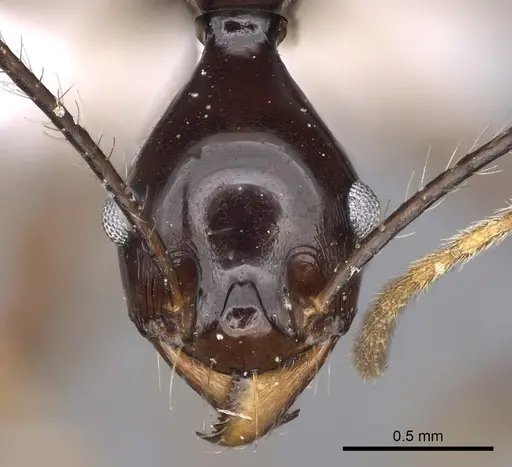
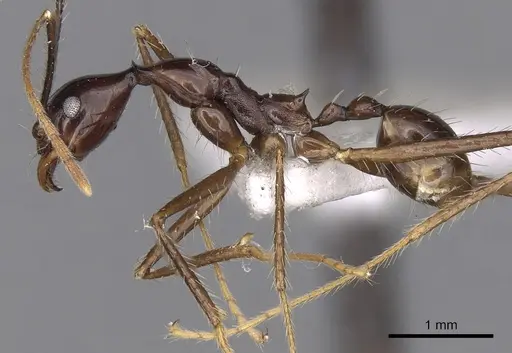
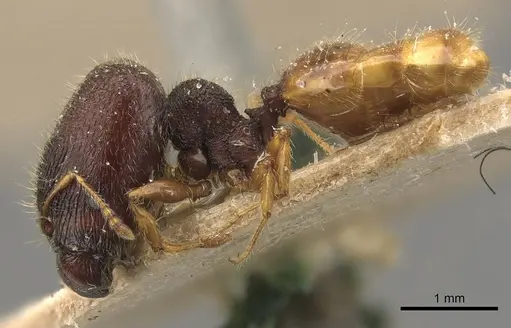
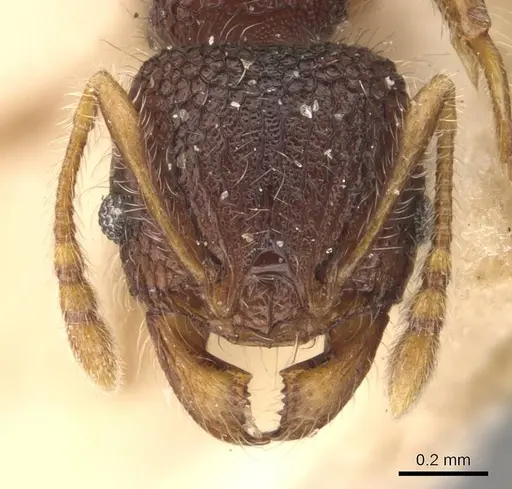
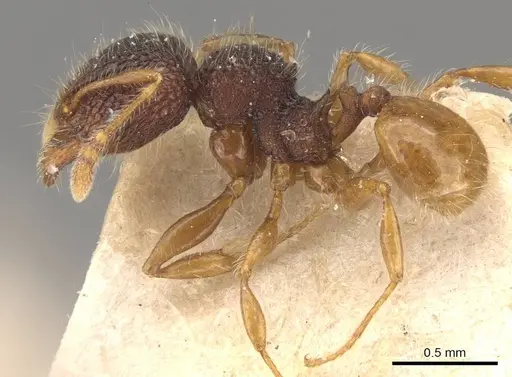
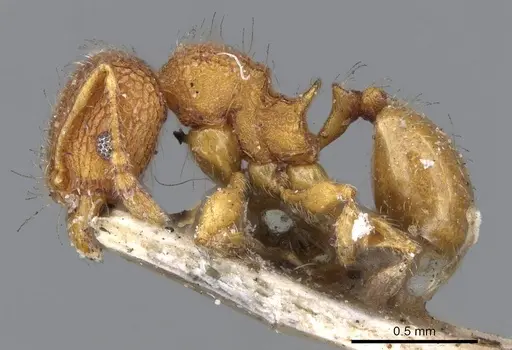
Pheidole longiceps is a small to medium-sized ant species native to Australia, belonging to the genus known for their distinctive major (soldier) and minor workers. The genus Pheidole is famous for the dramatic size difference between these two worker castes, majors have oversized heads that give them their 'big-headed ant' common name. This species measures around 2-3mm for minor workers, with majors significantly larger. They can be identified by their pronotal shoulders which bear small tubercles (raised bumps) [1]. In the wild, they nest in soil and are commonly found in urban areas, grasslands, and forest edges across Australia.
Quick Summary
- Difficulty: Easy
- Origin & Habitat: Australia, found throughout the continent in various habitats including urban areas, grasslands, and forest edges [2]
- Colony Type: Likely monogyne (single queen colonies) based on typical Pheidole patterns, though colony structure is not specifically documented for this species
- Colony: Monogyne
- Founding: Claustral
- Size & Growth:
- Queen: Approximately 5-6mm, estimated based on genus patterns
- Worker: Minor workers: 2-3mm, Major workers: significantly larger with characteristic large heads
- Colony: Colonies can reach several thousand workers based on typical Pheidole growth patterns
- Growth: Moderate to fast, Pheidole colonies typically grow steadily once established
- Development: Estimated 6-8 weeks at optimal temperature based on genus-level data for similar species (Development time is inferred from related Pheidole species, actual timeline may vary)
- Antkeeping:
- Temperature: Keep at 22-26°C, these are Australian ants that prefer warm conditions. A heating cable on one side of the nest creates a temperature gradient [2]
- Humidity: Moderate humidity around 50-70%. Keep the nest substrate slightly moist but allow some drying between waterings. These ants adapt well to varying moisture levels
- Diapause: Australian temperate populations may require a mild winter rest period of 2-3 months at reduced temperatures (around 15-18°C), though this is not well-documented for this specific species
- Nesting: Use a standard formicarium or test tube setup. They do well in Y-tong nests, acrylic nests, or naturalistic setups with soil. Provide a moisture gradient so ants can choose their preferred humidity zone
- Behavior: Pheidole longiceps has typical Pheidole behavior, minor workers handle most tasks including foraging and brood care, while major workers defend the colony and process larger food items. They are not particularly aggressive but will defend if threatened. Minor workers are active foragers that search for seeds and protein. Escape prevention should be moderate, while not the smallest ants, they can still squeeze through small gaps, so ensure barrier integrity.
- Common Issues: colonies may slow significantly or go dormant if temperatures drop too low, major workers (soldiers) can appear alarming but they are defensive, not aggressive toward keepers, seed-eating means substrate can get scattered, regular nest maintenance helps, overfeeding can lead to mold issues in the outworld, wild-caught colonies may contain parasites that affect survival in captivity
Housing and Nest Setup
Pheidole longiceps adapts well to various captive setups. Test tubes work well for founding colonies, use a standard test tube setup with a water reservoir connected via cotton. Once the colony reaches 30-50 workers, you can move them to a formicarium. Y-tong (AAC) nests are excellent for Pheidole because they provide proper humidity control and allow you to observe the colony. Acrylic nests and naturalistic setups with soil also work well. Whatever setup you choose, ensure there is a moisture gradient so ants can regulate their own humidity preferences. The outworld should have a foraging area where you can offer food. [2]
Feeding and Diet
Pheidole longiceps is an omnivorous seed-harvester, typical of the genus. Offer a varied diet including: protein sources like small insects (fruit flies, small crickets, mealworms), seeds (grass seeds, millet, cracked sunflower seeds), and sugar sources (honey water, sugar water). Minor workers handle most foraging and will recruit others to good food sources. Major workers assist with processing larger food items and defending the colony. Feed protein 2-3 times per week, and keep sugar water available at all times. Remove uneaten food after 24-48 hours to prevent mold.
Temperature and Seasonal Care
As an Australian species, Pheidole longiceps prefers warm conditions. Keep the nest area at 22-26°C for optimal brood development. A heating cable placed on one side of the nest creates a temperature gradient that ants can choose between. During Australian winter (roughly December-February in their native range), you may notice reduced activity. If your colony shows signs of slowing, provide a mild winter rest period at 15-18°C for 2-3 months. This is not absolutely required for all populations but can help simulate natural seasonal cycles. Monitor your colony's behavior, if they remain active year-round, consistent room temperature is fine.
Colony Development and Growth
A newly mated queen will seal herself in a claustral chamber and lay eggs without leaving to forage. She lives entirely on her stored fat reserves while raising the first brood. The first workers, called nanitics, are typically smaller than normal workers but can already handle foraging and brood care. After this founding phase (typically 6-8 weeks), the colony grows steadily. Pheidole colonies can eventually reach several thousand workers, with the proportion of majors increasing as the colony matures. Major workers appear as the colony grows, their role is defense and processing large food items. Growth rate is moderate, and colonies can live for several years with proper care.
Behavior and Observation
Watching a Pheidole colony reveals fascinating division of labor. Minor workers (the small ones) do most of the work, they forage, care for brood, clean the nest, and handle routine tasks. Major workers (soldiers) have oversized heads with powerful mandibles designed for defense and seed processing. They typically stay near the brood chambers but will emerge when the colony is threatened or when large food items need to be processed. When you feed a large insect, you'll see minors tear it apart and majors helping to subdue and process it. They are not aggressive toward keepers but will defend their nest if significantly disturbed. The recruitment behavior, where a forager returns and leads others to food, is interesting to observe.
Frequently Asked Questions
How long does it take for Pheidole longiceps to produce first workers?
Expect first workers (nanitics) in about 6-8 weeks after the queen lays eggs, assuming temperatures around 24-26°C. This is typical for Pheidole species. The queen seals herself in during founding and raises the first brood alone.
What do Pheidole longiceps ants eat?
They are omnivorous seed-harvesters. Feed them small insects for protein (fruit flies, small crickets, mealworms), various seeds, and keep sugar water or honey water available at all times. Remove uneaten food after a day or two.
Are Pheidole longiceps good for beginners?
Yes, they are considered easy to keep. They are adaptable, not overly aggressive, and tolerate a range of conditions. Their moderate size and steady growth make them a good choice for new antkeepers.
How big do Pheidole longiceps colonies get?
Mature colonies can reach several thousand workers based on typical Pheidole growth patterns. The proportion of major workers (soldiers) increases as the colony matures.
What temperature do Pheidole longiceps need?
Keep them warm at 22-26°C. A heating cable on part of the nest creates a gradient. They are Australian ants that prefer warm conditions year-round.
Can I keep multiple Pheidole longiceps queens together?
This species is likely monogyne (single queen). Combining unrelated queens is not recommended as they will likely fight. Only one queen should be kept per colony.
Do Pheidole longiceps need hibernation?
A mild winter rest period may benefit them if your colony shows reduced activity, but it is not strictly required. If needed, reduce temperatures to 15-18°C for 2-3 months during winter months.
When should I move Pheidole longiceps to a formicarium?
Move them once the test tube colony reaches 30-50 workers. Make sure the formicarium has proper humidity control and a connected outworld for foraging.
Why are my Pheidole longiceps major workers fighting?
Major workers are not fighting each other, they are likely processing food or defending. Some minor worker skirmishes are normal during establishment of hierarchy. Major workers typically stay in the nest unless defending or processing large food items.
References

This caresheet is licensed under CC BY-SA 4.0 .
CASENT0281732
View on AntWeb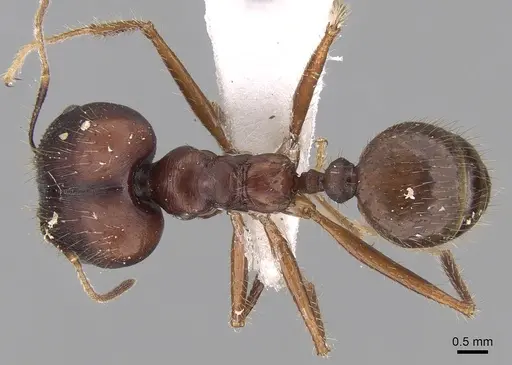
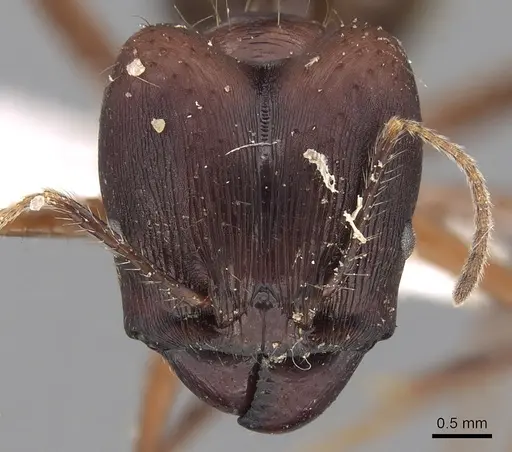
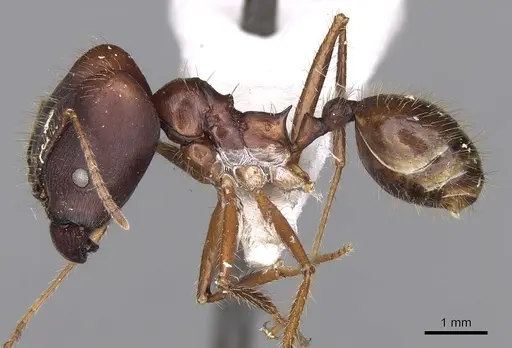
CASENT0281733
View on AntWeb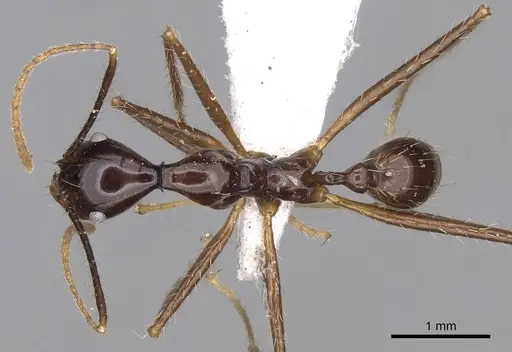
CASENT0904290
View on AntWeb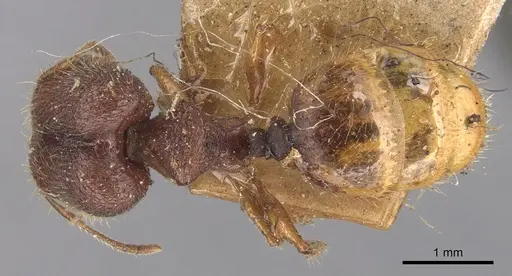
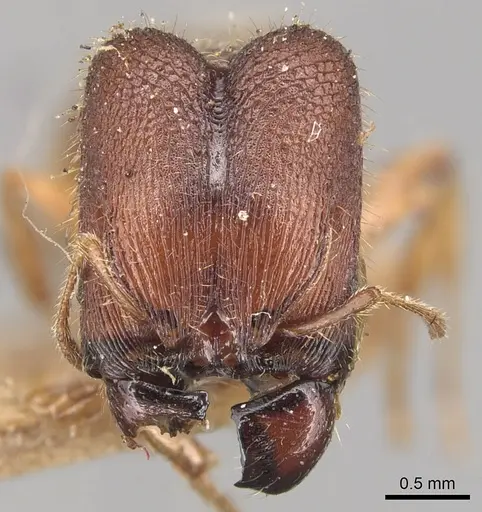
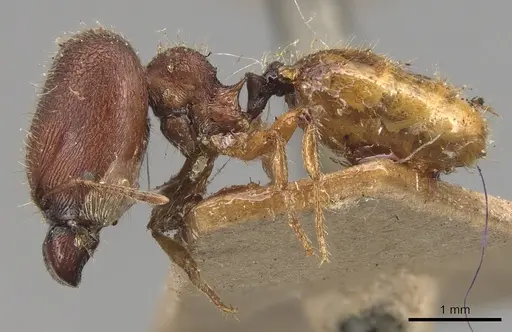
CASENT0904291
View on AntWeb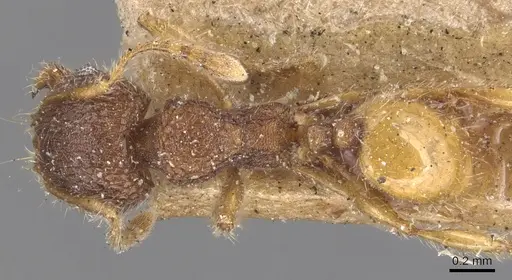
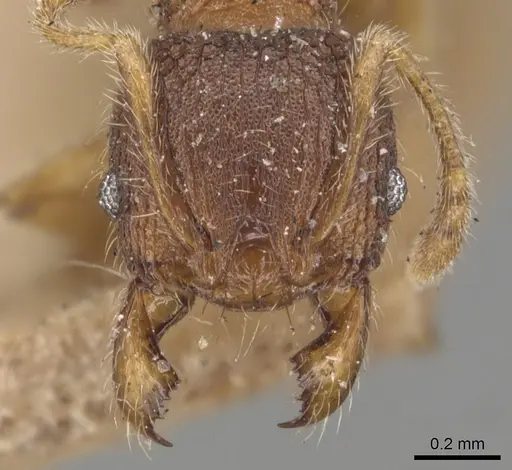
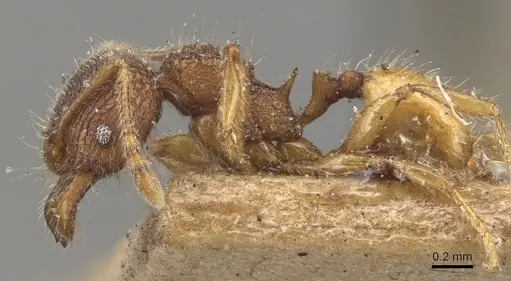
CASENT0908043
View on AntWeb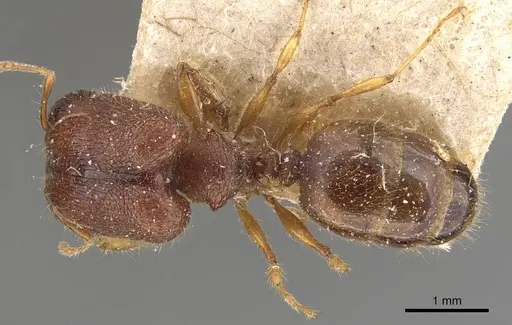
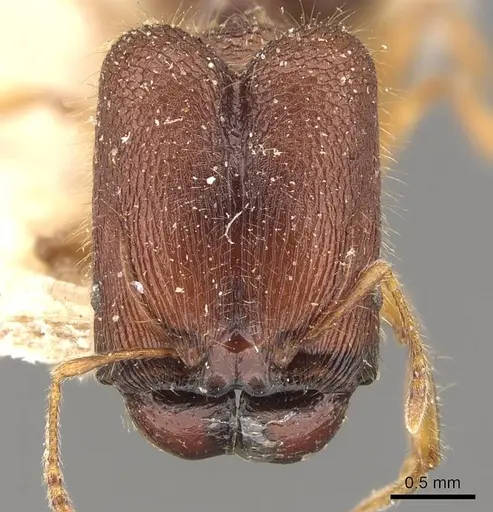
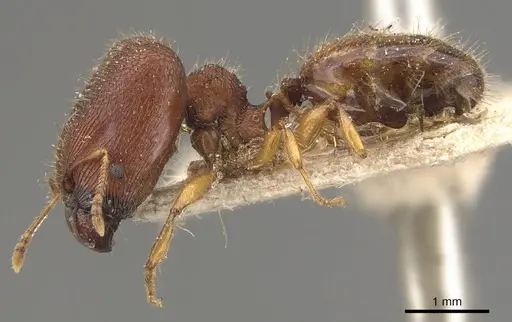
CASENT0908044
View on AntWeb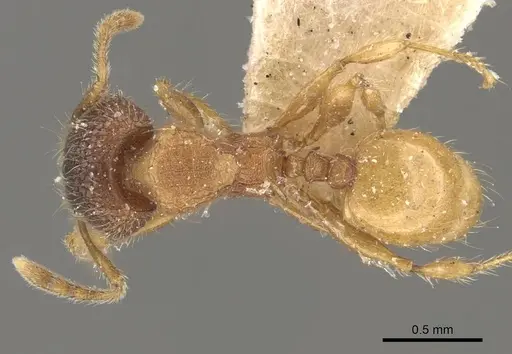
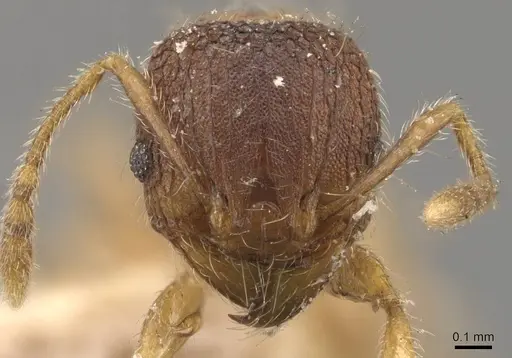
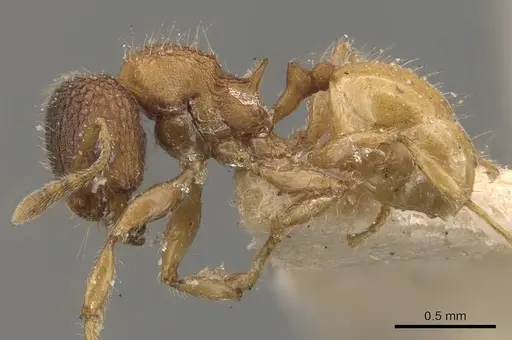
CASENT0908045
View on AntWeb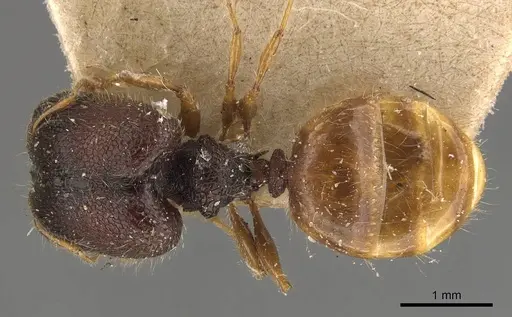
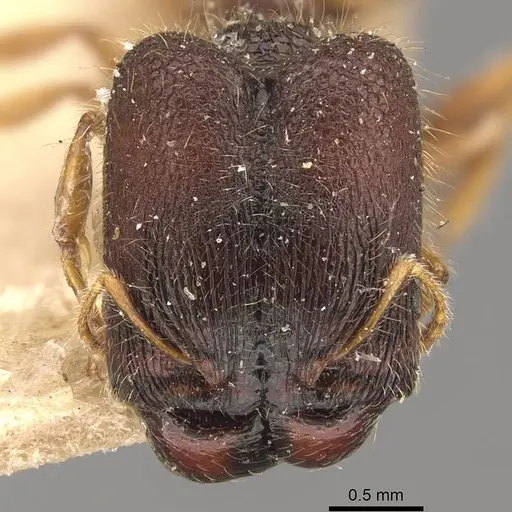
CASENT0908046
View on AntWeb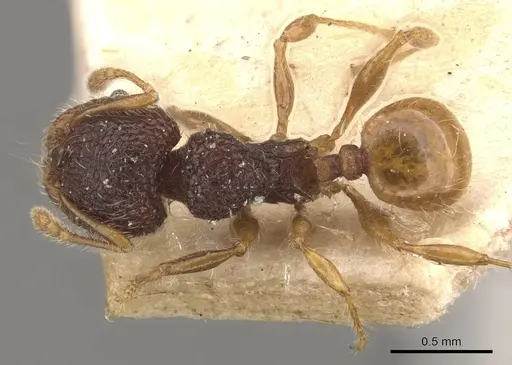
CASENT0919756
View on AntWeb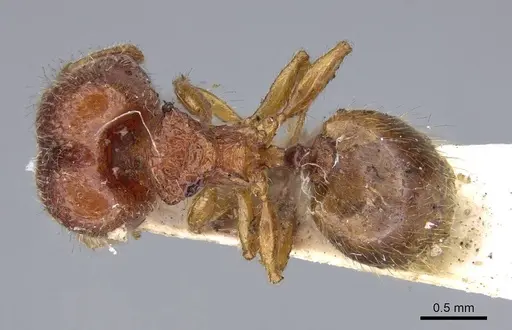
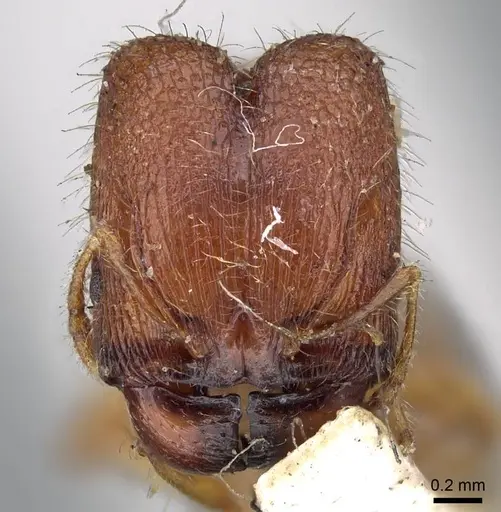
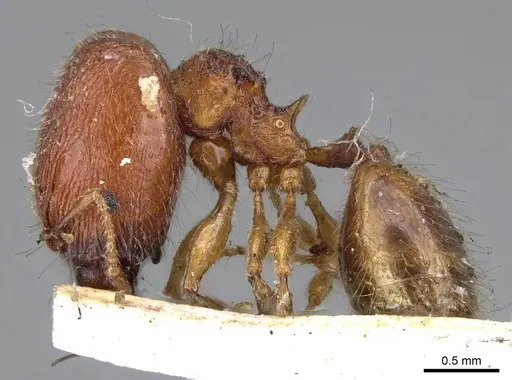
CASENT0919757
View on AntWeb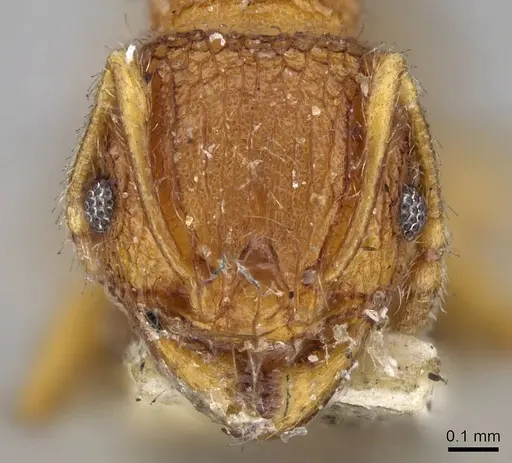
Literature
Loading...Loading products...