

Pheidole littoralis
- Scientific Name
- Pheidole littoralis
- Tribe
- Attini
- Subfamily
- Myrmicinae
- Author
- Cole, 1952
- Common Name
- Seaside Big-headed Ant
- Distribution
- Found in 1 countries
Pheidole littoralis Overview
Pheidole littoralis (commonly known as the Seaside Big-headed Ant) is an ant species of the genus Pheidole. It is primarily documented in 1 countries , including United States of America. Detailed taxonomic data and occurrence records can be further explored via authoritative databases such as AntWeb or the Global Biodiversity Information Facility (GBIF).
Pheidole littoralis - "Seaside Big-headed Ant"
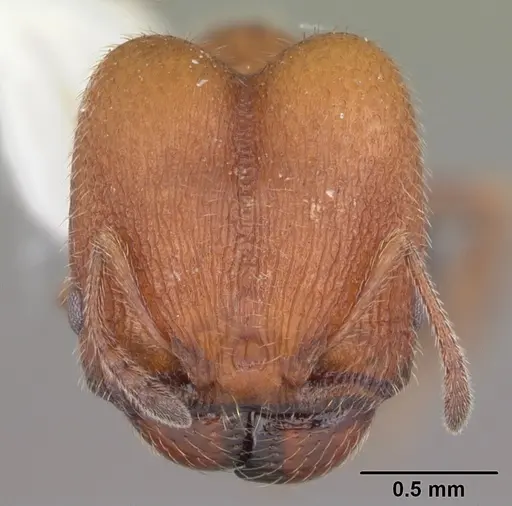
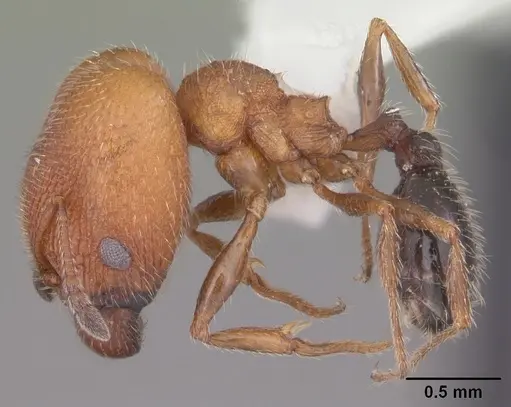
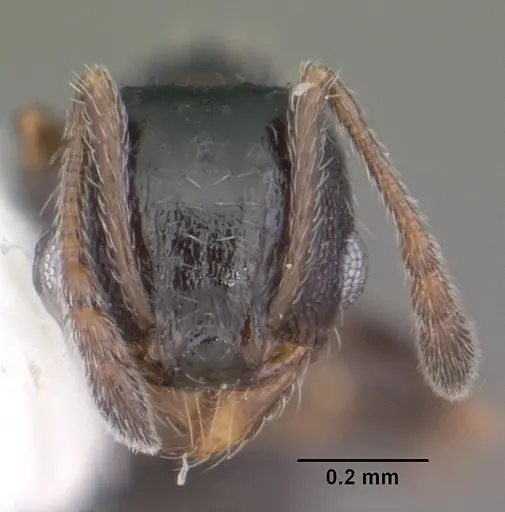
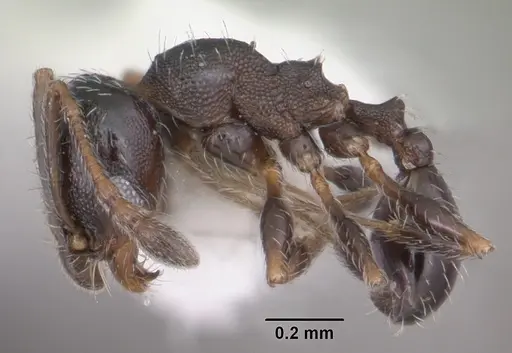
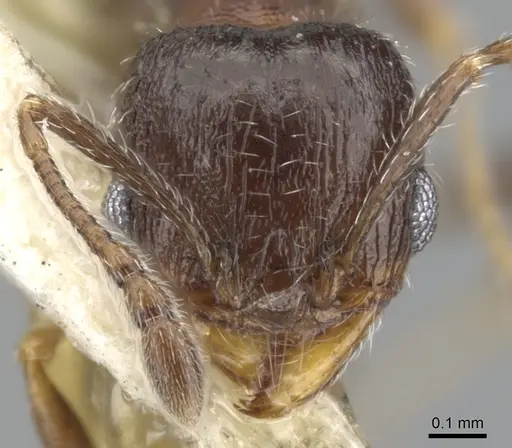
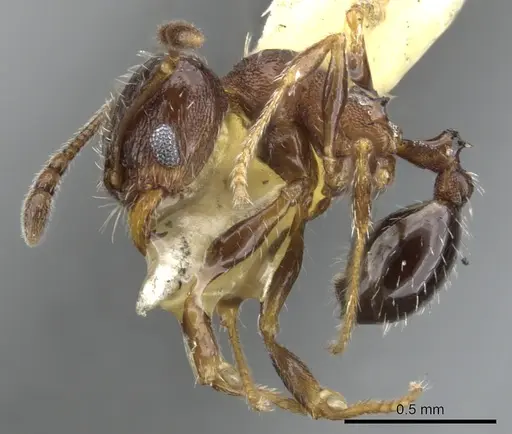
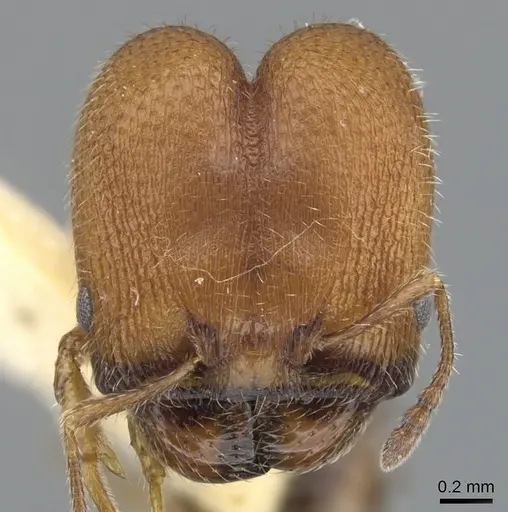
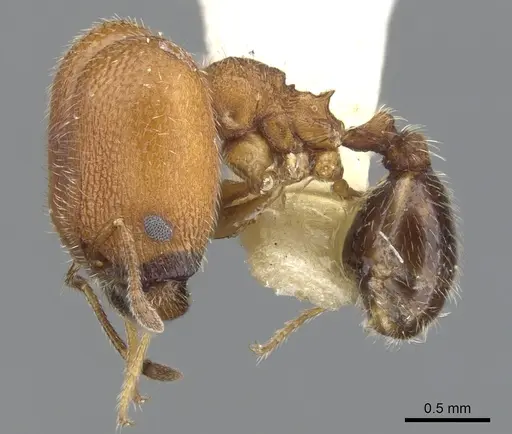
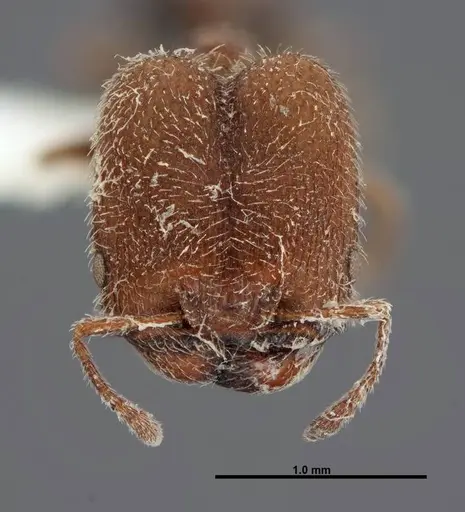
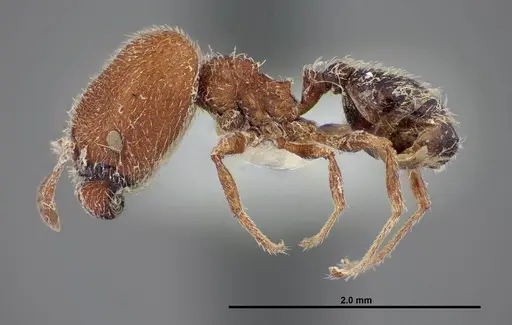
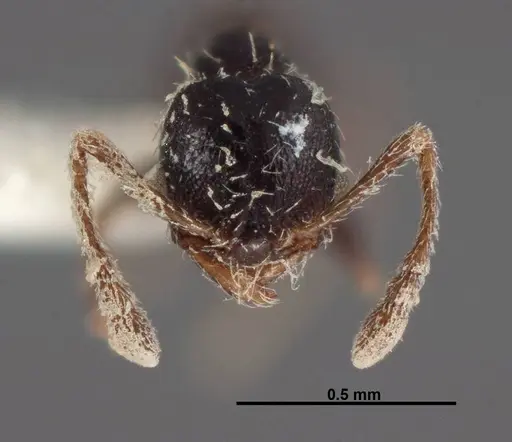
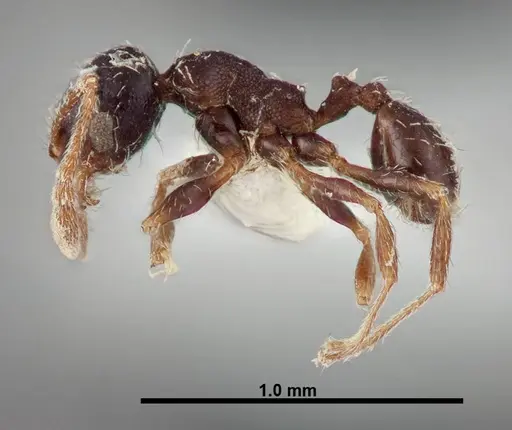
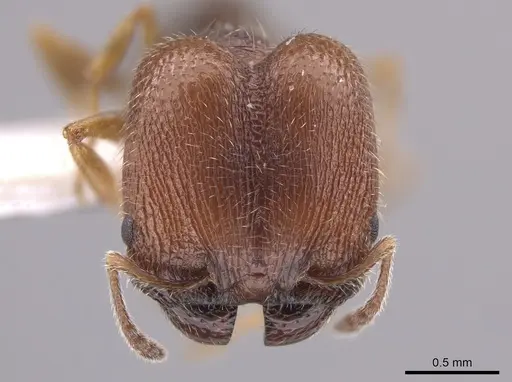
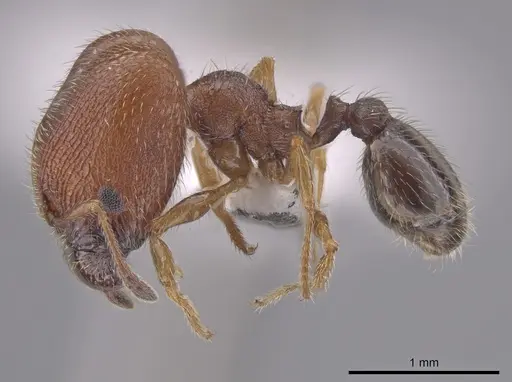
Pheidole littoralis is a small ant species native to the southeastern United States, specifically found in central Florida and nearby regions. These ants belong to the genus Pheidole, known for their distinctive two-worker caste system featuring large major workers (soldiers) and smaller minor workers. Major workers measure around 1.4mm in head width with a reddish-brown body and dark brown abdomen, while minor workers are about 0.58mm with a lighter brown coloration. This species is part of the pilifera complex, characterized by their sculpted head surfaces and diamond-shaped postpetioles in major workers. They are commonly found nesting in white-sand scrub habitats, building relatively deep nests beneath crescentic crater mounds.
Quick Summary
- Difficulty: Medium
- Origin & Habitat: Central Florida, USA, specifically found in white-sand scrub habitats at the Archbold Field Station near Lake Placid and in Baldwin County, Alabama. Nests are located beneath crescentic crater mounds in sandy soil, typically 10-20cm deep [1][2].
- Colony Type: Small colonies with single queens (monogyne). Colonies contain both major and minor worker castes typical of Pheidole species.
- Colony: Monogyne
- Founding: Claustral
- Size & Growth:
- Queen: Unconfirmed, typical Pheidole queens are 6-9mm
- Worker: Minor: 0.58mm HW, Major: 1.40mm HW
- Colony: Small colonies, likely under 500 workers based on field observations
- Growth: Moderate, typical for Pheidole species
- Development: 8-12 weeks at optimal temperature (Development time is estimated based on typical Pheidole genus patterns, as specific timing for P. littoralis has not been documented)
- Antkeeping:
- Temperature: Keep at 22-26°C. Provide a gentle temperature gradient allowing workers to self-regulate
- Humidity: Moderate humidity around 50-70%. Keep nest substrate slightly moist but not waterlogged, mimicking the sandy scrub environment they naturally inhabit
- Diapause: Likely requires winter rest period given their Florida distribution, reduce temperature to 15-18°C for 2-3 months during winter
- Nesting: Deep nests are essential, provide at least 10-15cm of substrate depth. Y-tong or plaster nests work well. They prefer nesting in sandy/loose substrate and will store seeds in granary chambers
- Behavior: Pheidole littoralis is a seed-harvesting species that collects and stores seeds in dedicated granary chambers deep within their nests. Unlike some Pheidole species, they do not actively remove seeds from the nest after initial storage. Colonies are relatively small and non-aggressive. Major workers serve primarily for seed processing and colony defense. They are moderate foragers with typical Pheidole foraging patterns. Escape risk is moderate due to their small size, use standard barrier methods
- Common Issues: small colony size means slow population growth, don't expect rapid expansion, deep nesting requirement may be challenging in shallow formicariums, seed-storing behavior means they may ignore fresh protein if seeds are available, Florida origin suggests they need warmer conditions, cold rooms can stall growth, minor workers are very small and may escape through standard barrier setups
Nest Preferences and Housing
Pheidole littoralis requires deeper nesting space than many common ant species. In the wild, they build nests 10-20cm beneath the surface beneath distinctive crescentic crater mounds. For captive care, provide a nest with at least 10-15cm of substrate depth to accommodate their natural burrowing behavior. Y-tong (acrylic) nests work well, or you can use a naturalistic setup with deep sandy soil. They prefer loose, sandy substrate that allows for easy excavation. The nest should include a dedicated chamber for seed storage, these ants maintain granary chambers where they store harvested seeds. Test tubes can work for founding colonies but will need to be moved to deeper housing as the colony grows. [1]
Feeding and Diet
As a seed-harvesting species, Pheidole littoralis collects and stores seeds as a primary food source. They maintain granary chambers deep in their nests where they store seeds for later consumption. Unlike some Pheidole species that remove seeds after processing, P. littoralis retains seeds in storage. In captivity, offer a variety of small seeds such as millet, sesame, or grass seeds. They will also accept protein sources including small insects like fruit flies, pinhead crickets, and mealworms. Sugar water or honey can be offered occasionally but is not a primary food source. Feed seeds continuously as a base diet, with protein offerings 2-3 times per week. Remove uneaten seeds periodically to prevent mold.
Temperature and Seasonal Care
Pheidole littoralis originates from central Florida, which means they prefer warmer conditions than many temperate ant species. Maintain nest temperatures between 22-26°C for optimal brood development. A heating cable on one side of the nest can create a temperature gradient, allowing workers to choose their preferred zone. During winter months, reduce temperatures to 15-18°C for 2-3 months to simulate their natural seasonal cycle. This winter rest period is important for colony health and may trigger reproductive behavior in spring. Avoid keeping them in consistently cold environments as this will stall colony growth and may weaken the colony. [1]
Colony Structure and Castes
Like all Pheidole species, P. littoralis has two distinct worker castes: minor workers and major workers. Minor workers are the foragers and nurses, measuring around 0.58mm in head width. Major workers (sometimes called soldiers) are larger at 1.4mm head width and have distinctive sculpted heads with foveae (small pits). They serve primarily for seed processing and colony defense. Colonies remain relatively small compared to some other Pheidole species, typically reaching only several hundred workers. The colony structure is monogyne, meaning a single queen establishes and leads each colony. Queens are likely claustral, sealing themselves in a chamber to raise the first brood on stored body reserves.
Behavior and Foraging
These ants are moderate foragers that actively harvest seeds from their environment. They build characteristic crescentic crater mounds at their nest entrances. Workers forage individually, searching for seeds and small insects. The deep nesting behavior means they spend considerable time traveling between the surface and their underground granary chambers. Major workers are not aggressive but will defend the colony if threatened. Their small colony size and moderate activity level make them relatively peaceful inhabitants. They are not known for painful stings, their stingers are too small to penetrate human skin effectively.
Frequently Asked Questions
How long does it take for Pheidole littoralis to raise first workers?
Expect 8-12 weeks from egg to first worker at optimal temperatures (22-26°C). This is typical for Pheidole species, though specific timing for P. littoralis has not been directly documented.
What do Pheidole littoralis ants eat?
They are seed-harvesting ants. Offer small seeds like millet, sesame, or grass seeds as a primary food source. They also accept protein like small insects (fruit flies, pinhead crickets, mealworms). Sugar water can be offered occasionally.
Can I keep Pheidole littoralis in a test tube?
Test tubes work for founding colonies but these ants need deep nesting space (10-15cm) as they mature. Move them to a Y-tong or naturalistic setup with deep substrate once the colony reaches 20-30 workers.
How big do Pheidole littoralis colonies get?
Colonies remain relatively small, typically several hundred workers at maturity. This is smaller than many other Pheidole species.
Do Pheidole littoralis need hibernation?
Yes, they benefit from a winter rest period. Reduce temperatures to 15-18°C for 2-3 months during winter to mimic their natural seasonal cycle in central Florida.
What makes Pheidole littoralis different from other Pheidole?
They are one of the few Pheidole species that store seeds in dedicated granary chambers but do not remove them after processing. They also have very specific habitat requirements, nesting only in white-sand scrub habitats in central Florida.
Are Pheidole littoralis good for beginners?
They are moderate difficulty. The deep nesting requirement and specific temperature needs make them slightly more challenging than common temperate species, but their small colony size and peaceful nature make them manageable for intermediate antkeepers.
When should I move Pheidole littoralis to a formicarium?
Move them when the test tube becomes crowded or when the colony reaches about 20-30 workers. Ensure the new setup provides at least 10-15cm of nesting depth.
Why are my Pheidole littoralis not growing fast?
Check temperature first, they need 22-26°C for optimal growth. Also ensure they have deep substrate for nesting and a proper seed storage chamber. Cold temperatures or shallow nesting can significantly slow development.
References

This caresheet is licensed under CC BY-SA 4.0 .
CASENT0104404
View on AntWeb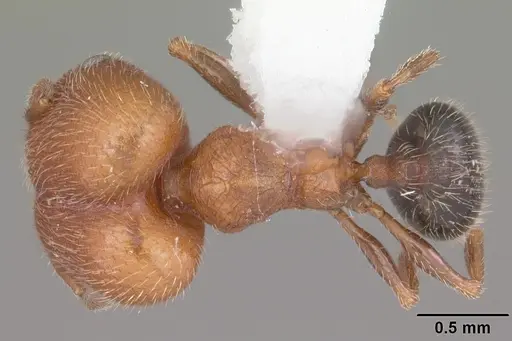
CASENT0104405
View on AntWeb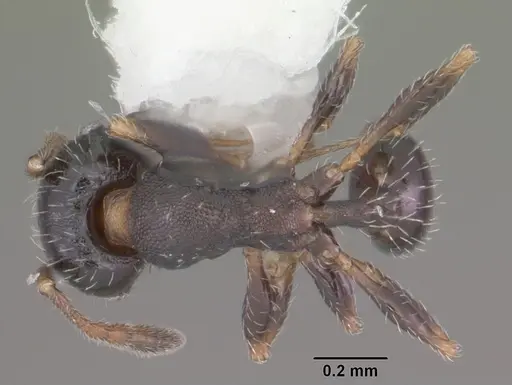
CASENT0901557
View on AntWeb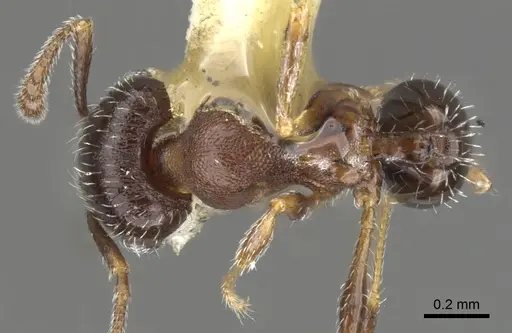
CASENT0901558
View on AntWeb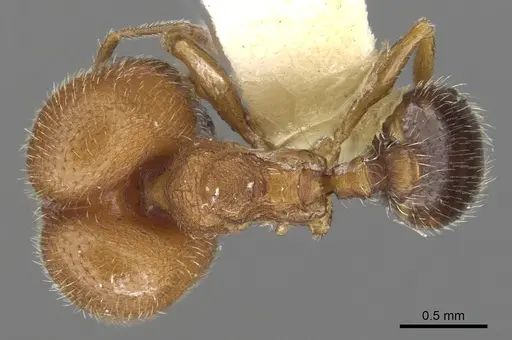
FMNHINS0000062820
View on AntWeb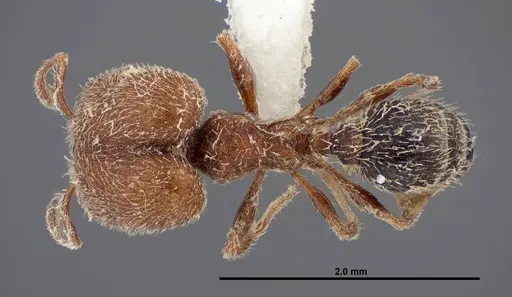
FMNHINS0000062822
View on AntWeb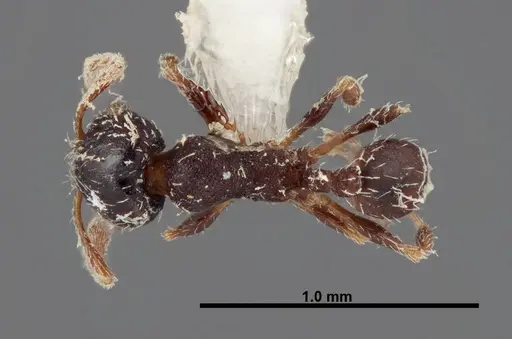
JTLC000013743
View on AntWeb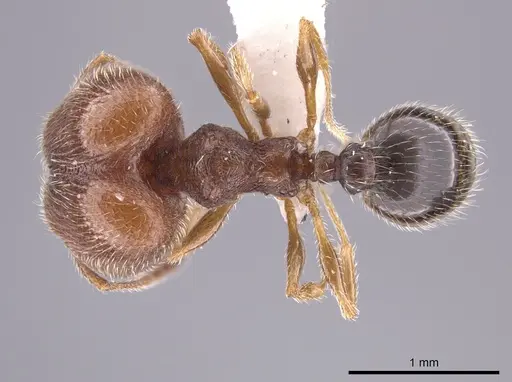
Literature
Loading...Loading products...