

Pheidole lineafrons
- Scientific Name
- Pheidole lineafrons
- Tribe
- Attini
- Subfamily
- Myrmicinae
- Author
- Longino, 2019
- Distribution
- Found in 1 countries
Pheidole lineafrons Overview
Pheidole lineafrons is an ant species of the genus Pheidole. It is primarily documented in 1 countries , including Costa Rica. Detailed taxonomic data and occurrence records can be further explored via authoritative databases such as AntWeb or the Global Biodiversity Information Facility (GBIF).
Pheidole lineafrons
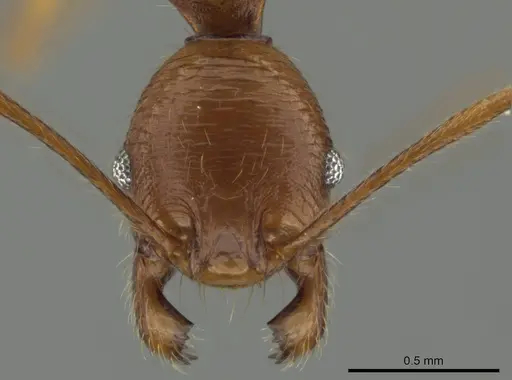
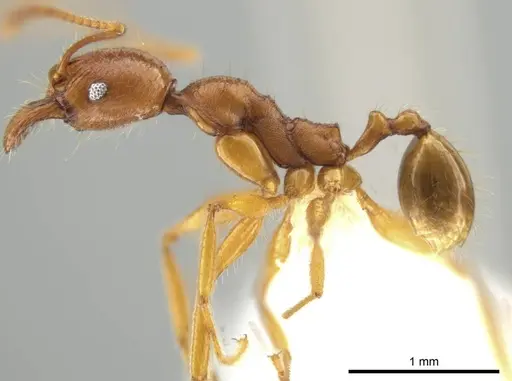
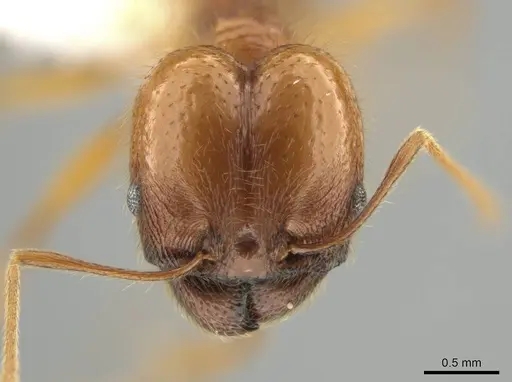
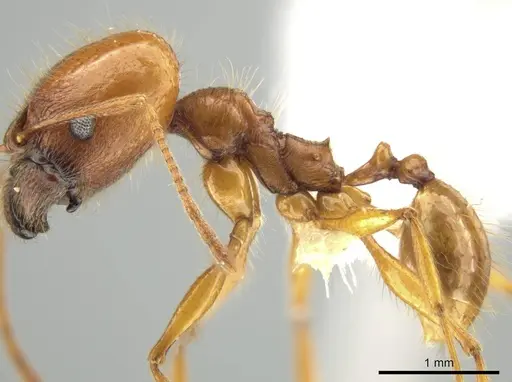
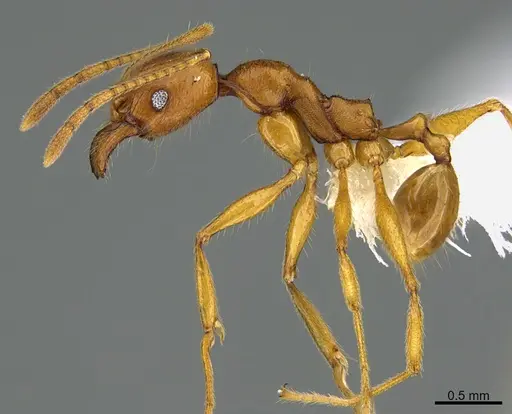
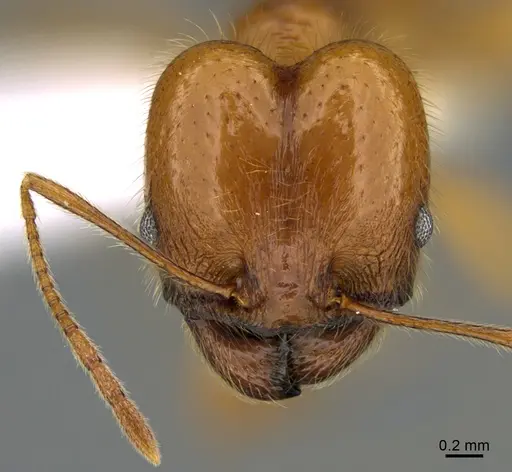
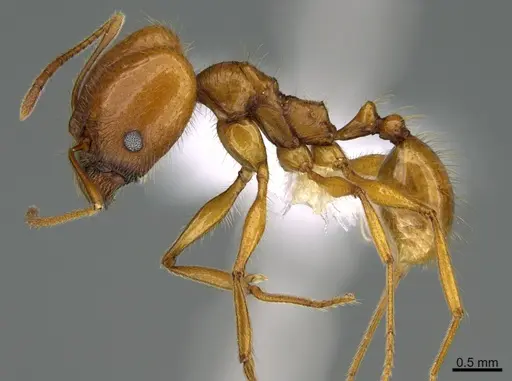
Pheidole lineafrons is a small Neotropical ant species described in 2019 from Costa Rica's Monteverde cloud forest. These ants have the classic Pheidole two-worker caste system: minor workers are tiny at around 0.7mm head width, while major workers (soldiers) are larger at around 1.6mm and have distinctive pronounced inner hypostomal teeth [1]. Minor workers are orange with a shiny face featuring faint transverse striations (which gave the species its name 'lineafrons'), while majors have subparallel longitudinal rugulae on their face. This is a nocturnal species, workers were observed foraging at night and recruiting to bait from a nest entrance in a clay bank [2]. The species has recently been recorded in Colombia, making it one of the wider-ranging Pheidole species in Central and South America [1].
Quick Summary
- Difficulty: Medium
- Origin & Habitat: Cloud forest in Costa Rica (Monteverde, Puntarenas) at 1480m elevation, and recently documented in Colombia (Caldas) at 1610m. Nests in clay banks, typically in disturbed areas like landslide scars in mature forest [2][1].
- Colony Type: Likely monogyne (single queen) based on typical Pheidole patterns. Colonies have both minor and major worker castes.
- Colony: Monogyne
- Founding: Semi-claustral
- Size & Growth:
- Queen: Undocumented, estimated 5-7mm based on related Pheidole species
- Worker: Minor: 0.7mm head width (HW 0.71mm) [1]. Major: 1.6mm head width (HW 1.57mm) [1].
- Colony: Likely several hundred workers based on typical Pheidole colony sizes
- Growth: Moderate, estimated based on genus patterns
- Development: Estimated 6-8 weeks at optimal temperature based on related Pheidole species (Development timeline not directly studied for this species, estimate based on genus patterns for tropical cloud forest ants)
- Antkeeping:
- Temperature: Keep around 22-26°C. As a cloud forest species from high elevation (1480-1610m), they prefer cooler, stable conditions compared to lowland tropical ants. Avoid overheating.
- Humidity: High humidity required, cloud forest habitat. Keep nest substrate consistently moist but not waterlogged. Provide a water tube as primary hydration source.
- Diapause: Likely minimal or no true diapause given their tropical cloud forest origin. May reduce activity during cooler months.
- Nesting: Y-tong (AAC) nests or plaster nests work well. Provide tight chambers scaled to their small size. Naturalistic setups with clay/soil substrate also suitable given their natural nesting in clay banks.
- Behavior: Nocturnal foragers, expect most activity in evening and night hours. Typical Pheidole behavior with major workers defending the nest and assisting with food processing. Minor workers handle most foraging and brood care. Escape risk is moderate due to small minor worker size, use standard barrier precautions. Not known to be particularly aggressive toward keepers.
- Common Issues: high humidity needs can lead to mold if ventilation is poor, nocturnal activity means less visible during daytime, don't mistake for colony failure, small minor workers can escape through standard barriers if gaps exist, cloud forest origin means they may struggle in warm, dry rooms, limited availability as a newly described species, may be difficult to acquire
Housing and Nest Setup
Pheidole lineafrons is a small ant that does well in Y-tong (AAC) nests or plaster formicaria. The key is providing chambers scaled to their tiny size, minor workers are only about 0.7mm, so tight-fitting connections are important. Because they come from cloud forest habitat, they need higher humidity than typical room-temperature ants. A water tube connected to the nest works well for hydration. For the outworld, a simple setup with a small foraging area is sufficient, these are not large ants and don't need expansive spaces. Escape prevention should be moderate, while not extreme escape artists, their small size means they can slip through gaps that larger ants couldn't. A standard barrier of fluon on the rim of the outworld is usually sufficient. [1][2]
Feeding and Diet
Like most Pheidole species, these ants are omnivorous and will accept a variety of foods. Protein sources like small insects (fruit flies, pinhead crickets, mealworms) should be offered regularly, twice weekly is a good starting point. Sugar water, honey, or diluted maple syrup should always be available in the outworld. In the wild, minor workers were observed recruiting to bait, suggesting they readily discover and exploit food sources. The presence of major workers means they can process larger prey items than many similar-sized ants. Remove uneaten food after 24-48 hours to prevent mold issues in their humid setup. [2]
Temperature and Humidity
This species comes from high-elevation cloud forest (1480-1610m), so it prefers cooler conditions than typical tropical ants. Aim for 22-26°C, this is cooler than many ant species require. Avoid placing the nest near heat sources or in direct sunlight, as overheating can be fatal. Humidity should be kept high, think damp forest floor. The nest substrate should feel consistently moist but never waterlogged. Too much moisture leads to mold, which can devastate small colonies. A good approach is to keep one side of the nest slightly drier so the ants can choose their preferred humidity zone. Room humidity of 60-80% is ideal. [2][1]
Colony Development and Growth
Pheidole lineafrons has the classic two-caste system: minor workers handle most tasks (foraging, brood care, nest maintenance) while major workers (soldiers) defend the nest and help process large food items. The species was only described in 2019,so specific development times are not documented. Based on related Pheidole species, expect 6-8 weeks from egg to first worker (nanitic). Colonies likely reach several hundred workers at maturity. The presence of major workers develops as the colony grows, early colonies may be mostly minors until the colony reaches a certain size. This is a nocturnal species, so expect most brood-tending activity and foraging to occur during evening and night hours. [1]
Seasonal Care
As a cloud forest species from tropical Central America, Pheidole lineafrons does not experience harsh seasonal changes in the wild. This likely means they do not require a true hibernation or diapause period. During cooler winter months, you may see reduced activity and slower brood development, which is normal. Do not attempt to cool them significantly below room temperature, unlike temperate species, they are not adapted to cold. Simply maintain stable temperatures year-round (22-26°C) and they should continue developing. The key seasonal consideration is humidity, dry winter air can desiccate the nest, so monitor moisture levels more closely during heating season. [2]
Frequently Asked Questions
How long does it take for Pheidole lineafrons to have first workers?
The exact timeline is not documented for this recently described species, but based on related Pheidole species, expect 6-8 weeks from egg to first worker at optimal temperature (22-26°C). Early workers (nanitics) will be smaller than mature minors.
What do Pheidole lineafrons ants eat?
They are omnivorous. Offer small protein sources like fruit flies, pinhead crickets, or small mealworms twice weekly. Keep sugar water, honey, or diluted maple syrup constantly available. Remove uneaten food after 24-48 hours.
Are Pheidole lineafrons good for beginners?
This is a medium-difficulty species. They have specific humidity requirements (high, cloud forest conditions) and are nocturnal, so less visible during the day. They are also a newly described species (2019) and may be difficult to acquire. Experienced antkeepers who can maintain high humidity will have better success.
What temperature do Pheidole lineafrons need?
Keep them at 22-26°C. As a cloud forest species from high elevation, they prefer cooler conditions than typical tropical ants. Avoid overheating and direct sunlight.
Can I keep multiple Pheidole lineafrons queens together?
Pheidole species are typically monogyne (single queen). Combining unrelated queens is not recommended and likely results in fighting. If you acquire a colony, it will typically have one founding queen.
How big do Pheidole lineafrons colonies get?
Colony size is not directly documented, but based on typical Pheidole patterns, expect several hundred workers at maturity. The colony will have both minor and major (soldier) workers.
Why are my Pheidole lineafrons not active during the day?
This is a nocturnal species, they do most of their foraging and activity at night. Don't be alarmed if you see little movement during daytime hours. Check on them in the evening with a red light to observe natural behavior.
Do Pheidole lineafrons need hibernation?
No, they do not require hibernation. As a tropical cloud forest species, they prefer stable warm conditions year-round. Simply maintain temperatures in the 22-26°C range.
References

This caresheet is licensed under CC BY-SA 4.0 .
CASENT0644874
View on AntWeb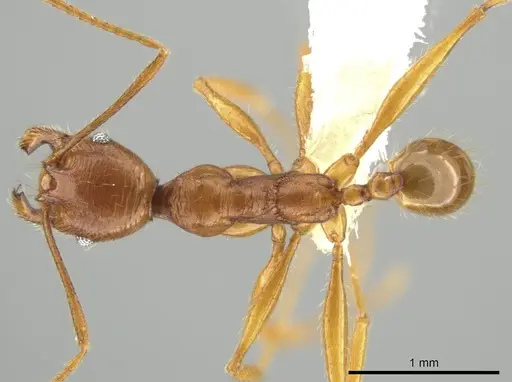
CASENT0644875
View on AntWeb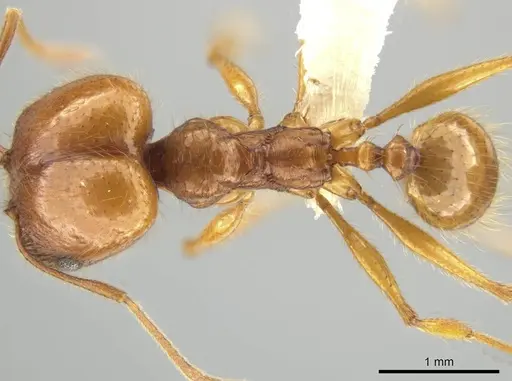
CASENT0646549
View on AntWeb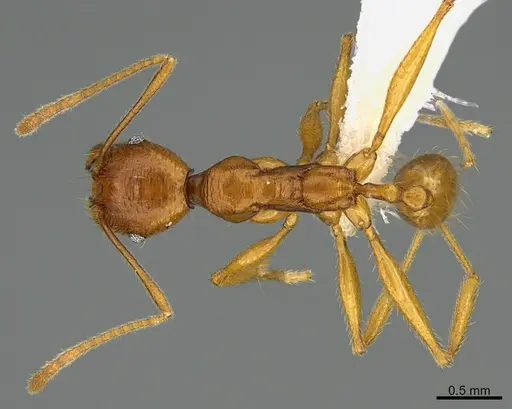
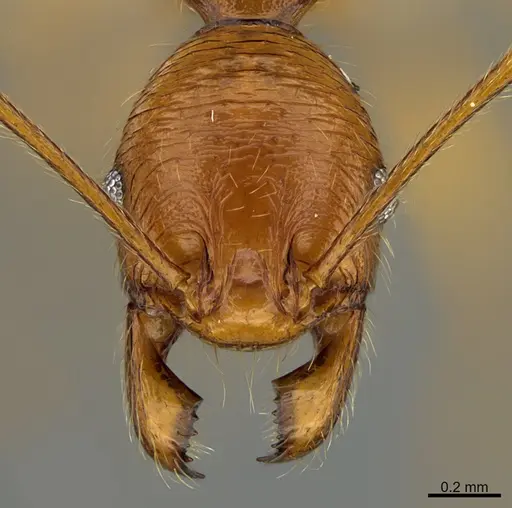
CASENT0646552
View on AntWeb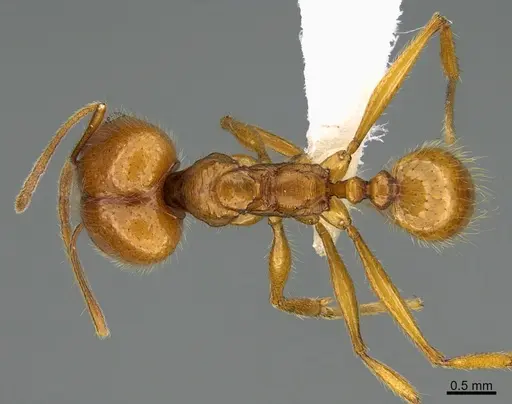
Literature
Loading...Loading products...