

Pheidole lavasoa
- Scientific Name
- Pheidole lavasoa
- Tribe
- Attini
- Subfamily
- Myrmicinae
- Author
- Salata & Fisher, 2020
- Distribution
- Found in 1 countries
Pheidole lavasoa Overview
Pheidole lavasoa is an ant species of the genus Pheidole. It is primarily documented in 1 countries , including Madagascar. Detailed taxonomic data and occurrence records can be further explored via authoritative databases such as AntWeb or the Global Biodiversity Information Facility (GBIF).
Pheidole lavasoa
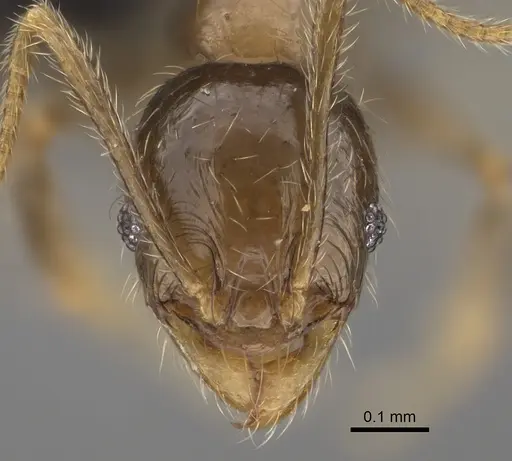
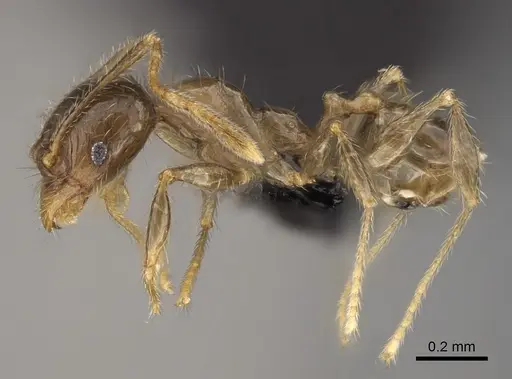
Pheidole lavasoa is a newly described minute ant species from the sikorae species group, discovered in the rainforests of Madagascar at Grand Lavasoa. Major workers measure just under 1mm (0.94mm head length) while minor workers are even smaller at 0.48mm, making them one of the tiniest Pheidole species you'll encounter. The species was officially described in 2020 by Salata and Fisher, collected from a nest inside a rotten log at 450 meters elevation. Major workers have a distinctive dark brown body with yellowish-brown legs, gaster, and antennae, while minors are entirely yellowish-brown. This species belongs to the Attini tribe, which includes the famous leafcutter ants, though Pheidole themselves are generalist foragers.
Quick Summary
- Difficulty: Medium
- Origin & Habitat: Madagascar, specifically Grand Lavasoa in the Toliara region. Found in rainforest habitat at 450m elevation, nesting inside rotten logs [1].
- Colony Type: Colony structure is unconfirmed. Based on typical Pheidole patterns, likely single-queen (monogyne) colonies, but this has not been documented for this specific species.
- Size & Growth:
- Queen: Unknown, no queen specimens have been described yet. Based on related species in the sikorae group, queens are likely 4-6mm.
- Worker: Major workers: 0.94mm head length,0.98mm head width. Minor workers: 0.48mm head length,0.42mm head width [1].
- Colony: Unknown, no colony size data exists. Related species in the sikorae group typically reach several hundred workers.
- Growth: Unknown, development timeline has not been documented. Estimated 6-10 weeks from egg to worker based on typical Pheidole genus patterns.
- Development: 6-10 weeks (estimated based on typical Pheidole development) (This is an estimate based on genus-level patterns. No specific development data exists for this species.)
- Antkeeping:
- Temperature: Keep around 22-26°C. As a rainforest species from Madagascar, they likely prefer warm, stable conditions. A gentle gradient allowing them to move between temperatures is ideal.
- Humidity: High humidity is essential, they nest in rotten logs in rainforest conditions. Keep nest substrate consistently moist but not waterlogged. Aim for 70-85% relative humidity.
- Diapause: Unknown, no seasonal data exists. Madagascar species may have reduced activity during cooler months but likely do not require true hibernation like temperate species.
- Nesting: In captivity, they do well in naturalistic setups with rotting wood or in Y-tong/plaster nests. The key is providing humid, dark conditions with small chambers scaled to their tiny size. Avoid dry, open setups.
- Behavior: Temperament is typical of Pheidole, generally peaceful but major workers will defend the colony aggressively if threatened. They are small but active foragers, likely recruiting nestmates to food sources. Escape prevention is critical due to their minute size, they can squeeze through incredibly small gaps. Use fine mesh and tight-fitting barriers.
- Common Issues: escape prevention is critical, their minute size means they can squeeze through gaps too small for most ants, no established care protocols exist since this is a newly described species, some trial and error expected, wild-caught colonies may have parasites or diseases not yet understood, slow growth and small colony size means patience is required, high humidity requirements can lead to mold problems if ventilation is inadequate
Housing and Nest Setup
Pheidole lavasoa requires careful housing due to their minute size. In the wild, they nest in rotten logs in rainforest conditions, so aim to replicate this humid, dark environment. Naturalistic setups with rotting wood pieces work well, you can collect clean, decaying wood from hardwood trees and sterilize it before use. Alternatively, Y-tong (AAC) nests or plaster nests with small chambers work effectively. The key is providing chambers scaled to their tiny body size, passages that are too large make them feel insecure. Keep the nest area consistently moist but avoid standing water. A water tube or cotton wick system works for maintaining humidity. Because they are so small, excellent escape prevention is essential, use fine mesh (at least 0.5mm) on all openings and check for gaps regularly. [1]
Feeding and Diet
Like most Pheidole species, they are generalist foragers that likely accept both protein and sugar sources. Based on typical genus behavior, offer small protein sources such as fruit flies, small mealworms, or other tiny insects. Sugar water, honey, or diluted nectar can be offered as an energy source. Feed small amounts every 2-3 days and remove uneaten food promptly to prevent mold. Since they are so small, portion sizes should be tiny, a drop of sugar water or a fragment of insect no larger than their head is sufficient. Observe your colony's preferences and adjust accordingly. Some colonies accept a wider variety than others.
Temperature and Seasonal Care
As a species from Madagascar rainforest, Pheidole lavasoa prefers warm, stable temperatures in the 22-26°C range. Avoid temperatures below 18°C or above 30°C. A heating cable on one side of the nest can create a gentle gradient, but ensure there are always cool areas available. Place the heating element on top of the nest rather than underneath to avoid drying out the substrate too quickly. Regarding seasonal changes, no specific data exists for this species. However, since Madagascar does not experience harsh winters, they likely do not require a true hibernation period. You may notice reduced activity during cooler months, but maintain normal care otherwise. Consistency is more important than following a strict schedule. [1]
Colony Establishment and Growth
Establishing a colony from a wild-caught queen is the most common approach for this species. While founding behavior has not been directly documented, Pheidole species are typically claustral, the queen seals herself in a small chamber and raises the first workers alone without foraging. Provide a founding queen with a small test tube setup with a water reservoir and keep it dark and undisturbed. The first workers (nanitics) will be smaller than normal workers but should appear within 6-10 weeks based on genus patterns. Once the colony reaches 10-20 workers, you can consider moving them to a more elaborate setup if needed. Growth is likely moderate, be patient as colonies may take several months to reach significant numbers. Avoid disturbing the colony during the founding stage.
Behavior and Observation
Pheidole lavasoa displays typical Pheidole behavior with distinct major and minor worker castes. Major workers (the larger ones with larger heads) handle defense and seed processing, while minors handle brood care, foraging, and general nest tasks. They are not aggressive toward humans and rarely sting, their small size means their sting is barely noticeable even if they attempt it. However, they will vigorously defend their colony if threatened. Observation is fascinating due to their complex social structure, watch how majors and minors interact and divide labor. They likely use chemical trails to recruit foragers to food sources. Provide enrichment such as small foraging areas and varied textures to encourage natural behaviors. [1]
Frequently Asked Questions
How long does it take for Pheidole lavasoa to produce first workers?
The exact timeline is unknown for this species, but based on typical Pheidole development patterns, expect 6-10 weeks from egg to first worker at optimal temperature (around 24°C). The founding queen will seal herself in and raise the first brood alone.
What do Pheidole lavasoa ants eat?
They likely accept both protein and sugar sources. Offer small insects like fruit flies or tiny mealworms for protein, and sugar water or honey for carbohydrates. Feed small amounts every 2-3 days and remove uneaten food.
Are Pheidole lavasoa good for beginners?
This species is rated as Medium difficulty. While their small size presents some challenges (escape prevention, small food portions), their generalist diet and relatively simple humidity needs make them manageable for intermediate antkeepers willing to pay attention to detail.
How big do Pheidole lavasoa colonies get?
Colony size is not documented for this specific species. Based on related species in the sikorae group, colonies likely reach several hundred workers over time. They are not among the largest Pheidole species.
What temperature and humidity do they need?
Keep temperatures around 22-26°C with a gentle gradient. They require high humidity (70-85%) to match their rainforest log-nesting habitat. Keep the nest substrate consistently moist but not waterlogged.
Can I keep multiple queens together?
This has not been documented for this species. Based on typical Pheidole behavior, single-queen colonies are most common. Combining unrelated queens is not recommended without evidence they can coexist peacefully.
Why are my ants escaping?
Their minute size means they can squeeze through incredibly small gaps. Use fine mesh (0.5mm or smaller) on all openings, check for gaps regularly, and ensure lid seals are tight. Even a tiny crack is an escape route for them.
Is this species available in the antkeeping hobby?
Pheidole lavasoa was only described in 2020 and is not commonly available in the hobby yet. Most colonies available are likely wild-caught imports from Madagascar. Availability may increase as more collectors become aware of the species.
References

This caresheet is licensed under CC BY-SA 4.0 .
CASENT0122898
View on AntWeb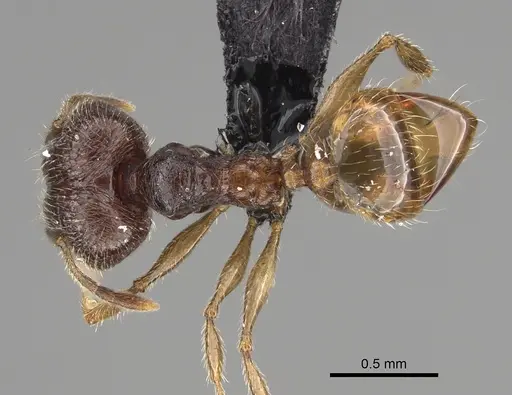
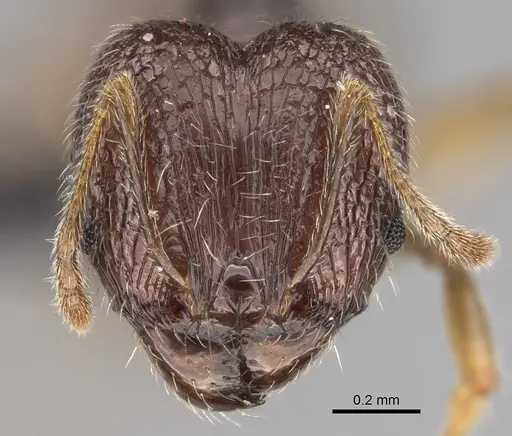
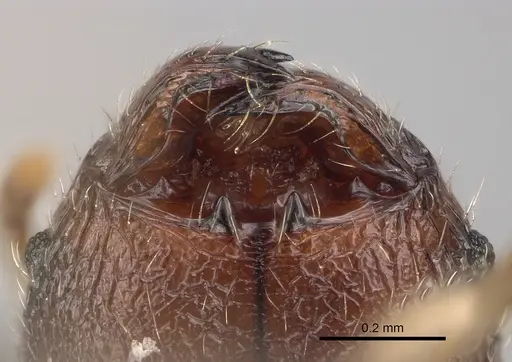
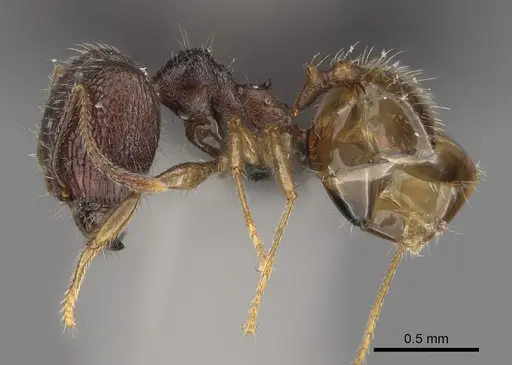
CASENT0923282
View on AntWeb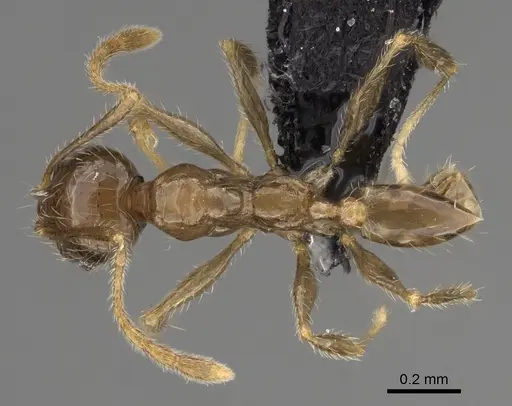
Literature
Loading...Loading products...