

Pheidole laudatana
- Scientific Name
- Pheidole laudatana
- Tribe
- Attini
- Subfamily
- Myrmicinae
- Author
- Wilson, 2003
- Distribution
- Found in 2 countries
Pheidole laudatana Overview
Pheidole laudatana is an ant species of the genus Pheidole. It is primarily documented in 2 countries , including Dominica, Guadeloupe. Detailed taxonomic data and occurrence records can be further explored via authoritative databases such as AntWeb or the Global Biodiversity Information Facility (GBIF).
Pheidole laudatana
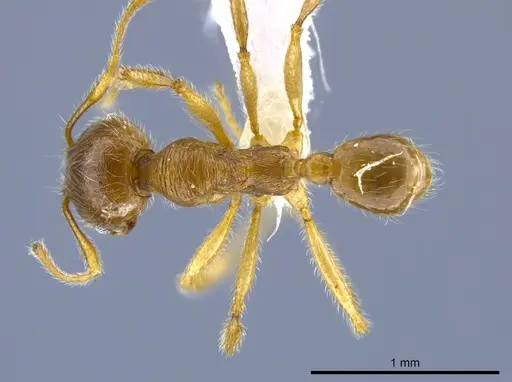
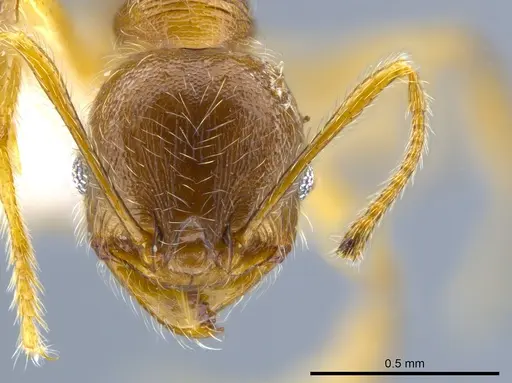
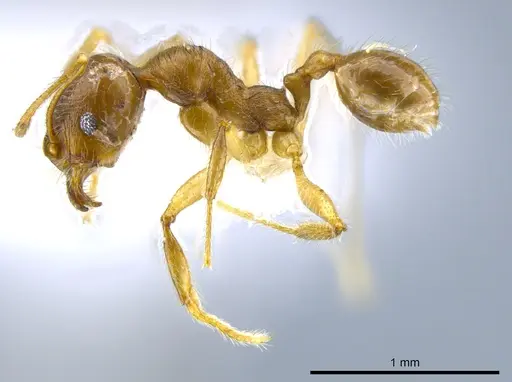
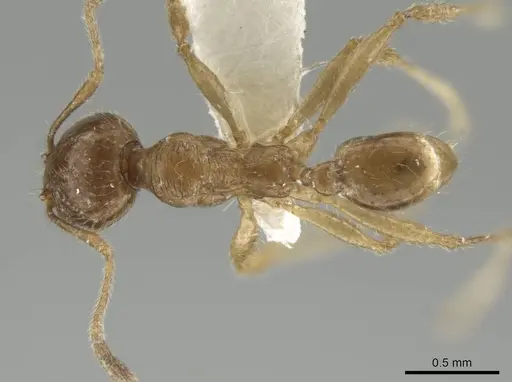
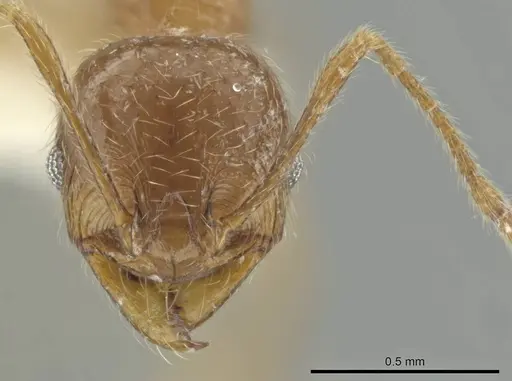
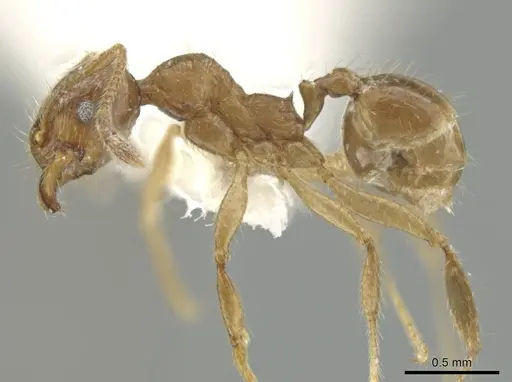
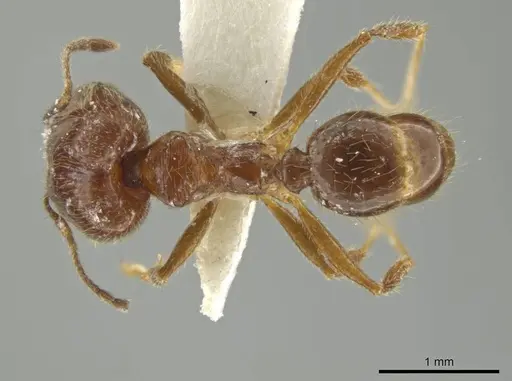
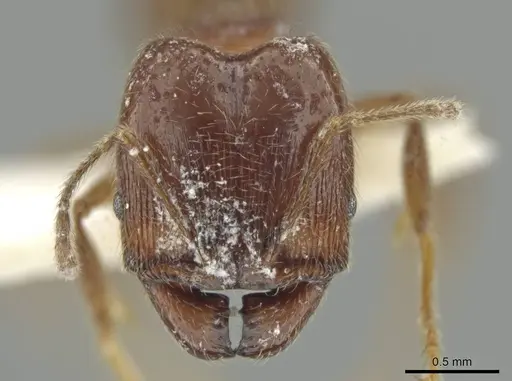
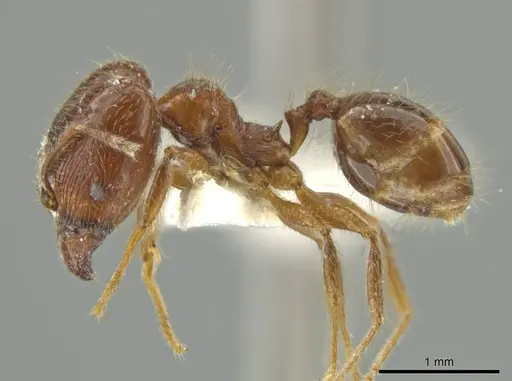
Pheidole laudatana is a small big-headed ant native to the Caribbean islands of Dominica and Guadeloupe. Majors measure around 1.12mm in head width, while workers are tiny at roughly 0.58mm. The species was described by E.O. Wilson in 2003 from specimens collected in elfin forest at about 800 meters elevation on Dominica. The major workers have a light brown body with yellow appendages, while minors are yellowish brown. This species belongs to the tristis group, which includes several Caribbean Pheidole species known for nesting in soil and small colonies.
Quick Summary
- Difficulty: Medium
- Origin & Habitat: Found only on the Caribbean islands of Dominica and Guadeloupe, specifically in elfin forest (montane cloud forest) at approximately 800 meters elevation[1].
- Colony Type: Colony structure is unconfirmed. Most Pheidole species are single-queen (monogyne) colonies, but this species has not been specifically studied.
- Founding: Claustral
- Size & Growth:
- Queen: Approximately 1.12mm head width based on major worker proportions, estimated from genus patterns
- Worker: Major workers: 1.12mm HW, Minor workers: 0.58mm HW
- Colony: Unknown for this specific species, but related Caribbean Pheidole typically form small colonies of a few hundred workers
- Growth: Moderate, typical for Pheidole genus
- Development: Estimated 6-8 weeks based on typical Pheidole development at warm temperatures (Development time inferred from genus patterns, not directly studied for this species)
- Antkeeping:
- Temperature: Keep at 22-26°C. The elfin forest habitat suggests they prefer cooler, stable conditions compared to tropical lowland ants. Avoid overheating.
- Humidity: High humidity (70-80%), elfin forests are constantly moist. Keep nest substrate damp but not waterlogged.
- Diapause: Likely no true diapause given the tropical island environment, though activity may slow slightly during cooler periods
- Nesting: Natural nesting: soil in forest floor. In captivity, a test tube setup works well for founding colonies. For established colonies, a small formicarium with moist soil or plaster works. Keep nesting area dark and quiet.
- Behavior: Majors are present but not excessively specialized, Pheidole typically use them for seed processing and colony defense. Workers are small and active. Foraging likely occurs primarily at night or during cooler periods. Escape risk is moderate due to small worker size, use standard barriers. Not known to be aggressive toward keepers.
- Common Issues: small colony size means slow development, beginners may lose patience, humidity control is critical, too dry and colonies fail quickly, poorly documented species means care is largely inferred from genus patterns, wild-caught colonies from Caribbean islands may carry unfamiliar parasites, tiny minor workers can escape through standard test tube barriers if not careful
Natural History and Distribution
Pheidole laudatana is known only from the Caribbean islands of Dominica and Guadeloupe, making it a truly island-endemic species. The type specimens were collected in elfin forest, a type of montane cloud forest found at higher elevations in the Caribbean. The type locality was Morne Macaque near Laudat, Dominica, at approximately 800 meters elevation. This habitat is characterized by constant moisture, cool temperatures, and dense vegetation. The species was described relatively recently in 2003 by E.O. Wilson, and remains one of the less-studied Caribbean ants. Related species in the tristis group are known to nest in clay soil with small nest openings, and both P. laudatana and the similar species Solenopsis enigmatica are common in primary forest on Dominica [2].
Housing and Nesting
For this species, a simple test tube setup works well for founding colonies. Fill a clean test tube with water and plug the wet end with cotton, leaving the dry end for the queen. Place the tube in a dark, quiet area and monitor moisture, the cotton should stay damp but not be soaking wet. Once the colony reaches 20-30 workers, you can consider moving them to a small formicarium. A small acrylic nest with narrow chambers or a ytong nest works well for Pheidole. Keep the nest substrate consistently moist. The elfin forest origin means they prefer cooler, humid conditions, avoid placing the nest in direct heat or sunlight. A small hide area is appreciated as Pheidole prefer dark nesting sites.
Feeding and Diet
Pheidole are omnivorous and typically accept a variety of foods. Offer sugar water or honey as a constant energy source. For protein, provide small insects like fruit flies, small crickets, or mealworms. Pheidole minors are tiny, so prey items should be appropriately sized, small fruit flies or pinhead crickets work well. You can also offer small seeds, as Pheidole majors are specialized for seed processing. Feed protein every 2-3 days, removing any uneaten prey after 24 hours. Sugar should be available at all times. Observe your colony's preferences, some colonies are more predaceous than others.
Temperature and Seasonal Care
Based on the elfin forest habitat at 800m elevation, these ants prefer cooler conditions than typical tropical ants. Keep temperatures in the 22-26°C range, avoid exceeding 28°C. Room temperature is likely appropriate for most keepers. Unlike temperate species, they likely do not require a true hibernation period. However, activity may slow during cooler periods, which is normal. Avoid temperature fluctuations and keep the nest away from heating elements, direct sunlight, and air conditioning vents. The constant humidity of their natural habitat is important, monitor substrate moisture regularly.
Colony Development
Pheidole colonies grow through typical founding sequences: the claustral queen lays eggs, raises the first brood (nanitic workers) entirely on her stored fat reserves, then the workers begin foraging. Initial growth is slow, the first major workers may take 6-8 weeks to emerge. Once the colony has workers, growth accelerates as more foragers are available. Pheidole colonies are not typically fast-growing compared to some genera, but they are steady. Major workers appear once the colony reaches a moderate size, these are used for seed processing and heavy work. Expect a well-established colony to reach a few hundred workers over 1-2 years under good conditions. Patience is key with this species.
Frequently Asked Questions
How long does it take for Pheidole laudatana to get first workers?
First workers (nanitics) typically emerge in 6-8 weeks after the queen lays eggs, assuming temperatures around 24-26°C. This is typical for Pheidole species. The queen will remain claustrated until her first workers emerge.
What do Pheidole laudatana ants eat?
They are omnivorous. Offer sugar water or honey constantly for energy, and protein sources like small fruit flies, pinhead crickets, or small mealworms 2-3 times per week. They may also accept small seeds.
What temperature do Pheidole laudatana ants need?
Keep them at 22-26°C. The elfin forest origin means they prefer cooler, stable conditions compared to many tropical ants. Avoid temperatures above 28°C.
Do Pheidole laudatana ants need hibernation?
Likely no. As a Caribbean island species from a tropical environment, they do not require a winter dormancy period. Simply maintain normal room temperatures year-round.
How big do Pheidole laudatana colonies get?
The maximum colony size is not documented, but related Caribbean Pheidole species typically form colonies of a few hundred workers. This species is not known for supercolonies.
Can I keep multiple Pheidole laudatana queens together?
Not recommended. This species' colony structure is unconfirmed, but most Pheidole are single-queen colonies. Combining unrelated queens has not been studied for this species.
Are Pheidole laudatana ants good for beginners?
They are moderate difficulty. The main challenges are maintaining high humidity and being patient through slow initial colony growth. They are not as forgiving as some common species but not difficult once basic humidity needs are met.
When should I move Pheidole laudatana to a formicarium?
Move them once the colony reaches 20-30 workers in a test tube. Signs that they need more space include workers constantly clustering at the water reservoir or refusing to accept prey in the test tube area.
Why is my Pheidole laudatana colony dying?
The most common causes are: too dry conditions (elfin forest ants need high humidity), temperature stress (too hot), or poor initial queen health. Check humidity levels first, the substrate should feel consistently damp. Also ensure no pesticides or contaminants are near the colony.
References

This caresheet is licensed under CC BY-SA 4.0 .
Literature
Loading...Loading products...