

Pheidole latinoda
- Scientific Name
- Pheidole latinoda
- Tribe
- Attini
- Subfamily
- Myrmicinae
- Author
- Roger, 1863
- Distribution
- Found in 1 countries
Pheidole latinoda Overview
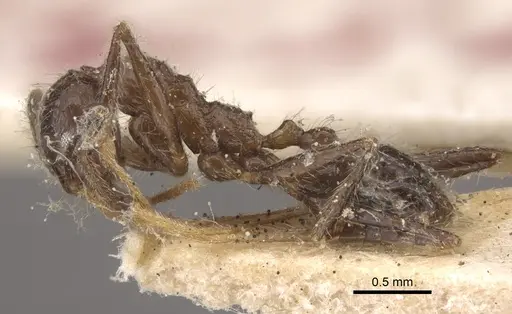
Pheidole latinoda is an ant species of the genus Pheidole. It is primarily documented in 1 countries , including India. Detailed taxonomic data and occurrence records can be further explored via authoritative databases such as AntWeb or the Global Biodiversity Information Facility (GBIF).
Pheidole latinoda
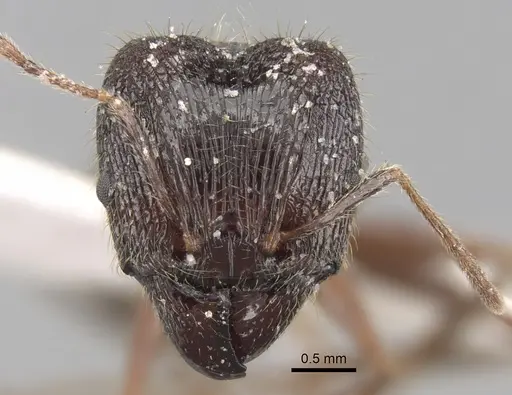
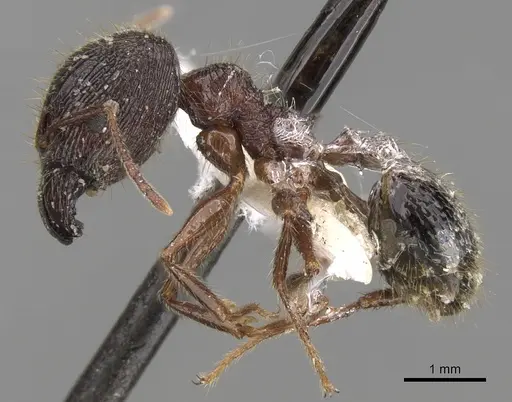
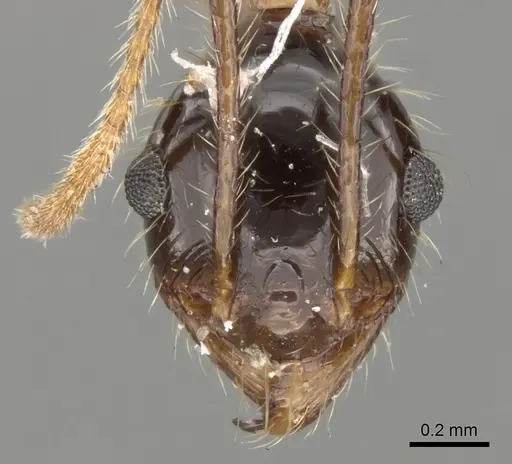
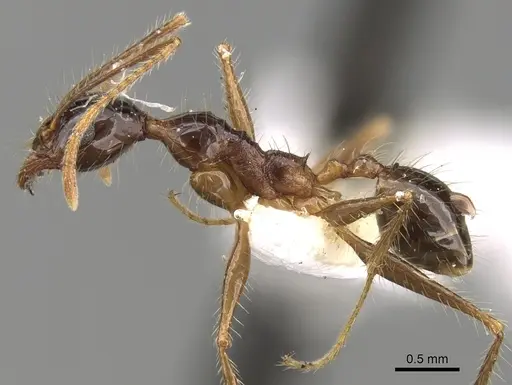
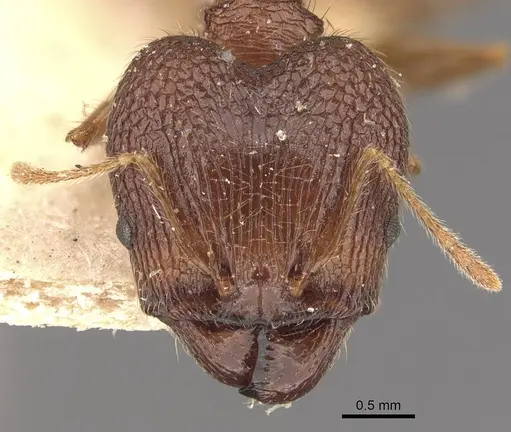
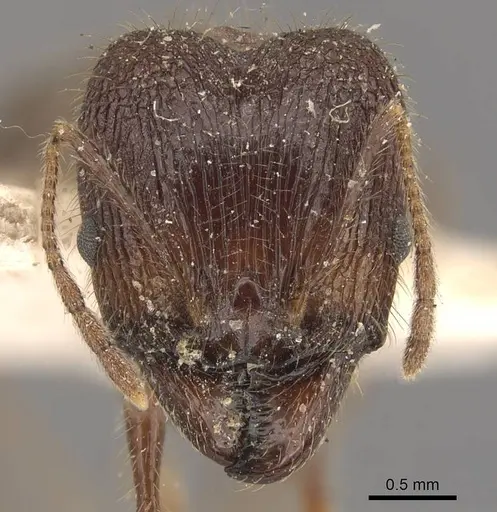
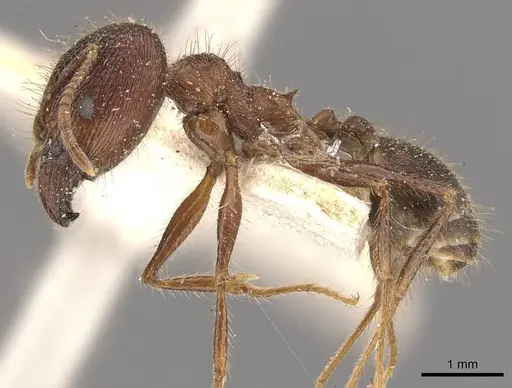
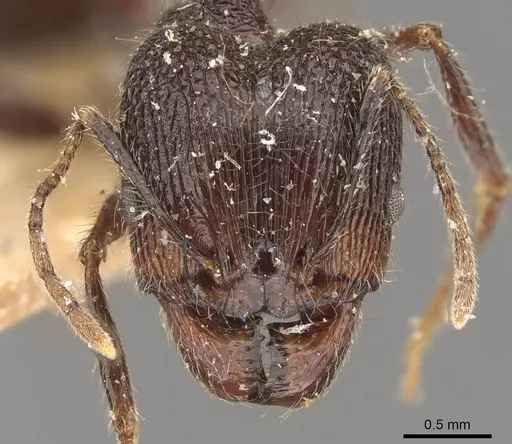
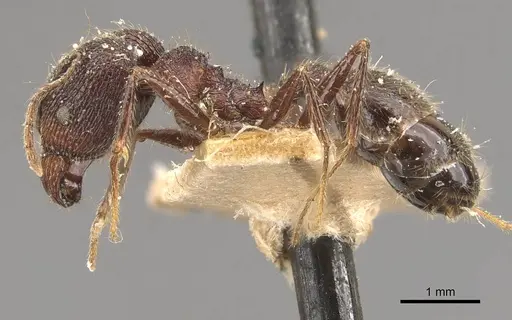
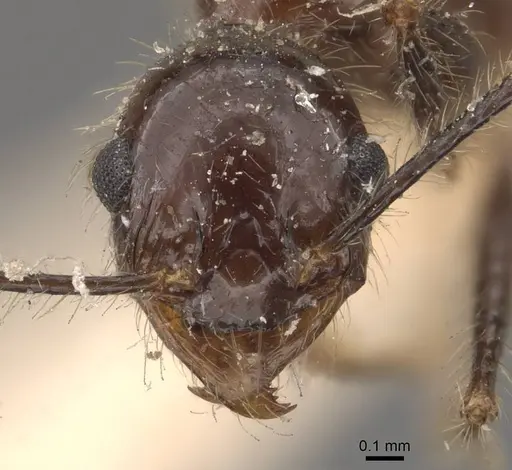
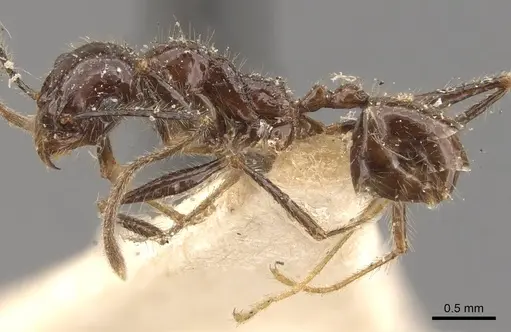
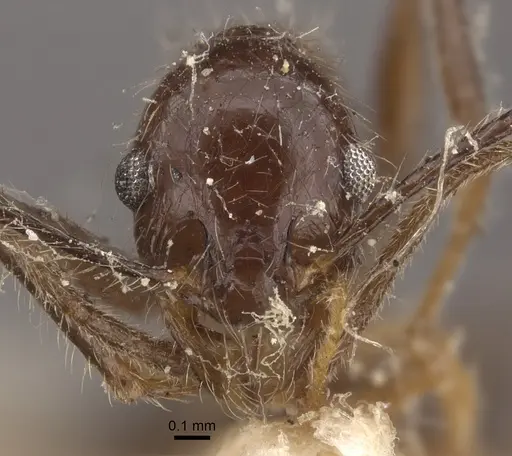
Pheidole latinoda is a polymorphic ant species native to South Asia, found across India, Sri Lanka, Pakistan, and recently recorded in Iran. The species is easily recognized by the distinct size difference between its major and minor workers, majors have notably enlarged heads. Queens were described by Forel in 1885,and workers measure approximately 3-5mm depending on caste [1]. This species inhabits elevations ranging from 250 to 1500 meters in the Himalayan region and adapts to diverse environments from wet tropical zones to desert areas [2][3]. The species is common across its range and has been recorded in multiple Indian states, making it one of the more widespread Pheidole species in the region [4].
Quick Summary
- Difficulty: Easy
- Origin & Habitat: Native to the Indomalaya region, India, Sri Lanka, and Pakistan. Found from lowlands to mid-elevations (250-1500m) in the Himalayas. In Sri Lanka, they inhabit wet zone coconut plantations and non-agricultural lands. In Pakistan, specimens were collected from houses, streets, and bare grounds. The Iran record represents an introduced or vagrant population in a desert area [2][4][5][6].
- Colony Type: Polymorphic colony with major and minor workers. Colony structure is typical of Pheidole, single queen (monogyne) with distinct worker castes. Queens are larger than workers and have stored fat reserves for founding [1].
- Colony: Monogyne
- Founding: Claustral
- Size & Growth:
- Queen: Approximately 6-7mm (estimated from genus patterns)
- Worker: Minors: 3-4mm, Majors: 4-5mm [1]
- Colony: Colonies can reach several thousand workers based on typical Pheidole growth patterns
- Growth: Moderate, typical for tropical/subtropical Pheidole species
- Development: Estimated 6-8 weeks at optimal temperature (25-28°C) (Development time is inferred from related Pheidole species. Major workers (soldiers) typically appear after the colony reaches moderate size.)
- Antkeeping:
- Temperature: Keep at 24-28°C. This species tolerates a range from roughly 20-32°C based on its wide distribution across tropical to subtropical regions. Avoid temperatures below 15°C as they are not cold-hardy [2].
- Humidity: Moderate humidity around 50-70%. Provide a moisture gradient in the nest so ants can choose their preferred zone. They adapt to both drier and more humid conditions based on their range from desert (Iran) to wet zones (Sri Lanka) [3][6].
- Diapause: No, this is a tropical/subtropical species active year-round. However, activity may slow during cooler months in northern parts of their range [7].
- Nesting: In captivity, they do well in test tubes for founding colonies, then transition to Y-tong (AAC), plaster, or naturalistic setups. They prefer nests with chambers sized appropriately for their polymorphic workers. Provide some substrate depth if using a naturalistic setup.
- Behavior: Pheidole latinoda is not aggressive and poses no threat to keepers. They are active foragers and will readily collect seeds, protein, and sugar sources. Major workers help process larger food items. They have functional stingers but rarely use them due to small size. Escape prevention is important, use standard barriers as they are not particularly small but can squeeze through small gaps when motivated. They are primarily ground-nesting and adapt well to various captive environments [5].
- Common Issues: colonies may decline in winter if kept too cool, maintain warm temperatures year-round, overfeeding can lead to mold in nest setups, remove uneaten food promptly, major workers may appear only after colony reaches several hundred workers, this is normal for Pheidole, wild-caught colonies may carry parasites, quarantine and monitor new colonies
Housing and Nest Setup
Pheidole latinoda adapts well to various captive setups. For founding colonies, use a standard test tube setup with a water reservoir. The tube should be dark enough to simulate a underground chamber. Once the colony reaches 50-100 workers, you can move them to a formicarium. Y-tong (AAC) nests work well because they provide proper humidity control and dark chambers. Plaster nests are another good option, they hold moisture consistently and allow you to create chambers of different sizes. For a naturalistic setup, use a container with soil or sand substrate. Make sure any setup has proper escape prevention, while not extremely small, they are agile and will find gaps in lids. Provide an outworld for foraging where you can offer food. [5][1]
Feeding and Diet
Pheidole latinoda is an opportunistic feeder with a varied diet. In the wild, they forage for seeds, small insects, and honeydew. In captivity, offer protein sources like small crickets, mealworms, fruit flies, or other small insects twice weekly. They will also accept protein jelly or boiled eggs. For carbohydrates, provide sugar water, honey, or ripe fruit pieces. Pheidole species are known seed collectors, so you can occasionally offer tiny seeds like sesame or millet. Remove uneaten food within 24-48 hours to prevent mold. A varied diet promotes healthy colony growth and helps majors develop properly. Fresh water should always be available. [6][1]
Temperature and Seasonal Care
Maintain temperatures between 24-28°C for optimal colony development. This species comes from warm regions and does not tolerate cold well. In the wild, they are active in summer, rainy, autumn, and spring seasons but absent during winter [7]. In captivity, keep them warm year-round. A heating cable or mat on one side of the nest creates a temperature gradient they can regulate themselves. Room temperature in heated homes (around 22-25°C) is often suitable. Avoid placing the nest near air conditioning vents or drafty windows. If your room temperature drops below 20°C regularly, consider adding gentle heating. Watch for reduced activity as a sign the colony is too cool.
Colony Development and Growth
Pheidole colonies grow through distinct phases. A newly mated queen seals herself in a claustral chamber and lays her first eggs, surviving entirely on her stored fat reserves. After 2-4 weeks, the first workers (nanitics) emerge, these are typically smaller than normal workers. The colony then enters a growth phase where the queen continues laying eggs while workers forage for food. Major workers (soldiers) typically appear once the colony reaches several hundred workers. These majors have enlarged heads and mandibles, used for processing larger food items and defending the nest. A mature colony can contain several thousand workers with a significant proportion of majors. Growth rate is moderate, expect several months to reach 100 workers, and a year or more for a large colony. [1]
Behavior and Foraging
This species is active and forages both day and night. Workers search for food individually and recruit nestmates using chemical trails when they find good food sources. The presence of major workers means they can tackle larger food items than many other small ant species. They are not aggressive toward keepers and rarely sting. When threatened, they may retreat deeper into the nest rather than attack. In the wild, they nest in soil and have been found in varied locations from agricultural land to urban environments [5]. Their adaptability to different habitats suggests they will tolerate a range of captive conditions. Provide an outworld with enough space for foraging and food storage.
Common Health Issues
The main health concerns for captive Pheidole latinoda colonies are temperature-related stress, mold from overfeeding, and parasite infection from wild-caught colonies. Keep them warm and avoid sudden temperature changes. Remove uneaten food promptly to prevent fungal growth. If you collect a colony from the wild, quarantine it and watch for signs of parasitic infection or mites. A stressed colony may stop accepting food or show increased mortality. Healthy colonies should have active foragers and a visible brood pile. If workers appear lethargic, check your temperature and humidity levels. With proper care, this species can live several years in captivity. [7][1]
Frequently Asked Questions
How long does it take for Pheidole latinoda to have first workers?
Expect first workers (nanitics) to emerge 4-6 weeks after the queen lays eggs, at optimal temperatures around 25-28°C. This is typical for Pheidole species. The queen will remain claustrated in her chamber until the first workers hatch.
What do Pheidole latinoda ants eat?
They are opportunistic feeders. Offer protein (small insects like crickets, mealworms, fruit flies) twice weekly, and carbohydrates (sugar water, honey, fruit) constantly. They will also collect small seeds. A varied diet ensures healthy colony growth.
What temperature do Pheidole latinoda need?
Keep them at 24-28°C. They are a warm-adapted species from tropical and subtropical Asia. Room temperature in heated homes is often suitable. Avoid temperatures below 15°C.
Are Pheidole latinoda good for beginners?
Yes, they are considered easy to keep. They are adaptable, not aggressive, and tolerate a range of conditions. Their main requirements are warmth and proper feeding. The polymorphic majors add visual interest as the colony grows.
When do major workers appear in Pheidole latinoda?
Major workers (soldiers) typically appear once the colony reaches several hundred workers. This can take 6-12 months under good conditions. The appearance of majors is a sign of a healthy, growing colony.
Do Pheidole latinoda need hibernation?
No, they do not require hibernation. This is a tropical/subtropical species that remains active year-round in warm conditions. Simply maintain normal temperatures throughout the year.
How big do Pheidole latinoda colonies get?
Mature colonies can reach several thousand workers. The colony grows gradually over 1-3 years, with growth rate depending on feeding and temperature. A well-established colony will have many major workers.
Can I keep multiple Pheidole latinoda queens together?
This species is monogyne, single queen colonies. Combining unrelated queens is not recommended as they will likely fight. Only one queen should be in each colony setup.
What nest type is best for Pheidole latinoda?
They do well in test tubes for founding, then transition to Y-tong (AAC), plaster, or naturalistic setups. Provide appropriately sized chambers for their polymorphic workers. Ensure good humidity control and darkness.
References

This caresheet is licensed under CC BY-SA 4.0 .
CASENT0281645
View on AntWeb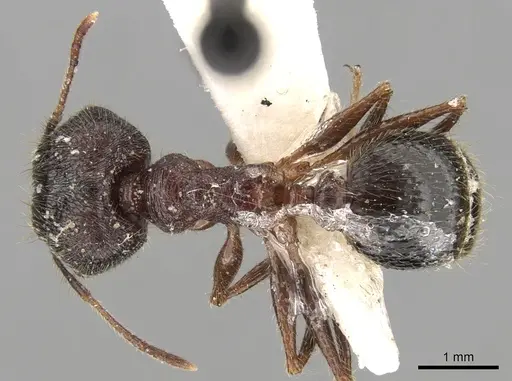
CASENT0281646
View on AntWeb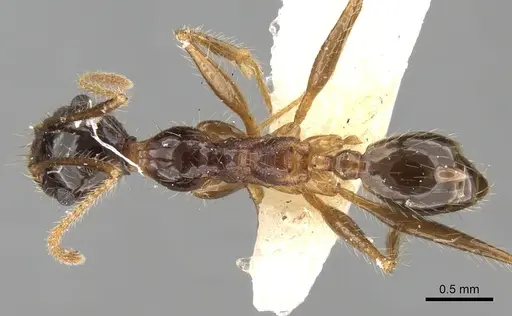
CASENT0907922
View on AntWeb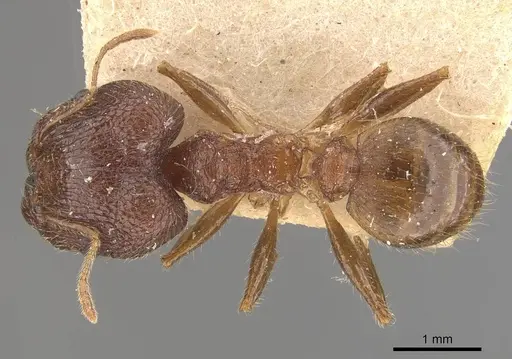
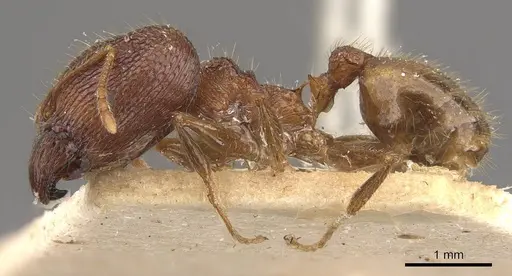
CASENT0907923
View on AntWeb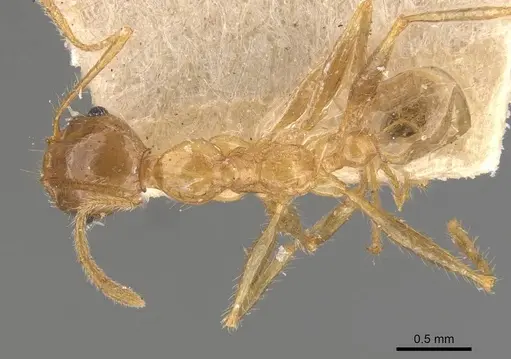
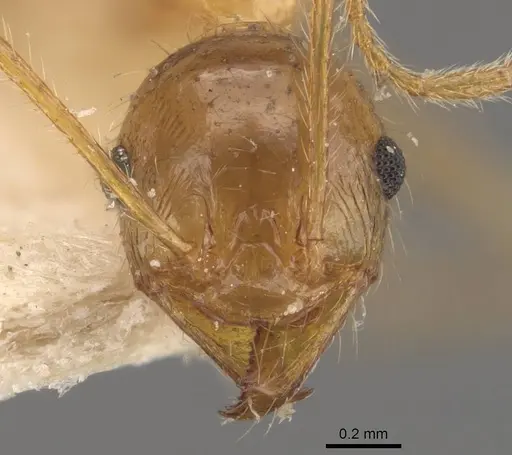
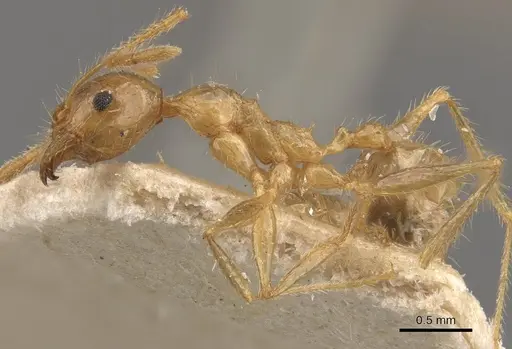
CASENT0907924
View on AntWeb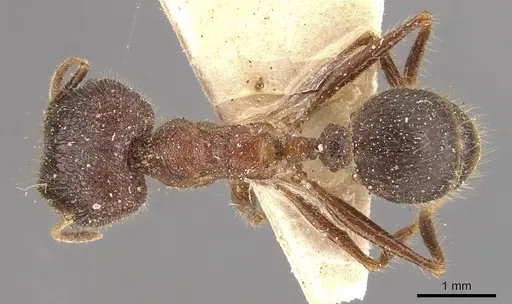
CASENT0907925
View on AntWeb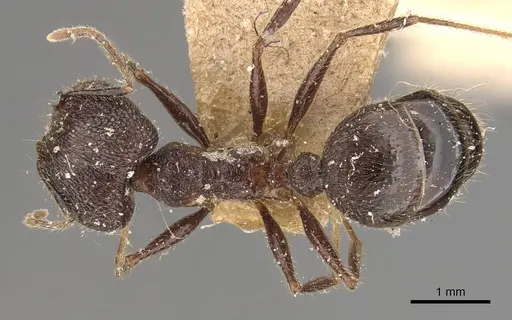
CASENT0907926
View on AntWeb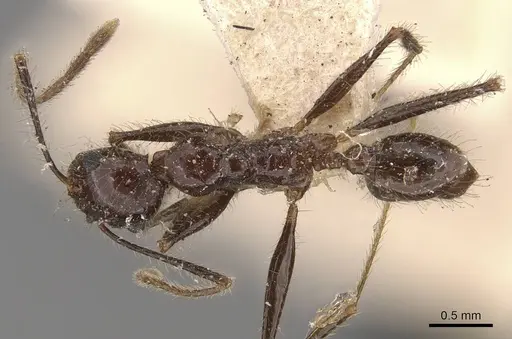
CASENT0917774
View on AntWeb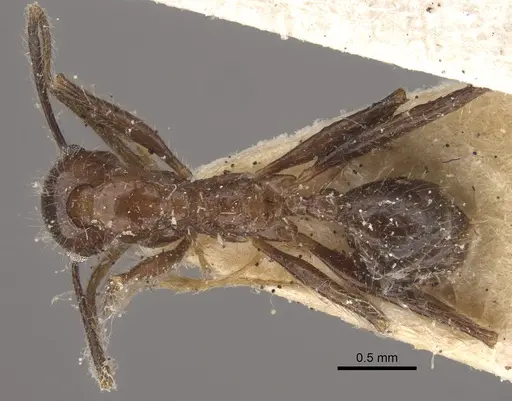
Literature
Loading...Loading products...