

Pheidole laticrista
- Scientific Name
- Pheidole laticrista
- Tribe
- Attini
- Subfamily
- Myrmicinae
- Author
- Santschi, 1916
- Distribution
- Found in 1 countries
Pheidole laticrista Overview
Pheidole laticrista is an ant species of the genus Pheidole. It is primarily documented in 1 countries , including Argentina. Detailed taxonomic data and occurrence records can be further explored via authoritative databases such as AntWeb or the Global Biodiversity Information Facility (GBIF).
Pheidole laticrista
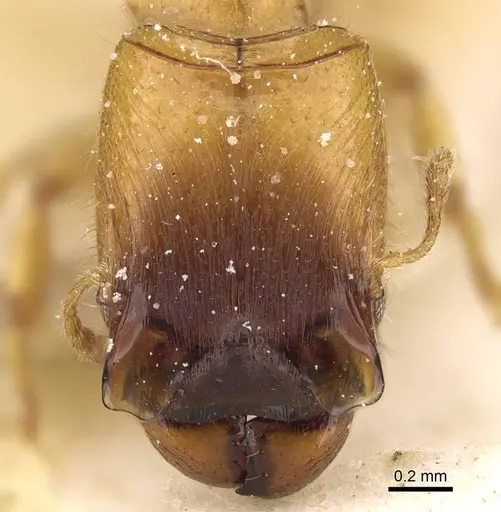
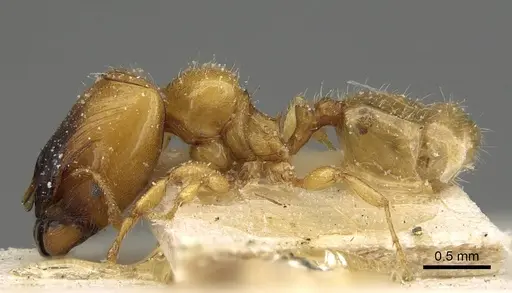
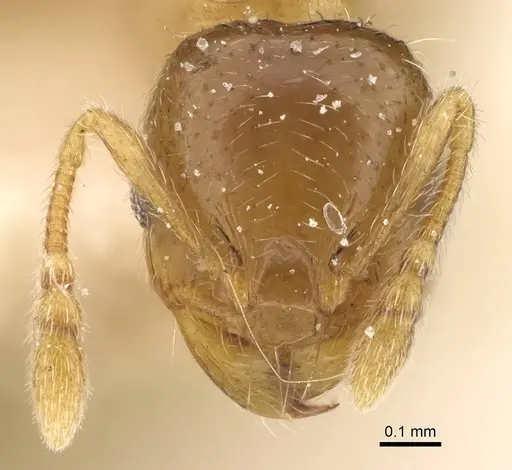
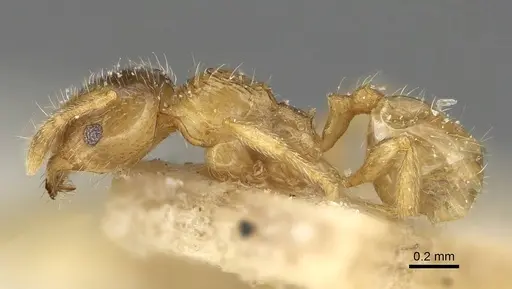
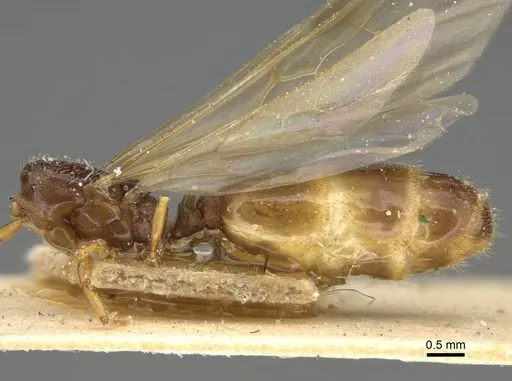
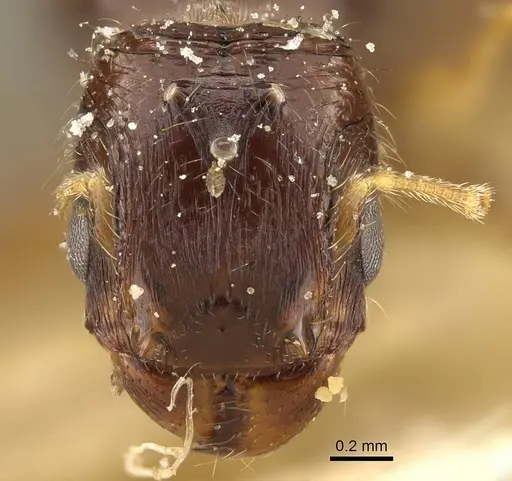
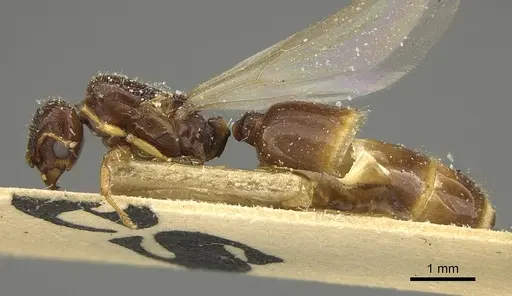
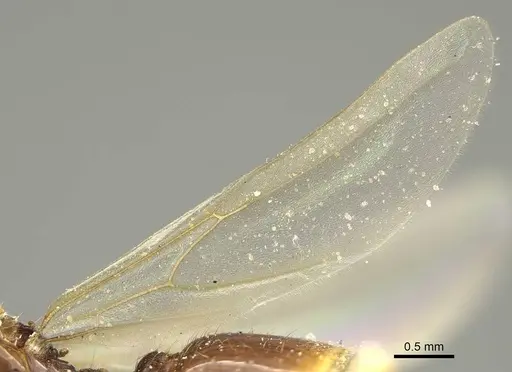
Pheidole laticrista is a small ant species native to Argentina, specifically known from the Entre Ríos province. The major workers have a distinctive appearance with greatly expanded frontal lobes that project beyond the head margins like small horns, and a notably enlarged pronotum. Majors are medium yellow with a brown patch on the front of the head, while minors are uniformly yellow. Major workers measure around 0.94mm head width, making this a relatively small Pheidole species. This ant belongs to the Generalized Myrmicinae functional group and is part of the Attini tribe, which includes many seed-harvesting species. Unfortunately, almost nothing is known about this species' biology in the wild or in captivity, it has only been collected as type specimens, leaving significant gaps in our understanding of its colony structure, founding behavior, and specific care requirements.
Quick Summary
- Difficulty: Unknown, insufficient captive data
- Origin & Habitat: Argentina (Entre Ríos province). The region features subtropical humid climate with mixed grasslands and forests. Specific microhabitat preferences are unrecorded.
- Colony Type: Unconfirmed. Based on genus patterns, likely single-queen colonies (monogyne) like most Pheidole species, but this has not been documented for this specific species.
- Size & Growth:
- Queen: Undescribed in available literature, estimated 6-8mm based on genus patterns
- Worker: Minor: 0.50mm HW [1], Major: 0.94mm HW [1]
- Colony: Unknown for this species. Based on typical Pheidole, likely reaches several hundred workers.
- Growth: Unknown, no captive observations available
- Development: Unconfirmed. Based on related subtropical Pheidole species, estimate 6-10 weeks at optimal temperature. (No direct development data exists for this species. Timing is inferred from genus patterns.)
- Antkeeping:
- Temperature: Based on Argentine distribution (Entre Ríos, temperate-subtropical), aim for roughly 20-26°C with a gentle gradient. Start in the mid-20s and observe colony activity.
- Humidity: Based on the humid subtropical climate of Entre Ríos, provide moderate to high humidity. Keep nest substrate consistently moist but not waterlogged.
- Diapause: Likely required. Most Argentine Pheidole species enter winter dormancy. Provide a cool period around 10-15°C for 2-3 months during Southern Hemisphere winter (roughly June-August in captivity).
- Nesting: No specific data. Based on genus preferences, they likely nest in soil or under stones in captivity. A test tube setup works for founding, transitioning to a naturalistic or Y-tong nest as the colony grows.
- Behavior: Behavior is unstudied in captivity. Based on genus patterns, expect typical Pheidole behavior: major workers (soldiers) will defend the nest and process larger food items, while minor workers handle most foraging. They will likely show moderate aggression when disturbed. Escape prevention should be moderate, these are small ants but not among the tiniest, so standard barriers should suffice.
- Common Issues: no captive husbandry data exists, all advice is genus-level inference, specific temperature and humidity requirements are unconfirmed, growth rate and development timeline are estimates only, winter dormancy requirements are inferred, not documented, nothing known about their exact diet preferences, start with standard ant foods
What We Know (And Don't Know)
Pheidole laticrista presents a unique challenge for antkeepers: this species has only ever been collected as type specimens from a single location in Argentina. The original description was published in 1916,and subsequent researchers have not documented its biology in any detail. We know what the ants look like, the major workers have distinctive horn-like frontal lobes and an enlarged pronotum, but we have no observations of their behavior, colony size, diet, or captive care requirements. This means every recommendation in this caresheet is based on inference from related Pheidole species, not direct experience with P. laticrista itself. You'll be essentially pioneering the captive husbandry of this species if you obtain a colony. [1]
Housing and Setup
For founding colonies, a standard test tube setup works well, queens will typically seal themselves into a chamber and raise their first brood alone. Once the colony reaches 20-30 workers, you can consider transitioning to a more elaborate setup. A Y-tong (acrylic) nest or naturalistic setup with soil substrate would suit this species. Since we don't know their exact preferences, observe your colony's behavior: if workers cluster in humid areas, increase moisture, if they avoid certain sections, adjust accordingly. Provide a water source and ensure the outworld has appropriate humidity. For escape prevention, use standard barriers, these ants are small but not extremely so, and typical barrier methods should suffice.
Feeding
No specific feeding observations exist for this species. Based on genus patterns and its placement in the Attini tribe, it likely accepts a standard Pheidole diet: protein sources (small insects like fruit flies, mealworms, crickets), seeds, and sugar sources (honey water, sugar water). Start with protein offerings 2-3 times per week and keep a constant sugar water supply. Remove uneaten food after 24-48 hours to prevent mold. If your colony accepts seeds, this can reduce feeding frequency. The presence of major workers means they can process larger food items than species without soldiers.
Temperature and Seasonal Care
Entre Ríos province in Argentina features a temperate to subtropical climate with distinct seasons. Based on this, aim for temperatures in the low-to-mid 20s Celsius (around 20-26°C) during the active season. During the Southern Hemisphere winter (roughly June-August in captivity timing), provide a cool period around 10-15°C for 2-3 months, this simulates the winter dormancy their wild colonies would experience. This cool period may slow or pause colony growth, which is normal. Resume normal temperatures gradually in spring. If your colony remains active through winter, they may not need full diapause, but a cool period is recommended based on the species' geographic origin.
Colony Development
Nothing is known about the development timeline of this species. The queen size is not described in available literature, so we cannot estimate her egg-laying rate. Based on typical Pheidole development at optimal temperatures, expect first workers (nanitics) roughly 6-10 weeks after founding, but this is a rough estimate. The colony will grow slowly at first as the queen raises her initial brood alone. Once workers emerge, growth typically accelerates as they take over brood care and foraging. Major workers (soldiers) usually appear once the colony reaches a certain size threshold, in many Pheidole species, this happens around 50-100 workers. Be patient with this species, as slow growth is normal for Pheidole founding colonies.
Frequently Asked Questions
How difficult is Pheidole laticrista to keep?
We don't know, this species has never been kept in captivity. All care recommendations are based on genus-level inference. Expect a learning curve as you discover what works for this species.
What do Pheidole laticrista eat?
Their exact diet is unknown. Based on related species and their placement in the Attini tribe, they likely eat small insects, seeds, and sugar sources. Offer protein (insects) 2-3 times weekly and keep sugar water available constantly.
How long until first workers?
Unconfirmed. Based on typical subtropical Pheidole development, estimate 6-10 weeks from egg to worker at optimal temperature (around 24-26°C).
Do Pheidole laticrista need hibernation?
Likely yes, based on their Argentine origin. Provide a cool period (10-15°C) for 2-3 months during winter. This may correspond to roughly June-August if following Southern Hemisphere seasons.
Can I keep multiple queens together?
Not documented for this species. Most Pheidole are single-queen (monogyne), but some are polygynous. Do not attempt combining unrelated foundresses without research on this specific species.
What size colony does Pheidole laticrista reach?
Unknown for this species. Most Pheidole colonies reach several hundred workers. Expect moderate colony size over time.
What temperature should I keep them at?
Based on their Argentine origin, aim for roughly 20-26°C. Start around 24°C and adjust based on colony activity. Provide a temperature gradient if possible.
When should I move them to a formicarium?
Keep them in a test tube setup through the founding stage. Once the colony reaches 20-30 workers and you see significant brood development, you can offer a transition to a larger nest.
Are Pheidole laticrista good for beginners?
Not recommended for beginners due to the complete lack of captive husbandry data. This species is essentially untested in captivity, you'll be learning alongside your colony.
References

This caresheet is licensed under CC BY-SA 4.0 .
CASENT0922375
View on AntWeb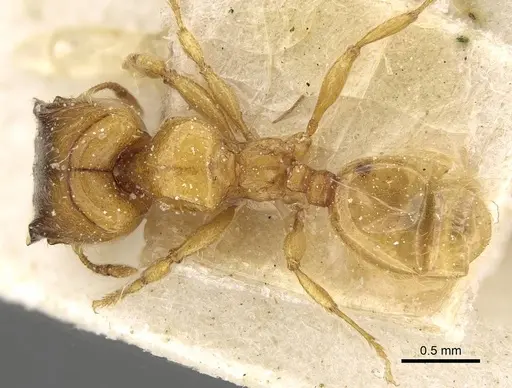
CASENT0922379
View on AntWeb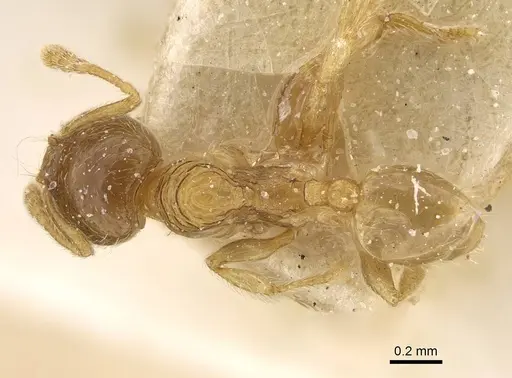
CASENT0922383
View on AntWeb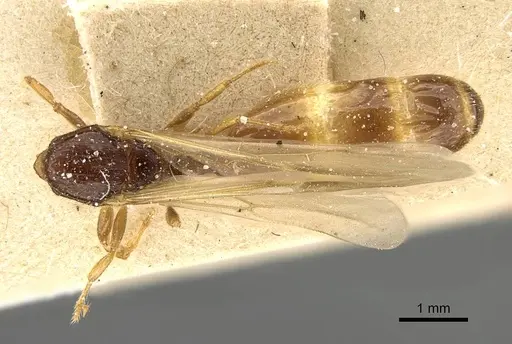
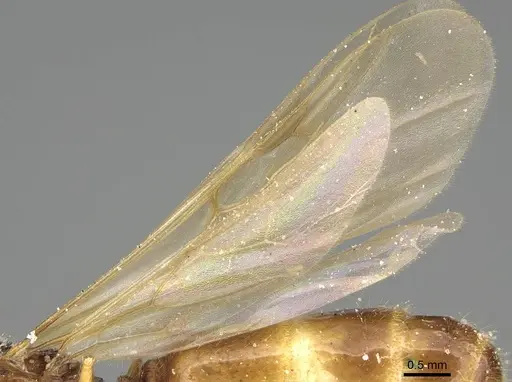
CASENT0922384
View on AntWeb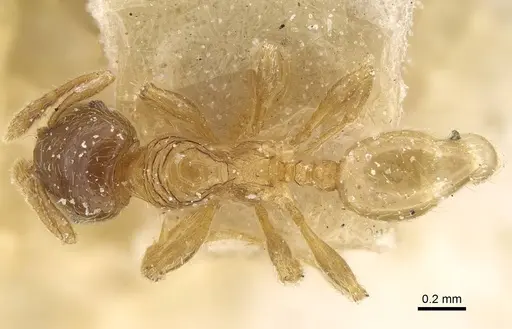
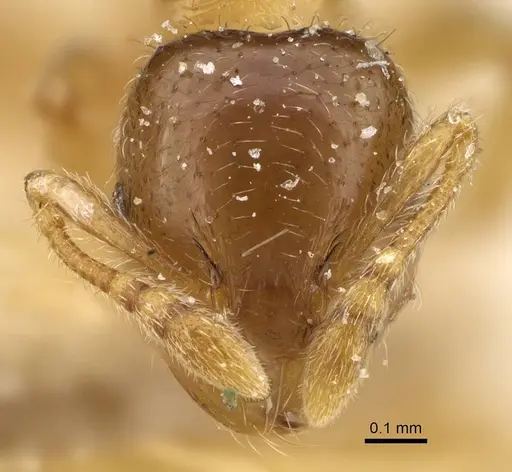
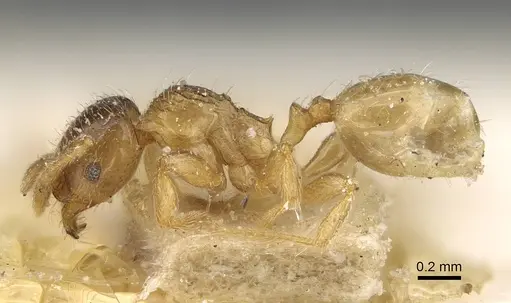
CASENT0922385
View on AntWeb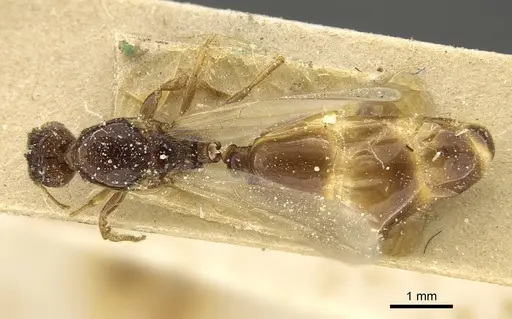
Literature
Loading...Loading products...