

Pheidole laminata
- Scientific Name
- Pheidole laminata
- Tribe
- Attini
- Subfamily
- Myrmicinae
- Author
- Emery, 1900
- Distribution
- Found in 1 countries
Pheidole laminata Overview
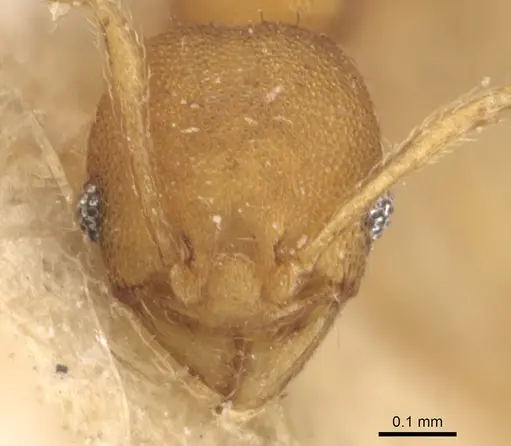
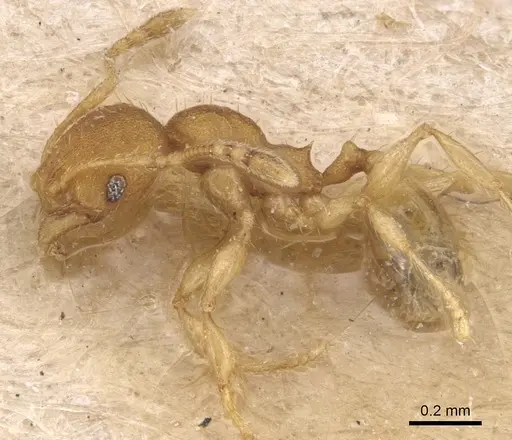
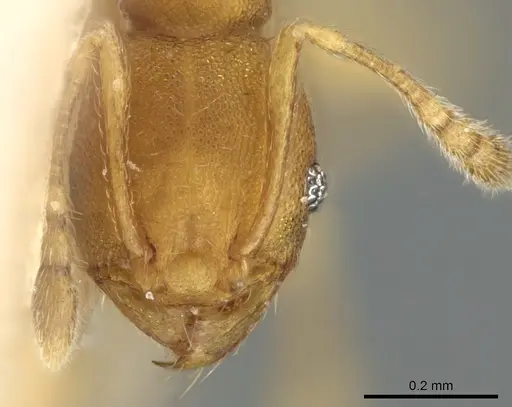
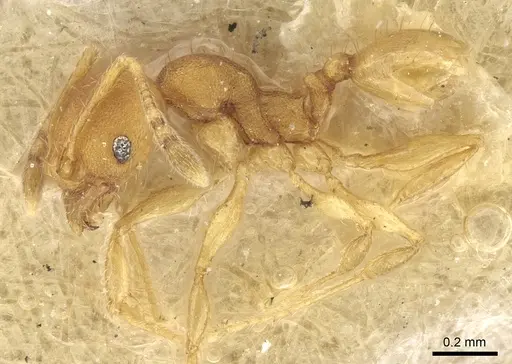
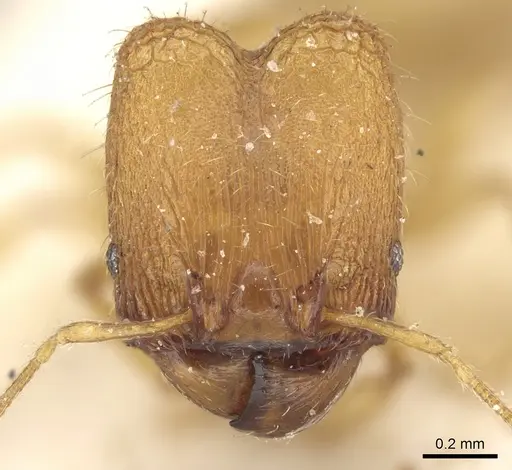
Pheidole laminata is an ant species of the genus Pheidole. It is primarily documented in 1 countries , including Papua New Guinea. Detailed taxonomic data and occurrence records can be further explored via authoritative databases such as AntWeb or the Global Biodiversity Information Facility (GBIF).
Pheidole laminata
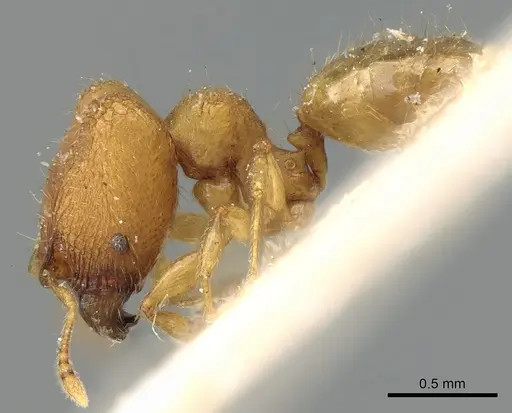
Pheidole laminata is a small to medium-sized ant belonging to the genus Pheidole, known for their distinctive two-worker caste system. Minor workers are slender at 2-3mm, while major workers develop large, rectangular heads used for seed-crushing and colony defense. The species name 'laminata' refers to their layered or plate-like morphological features. These ants are primarily granivorous, collecting seeds as their main food source, but they also scavenge on insects and other protein sources. In the wild, colonies nest in soil, often under stones or in disturbed areas, and are found across tropical and subtropical regions of Central and South America.
Quick Summary
- Difficulty: Easy
- Origin & Habitat: Central and South America, tropical and subtropical regions, typically nesting in soil under stones or in disturbed areas
- Colony Type: Monogyne (single queen colonies), this is typical for most Pheidole species
- Colony: Monogyne
- Founding: Claustral
- Size & Growth:
- Queen: 5-7mm (estimated based on genus)
- Worker: Minor workers: 2-3mm, Major workers: 3-5mm [1]
- Colony: Up to several thousand workers (typical for Pheidole)
- Growth: Moderate
- Development: 6-10 weeks at optimal temperature (inferred from genus-level Pheidole data) (Development time varies with temperature, warmer conditions accelerate development)
- Antkeeping:
- Temperature: Keep at 22-26°C. A gentle heat gradient allows ants to regulate their temperature.
- Humidity: Moderate humidity around 50-60%. They prefer drier nest conditions compared to many tropical ants.
- Diapause: No, being tropical, they do not require hibernation. Keep at stable temperatures year-round.
- Nesting: Test tubes work well for founding colonies. Established colonies do well in Y-tong nests, plaster nests, or naturalistic setups with dry to moderately moist substrate.
- Behavior: Pheidole laminata is generally peaceful and not aggressive toward keepers. Major workers use their large heads for defense but rarely attack humans. They are active foragers, primarily collecting seeds and small insects. They are not known to be escape artists, but minor workers can squeeze through small gaps, use standard barrier methods. They store food in their thoracic crop, allowing them to share nutrients within the colony [1].
- Common Issues: colonies can stall if temperatures drop below 20°C for extended periods, major workers may not develop until the colony reaches several hundred workers, this is normal, overfeeding can lead to mold in the nest, remove uneaten food promptly, test tube flooding can drown founding queens, use appropriate water reservoir size, wild-caught colonies may have parasites that cause colony decline
Housing and Nest Setup
For founding colonies, a simple test tube setup works perfectly. Fill a test tube one-third with water, plug the end with a cotton ball, and place the queen in the tube. She will seal herself in and begin laying eggs. Once the first workers (nanitics) emerge, you can continue keeping them in the test tube for several months. For established colonies with 200+ workers, transfer to a Y-tong nest, plaster nest, or naturalistic formicarium. These ants prefer drier conditions than many other ant species, avoid overly moist substrates that can cause fungal growth. A small outworld connected to the nest allows for foraging and waste disposal.
Feeding and Diet
Pheidole laminata is primarily granivorous, meaning seeds make up a significant part of their diet. Offer grass seeds, millet, cracked sunflower seeds, or commercial ant seed mixes. They also readily accept protein sources like small insects (fruit flies, pinhead crickets, mealworms). Sugar water or honey can be offered occasionally, though they prefer seeds. Feed seeds constantly and protein 2-3 times per week. Remove uneaten seeds and insects within 24 hours to prevent mold. The workers have a thoracic crop that allows them to store and share liquid food with nestmates [1].
Temperature and Seasonal Care
Keep your colony at 22-26°C for optimal development and activity. A temperature gradient allows the ants to self-regulate, place a heating cable on one side of the nest set to around 28°C while leaving the other side at room temperature. As tropical ants, they do not require hibernation or diapause. Maintain stable temperatures year-round, avoid drafts and sudden temperature swings. Cold temperatures below 20°C can cause colony stagnation and brood development to slow or stop entirely.
Colony Development and Growth
Pheidole colonies grow through the development of two worker castes: minor workers and major workers. The queen lays eggs which hatch into larvae, pupate, and emerge as workers. The first workers (nanitics) are always minor workers and are smaller than normal minors. Major workers typically begin appearing once the colony reaches several hundred workers, this is normal and indicates a healthy, growing colony. Major workers develop from larvae that receive more food during their development. A mature colony can contain several thousand workers across both castes.
Behavior and Observation
These ants are fascinating to watch due to their division of labor. Minor workers handle most tasks: foraging, nursing brood, and nest maintenance. Major workers specialize in seed-crushing (using their large heads as tools), colony defense, and food storage. They are diurnal, with most activity during daylight hours. While major workers look intimidating, they rarely bite and are not dangerous to humans. They communicate through chemical signals and will recruit nestmates to food sources through simple attraction rather than complex tandem running.
Frequently Asked Questions
How long does it take for Pheidole laminata to produce first workers?
First workers typically emerge 6-10 weeks after the queen lays eggs, depending on temperature. Warmer conditions (24-26°C) speed development, while cooler temperatures can extend this to 12+ weeks.
When should I move my Pheidole laminata colony to a formicarium?
Move them once the colony reaches 200-300 workers or when the test tube becomes crowded. This is usually 6-12 months after founding. Moving too early can stress the colony.
What do I feed Pheidole laminata?
Seeds should make up the majority of their diet, grass seeds, millet, cracked sunflower seeds, or commercial ant seed mixes. Offer protein (small insects) 2-3 times per week. Sugar water or honey can be offered occasionally.
Are Pheidole laminata good for beginners?
Yes, they are considered easy to keep. They are forgiving of minor care mistakes, don't require hibernation, and are not aggressive. Their interesting two-caste system makes them engaging to watch.
Why aren't my major workers developing?
This is normal! Major workers typically don't appear until the colony reaches several hundred workers. The colony prioritizes producing minor workers for foraging and nursing before investing in the energetically expensive major caste.
Do Pheidole laminata need hibernation?
No, as tropical ants they do not require hibernation. Keep them at stable temperatures year-round (22-26°C). Cold exposure can harm the colony.
How big do Pheidole laminata colonies get?
Mature colonies can reach several thousand workers, including both minor and major castes. The largest colonies may have 2000-3000+ workers.
Can I keep multiple Pheidole laminata queens together?
No, this species is monogyne (single queen). Unlike some Pheidole species, multiple queens will fight. Only keep one queen per colony.
Why is my colony declining despite good care?
Wild-caught colonies often carry parasites (mites, nematodes) that can cause decline. Also check for: temperatures below 20°C, excessive moisture causing mold, or poor nutrition. If decline continues, it may be an wild-caught health issue.
References

This caresheet is licensed under CC BY-SA 4.0 .
CASENT0219513
View on AntWeb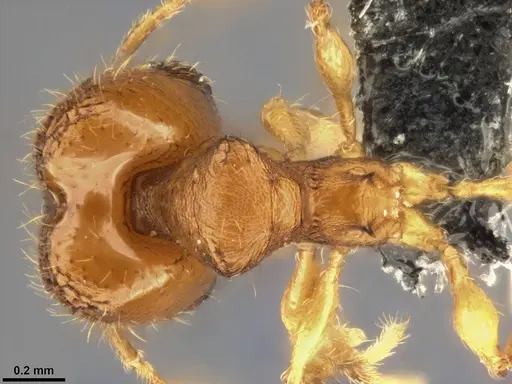
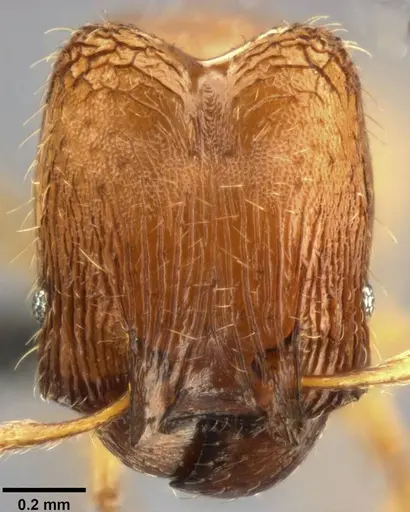
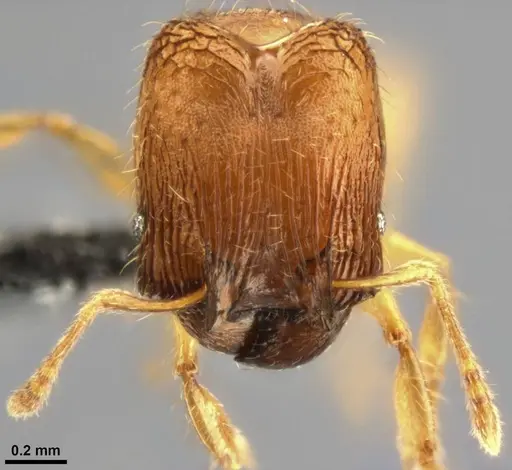
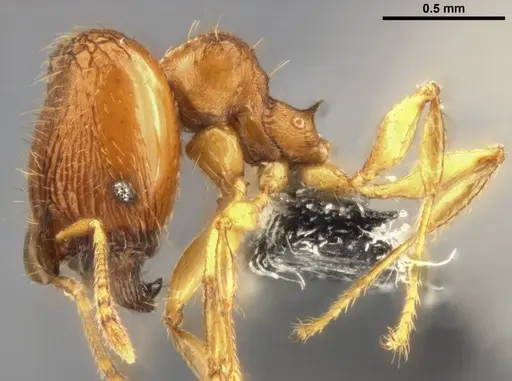
CASENT0282925
View on AntWeb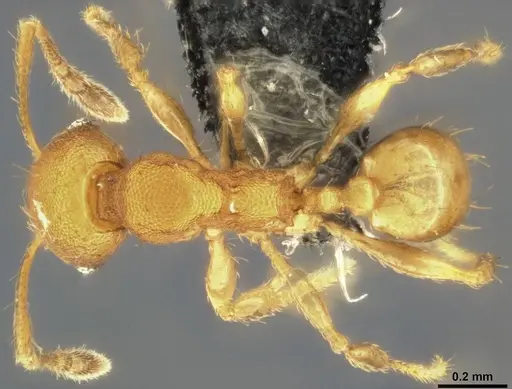
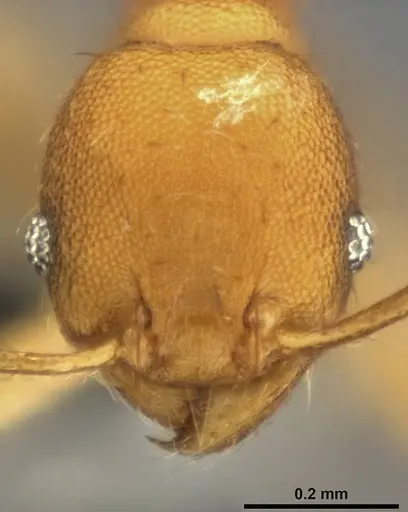
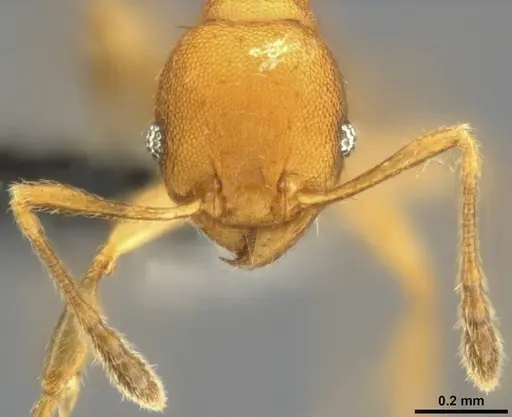
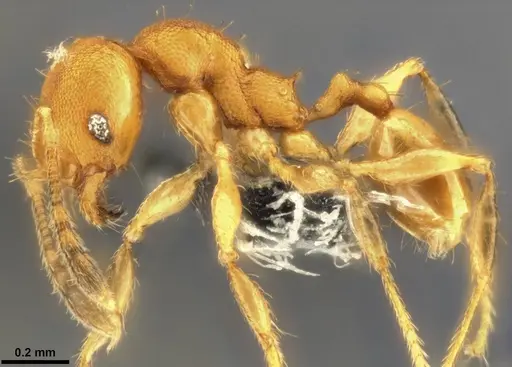
CASENT0904294
View on AntWeb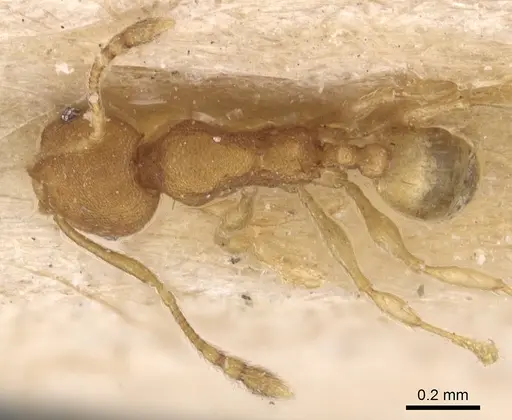
CASENT0906639
View on AntWeb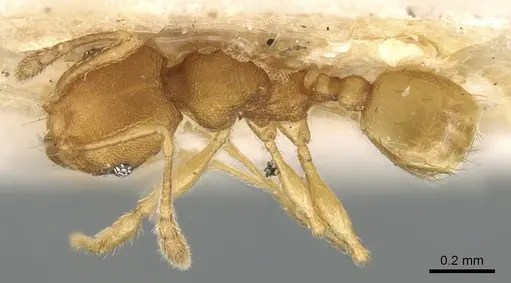
CASENT0906640
View on AntWeb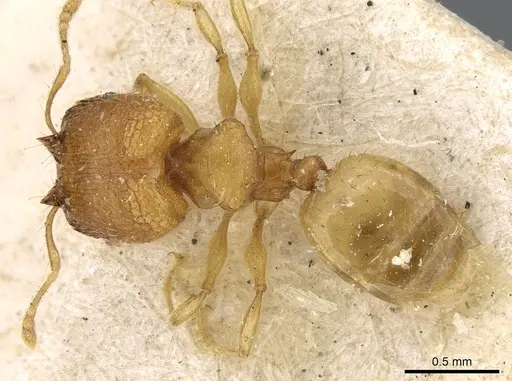
Literature
Loading...Loading products...