

Pheidole lamia
- Scientific Name
- Pheidole lamia
- Tribe
- Attini
- Subfamily
- Myrmicinae
- Author
- Wheeler, 1901
- Distribution
- Found in 2 countries
Pheidole lamia Overview
Pheidole lamia is an ant species of the genus Pheidole. It is primarily documented in 2 countries , including Mexico, United States of America. Detailed taxonomic data and occurrence records can be further explored via authoritative databases such as AntWeb or the Global Biodiversity Information Facility (GBIF).
Pheidole lamia
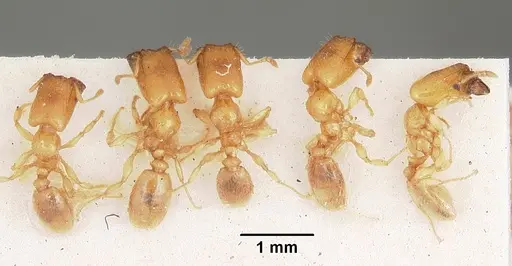
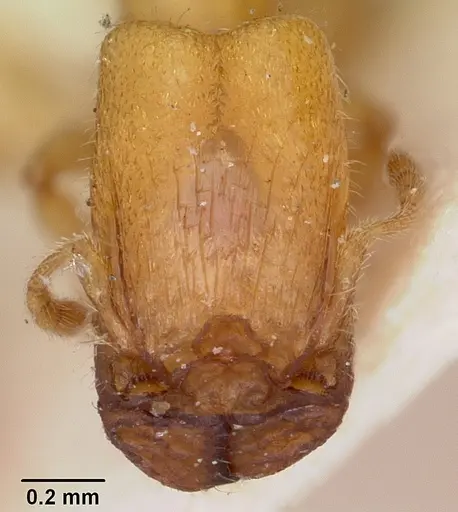
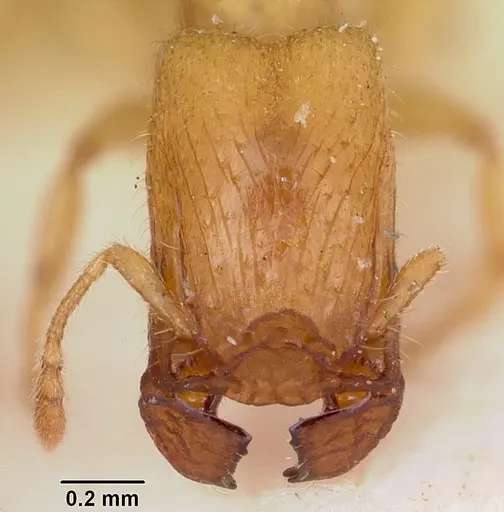
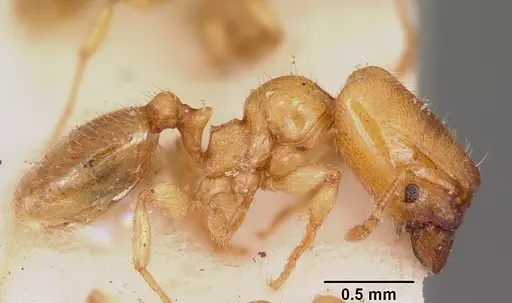
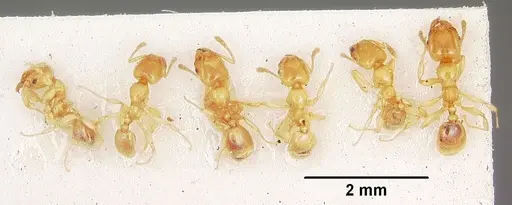
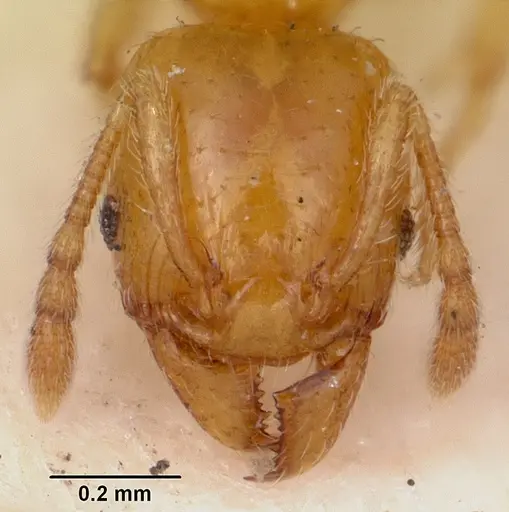
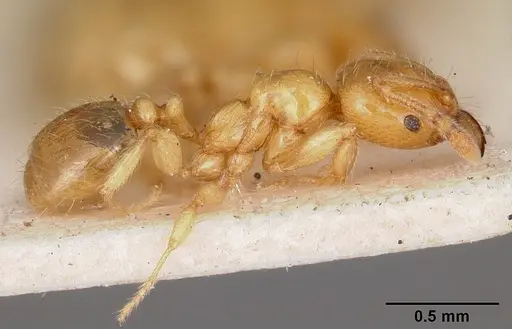
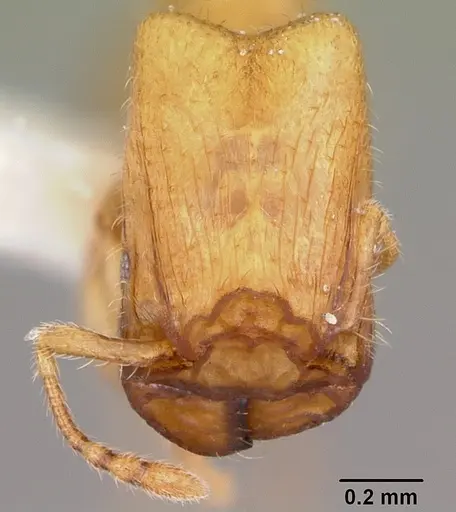
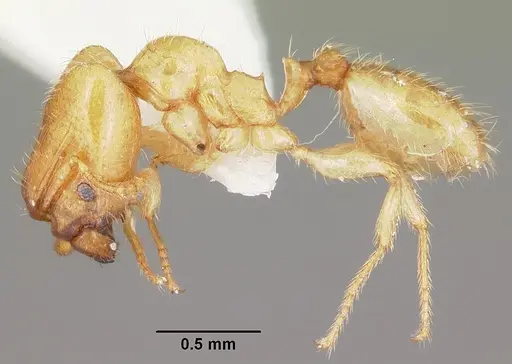
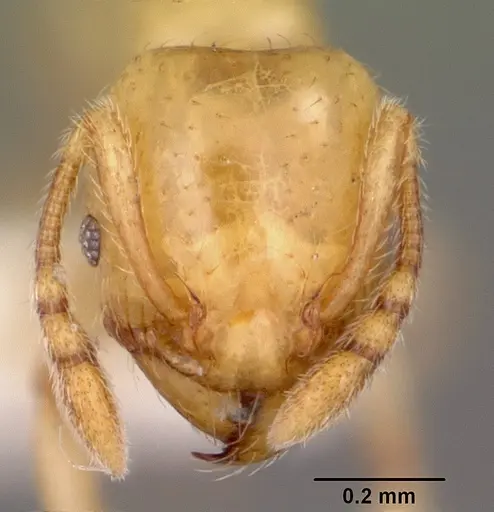
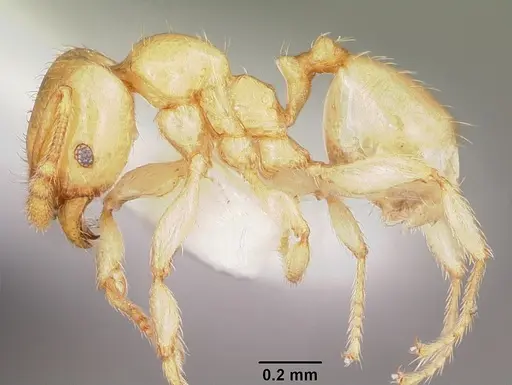
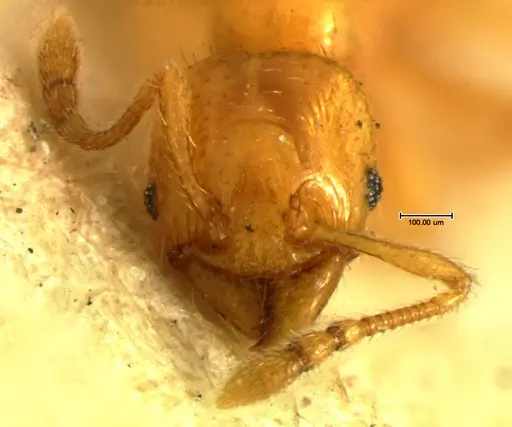
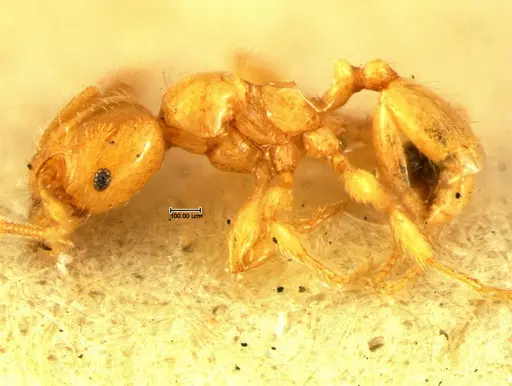
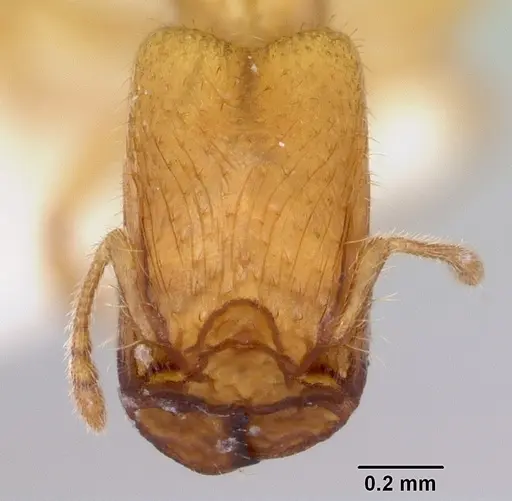
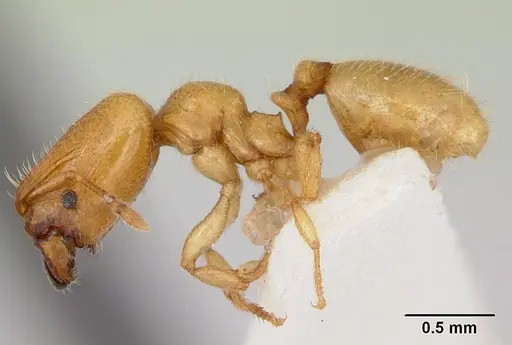
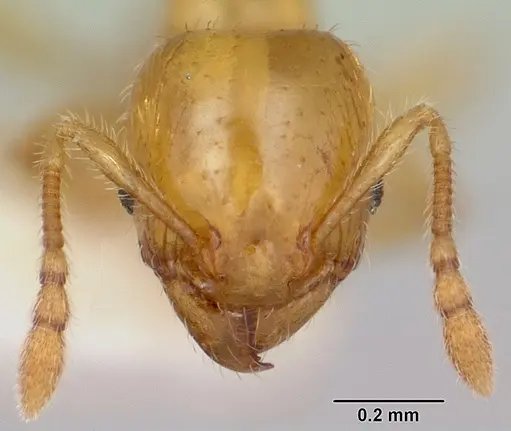
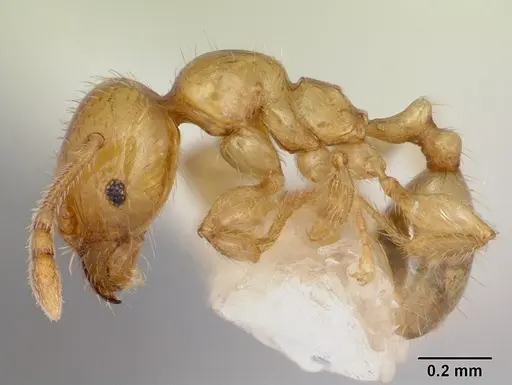
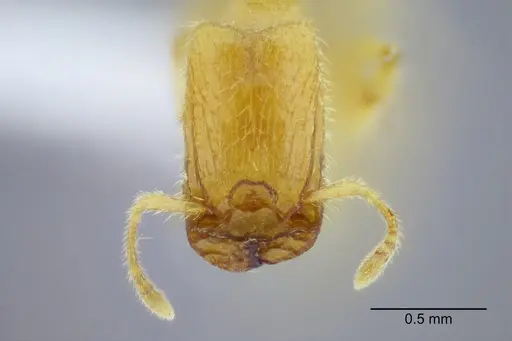
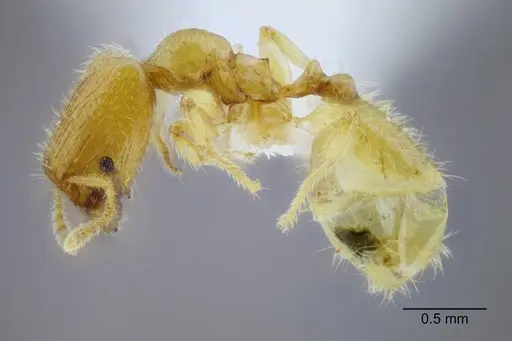
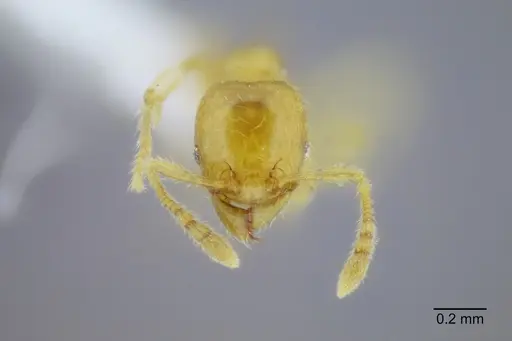
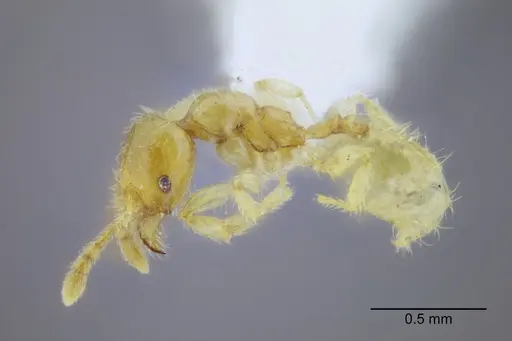
Pheidole lamia is a small, reclusive ant native to the southeastern United States. Majors have a distinctive phragmotic head, flattened and truncated at the front, used like a living plug to block nest entrances against intruders. Workers are uniformly yellow with a faint reddish tinge. This species nests directly in soil beneath leaf litter, making it unusually difficult to find in the wild. Despite appearing rare to entomologists, studies show colonies can be quite abundant in suitable habitat. The species gets its name from the Greek word for witch or monster, referring to the bizarre head shape of the major workers.
Quick Summary
- Difficulty: Medium
- Origin & Habitat: Native to the southeastern United States, ranging from northern Florida west to Austin, Texas, with populations in Alabama, Mississippi, and Georgia. Inhabits moist deciduous forest or deciduous-coniferous woodland, typically nesting under stones or directly in soil beneath leaf litter in oak-hickory groves [1][2].
- Colony Type: Single-queen colonies (likely monogyne) with 500-1500 minor workers and a much smaller number of major workers. Colonies typically contain 1-4 majors [1][2].
- Colony: Monogyne
- Size & Growth:
- Queen: Not directly measured in available literature, estimated based on genus Pheidole patterns at 6-8mm
- Worker: Minor workers: 0.44mm HW,0.52mm HL. Major workers: 0.62mm HW,0.92mm HL
- Colony: Mature colonies reach 500-1500 minor workers with few majors [2]
- Growth: Moderate, inferred from typical Pheidole development patterns
- Development: Estimated 6-8 weeks at optimal temperature based on typical Pheidole genus development (Development time inferred from related Pheidole species, actual timing unconfirmed for this species)
- Antkeeping:
- Temperature: Keep around 22-26°C. Based on native range in Texas and Florida, they prefer warm conditions
- Humidity: Requires moderate to high humidity. Native habitat is moist deciduous forest with soil beneath leaf litter, keep substrate consistently damp but not waterlogged [1][2]
- Diapause: Likely not required, native range includes Florida and southern Texas with mild winters. May reduce activity in cooler months but probably no true hibernation
- Nesting: Soil-nesting species. A naturalistic setup with moist soil substrate and leaf litter works well. Can also be kept in Y-tong or plaster nests with damp substrate. Provide a shallow water reservoir and avoid overly compact soil that could impede their burrowing [1][2]
- Behavior: Generally peaceful and non-aggressive. Major workers have phragmotic heads used for blocking nest entrances rather than active defense, they serve as living plugs against intruders like fire ants. Foragers are active around the clock in warm weather. Minor workers emerge to forage while majors remain at the nest entrance as sentinels. Escape risk is moderate, use standard barrier methods but they're not particularly strong climbers [1][2].
- Common Issues: colonies are slow to establish, their reclusive nature means founding colonies may take longer than more visible species, soil-nesting requires careful humidity management, too wet causes fungal issues, too dry stresses the colony, majors serve as living door guards, disturbing the nest entrance can damage or kill majors, wild-caught colonies may be difficult to find and collect due to their cryptic nesting habits, invasive fire ants (Solenopsis) are major predators, keep well away from any potential fire ant exposure
Nest Preferences and Housing
Pheidole lamia is a hypogaeic (subterranean) species that nests directly in soil beneath leaf litter. In captivity, a naturalistic setup with moist soil substrate works best, use a mix of soil and sand that holds moisture well but doesn't become waterlogged. Provide a layer of leaf litter or debris on the surface to simulate their natural environment. Alternatively, Y-tong nests or plaster nests with damp substrate can work, but ensure the chambers aren't too large for their small colony size. They prefer tight, confined spaces rather than open areas. A shallow water reservoir connected to the nesting area helps maintain humidity without flooding. [1][2]
Feeding and Diet
Like other Pheidole species, these ants are omnivorous. They likely collect honeydew from aphids and tend small insects in addition to hunting small prey. In captivity, offer protein sources like small crickets, fruit flies, or mealworm pieces twice weekly. Sugar water, honey, or diluted syrup is accepted for energy. Minor workers do the foraging while majors remain at the nest as defenders. Remove uneaten prey after 24-48 hours to prevent mold. Given their small size, food items should be appropriately sized, avoid large prey that would be difficult for minor workers to handle. [1]
Temperature and Seasonal Care
Based on their native range in Florida, Texas, and the Gulf Coast, Pheidole lamia prefers warm conditions. Keep the nest area at 22-26°C for optimal activity and brood development. A heating cable on one side of the nest can create a temperature gradient, allowing the colony to self-regulate. They foraged around the clock in warm weather at their Austin, Texas field site, showing they're quite active when temperatures are favorable. A diapause is likely not required given their southern distribution, though activity may slow during cooler winter months. Room temperature in most homes should be suitable. [1][2]
Defense and Colony Structure
The most distinctive feature of Pheidole lamia is the phragmotic major workers, their heads are flattened and truncated at the front, functioning as living plugs for nest entrances. When threatened, majors position themselves at gallery entrances and use their bulldozer-like heads to block access, similar to how some beetle species defend their burrows. Studies show they're effective against marauding fire ants (Solenopsis), which are major predators in their range. Each colony typically has only 1-4 major workers, with the majority being minor workers. This makes them relatively peaceful toward keepers, they won't aggressively swarm like some ants. [1]
Frequently Asked Questions
How long does it take for Pheidole lamia to produce first workers?
The exact timeline is unconfirmed, but based on typical Pheidole development, expect 6-8 weeks from egg to first worker at optimal temperature (22-26°C). Founding colonies may take longer to establish as the queen raises her first brood alone.
Can I keep multiple Pheidole lamia queens together?
This species is likely monogyne (single queen) based on typical Pheidole colony structure. Combining unrelated queens has not been documented and is not recommended, stick to one queen per setup.
What do I feed Pheidole lamia?
Offer small protein sources like fruit flies, small crickets, or mealworm pieces twice weekly. They also accept sugar water, honey, or diluted syrup. Remove uneaten food after 24-48 hours to prevent mold.
Are Pheidole lamia good for beginners?
They are rated as medium difficulty. They're not the easiest starter species, but their peaceful nature and interesting phragmotic majors make them rewarding for keepers willing to provide proper soil-based housing and humidity management.
How big do Pheidole lamia colonies get?
Mature colonies reach 500-1500 minor workers with only 1-4 major workers. This is moderate size compared to some Pheidole species that can reach thousands.
Do Pheidole lamia need hibernation?
Likely no true hibernation required. Their native range includes Florida and southern Texas with mild winters. They may reduce activity in cooler months but probably don't need a diapause period.
Why are my Pheidole lamia dying?
Common issues include: improper humidity (too wet causes mold, too dry stresses colony), temperature extremes outside their 22-26°C range, disturbance to the nest that damages phragmotic majors, and exposure to fire ants which are major predators. Ensure proper substrate moisture and avoid placing the colony near any potential fire ant sources.
References

This caresheet is licensed under CC BY-SA 4.0 .
CASENT0104664
View on AntWeb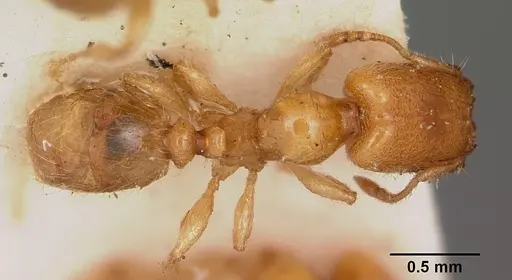
CASENT0104698
View on AntWeb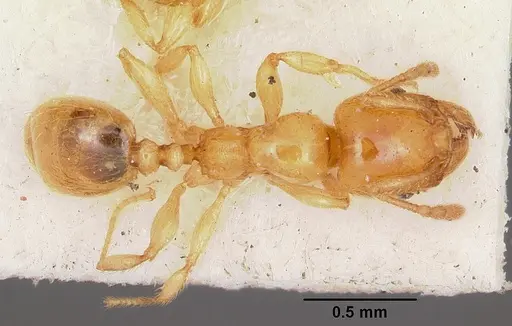
CASENT0104787
View on AntWeb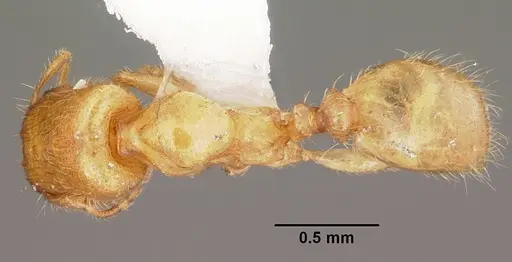
CASENT0104788
View on AntWeb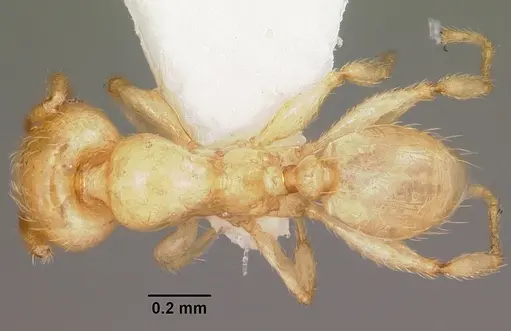
CASENT0105647
View on AntWeb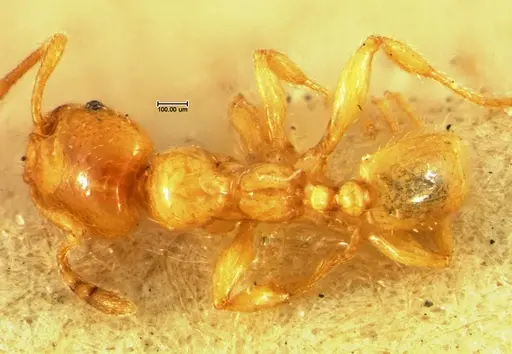
CASENT0172695
View on AntWeb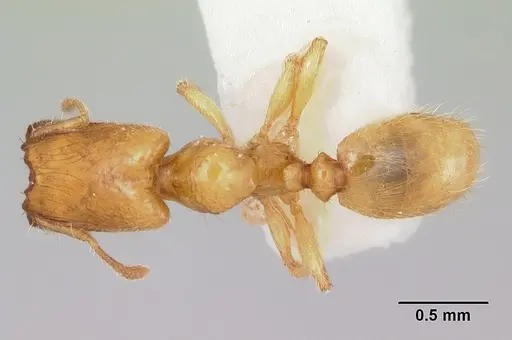
CASENT0172696
View on AntWeb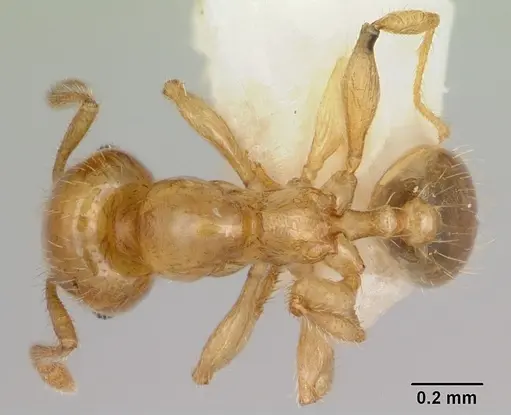
CASENT0653360
View on AntWeb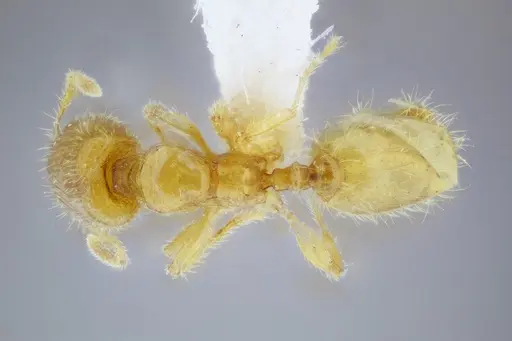
CASENT0653361
View on AntWeb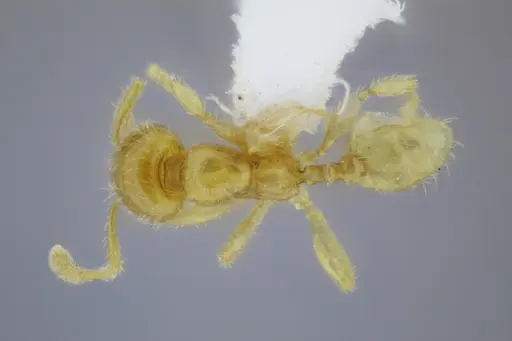
Literature
Loading...Loading products...