

Pheidole laevifrons
- Scientific Name
- Pheidole laevifrons
- Tribe
- Attini
- Subfamily
- Myrmicinae
- Author
- Mayr, 1887
- Distribution
- Found in 1 countries
Pheidole laevifrons Overview
Pheidole laevifrons is an ant species of the genus Pheidole. It is primarily documented in 1 countries , including Brazil. Detailed taxonomic data and occurrence records can be further explored via authoritative databases such as AntWeb or the Global Biodiversity Information Facility (GBIF).
Pheidole laevifrons
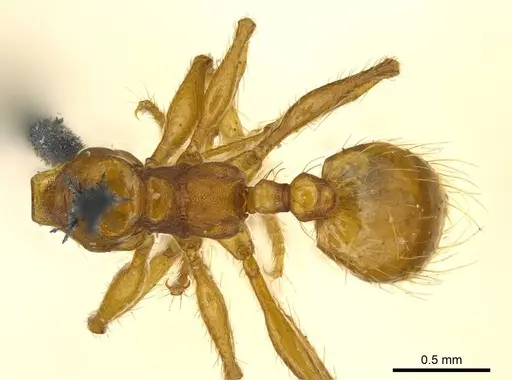
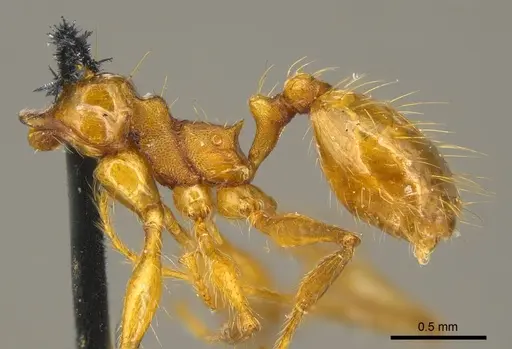
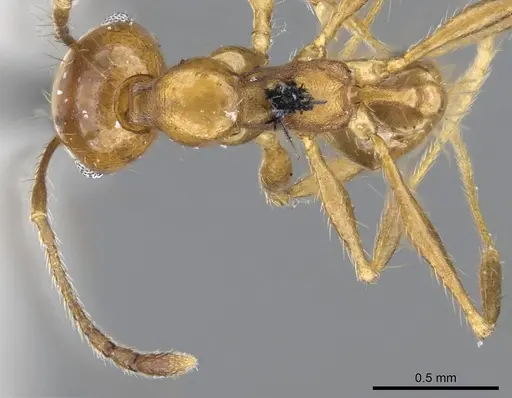
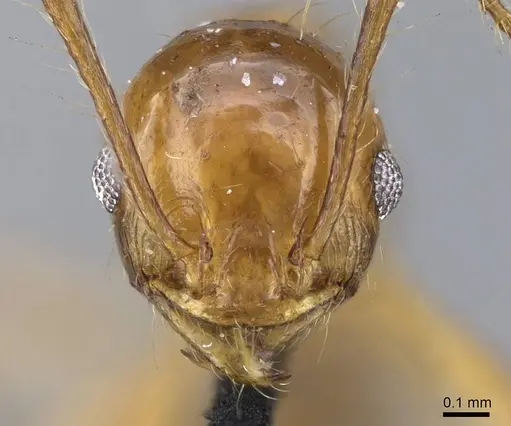
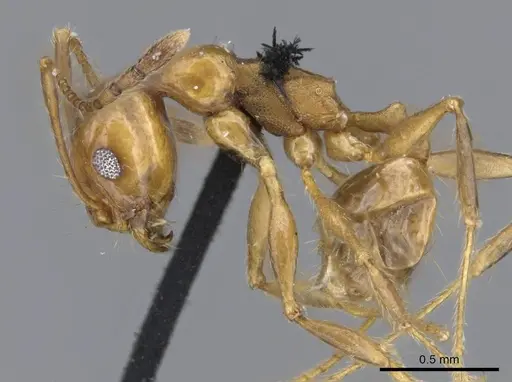
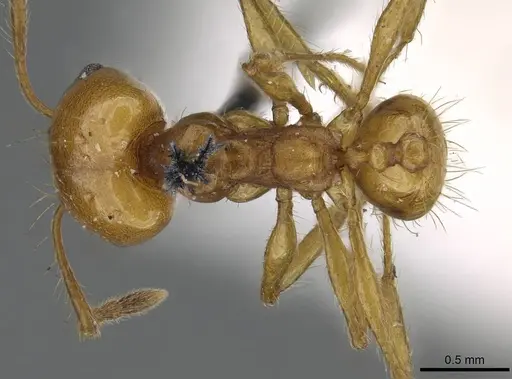
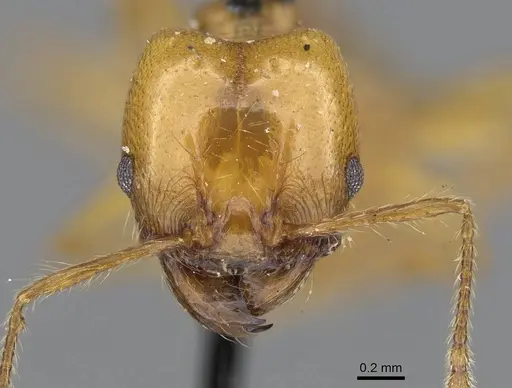
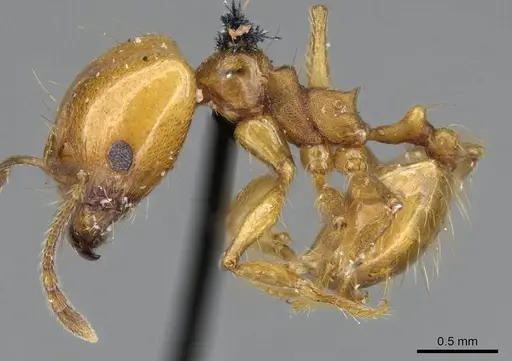
Pheidole laevifrons is a small, yellow ant belonging to the diligens group within the genus Pheidole. Workers come in two sizes: majors (soldiers) measure around 1.08mm in head width, while minors are much smaller at around 0.60mm. Both castes are concolorous yellow, and the species gets its name from the smooth, polished front of the head. This species is known only from Santa Catarina, Brazil, in the Neotropical region [1].
The biology of this species remains completely unstudied, no research exists on its colony structure, founding behavior, diet, or care requirements. What makes this species unusual among antkeepers is how little we know about it despite it being described back in 1887. You'll essentially be pioneering its captive care.
Quick Summary
- Difficulty: Unknown
- Origin & Habitat: Santa Catarina, Brazil (Neotropical region). Found in wind farm areas in Paraná state, Brazil [2]. The natural habitat is unrecorded but likely involves forest or agricultural areas based on regional ant assemblages.
- Colony Type: Unconfirmed, no data exists on colony structure for this species. Most Pheidole species are monogyne (single queen) but polygyne colonies occur in some species.
- Size & Growth:
- Queen: Undescribed, no queen measurements exist in scientific literature
- Worker: Major: HW 1.08mm, HL 1.06mm, Minor: HW 0.60mm, HL 0.70mm [1]
- Colony: Unknown, no colony size data exists
- Growth: Unknown
- Development: Unknown, no development data exists for this species. Based on typical Pheidole patterns, expect 6-10 weeks at optimal temperature. (Estimate based on genus-level patterns, not species-specific data)
- Antkeeping:
- Temperature: Unknown for this species. Based on Brazilian Neotropical origin, aim for roughly 22-28°C with a gradient. Adjust based on colony activity.
- Humidity: Unknown, no specific data. Neotropical species typically prefer moderate to high humidity (60-80%). Provide a moist nest area with some drier areas for choice.
- Diapause: Unknown, no seasonal data exists. Brazilian species from Santa Catarina may experience mild seasonal variation but likely do not require true hibernation.
- Nesting: No natural nesting data exists. Most Pheidole species nest in soil or rotting wood. A Y-tong (AAC) nest or plaster nest with moderate humidity works as a starting point.
- Behavior: No behavioral observations exist in scientific literature. Pheidole majors typically use their larger heads to crack seeds and defend the colony. Minors handle most foraging and brood care. Expect typical Pheidole behavior: active foragers, seed-eating (given genus patterns), and major workers present for defense and food processing. Escape risk is moderate due to small worker size, use standard barriers.
- Common Issues: no biological data exists, you're pioneering captive care for this species, colony may fail without clear reason due to unknown requirements, temperature and humidity needs are unconfirmed, trial and error required, slow growth is likely given limited data on optimal conditions, wild-caught colonies may have parasites or diseases with no known treatment
Why Keep Pheidole laevifrons?
This is a species for advanced antkeepers who enjoy documenting and discovering what a species needs. Since nothing is known about P. laevifrons in captivity, you'll be contributing to our collective knowledge. The yellow coloration and small size make them visually distinctive, and observing a colony with major workers (the larger 'soldier' caste) is always interesting. Pheidole is one of the largest ant genera with over 1000 species worldwide, and many are seed-eaters that use their majors to crack hard seeds. This species represents an opportunity to learn alongside your colony.
Housing and Nest Setup
Since no captive data exists, start with standard Pheidole setups. A Y-tong (AAC) nest or plaster formicarium works well, these provide good humidity control and visibility. The nest area should stay moderately moist. Include a water reservoir or moisture chamber. For the outworld, use a standard escape-proof setup with a barrier like fluon. Given the small minor workers (0.60mm), ensure your barrier is effective, they can squeeze through surprisingly small gaps. A test tube setup works for founding colonies, but you'll need to transition to a proper nest once the colony grows.
Feeding and Diet
No species-specific feeding data exists. Based on typical Pheidole behavior, they likely accept both protein and carbohydrate sources. Offer sugar water or honey as a constant energy source. For protein, start with small insects like fruit flies, mealworm pieces, or other appropriately-sized prey. Pheidole majors often specialize in seed-cracking, so you might experiment with small seeds once the colony is established. Start with standard ant foods and observe what this species prefers. Remove uneaten food after 48 hours to prevent mold.
Temperature and Humidity
No specific requirements are documented for this species. Based on its origin in Santa Catarina, Brazil (a subtropical region), aim for temperatures in the 22-28°C range. A slight gradient allows the colony to choose its preferred zone. For humidity, Neotropical species typically prefer moderate levels, start with around 60-70% in the nest area. Monitor condensation and mold as indicators. If workers cluster near moisture, increase humidity, if they avoid wet areas, reduce it. This species may be more tolerant of variation than we realize, careful observation is key.
Colony Development Expectations
No development timeline data exists for this species. Based on typical Pheidole genus patterns, expect eggs to develop into workers in approximately 6-10 weeks at optimal temperature. The first workers (nanitics) will likely be smaller than normal workers. Pheidole colonies can grow quite large in captivity, some species reach thousands of workers, but we have no data on maximum colony size for P. laevifrons. Start with realistic expectations: slow growth initially, with acceleration once the colony establishes a worker population. Document your observations to help future keepers.
Observing and Handling
Pheidole laevifrons is not dangerous, they lack a potent sting and are too small to penetrate human skin. The majors may bite if provoked, but the bite is negligible. They are active foragers, so you'll see regular activity in the outworld. Major workers will handle seed-cracking and colony defense. When observing, note worker behavior, brood development times, food preferences, and any unusual patterns. Your observations may be the first captive data for this species. Take photos and document your findings to contribute to antkeeping knowledge.
Frequently Asked Questions
How difficult is Pheidole laevifrons to keep?
Difficulty is unknown since this species has never been kept in captivity before. Expect a learning curve, you'll be discovering what this species needs through observation and experimentation. Only attempt if you're an experienced antkeeper comfortable with uncertainty.
What do Pheidole laevifrons eat?
No species-specific feeding data exists. Based on typical Pheidole behavior, offer sugar water or honey for carbohydrates and small insects (fruit flies, mealworm pieces) for protein. You can experiment with small seeds once the colony is established. Remove uneaten food after 48 hours.
How long does it take for eggs to become workers?
The egg-to-worker timeline is unconfirmed for this species. Based on typical Pheidole genus patterns, expect approximately 6-10 weeks at optimal temperature (22-28°C). This is an estimate, your colony may be faster or slower.
Do Pheidole laevifrons queens need hibernation?
Diapause requirements are unknown. Santa Catarina, Brazil has mild winters, so this species likely does not require true hibernation. You may provide a slight cooling period (15-18°C) for a few months in winter, but this is optional.
How big do colonies get?
Maximum colony size is unknown, no scientific data exists for this species. Based on typical Pheidole, colonies may reach several hundred to a few thousand workers over time.
Can I keep multiple queens together?
Colony structure is unconfirmed. Most Pheidole are monogyne (single queen), but some are polygynous. Do not combine unrelated foundress queens unless you observe them accepting each other, this has not been documented for this species.
What temperature should I keep Pheidole laevifrons at?
No specific temperature data exists. Based on Brazilian Neotropical origin, aim for 22-28°C with a gradient. Start in the middle of this range and adjust based on colony behavior. Workers clustering near heat suggests increasing temperature.
When should I move from test tube to formicarium?
No specific data exists. Standard practice is to move when the colony reaches 20-30 workers and you see significant brood piles. Ensure the new nest has appropriately-sized chambers, avoid overly large spaces.
Are Pheidole laevifrons good for beginners?
No, this species is not recommended for beginners. Almost nothing is known about its captive care requirements, and you may face challenges without established guidelines. This species is for experienced antkeepers who enjoy discovering new species' needs.
References

This caresheet is licensed under CC BY-SA 4.0 .
Literature
Loading...Loading products...