

Pheidole laevicolor
- Scientific Name
- Pheidole laevicolor
- Tribe
- Attini
- Subfamily
- Myrmicinae
- Author
- Eguchi, 2006
- Distribution
- Found in 2 countries
Pheidole laevicolor Overview
Pheidole laevicolor is an ant species of the genus Pheidole. It is primarily documented in 2 countries , including Lao People's Democratic Republic, Viet Nam. Detailed taxonomic data and occurrence records can be further explored via authoritative databases such as AntWeb or the Global Biodiversity Information Facility (GBIF).
Pheidole laevicolor
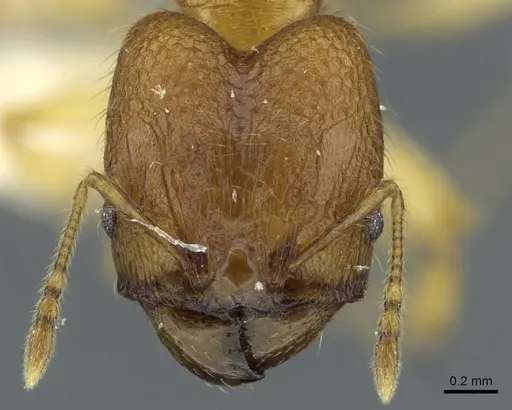
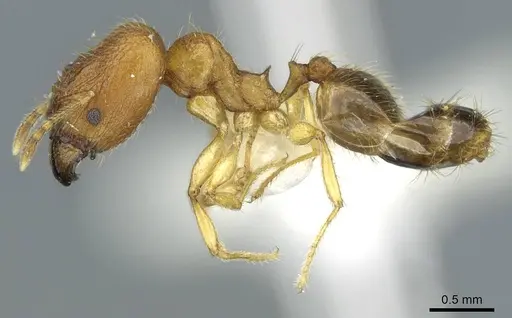
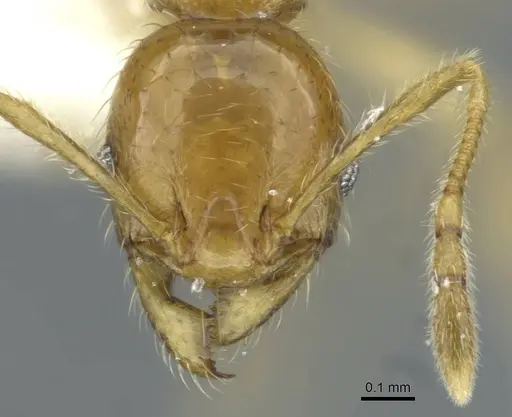
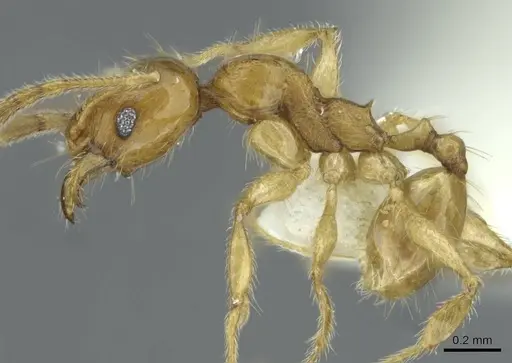
Pheidole laevicolor is a small ant species native to northern Vietnam and recently recorded on Hainan Island, China. Majors measure 1.06-1.20mm in head length while minors are much smaller at 0.50-0.58mm. The species has a distinctive appearance with major workers showing smooth and shining heads and promesonotal domes, while the vertex and vertexal lobes have reticulate sculpturing. This species occurs from forest edges to well-developed forests and nests in the soil. A notable trait is that major workers function as repletes, their abdomens distend with liquid food to serve as living food storage for the colony [1][2].
Quick Summary
- Difficulty: Medium
- Origin & Habitat: Northern Vietnam and Hainan Island, China. Found in forest edges to well-developed forests at elevations of 834-1029m. Nests in soil [1][2][3][4].
- Colony Type: Likely monogyne (single queen) based on typical Pheidole genus patterns. Colony size can reach several thousand workers given typical genus growth patterns.
- Colony: Monogyne
- Founding: Claustral
- Size & Growth:
- Queen: Estimated 5-7mm based on genus patterns
- Worker: Majors: 1.06-1.20mm head length, Minors: 0.50-0.58mm head length [1]
- Colony: Estimated several thousand workers based on typical Pheidole colony sizes
- Growth: Moderate, estimated 6-10 weeks from egg to first worker based on related species
- Development: 6-10 weeks (estimated based on related Pheidole species) (Development time is estimated as this specific species has not been studied in captivity. Temperature will significantly affect development speed.)
- Antkeeping:
- Temperature: Keep at 24-28°C. As a tropical/subtropical species from Vietnam, they prefer warm conditions. A heating cable on one side of the nest can create a temperature gradient.
- Humidity: Keep substrate moderately moist. Forest-edge species prefer humid conditions but not waterlogged soil. Mist occasionally and provide a water tube.
- Diapause: Unknown for this species. Vietnamese Pheidole species may reduce activity in cooler months but full diapause requirements are unconfirmed.
- Nesting: Soil-nesting species. A naturalistic setup with moist soil or a Y-tong/plaster nest works well. Provide deep enough substrate for colony expansion [1].
- Behavior: Majors serve as repletes, storing liquid food in their distended abdomens, a unique trait among Pheidole. Workers are active foragers, collecting protein and seeds. Minor workers handle most foraging while majors focus on food storage and defense. Escape risk is moderate due to small minor worker size, use standard barrier methods [1].
- Common Issues: colonies may fail if kept too dry, forest species need consistent humidity, slow founding phase means beginners may lose patience, small minor workers can escape through standard barriers, use fine mesh, wild-caught colonies may carry parasites that affect captive survival, replete majors may die if colony is stressed or food is inconsistent
Nest Preferences
Pheidole laevicolor is a soil-nesting species found in forest edges to well-developed forests in northern Vietnam. In captivity, provide a naturalistic setup with moist soil at least 5-10cm deep, or use a Y-tong/plaster nest that allows for burrowing. The species prefers dark, humid conditions similar to its forest floor habitat. Ensure the nest substrate stays consistently moist but not waterlogged, the ants should be able to move to drier areas if needed. A water tube attached to the nest helps maintain humidity [1].
Feeding and Diet
Like other Pheidole species, these ants are omnivorous. They accept protein sources like small insects (fruit flies, pinhead crickets, mealworms) and seeds. The unique trait of this species is that major workers function as repletes, they store liquid carbohydrates and protein in their distended abdomens to feed the colony during lean times. Offer sugar water, honey, or diluted syrup regularly, especially for the majors to fill as food stores. Feed protein 2-3 times per week and provide constant access to sugar sources. [1]
Temperature and Care
As a species from tropical northern Vietnam, Pheidole laevicolor prefers warm temperatures around 24-28°C. Lower temperatures will slow activity and development. Use a heating cable on one side of the nest to create a gentle gradient, allowing ants to thermoregulate. Room temperature in most homes (20-24°C) may be acceptable but expect slower growth. Monitor colony activity, workers should be actively foraging. If they cluster together and show reduced activity, consider warming the nest slightly.
Behavior and Temperament
This species shows typical Pheidole behavior with distinct worker castes. Minor workers handle most foraging and brood care, while major workers serve as repletes for food storage and assist with defense. Majors have larger heads with specialized mandibles for cracking seeds and defense. The species is not particularly aggressive but will defend the nest if threatened. Workers are active foragers, readily exploring their outworld for food. The presence of replete majors is a unique visual characteristic, their abdomens become noticeably distended when well-fed [1].
Growth and Development
Colony development follows typical Pheidole patterns. The claustral queen seals herself in a founding chamber and raises the first brood alone using stored energy. First workers (nanitics) are smaller than normal workers but quickly begin foraging to support colony growth. Based on related species, expect 6-10 weeks from egg to first worker at optimal temperature. Growth is moderate, the colony will expand over several months as the queen continues laying eggs. Major workers appear as the colony grows, typically once the colony reaches several dozen workers.
Frequently Asked Questions
How long does it take for Pheidole laevicolor to raise first workers?
Based on related Pheidole species, expect 6-10 weeks from egg to first worker at optimal temperature (24-28°C). Cooler temperatures will significantly slow development.
What do Pheidole laevicolor ants eat?
They are omnivorous. Offer small insects (fruit flies, pinhead crickets, mealworms) for protein, and sugar water, honey, or diluted syrup for carbohydrates. They also accept seeds. Major workers serve as repletes, storing liquid food in their abdomens.
Can I keep multiple queens together?
Pheidole species are typically monogyne (single queen). Combining unrelated queens is not recommended as they likely will fight. Only keep one queen per colony.
What temperature do they need?
Keep them warm at 24-28°C. As a Vietnamese forest species, they prefer tropical temperatures. A heating cable on part of the nest can help maintain optimal conditions.
Are Pheidole laevicolor good for beginners?
This species is rated medium difficulty. They require warm temperatures and consistent humidity. The main challenges are maintaining proper conditions and being patient through the slow founding phase. They are not as hardy as some common species like Lasius or Camponotus.
How big do colonies get?
Based on typical Pheidole growth patterns, colonies can reach several thousand workers over several years. The presence of major repletes becomes more noticeable as the colony expands.
Do they need hibernation?
Diapause requirements are unconfirmed for this species. As a tropical Vietnamese species, they likely do not need true hibernation but may reduce activity in cooler months. If kept at room temperature year-round, they should remain active.
What makes Pheidole laevicolor unique?
A distinctive trait is that major workers function as repletes, their abdomens distend with liquid food to serve as living food storage for the colony. This is a specialized adaptation not found in all Pheidole species.
When should I move them to a formicarium?
Keep founding colonies in a test tube setup until they have 30-50 workers. Once the test tube becomes crowded or the water reservoir depletes, transfer to a naturalistic setup or Y-tong nest with soil substrate.
References

This caresheet is licensed under CC BY-SA 4.0 .
CASENT0911216
View on AntWeb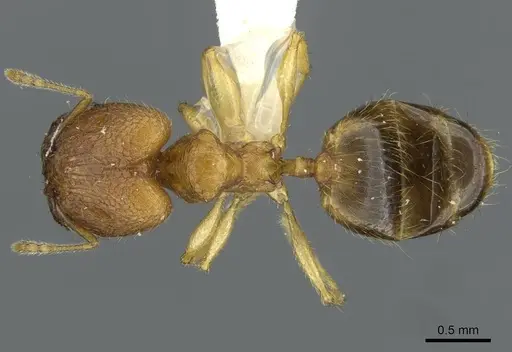
CASENT0911217
View on AntWeb
Literature
Loading...Loading products...