

Pheidole kukrana
- Scientific Name
- Pheidole kukrana
- Tribe
- Attini
- Subfamily
- Myrmicinae
- Author
- Wilson, 2003
- Distribution
- Found in 8 countries
Pheidole kukrana Overview
Pheidole kukrana is an ant species of the genus Pheidole. It is primarily documented in 8 countries , including Colombia, Costa Rica, French Guiana. Detailed taxonomic data and occurrence records can be further explored via authoritative databases such as AntWeb or the Global Biodiversity Information Facility (GBIF).
Pheidole kukrana
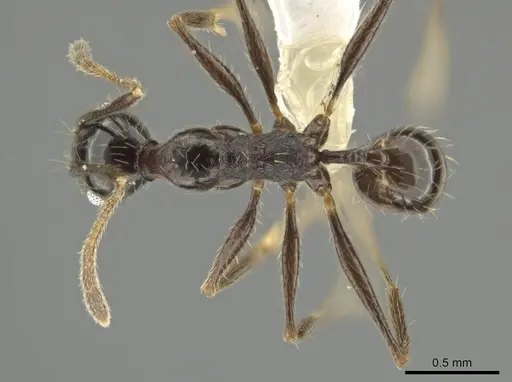
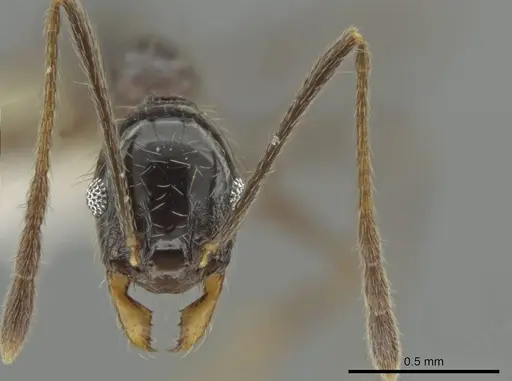
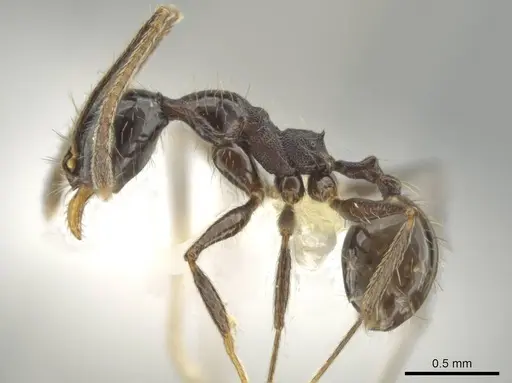
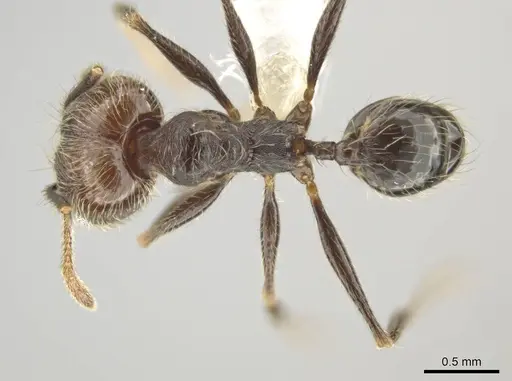
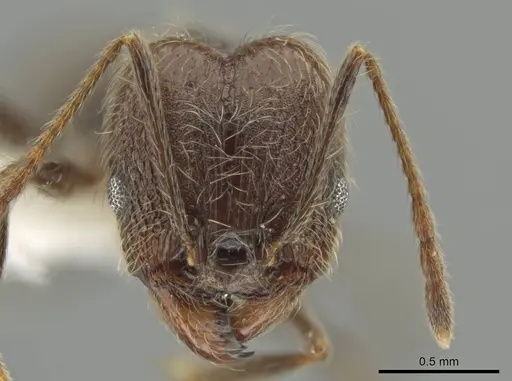
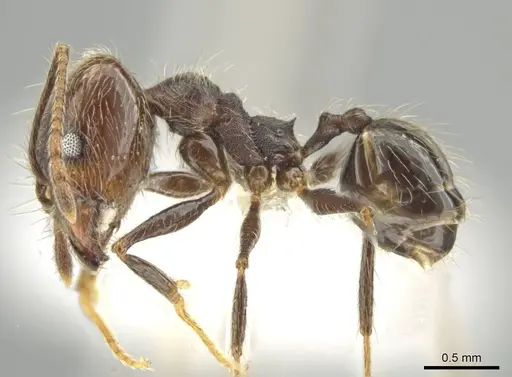
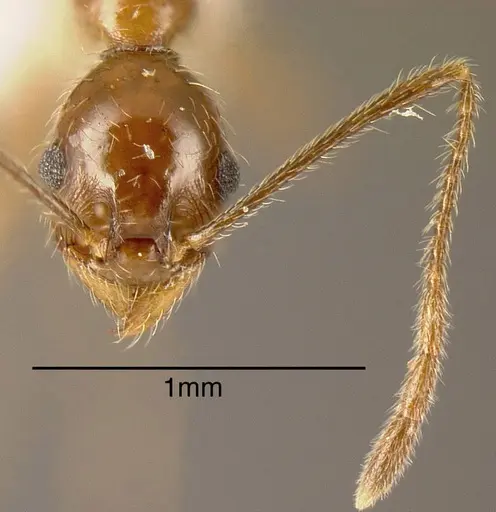
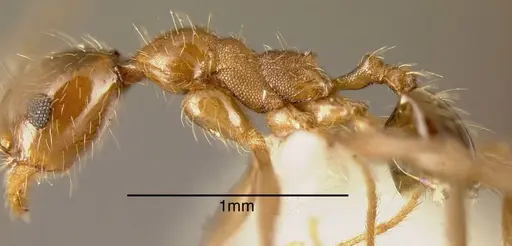
Pheidole kukrana is a dimorphic ant species native to Central and South America, known for its distinctive major and minor worker castes. Major workers are dark brown with robust heads featuring dense yellowish hairs and distinctive head sculpturing, while minor workers are smaller and lighter colored. This species belongs to the fallax group and is found across Nicaragua, Costa Rica, Venezuela, Guatemala, French Guiana, and Colombia. In Costa Rica, kukrana is highly adaptable, thriving in seasonal dry forest, mature lowland rainforest, and secondary forest. It nests opportunistically in small cavities both on the ground and in the canopy, occasionally building carton walls. The species was described by Wilson in 2003 and may be closely related to Pheidole obscurior.
Quick Summary
- Difficulty: Medium
- Origin & Habitat: Tropical Central and South America, found in Nicaragua (type locality: Kukra River), Costa Rica (Atlantic and Pacific lowlands), Venezuela (Portuguesa at 670m), Guatemala, French Guiana, and Colombia (Meta). Inhabits seasonal dry forest, mature and secondary lowland rainforest [1].
- Colony Type: Colony structure is unconfirmed, Pheidole species are typically monogyne (single queen) but some can be polygyne. No specific data for P. kukrana.
- Founding: Claustral
- Size & Growth:
- Queen: Unconfirmed, Pheidole queens are typically 4-8mm, estimate based on genus patterns
- Worker: Major workers: 1.06mm head width, Minor workers: 0.52mm head width [2]
- Colony: Unknown for this specific species, typical Pheidole colonies reach several hundred to a few thousand workers
- Growth: Moderate, based on typical Pheidole patterns
- Development: 6-10 weeks, estimate based on typical Pheidole development at tropical temperatures (Development time is unconfirmed for this species. Typical Pheidole species take 6-10 weeks from egg to first worker at warm tropical temperatures (24-28°C).)
- Antkeeping:
- Temperature: Keep at 24-28°C, this is a tropical species from lowland Central America. A heating cable on one side of the nest creates a temperature gradient.
- Humidity: Keep moderately humid (60-80%). This species nests in tree cavities and forest floor environments, the nest substrate should stay damp but not waterlogged. Mist occasionally and provide a water tube.
- Diapause: No, as a tropical species, P. kukrana does not require hibernation. Keep at stable warm temperatures year-round.
- Nesting: Opportunistic nester, in the wild they use small cavities on the ground and in the canopy, sometimes building carton walls. In captivity, a Y-tong (AAC) nest or plaster nest works well. Provide some vertical space since they sometimes nest in elevated locations. Test tubes can work for founding colonies.
- Behavior: Pheidole kukrana is a dimorphic ant with major workers that have specialized heads for seed processing and defense. They are generally not aggressive toward keepers but majors can deliver a mild sting. Workers are active foragers, and majors will emerge to help process larger food items. Escape risk is moderate, these are small ants but not as tiny as some species. Use standard barrier precautions. They are primarily nocturnal or crepuscular foragers in their natural habitat.
- Common Issues: tropical species requires consistent warmth, cold drafts can stress or kill colonies, wild-caught colonies may carry parasites that cause colony collapse in captivity, slow founding phase, queens may take months to raise first workers, and beginners often give up too soon, carton-nesting behavior means they may not accept enclosed nests easily, provide options, major workers are relatively large and can trigger escape attempts through standard barriers
Housing and Nest Setup
Pheidole kukrana is an opportunistic nester that uses small cavities in both ground and canopy locations. For captive care, a Y-tong (acrylic) nest or plaster nest works well, these provide the dark, enclosed spaces they prefer. You can also use test tubes for founding colonies, though some colonies may reject fully enclosed setups. Since this species occasionally builds carton structures in the wild, providing some loose nesting material or a naturalistic setup with multiple chambers can encourage natural behaviors. Ensure the nest has adequate humidity retention since they come from humid tropical forest environments. A water tube attached to the nest helps maintain moisture. [1]
Feeding and Diet
Pheidole species are generalist omnivores with a diet based on seeds, dead insects, and honeydew. In captivity, offer a varied diet: protein sources like small crickets, mealworms, or other small insects 2-3 times per week. They will also accept sugar water, honey, or diluted maple syrup as an energy source. Major workers have specialized head morphology for processing seeds, so you can occasionally offer tiny seed pieces or grain fragments. Remove uneaten food after 24-48 hours to prevent mold. Since they are tropical foragers, they tend to be more active during evening and night hours, place food in the evening for best feeding observation.
Temperature and Seasonal Care
As a tropical lowland species from Costa Rica and surrounding regions, Pheidole kukrana requires warm temperatures year-round. Keep the nest area between 24-28°C (75-82°F). A small heating cable placed on one side of the nest creates a temperature gradient that allows the colony to self-regulate. Avoid temperatures below 22°C as this species is not adapted to cool conditions. Unlike temperate ants, they do not require a winter diapause or hibernation period. Maintain consistent temperatures throughout the year, sudden drops or cold drafts can stress colonies and lead to decline. Room temperature within the range is acceptable without additional heating in most homes. [1]
Colony Development and Growth
Pheidole kukrana is a dimorphic species with distinct major and minor worker castes. The major workers develop from larvae that receive more food and have different developmental cues than minors. Colonies start with a claustral founding queen who seals herself in and raises the first brood alone. First workers (nanitics) are typically smaller than normal workers. The colony grows gradually over several months to years, with major workers appearing once the colony reaches a certain size (typically several dozen workers). Growth rate is moderate, expect 6-12 months to reach 50 workers, and several years to reach several hundred. Patience is key during the founding phase.
Behavior and Defense
This species exhibits typical Pheidole behavior: workers actively forage for food and will recruit nestmates to good food sources. Major workers have enlarged heads with specialized muscles for seed processing and can deliver a mild sting if threatened. They are not particularly aggressive toward keepers but will defend the nest if provoked. Workers are relatively fast-moving and can be skittish. The species shows some tree-dwelling tendencies in the wild, so they may benefit from vertical space in the outworld. They are primarily nocturnal foragers in their natural habitat, though they will adjust activity patterns to available food in captivity. [1]
Frequently Asked Questions
How long does it take for Pheidole kukrana to raise first workers?
The exact timeline is unconfirmed for this species, but based on typical Pheidole development, expect 6-10 weeks from egg to first worker at optimal temperatures (24-28°C). The founding queen is claustral, she seals herself in and lives off stored fat reserves while raising the first brood alone.
What do Pheidole kukrana ants eat?
They are generalist omnivores. Feed small insects (crickets, mealworms) as protein 2-3 times per week, and provide sugar water, honey, or maple syrup constantly for energy. They will also accept tiny seed pieces occasionally. Remove uneaten food after 24-48 hours to prevent mold.
What temperature do Pheidole kukrana ants need?
Keep them warm at 24-28°C (75-82°F). This is a tropical species from Central American lowlands and does not tolerate cool temperatures. A heating cable on one side of the nest creates a gradient. Do not let temperatures drop below 22°C.
Do Pheidole kukrana ants need hibernation?
No, they do not require hibernation. As a tropical species, keep them at warm, stable temperatures year-round. Unlike temperate ants, they do not enter diapause and will remain active throughout the winter if kept warm.
What size do Pheidole kukrana colonies reach?
The maximum colony size is unconfirmed for this specific species, but typical Pheidole colonies reach several hundred to a few thousand workers. Growth is moderate, it takes several months to a year to reach 50 workers, and several years to reach full size.
Can I keep multiple Pheidole kukrana queens together?
The colony structure is unconfirmed for this species. Pheidole species are typically monogyne (single queen), though some can be polygyne. Without specific data for P. kukrana, it is not recommended to combine unrelated queens. If you obtain a wild colony, it likely has one functional queen.
What type of nest is best for Pheidole kukrana?
A Y-tong (AAC) nest or plaster nest works well. They are opportunistic cavity nesters in the wild, using small spaces on the ground and in trees. Test tubes work for founding colonies. Some keepers report success with naturalistic setups since this species occasionally builds carton structures in the wild.
Are Pheidole kukrana ants good for beginners?
They are rated as medium difficulty. The main challenges are maintaining tropical temperatures year-round and the slow founding phase, queens take months to raise first workers, which can test beginner patience. They are not as difficult as some exotic species but require more attention to temperature than common temperate ants.
Why is my Pheidole kukrana colony dying?
Common causes include: temperatures too cold (below 22°C), low humidity, mold from overfeeding, or parasites from wild-caught colonies. This tropical species is sensitive to temperature fluctuations. Ensure warm, stable conditions and only offer small amounts of food that can be consumed within 24 hours.
References

This caresheet is licensed under CC BY-SA 4.0 .
Literature
Loading...Loading products...