

Pheidole komori
- Scientific Name
- Pheidole komori
- Tribe
- Attini
- Subfamily
- Myrmicinae
- Author
- Fischer & Fisher, 2013
- Distribution
- Found in 2 countries
Pheidole komori Overview
Pheidole komori is an ant species of the genus Pheidole. It is primarily documented in 2 countries , including Comoros, Mozambique. Detailed taxonomic data and occurrence records can be further explored via authoritative databases such as AntWeb or the Global Biodiversity Information Facility (GBIF).
Pheidole komori
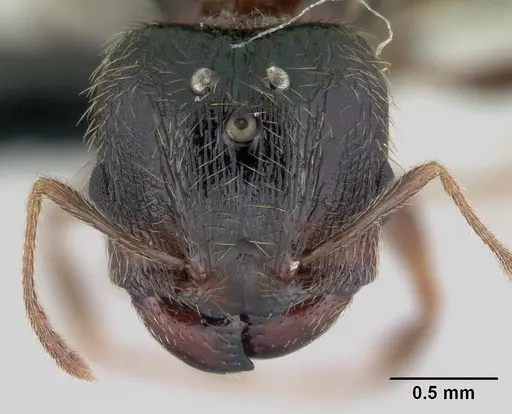
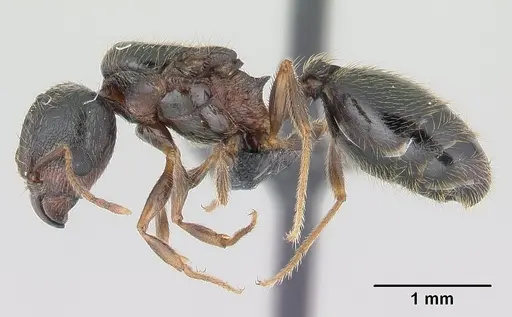
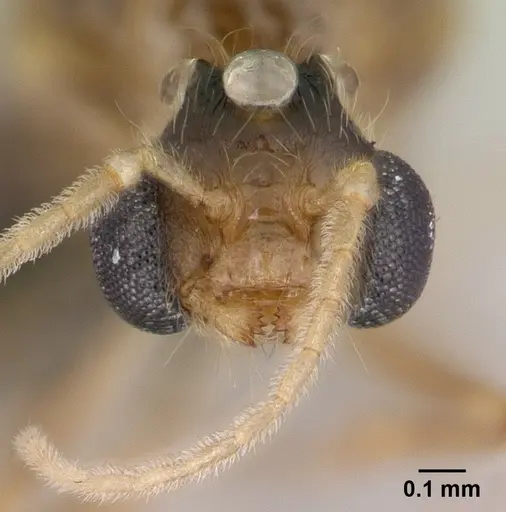
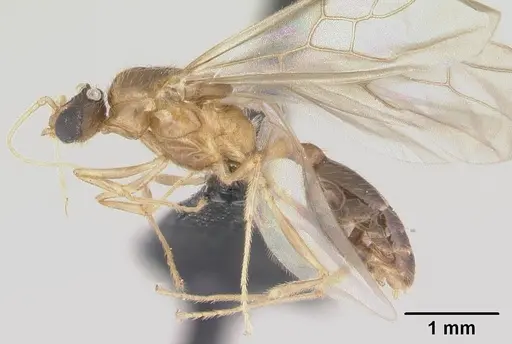
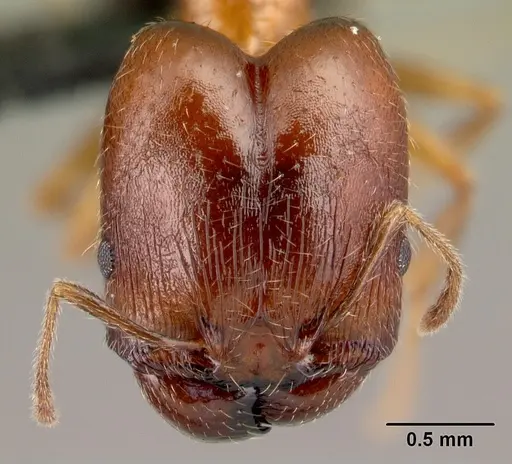
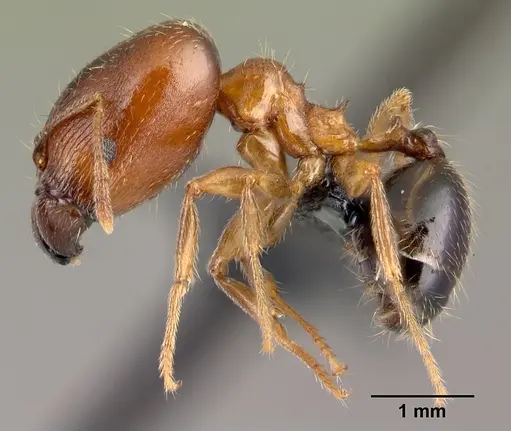
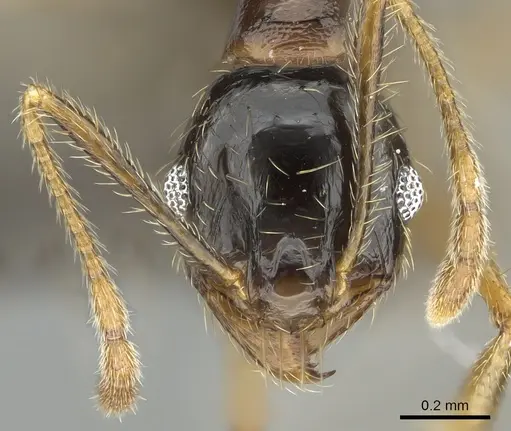
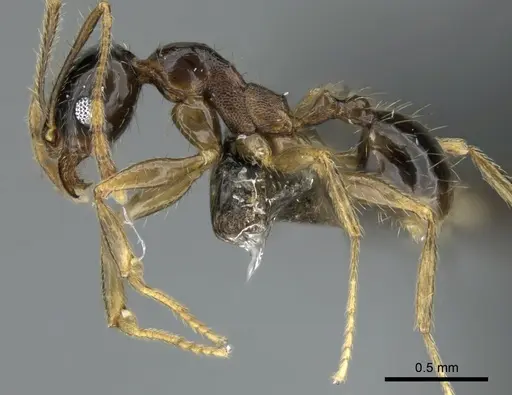
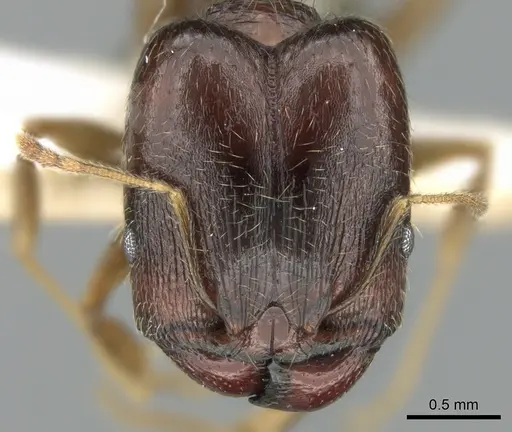
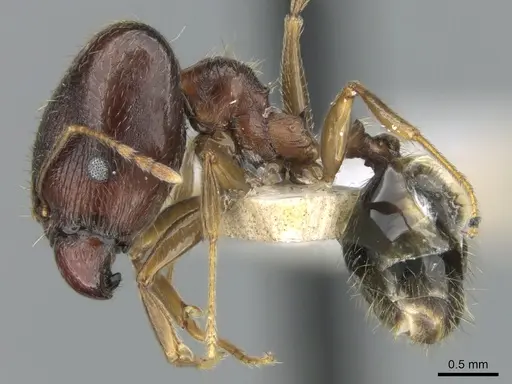
Pheidole komori is a moderately large Pheidole species native to the Comoros islands (Mohéli and Anjouan) with additional populations found in Mozambique's Gorongosa National Park. This species inhabits dry forest, coastal scrub land, and roadside areas at low elevations between 5-50 meters. The species was formally described in 2013 by Fischer and Fisher, making it a relatively newly documented ant. Major workers have the characteristic Pheidole big head but with a distinctly elongated shape (CI 82-88), while minor workers are smaller with notably long antennae and legs. The species shows an angulate promesonotal process in both castes, and minor workers have a conspicuous ventral process on the postpetiole. The name 'komori' comes from 'Udzima wa Komori, ' the local Shikomor name for the Comoros islands.
Quick Summary
- Difficulty: Medium
- Origin & Habitat: Comoros islands (Mohéli, Anjouan) and Mozambique (Gorongosa National Park). Found in dry forest, coastal scrub land, secondary forest, sand forest, and along roadsides at elevations of 5-50m [1][2].
- Colony Type: Colony structure is unconfirmed. Based on typical Pheidole patterns, likely single-queen (monogyne) colonies.
- Size & Growth:
- Queen: Undescribed in original paper, estimated 8-10mm based on genus patterns
- Worker: Majors: 1.40-1.48mm head width (HW), minors: 0.48-0.56mm HW [2]
- Colony: Unknown, likely several hundred to a few thousand workers based on typical Pheidole growth
- Growth: Moderate, estimated based on genus patterns
- Development: Estimated 6-10 weeks at optimal temperature based on related Pheidole species (Development time inferred from genus patterns, specific data for this species is unavailable)
- Antkeeping:
- Temperature: Keep at 22-26°C. This species comes from warm tropical islands and lowland Mozambique, so it prefers warmer conditions. A heating cable on one side of the nest can create a gentle gradient if room temperature is below this range.
- Humidity: Moderate humidity around 50-70%. Their natural habitat includes dry forest and coastal scrub, so they can tolerate drier conditions than many tropical ants. Keep nest substrate lightly moist but allow some drying between waterings.
- Diapause: Likely minimal or none. As a tropical/subtropical species from the Comoros and Mozambique, they probably do not require a true hibernation. However, a slight cool period during winter months may be beneficial.
- Nesting: In captivity, standard formicarium setups work well. Y-tong (AAC) nests, plaster nests, or test tube setups with dirt fill are appropriate. The species has been collected from under stones and in leaf litter in the wild, suggesting they prefer enclosed, humid nest chambers.
- Behavior: Generally peaceful and non-aggressive. Pheidole species are not known for stinging and rarely attack. Major workers use their enlarged heads for seed-crushing and nest defense, but they pose no threat to keepers. Foraging is primarily done by minor workers, and they readily accept both protein sources and carbohydrate liquids. Escape risk is moderate, majors are relatively large but minors are small enough to slip through loose connections. Ensure all connections are tight and consider fluon barriers on any exposed edges.
- Common Issues: colonies may decline if kept too cold, maintain warm temperatures year-round, wild-caught colonies can carry parasites that cause colony failure in captivity, slow founding phase means colonies need patience, don't overfeed or disturb founding queens, minor workers are small and can escape through gaps in standard formicarium connections, limited available information means keepers must adapt care based on colony response
Nest Preferences and Housing
In the wild, Pheidole komori has been collected from under stones and in sifted leaf litter in dry forest environments. This suggests they prefer enclosed, humid nest sites with some protection from direct heat. For captive care, Y-tong (AAC) nests work well because they provide dark, enclosed chambers that mimic natural underground nests. Plaster nests or test tube setups with dirt fill are also suitable. The species tolerates moderate humidity, so avoid overly wet conditions that could cause mold. A nest area of roughly 10x10cm is sufficient for a starting colony, with expansion space needed as the colony grows. Because both majors and minors are active, provide enough chamber space for the colony to organize brood and food storage areas separately. [1]
Feeding and Diet
Pheidole species are generalist feeders with a diet based on seeds and insects. In captivity, offer a varied diet: protein sources like small mealworms, fruit flies, or cricket pieces twice weekly, and carbohydrate sources like sugar water, honey, or ripe fruit constantly available. Minor workers are the primary foragers and will collect food and bring it back to the colony. Major workers help process larger food items, especially seeds if you offer them. Remove uneaten protein within 24-48 hours to prevent mold. Fresh water should always be available, either through a water tube or by moistening the nest substrate. This species comes from a relatively dry habitat, so they may not need as much water as rainforest species. [1]
Temperature and Seasonal Care
As a species from the tropical Comoros islands and lowland Mozambique, Pheidole komori prefers warm conditions. Keep the nest area between 22-26°C, with slight variation acceptable. A heating cable placed on top of the nest (never under it, which causes excessive drying) can maintain warmth during cooler months. Room temperature in most homes should suffice during summer, but supplemental heating may be needed in winter. Unlike temperate species, they do not require a true hibernation period. However, a slight reduction in temperature during winter months (dropping to around 18-20°C) may simulate natural seasonal variation and could benefit colony health. Avoid temperatures below 15°C for extended periods. Monitor colony activity, if workers become sluggish and cluster together, the colony may be too cold. [1]
Behavior and Colony Dynamics
Pheidole komori exhibits the typical Pheidole caste system with distinct major and minor workers. Major workers have enlarged heads and are specialized for seed processing and colony defense, while smaller minors handle most foraging and brood care. The colony will produce more majors as it grows, typically when the colony reaches several hundred workers. This species is not aggressive and rarely attempts to sting, making them safe for handling if needed. They are moderate foragers and will readily explore their outworld for food. Colonies are relatively slow to establish compared to some faster-growing genera, so patience is needed during the founding phase. The species has been collected as both majors and minors from the same colonies, confirming they maintain both castes in established populations. [1]
Growth and Development
Specific development data for Pheidole komori is not available, but typical Pheidole species take 6-10 weeks from egg to first worker (nanitic) at optimal temperature. The first generation of workers (nanitics) will be smaller than normal workers and may include fewer majors. After the colony establishes and begins regular foraging, subsequent broods will develop faster and produce larger workers. Growth rate is moderate, expect the colony to reach 50-100 workers within 6-12 months under good conditions, with faster growth possible as the colony matures and begins producing majors regularly. The colony will likely reach several hundred workers within 1-2 years. Factors that speed growth include consistent warmth (22-26°C), regular protein feeding, and minimal disturbance.
Frequently Asked Questions
How long does it take for Pheidole komori to produce first workers?
Based on typical Pheidole development, expect first workers (nanitics) to emerge 6-10 weeks after the queen lays eggs, assuming temperatures around 24-26°C. The exact timeline for this specific species is unknown since it hasn't been studied in captivity yet.
What do Pheidole komori ants eat?
They are generalist feeders. Offer protein sources like small insects (mealworms, fruit flies, cricket pieces) twice weekly, and keep carbohydrate sources available constantly (sugar water, honey, or ripe fruit). They also need constant access to fresh water.
What temperature do Pheidole komori ants need?
Keep them warm at 22-26°C. This species comes from tropical islands and warm lowland Mozambique, so they prefer consistent warmth. A heating cable on the nest can help maintain temperatures during cooler months.
Can I keep multiple Pheidole komori queens together?
This has not been documented for this specific species. Based on typical Pheidole behavior, they likely form single-queen colonies. Combining unrelated queens is not recommended as it often leads to fighting.
How big do Pheidole komori colonies get?
Colony size is not documented for this species, but based on typical Pheidole growth patterns, colonies likely reach several hundred to a few thousand workers over 1-3 years under good conditions.
Do Pheidole komori ants need hibernation or diapause?
Probably not. As a tropical/subtropical species from the Comoros and Mozambique, they likely do not require a true hibernation. A slight temperature reduction during winter may be beneficial but is not mandatory.
What size formicarium do I need for Pheidole komori?
Start with a small setup (test tube or small Y-tong) for founding colonies. As the colony grows to 50+ workers, upgrade to a larger formicarium with multiple chambers. A 10x10cm nest area is a good target for established colonies.
Why are my Pheidole komori dying during founding?
Common causes include: disturbing the queen during the claustral period, keeping temperatures too low, letting the test tube dry out, or overfeeding which causes mold. Keep founding setups in a dark, quiet location with stable warmth and humidity.
Where is Pheidole komori native to?
This species is native to the Comoros islands (Mohéli and Anjouan) in the Indian Ocean and also found in Mozambique's Gorongosa National Park. It was formally described in 2013.
References

This caresheet is licensed under CC BY-SA 4.0 .
CASENT0147143
View on AntWeb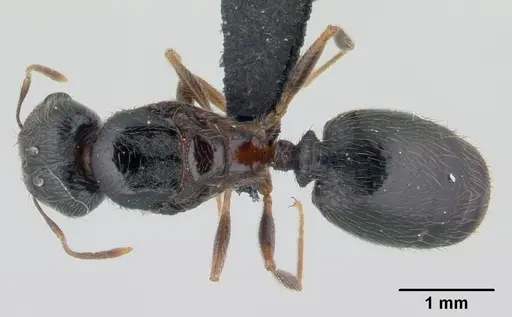
CASENT0147144
View on AntWeb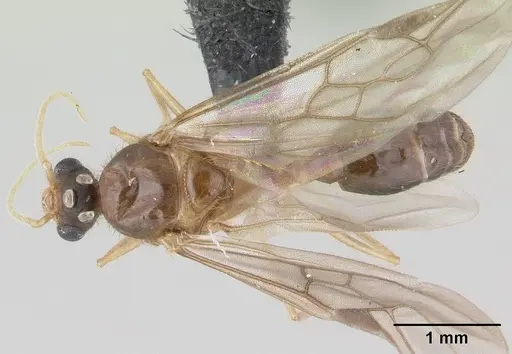
CASENT0147145
View on AntWeb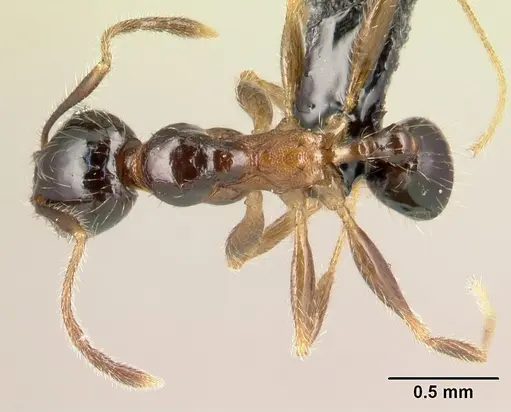
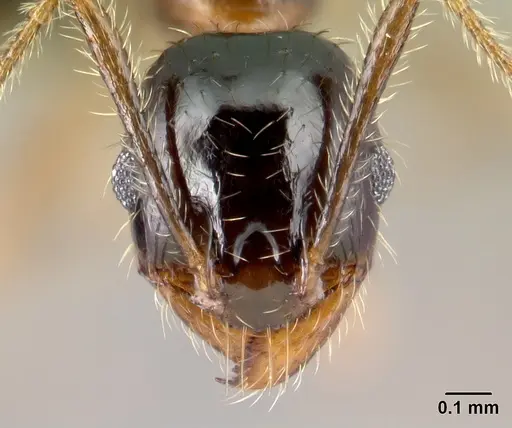
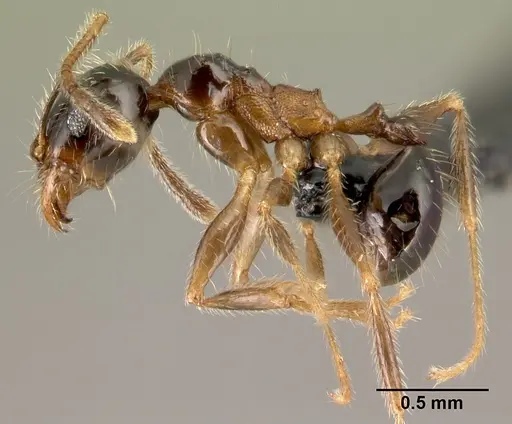
CASENT0147188
View on AntWeb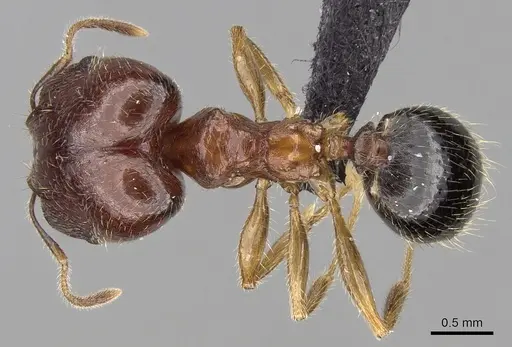
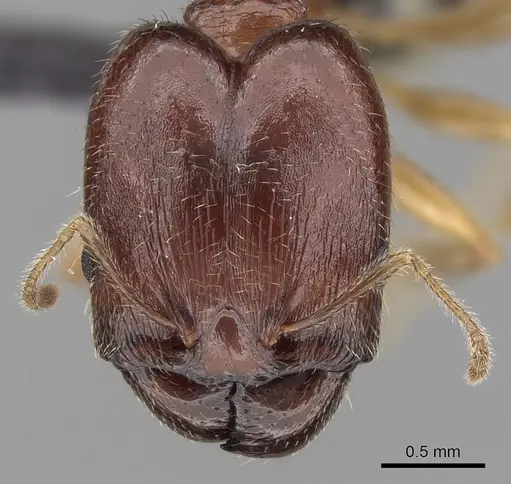
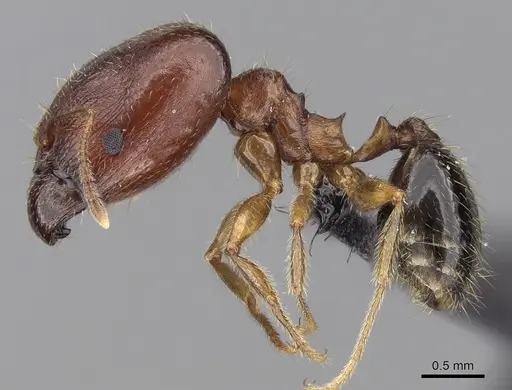
CASENT0149121
View on AntWeb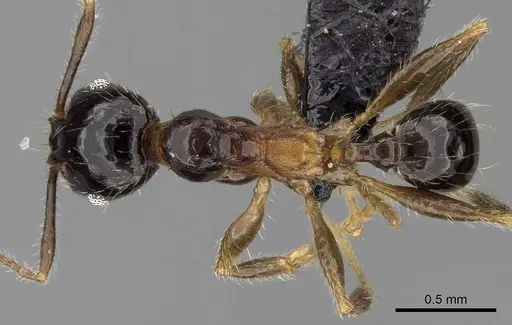
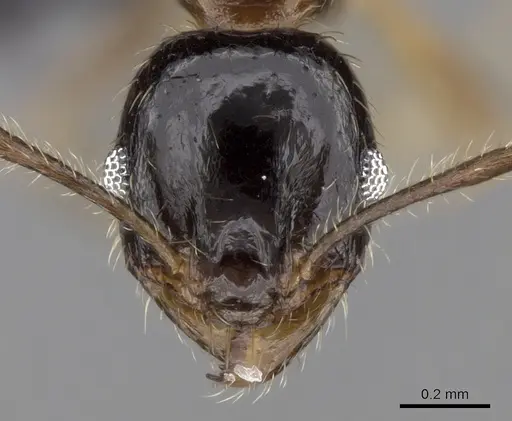
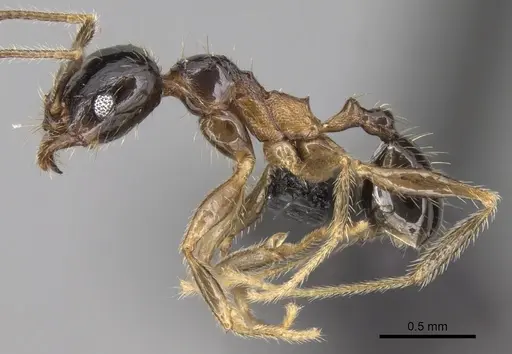
CASENT0179500
View on AntWeb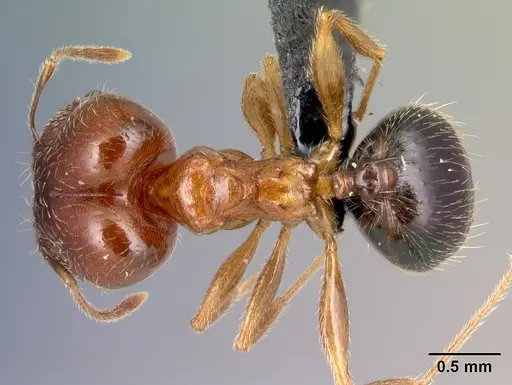
CASENT0319245
View on AntWeb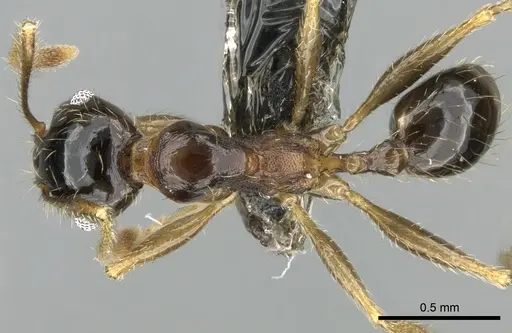
CASENT0319246
View on AntWeb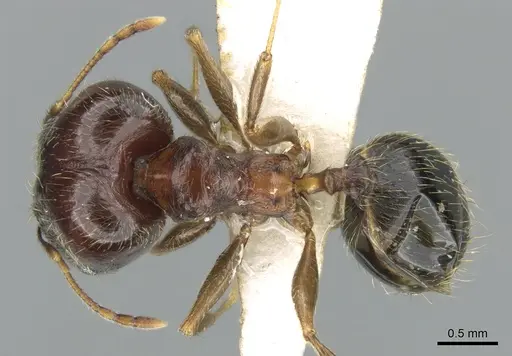
Literature
Loading...Loading products...