

Pheidole knowlesi
- Scientific Name
- Pheidole knowlesi
- Tribe
- Attini
- Subfamily
- Myrmicinae
- Author
- Mann, 1921
- Distribution
- Found in 2 countries
Pheidole knowlesi Overview
Pheidole knowlesi is an ant species of the genus Pheidole. It is primarily documented in 2 countries , including Fiji, Wallis and Futuna. Detailed taxonomic data and occurrence records can be further explored via authoritative databases such as AntWeb or the Global Biodiversity Information Facility (GBIF).
Pheidole knowlesi
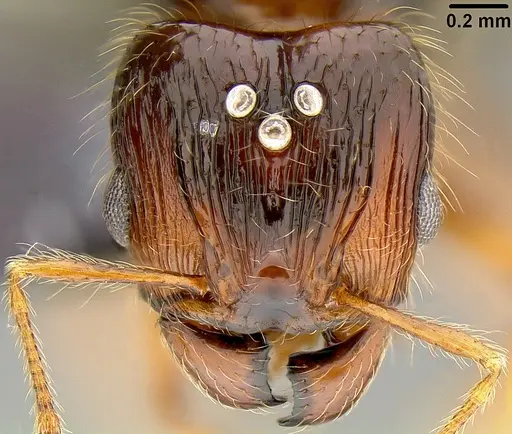
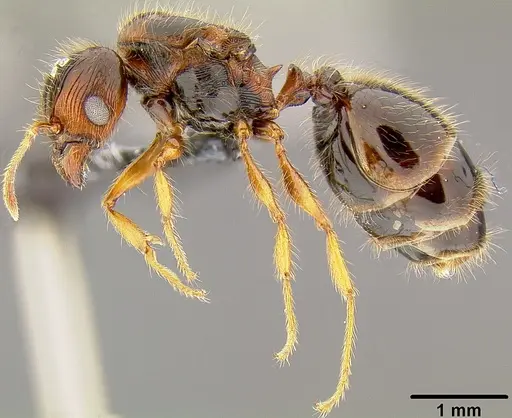
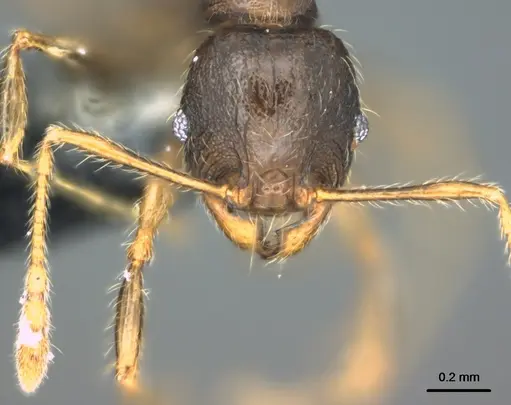
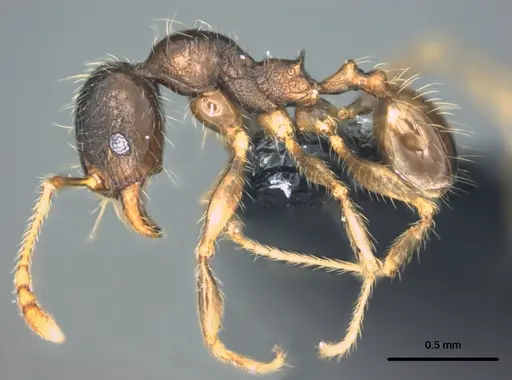
Pheidole knowlesi is a medium-sized ant species endemic to Fiji, where it's one of the most frequently encountered native Pheidole species. Major workers measure 0.91-1.16mm in head width with a distinctive subrectangular head featuring well-defined longitudinal rugae on the frons and sides, while minor workers are much smaller at 0.50-0.58mm. The species shows considerable color variation, ranging from light yellow-brown to dark reddish-brown, with relatively reduced sculpturing compared to related species. Queens are relatively large at 1.64-1.82mm in wing length with notably long legs. This species is part of the knowlesi group, which is sister to the roosevelti group, and represents an earlier stage in the evolutionary transition toward extreme endemic syndromes in Fiji's ant fauna [1][2].
What makes P. knowlesi particularly interesting is its morphological variation across the archipelago. Populations at higher elevations tend to have more sculpturing, while those at lower elevations are smoother and more widespread. Some researchers believe it may actually represent a complex of several distinct species, as consistent morphological characters separating populations have been difficult to establish [2].
Quick Summary
- Difficulty: Medium
- Origin & Habitat: Endemic to Fiji, found on most major islands including Vanua Levu, Taveuni, Koro, Gau, Viti Levu, Kadavu, and Ovalau. Inhabits primary rainforest, bryophyte forest, secondary forest, forest edges, and disturbed areas from 50-1300m elevation [2][3].
- Colony Type: Likely monogyne (single queen) based on typical Pheidole colony structure. Colonies are relatively small, typically found in rotting logs, hollow twigs, under stones, and in leaf litter or ant-plants [2][1].
- Colony: Monogyne
- Founding: Claustral
- Size & Growth:
- Queen: 1.11-1.21mm HW,1.64-1.82mm WL [3]
- Worker: Major: 0.91-1.16mm HW, Minor: 0.50-0.58mm HW [3]
- Colony: Likely several hundred workers based on typical Pheidole colony sizes and the species' moderate distribution
- Growth: Moderate, typical for tropical Pheidole species
- Development: Estimated 5-8 weeks at tropical temperatures based on typical Pheidole development patterns (Development time is inferred from genus patterns as specific data for this species is not available. Warmer temperatures within the 24-28°C range will accelerate development.)
- Antkeeping:
- Temperature: Keep at 24-28°C. This is a tropical species from Fiji, so warmth is essential for colony health and brood development. A slight temperature gradient allows ants to regulate their own conditions [4].
- Humidity: High humidity preferred, around 70-80%. These ants naturally inhabit damp rainforest environments and should be kept in humid conditions. Use moist substrate and provide a water source.
- Diapause: No, as a tropical species from Fiji, P. knowlesi does not require hibernation or winter dormancy. Maintain consistent temperatures year-round.
- Nesting: In captivity, they do well in Y-tong nests, plaster nests, or naturalistic setups with moist substrate. They naturally nest in rotting wood, hollow twigs, under stones, and in leaf litter deposits. Provide a nest chamber with humidity control and avoid drying out the substrate.
- Behavior: Pheidole knowlesi is a generalist forager that hunts for small prey and collects honeydew. Workers forage on the ground, on rocks, and on vegetation. Major workers have well-developed mandibles for seed processing and defense. They are not particularly aggressive toward keepers but will defend their nest. Escape risk is moderate, minor workers are small but not as tiny as some Pheidole species, so standard escape prevention measures work well. They are active foragers that establish visible trails to food sources.
- Common Issues: tropical species needs warmth, temperatures below 22°C can slow activity and brood development, high humidity requirement means drying out is a common problem, monitor substrate moisture regularly, colonies may be slower to establish than more common species due to their endemic nature and specific requirements, wild-caught colonies may carry parasites or pathogens that can cause colony losses in captivity, morphological variation across populations means captive colonies may show different behaviors than described in literature
Housing and Nest Setup
Pheidole knowlesi can be housed in various setups including Y-tong nests, plaster nests, or naturalistic terrariums. Since they naturally nest in rotting wood and twigs, a naturalistic setup with moist soil and hiding spots like pieces of wood or bark works well. Test tube setups can work for founding colonies but may need upgrading as the colony grows. The key is maintaining high humidity while ensuring adequate ventilation to prevent mold. A water tube or moist cotton ball should be provided as a water source. Because they forage actively, an outworld or foraging area with easy access to the nest is essential. [2][1][3]
Feeding and Diet
As a typical Pheidole species, P. knowlesi is a generalist that accepts both protein and carbohydrate sources. Feed them small insects like fruit flies, pinhead crickets, or mealworms as protein. They will also consume sugar water, honey, or nectar. In the wild, they forage for small arthropods and likely tend aphids or collect honeydew from planthoppers. Feed protein sources 2-3 times per week and keep sugar water available at all times. Remove uneaten prey after 24-48 hours to prevent mold. [2]
Temperature and Seasonal Care
Being a tropical species from Fiji, P. knowlesi requires warm conditions year-round. Keep the nest area at 24-28°C. Temperatures below 22°C can cause the colony to become sluggish and slow brood development. A heating cable or mat on one side of the nest can create a temperature gradient. There is no diapause requirement, these ants do not experience winter in their native habitat. Maintain consistent temperatures throughout the year. Avoid sudden temperature drops or drafts. [4][2]
Colony Development and Growth
Colony growth follows typical Pheidole patterns. A newly mated queen will seal herself in a chamber and lay eggs, raising the first brood (nanitic workers) entirely on her own body reserves. Once the first workers emerge, they take over foraging and nest maintenance while the queen focuses on egg-laying. Growth rate is moderate, colonies typically reach several hundred workers over the course of a year or two under good conditions. Major workers develop as the colony grows, appearing when the colony reaches a certain threshold size. The species shows some morphological variation, so don't be concerned if your colony's majors look slightly different from museum specimens. [1][2]
Behavior and Temperament
Pheidole knowlesi workers are active foragers that establish trails to food sources. They are not particularly aggressive toward humans but will defend their nest vigorously if threatened. Major workers have well-developed mandibles and can deliver a moderately painful sting, though they are not considered dangerous to humans. The species is generally calm in captivity and does well with observation. Workers are most active during the day, searching for food both on the ground and on vegetation. They adapt well to captive conditions once their basic needs (warmth, humidity, food) are met. [2][4]
Frequently Asked Questions
Is Pheidole knowlesi a good species for beginners?
Pheidole knowlesi is rated as medium difficulty. While not as challenging as some exotic species, it does require specific conditions, namely warm temperatures and high humidity, that mimic its Fijian rainforest habitat. If you can maintain consistent warmth (24-28°C) and humidity, it can be a rewarding species to keep.
How long does it take for the first workers to emerge?
Based on typical Pheidole development patterns, expect 5-8 weeks from egg to first worker at optimal tropical temperatures (around 26-28°C). Cooler temperatures will slow development significantly.
What do I feed Pheidole knowlesi?
Feed them a varied diet including small insects (fruit flies, pinhead crickets, mealworms) for protein and sugar sources (honey, sugar water) for carbohydrates. They are generalist feeders similar to other Pheidole species.
Do I need to hibernate this species?
No. As a tropical species from Fiji, P. knowlesi does not require hibernation. Keep them warm year-round at 24-28°C.
Can I keep multiple queens together?
Pheidole species are typically monogyne (single queen per colony). Combining unrelated queens is not recommended as they will likely fight. If you catch multiple queens during a nuptial flight, house them separately until each establishes her own colony.
What size colony does Pheidole knowlesi reach?
Based on typical Pheidole colony sizes, expect several hundred workers at maturity. The species is not known for forming supercolonies.
Where is Pheidole knowlesi found in the wild?
This species is endemic to Fiji, found on most major islands including Vanua Levu, Taveuni, Viti Levu, and others. It lives in rainforest habitats from 50-1300m elevation.
What type of nest should I use?
Y-tong nests, plaster nests, or naturalistic setups with moist substrate all work well. They naturally nest in rotting wood and twigs, so providing materials that retain moisture is important. Avoid dry nests.
Why are my ants not very active?
Check your temperature first. Tropical species like P. knowlesi become sluggish below 22°C. Also ensure humidity is adequate, dry conditions can cause them to retreat and become less active. Review both temperature and humidity before considering other factors.
References

This caresheet is licensed under CC BY-SA 4.0 .
CASENT0171041
View on AntWeb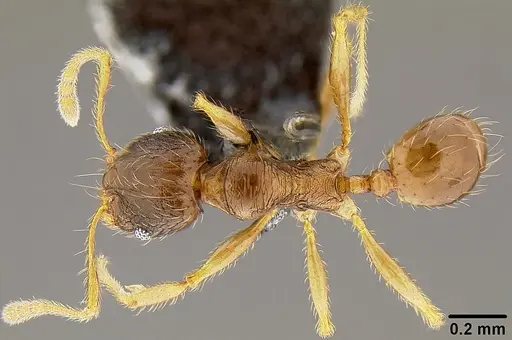
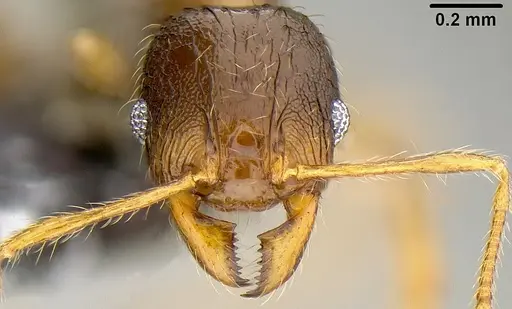
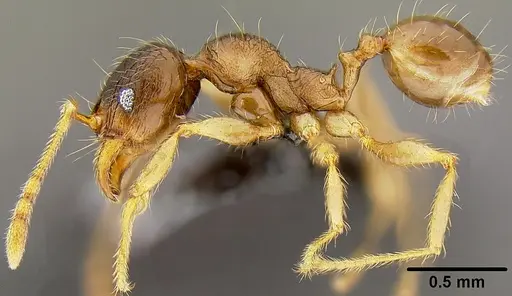
CASENT0171042
View on AntWeb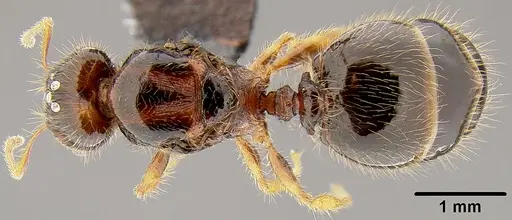
CASENT0171097
View on AntWeb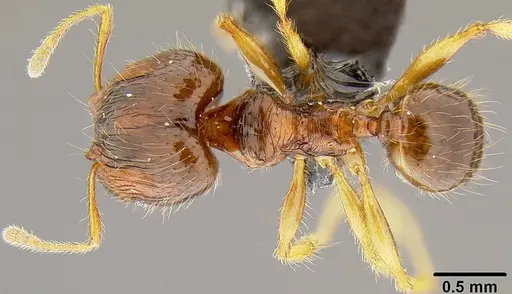
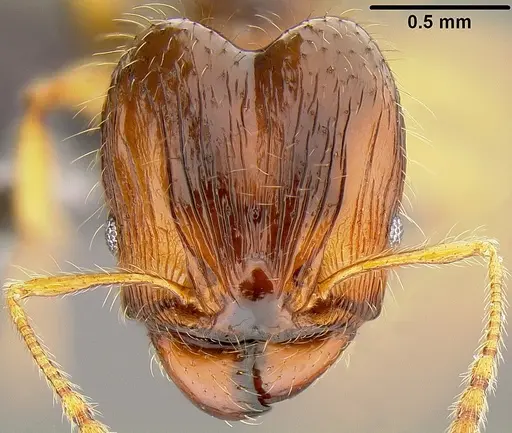
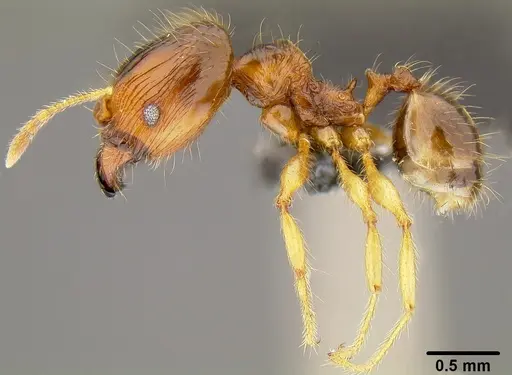
CASENT0171098
View on AntWeb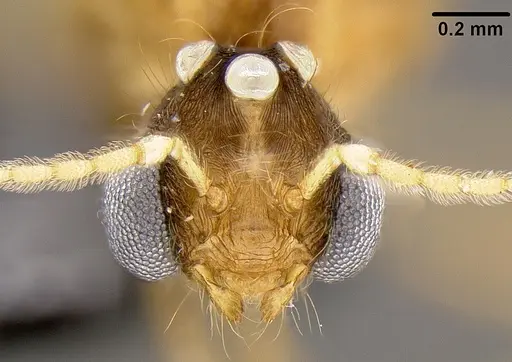
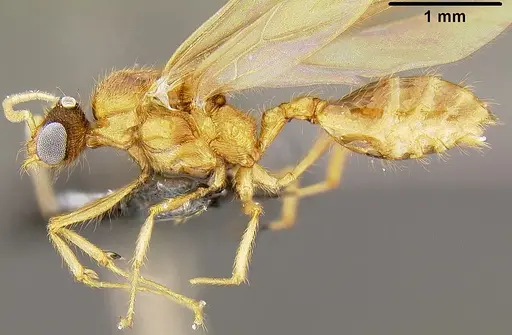
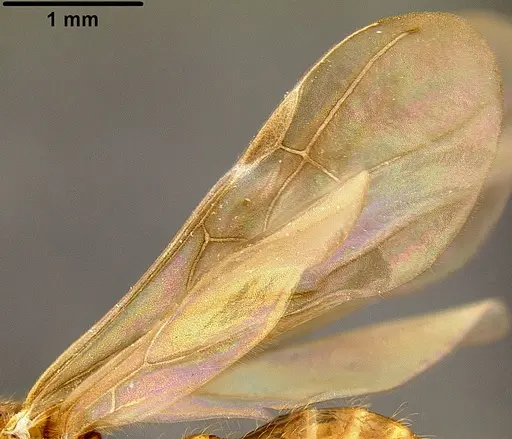
CASENT0183983
View on AntWeb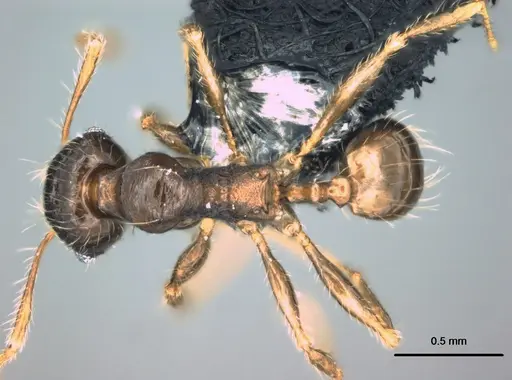
Literature
Loading...Loading products...