

Pheidole katonae
- Scientific Name
- Pheidole katonae
- Tribe
- Attini
- Subfamily
- Myrmicinae
- Author
- Forel, 1907
- Distribution
- Found in 1 countries
Pheidole katonae Overview
Pheidole katonae is an ant species of the genus Pheidole. It is primarily documented in 1 countries , including Mozambique. Detailed taxonomic data and occurrence records can be further explored via authoritative databases such as AntWeb or the Global Biodiversity Information Facility (GBIF).
Pheidole katonae
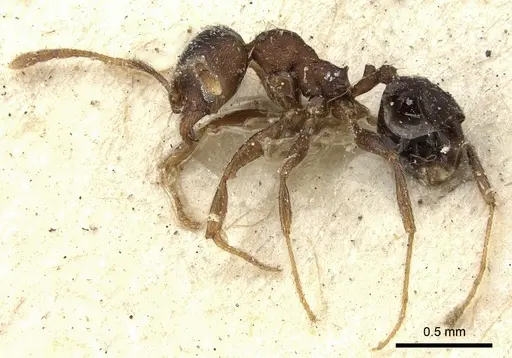
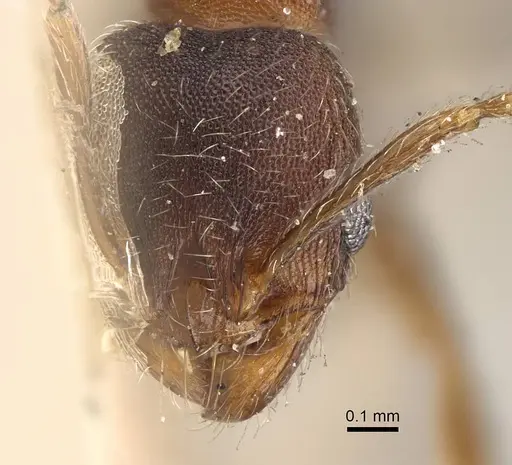
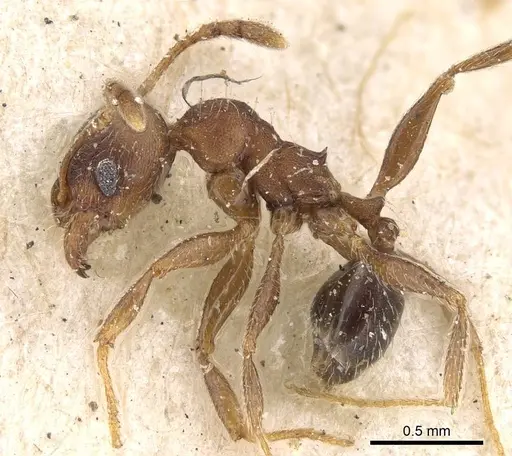
Pheidole katonae is a small to medium-sized ant belonging to the big-headed ant genus Pheidole. This species was originally described as a subspecies of Pheidole sculpturata in 1907 and was raised to full species status in 1996 [1]. The species is part of the excellens species group, found across the Afrotropical region including Tanzania (where it was originally described), Benin, and also in parts of the Arabian Peninsula (Saudi Arabia and Oman) [2][1]. Major workers have a distinctive head shape with reduced sculpture compared to related species, and feature unique ovoid eyes positioned well forward of the midline [1].
This is a poorly documented species in the scientific literature, with limited information available on its specific biology, colony structure, or captive care requirements. What we know comes primarily from taxonomic studies and distribution records rather than detailed ecological or behavioral research.
Quick Summary
- Difficulty: Unknown, likely Easy to Medium based on genus patterns
- Origin & Habitat: Afrotropical species found in Tanzania, Benin, Saudi Arabia, and Oman. Natural habitat details are unconfirmed, but related Pheidole species typically nest in soil, under stones, or in rotting wood in warm, moderately humid areas.
- Colony Type: Colony structure is unconfirmed. Most Pheidole species are monogyne (single-queen colonies), though some can be polygyne. No specific data exists for this species.
- Size & Growth:
- Queen: Unknown, estimated 7-10mm based on genus patterns for Pheidole species
- Worker: Minor workers: unknown, Major workers: unknown but typical for Pheidole (major workers significantly larger than minors)
- Colony: Unknown, likely several hundred to a few thousand workers based on typical Pheidole colony sizes
- Growth: Unknown, estimated Moderate based on genus patterns
- Development: Unknown, estimated 6-10 weeks based on related Pheidole species at optimal temperature (No direct development data exists for this species. Estimates based on typical Pheidole genus development patterns.)
- Antkeeping:
- Temperature: Estimated 22-28°C based on origin (tropical/subtropical). Start in the mid-70s°F (around 24°C) and observe colony activity. Related species thrive in warm conditions.
- Humidity: Estimated 50-70% based on tropical origin. Keep substrate moderately moist but not waterlogged. Allow some drying between waterings.
- Diapause: Unknown, likely no true diapause given tropical origin, but may have reduced activity during cooler periods
- Nesting: No specific data. Related Pheidole species nest in soil, under stones, or in rotting wood. A test tube setup works for founding, transitioning to a Y-tong or plaster nest as the colony grows.
- Behavior: Behavior is unstudied, but Pheidole species are generally non-aggressive, with major workers serving as defenders and seed processors. They are not known to sting. Escape risk is moderate, major workers are larger but minors can squeeze through small gaps. Use standard barrier methods.
- Common Issues: limited species-specific information makes accurate care recommendations difficult, colony structure (monogyne vs polygyne) is unconfirmed, no documented founding behavior, assume claustral like most Pheidole, development timeline is estimated, not directly measured, distribution跨越多个气候区,可能有不同的种群需求
Species Identification and Taxonomy
Pheidole katonae was originally described by Forel in 1907 as a subspecies of Pheidole sculpturata from Tanzania. It was elevated to full species status by Collingwood and Agosti in 1996 based on morphological differences. The species belongs to the excellens group within the genus Pheidole, characterized by specific head proportions and sculpture patterns. Identification features include a SI (scape index) of 0.5 and HW/PPW ratio of 0.313. The large workers (majors) have a head shape similar to P. sculpturata but with reduced head sculpture and less abundant oblique appendage pubescence. Some researchers have suggested P. bequaerti may be a junior synonym based on minor worker morphology (unique ovoid eyes set well forward and angled), though this treatment has not been widely adopted. [1][2]
Distribution and Range
Pheidole katonae has a disjunct distribution across the Afrotropical and Palaearctic regions. The species is confirmed in Tanzania (type locality), Benin in West Africa, and the Arabian Peninsula including Saudi Arabia and Oman [2][1]. This distribution pattern spanning both Africa and the Arabian Peninsula is interesting and suggests the species may occupy diverse habitats or has been spread through natural range expansion. The Benin records were documented in a 2018 study of ant diversity in mango farm ecosystems, while the Arabian records come from surveys of Saudi Arabian and Omani ant fauna.
Housing and Nesting
No specific nesting data exists for P. katonae, but related Pheidole species provide guidance. In captivity, start with a simple test tube setup for the founding queen. Fill the tube one-third with water plugged with cotton, this provides humidity without flooding. Once the colony reaches 20-30 workers, you can transition to a more spacious formicarium. Y-tong (acrylic) nests work well for Pheidole, as do plaster nests that allow you to maintain moderate humidity. Avoid overly large spaces, Pheidole prefer snug chambers that help them maintain humidity and brood temperature. The nest area should be kept dark or dim, as queens typically seal themselves in during founding.
Feeding and Diet
Diet is unstudied for this specific species, but Pheidole genus members are typically omnivorous. They readily accept protein sources like small insects (fruit flies, pinhead crickets, mealworms) and are known seed collectors. Offer a mix of protein and carbohydrates. Sugar water, honey, or commercial ant sweets can be provided as carbohydrate sources. Feed small prey items 2-3 times per week for growing colonies, and remove any uneaten food within 24 hours to prevent mold. Fresh water should always be available.
Temperature and Seasonal Care
Given the species' tropical and subtropical origin (Tanzania, Benin, Saudi Arabia, Oman), warm conditions are likely preferred. Maintain temperatures in the range of 22-28°C (72-82°F). Room temperature in most homes (around 20-24°C) should be suitable. Observe your colony, if workers are clustered near the warmer side of the nest, slightly increase temperature, if they avoid heated areas, reduce it. No specific diapause requirement has been documented, and tropical ants typically do not require hibernation. However, you may notice reduced activity during cooler winter months if your home temperature drops significantly.
Colony Development
Specific development timeline for P. katonae is unknown. Based on related Pheidole species, expect the following: eggs hatch in 1-2 weeks, larvae develop over 2-4 weeks, and pupae emerge as workers 2-3 weeks later. First workers (nanitics) typically appear 6-10 weeks after founding at optimal temperature. These initial workers are smaller than mature workers and the colony will grow gradually. Pheidole colonies can live for several years with a healthy queen, eventually producing winged reproductives (alates) for nuptial flights.
Frequently Asked Questions
How long does it take for Pheidole katonae to produce first workers?
The exact timeline is unconfirmed for this species, but based on related Pheidole species, expect first workers (nanitics) around 6-10 weeks after the queen lays eggs, at optimal warm temperatures (around 24-26°C).
What do Pheidole katonae ants eat?
No species-specific diet data exists, but like other Pheidole ants, they likely accept small insects (fruit flies, pinhead crickets, mealworms), seeds, and sugar sources (honey, sugar water). Offer a varied diet of protein and carbohydrates.
Is Pheidole katonae good for beginners?
Difficulty level is unknown due to limited species-specific data. However, Pheidole as a genus is generally considered beginner-friendly. Start with careful attention to temperature and humidity, and this species should be manageable for those new to ant keeping.
How big do Pheidole katonae colonies get?
Colony size is unconfirmed for this species. Most Pheidole colonies reach several hundred to a few thousand workers over several years. The presence of major workers (soldiers) with enlarged heads is characteristic of the genus.
What temperature is best for Pheidole katonae?
Based on the species' tropical origin, aim for 22-28°C (72-82°F). Room temperature (20-24°C) is likely suitable. Avoid cold conditions and sudden temperature drops.
Does Pheidole katonae need hibernation or diapause?
No diapause requirement has been documented. Given the tropical origin (Tanzania, Benin, Saudi Arabia), this species likely does not require hibernation. However, activity may slow during cooler periods.
Can I keep multiple Pheidole katonae queens together?
Colony structure is unconfirmed for this species. Most Pheidole are monogyne (single queen), but some can be polygyne. Without specific data, it is not recommended to combine unrelated foundress queens.
When should I move Pheidole katonae from a test tube to a formicarium?
Transfer when the colony reaches 20-40 workers and the test tube space becomes crowded. Ensure the new nest has appropriately sized chambers, not too large, as Pheidole prefer snug spaces that help maintain humidity.
References

This caresheet is licensed under CC BY-SA 4.0 .
CASENT0249072
View on AntWeb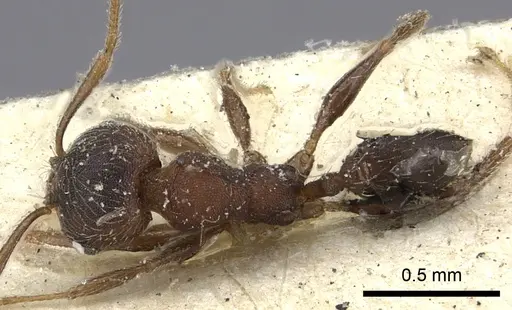
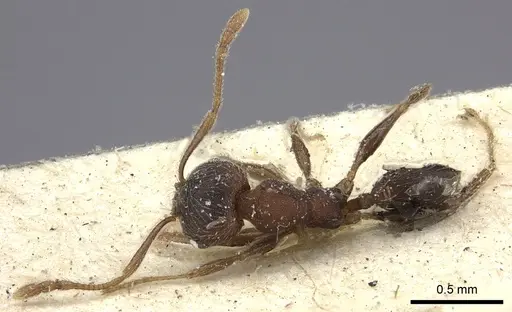
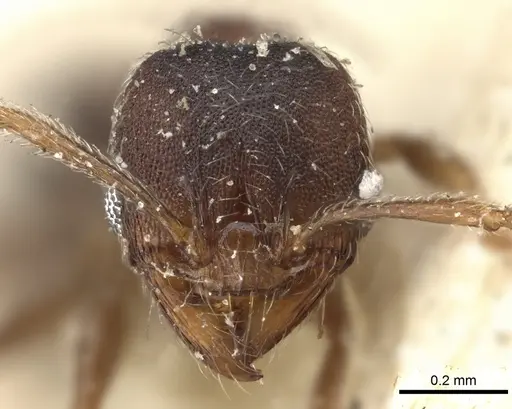
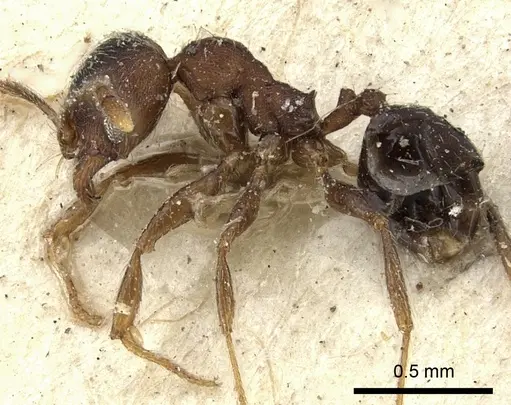
CASENT0922221
View on AntWeb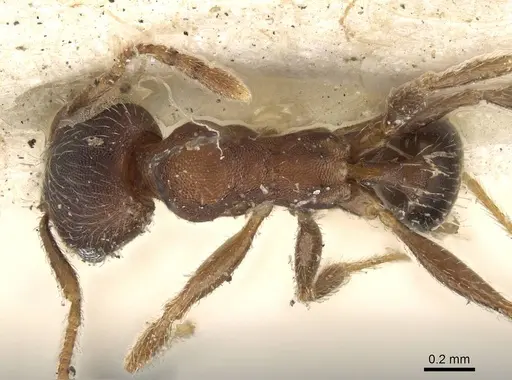
Literature
Loading...Loading products...