

Pheidole karolmorae
- Scientific Name
- Pheidole karolmorae
- Tribe
- Attini
- Subfamily
- Myrmicinae
- Author
- Longino, 2009
- Distribution
- Found in 3 countries
Pheidole karolmorae Overview
Pheidole karolmorae is an ant species of the genus Pheidole. It is primarily documented in 3 countries , including Costa Rica, Honduras, Nicaragua. Detailed taxonomic data and occurrence records can be further explored via authoritative databases such as AntWeb or the Global Biodiversity Information Facility (GBIF).
Pheidole karolmorae
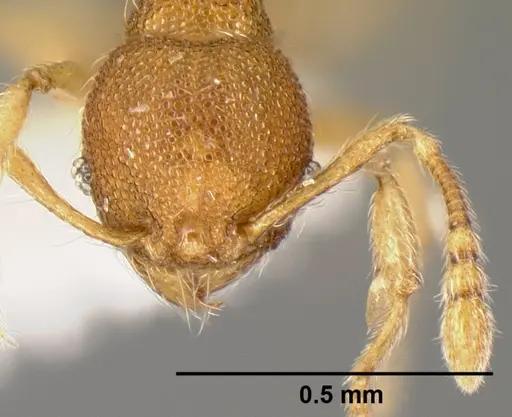
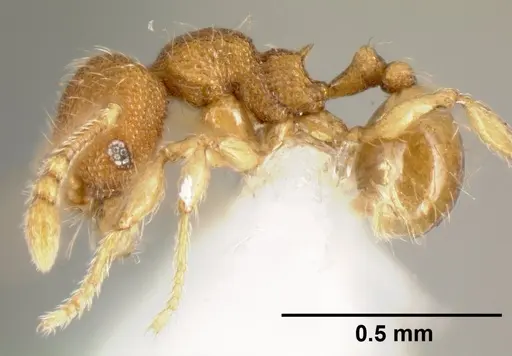
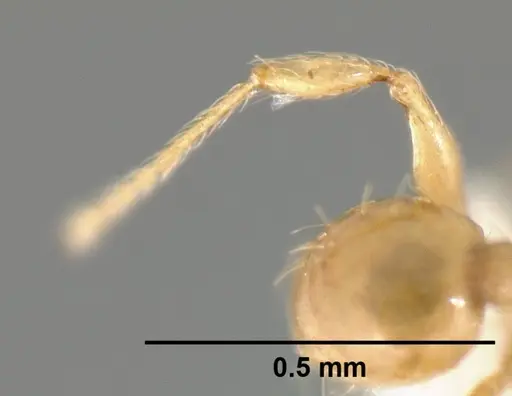
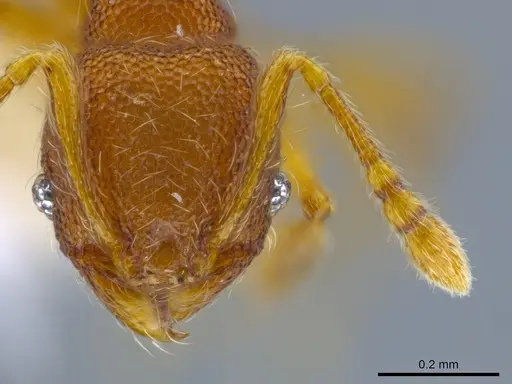
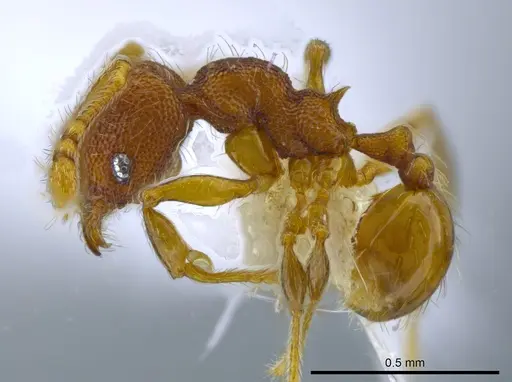
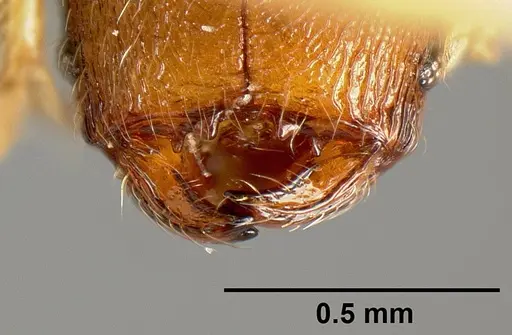
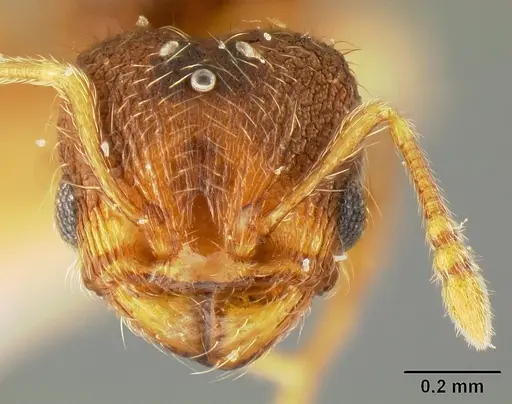
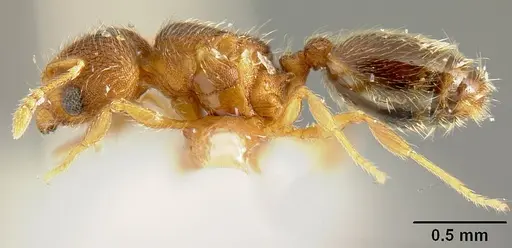
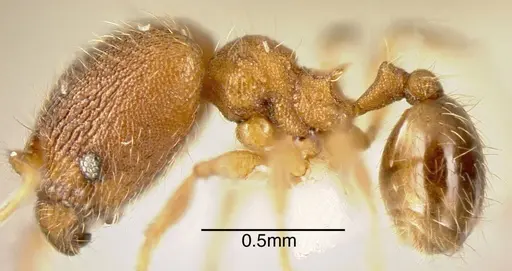
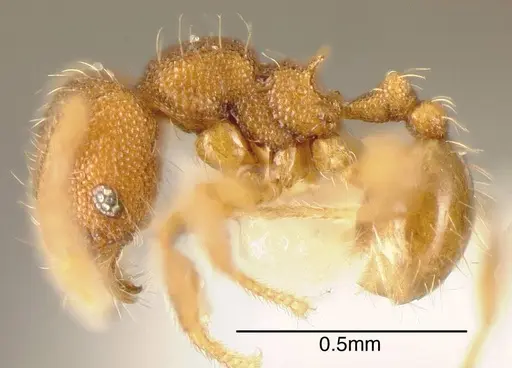
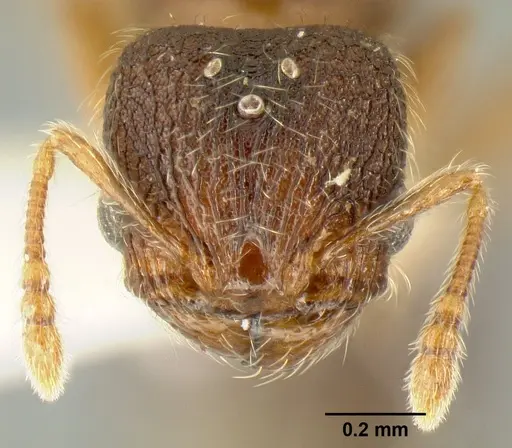
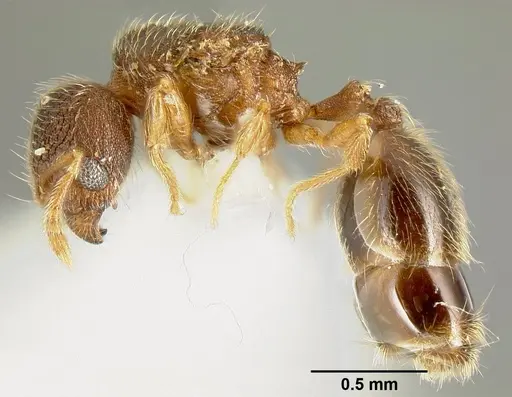
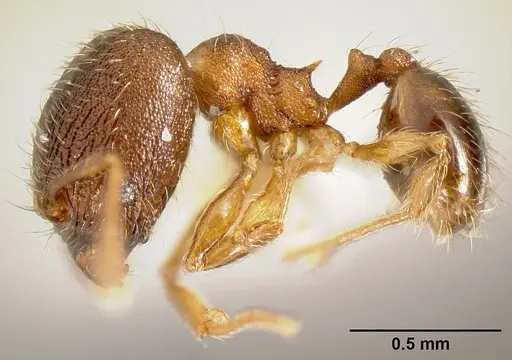
Pheidole karolmorae is a small Neotropical ant belonging to the 'big-headed ant' group, with distinct major and minor workers. Minor workers measure just 0.36-0.40mm in head width, while major workers are larger at 0.70-0.80mm [1]. The species was described in 2009 by ant taxonomist John Longino and is named after Karol Mora, who processed litter samples at La Selva Biological Station in Costa Rica [1]. The ants are uniformly orange to orange-brown in color [1]. This species is known from lowland wet forests in Costa Rica, Honduras, and Nicaragua, from sea level up to 800m elevation [2][3].
What makes this species unusual is how little we know about its basic biology. It has never been observed nesting, only minor and major workers have been collected from leaf litter samples, and a single dealate queen has been tentatively associated with workers [2]. The species appears to be strongly restricted to foraging within the leaf litter layer and has never been collected at baits, suggesting it rarely or never ventures into more open areas [2]. This makes it a true litter-dwelling ant that thrives in the humid, sheltered microhabitat of the forest floor.
Quick Summary
- Difficulty: Medium
- Origin & Habitat: Costa Rica, Honduras, and Nicaragua in lowland wet forest habitats from sea level to 800m elevation [2]. Found throughout Costa Rica, particularly common at La Selva Biological Station and Braulio Carrillo National Park [2]. The species is known exclusively from Winkler and Berlese samples of forest floor leaf litter, the actual nest site remains unknown [2].
- Colony Type: Unknown. Only a single dealate queen has been tentatively associated with workers [2]. Colony structure (single-queen vs multi-queen) has not been documented. Based on typical Pheidole patterns, likely single-queen colonies, but this is unconfirmed.
- Size & Growth:
- Queen: Unconfirmed, queen measurements not documented [2]
- Worker: Minor workers: 0.36-0.40mm head width, Major workers: 0.70-0.80mm head width [1]
- Colony: Unknown, no colony size data exists [2]
- Growth: Unknown, development has not been studied
- Development: Unknown, no direct data. Based on typical small Pheidole species, estimate 6-10 weeks at tropical temperatures (This is an estimate based on genus-level patterns, not species-specific data)
- Antkeeping:
- Temperature: Keep at 24-28°C. This species comes from lowland tropical wet forests in Costa Rica, so it needs warm, stable temperatures typical of tropical species [2]. Avoid temperatures below 20°C.
- Humidity: High humidity required, think damp forest floor. Keep the nest substrate consistently moist but not waterlogged. The forest floor litter habitat suggests they need humidity levels around 70-85%. Provide a water reservoir and mist regularly, but ensure ventilation prevents mold.
- Diapause: No, this is a tropical species from lowland Costa Rica where temperatures remain warm year-round [2]. No hibernation period is needed.
- Nesting: This is a litter-dwelling species. In captivity, they do well in naturalistic setups with plenty of damp substrate (soil/leaf litter mix) or in Y-tong/plaster nests with high humidity. They are tiny and likely nest in very small chambers within compact material. Avoid dry, airy setups.
- Behavior: Very little is known about their behavior in captivity. In the wild, they appear to be strictly litter-dwelling and foragers within the leaf litter layer, they have never been collected at baits despite extensive sampling [2]. This suggests they are cryptic and may not venture onto foraging arenas. Major workers have the typical Pheidole big heads used for seed-processing and defense. Expect them to be shy and reclusive rather than aggressive. Escape prevention is critical due to their very small size, use fine mesh barriers.
- Common Issues: escape prevention is critical, their tiny size means they can squeeze through standard barriers, humidity management is challenging, too dry causes colony decline, too wet causes mold, no known colony data makes care experimental, expect a learning curve, slow or absent foraging on open foraging arenas, they may not readily venture out to find food, wild-caught colonies may have collection-related stress and high mortality
Housing and Nest Setup
Pheidole karolmorae is a tiny, litter-dwelling ant that requires a setup mimicking the humid forest floor. A naturalistic setup with a soil/leaf litter substrate works well, use a shallow container with damp soil topped with leaf litter or moss. This provides the humid, sheltered environment they naturally inhabit. Alternatively, a Y-tong (AAC) or plaster nest with a water reservoir can work, but ensure the chambers are appropriately scaled to their tiny size. The key is maintaining high humidity without stagnation, use adequate ventilation to prevent mold while retaining moisture. Because they have never been observed nesting in the wild, you may need to experiment to find what they prefer. A dark, quiet location is best since they are cryptic by nature. [2]
Feeding and Diet
In the wild, Pheidole species typically eat seeds, small insects, and honeydew from aphids. However, P. karolmorae has never been collected at baits, suggesting it forages almost exclusively within the leaf litter layer for tiny prey [2]. In captivity, offer small protein sources like fruit flies, pinhead crickets, and other tiny insects. Sugar water or honey can be offered, but acceptance is uncertain given their cryptic foraging behavior. Feed small amounts of protein 2-3 times per week and keep a sugar source available. Because they are so small and reclusive, you may not see them forage openly, place food directly on the substrate if using a naturalistic setup.
Temperature and Humidity
As a lowland tropical species from Costa Rica, Pheidole karolmorae needs warm, humid conditions. Keep temperatures in the range of 24-28°C. A heating cable on one side of the nest can create a gradient if your room temperature is below this range. Humidity should be high, aim for 70-85% relative humidity. The forest floor litter habitat they occupy is consistently damp. Use a water reservoir in your nest setup and mist occasionally, but ensure ventilation prevents stagnant air and mold growth. Avoid temperatures below 20°C, as this species has no cold tolerance and no diapause requirement. [2]
Behavior and Temperament
This is one of the most poorly known Pheidole species in terms of behavior. In the wild, it has never been collected at baits despite extensive sampling at La Selva, suggesting it is strongly restricted to foraging within and under leaf litter [2]. Expect them to be cryptic and reclusive rather than bold foragers. Major workers have the characteristic Pheidole big heads used for defense and seed processing. They are unlikely to be aggressive toward keepers. The main challenge is their tiny size, escape prevention must be excellent, as they can squeeze through the smallest gaps. Use fine mesh (0.5mm or smaller) on any ventilation holes.
Acquiring a Colony
This species is not commonly kept and may be difficult to acquire. It has never been collected at baits and is only found through intensive litter sampling [2]. If available, it would likely come from specialized ant dealers who collect in Costa Rica. Expect to pay a premium for this uncommon species. Alternatively, you could attempt to find them yourself in Costa Rica using Winkler extraction of leaf litter, but this requires permits and expertise. Given how little is known about their care, starting with a colony from a knowledgeable keeper who has successfully kept this species is ideal.
Frequently Asked Questions
How long does it take for Pheidole karolmorae to produce first workers?
This is unknown, the species has never been studied in captivity and no development data exists. Based on typical small Pheidole species, expect 6-10 weeks from egg to worker at tropical temperatures (24-28°C). This is an estimate, not a confirmed timeline.
Can I keep multiple queens together?
We don't know. Colony structure has never been documented for this species, and only a single queen has been tentatively associated with workers in the wild. Pheidole species are typically single-queen (monogyne), but some are multi-queen. Without data, combining unrelated queens is not recommended.
What size colony does Pheidole karolmorae reach?
Unknown, no colony size data exists. Most Pheidole colonies reach hundreds to a few thousand workers. Given their tiny worker size and cryptic habits, expect a relatively small colony compared to larger Pheidole species.
Are Pheidole karolmorae good for beginners?
No, this is not a recommended species for beginners. Almost nothing is known about their care in captivity, they are extremely small (escape risk is high), and they require specific high-humidity litter-dwelling conditions that are challenging to maintain. More common Pheidole species like P. megacephala or P. pallidula are better choices for beginners.
What do I feed Pheidole karolmorae?
Based on typical Pheidole diet, offer small insects (fruit flies, pinhead crickets, small mealworms) as protein sources 2-3 times per week. A sugar source like honey water or sugar water can be offered, though acceptance is uncertain given their cryptic foraging habits. Place food directly on the substrate rather than expecting them to forage openly.
Do Pheidole karolmorae need hibernation?
No. This is a tropical lowland species from Costa Rica where temperatures remain warm year-round [2]. They have no diapause requirement and should be kept warm (24-28°C) year-round.
Why can't I find this ant at pet stores?
Pheidole karolmorae is a rarely kept species known only from scientific litter samples in Costa Rica, Honduras, and Nicaragua. It has never been collected at baits and is extremely cryptic [2]. You would need to find a specialized ant dealer who deals with rare Neotropical species, or collect them yourself in the wild (with proper permits).
When will my colony start foraging openly?
Unknown, in the wild, this species has never been collected at baits and appears to forage strictly within leaf litter [2]. They may never venture onto open foraging arenas. Don't be surprised if they remain cryptic and reclusive.
References

This caresheet is licensed under CC BY-SA 4.0 .
CASENT0608995
View on AntWeb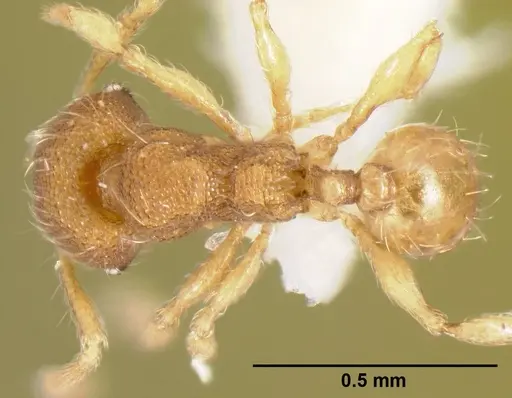
CASENT0646316
View on AntWeb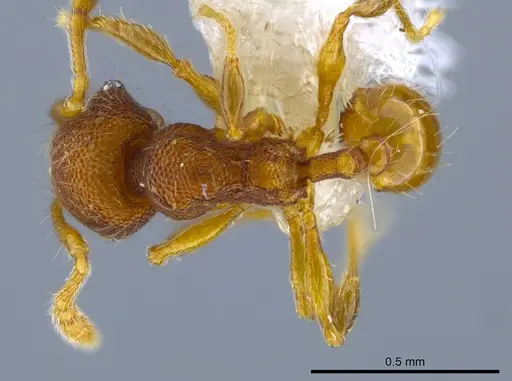
INBIOCRI001218186
View on AntWeb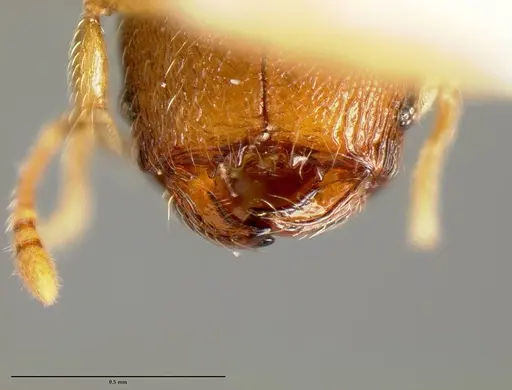
INBIOCRI001218191
View on AntWeb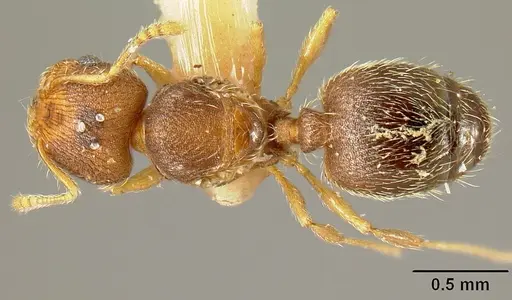
INBIOCRI001282107
View on AntWeb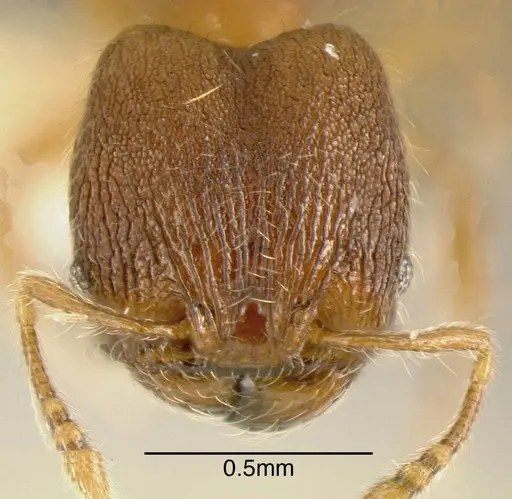
INBIOCRI001282156
View on AntWeb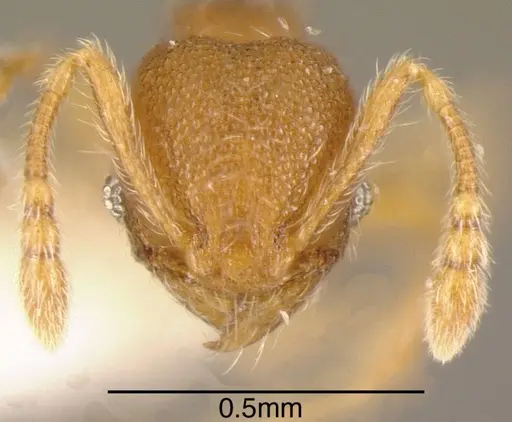
INBIOCRI002279840
View on AntWeb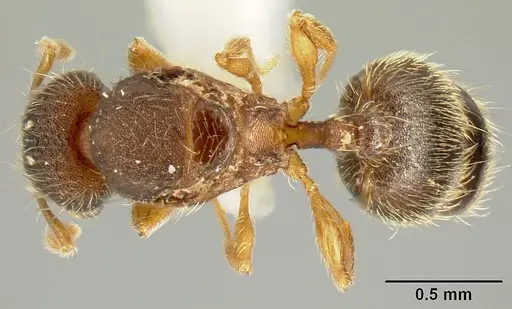
INBIOCRI002279841
View on AntWeb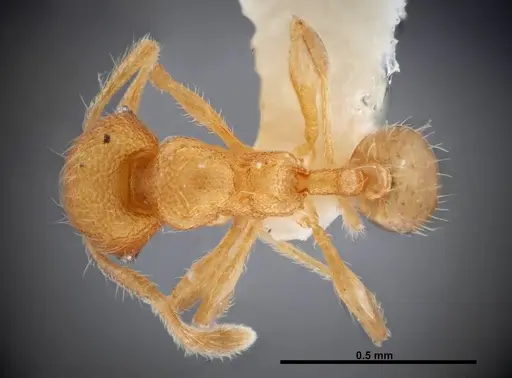
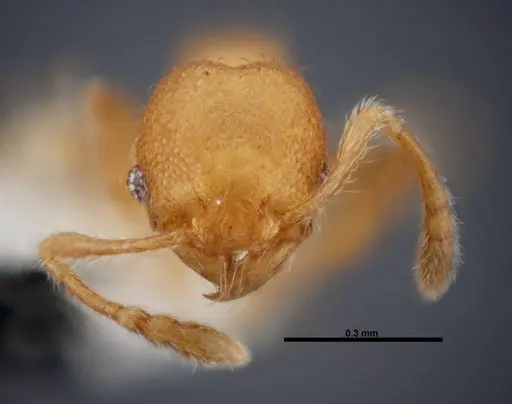
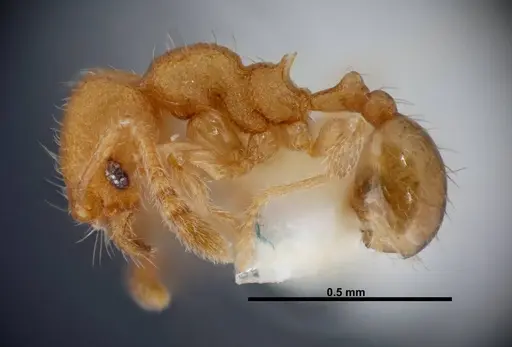
INBIOCRI002279843
View on AntWeb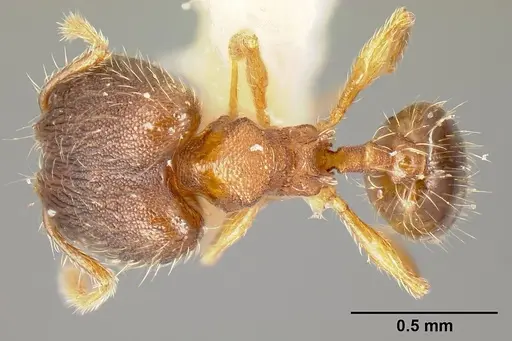
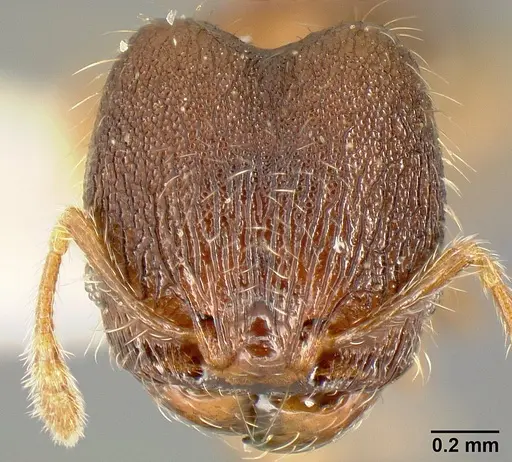
Literature
Loading...Loading products...