

Pheidole juniperae
- Scientific Name
- Pheidole juniperae
- Tribe
- Attini
- Subfamily
- Myrmicinae
- Author
- Wilson, 2003
- Distribution
- Found in 1 countries
Pheidole juniperae Overview
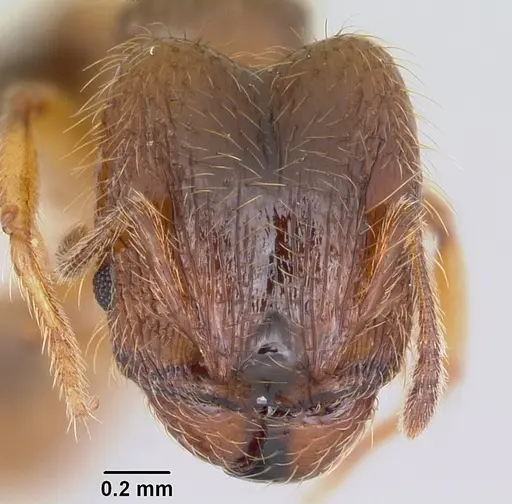
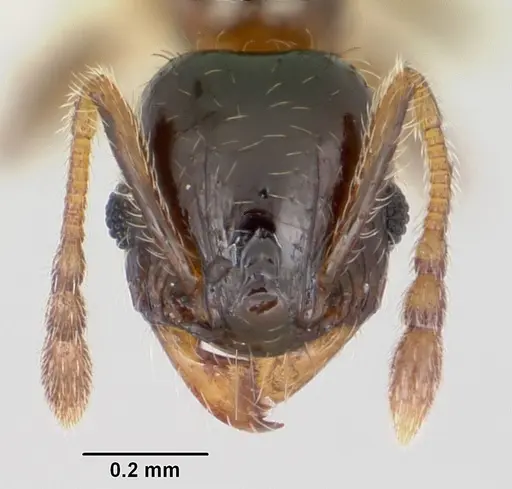
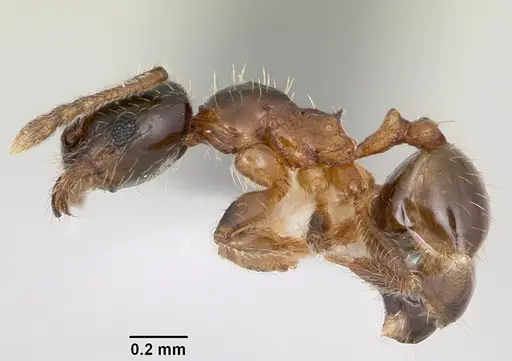
Pheidole juniperae is an ant species of the genus Pheidole. It is primarily documented in 1 countries , including United States of America. Detailed taxonomic data and occurrence records can be further explored via authoritative databases such as AntWeb or the Global Biodiversity Information Facility (GBIF).
Pheidole juniperae
Pheidole juniperae is a small ant species belonging to the genus Pheidole, known for their distinctive dimorphic workers, majors have notably large heads compared to minors. Workers are small, typically 2-4mm, with the genus characterized by their two worker castes. The species name 'juniperae' suggests association with juniper habitats, likely nesting in areas where juniper plants grow. Pheidole ants are found across various regions and are known for their granivorous diet, though they also readily consume protein sources like insects.
Quick Summary
- Difficulty: Easy
- Origin & Habitat: North American species typically found in juniper habitats, dry to moderately moist areas with access to seeds and small insects [1]
- Colony Type: Likely monogyne (single queen) based on typical Pheidole patterns. Colony structure in the wild has not been specifically documented for this species.
- Colony: Monogyne
- Founding: Claustral
- Size & Growth:
- Queen: Estimated 6-8mm based on genus typical sizes
- Worker: 2-4mm (minors 2-3mm, majors 3-4mm)
- Colony: Likely reaches several thousand workers based on genus patterns
- Growth: Moderate, typical for Pheidole species
- Development: Estimated 6-8 weeks at optimal temperature based on related species (Development time is inferred from typical Pheidole genus patterns, species-specific data not available)
- Antkeeping:
- Temperature: Keep at room temperature (20-24°C). They tolerate a range from 18-28°C. Provide a gentle heat gradient if possible.
- Humidity: Moderate humidity (50-70%). They prefer drier conditions than many ants, avoid constant dampness.
- Diapause: Likely requires winter rest period (diapause) of 2-3 months at cooler temperatures (10-15°C), typical for North American temperate species
- Nesting: Will readily nest in test tubes, Y-tong nests, or plaster formicaria. They prefer tight, snug chambers. Provide a dry nest area with access to a humid outworld.
- Behavior: Generally peaceful and non-aggressive. They are not known to sting and pose no danger to keepers. Foraging activity is moderate, they actively search for seeds and protein. Escape risk is moderate due to their small size, standard barriers work well but ensure lids are secure. Majors can be observed seed-cracking and carrying larger items.
- Common Issues: colonies may stagnate if overfed, offer food sparingly, test tube setups can dry out quickly in warm rooms, monitor moisture, slow initial growth during founding phase is normal, don't disturb, wild-caught colonies may contain parasites, quarantine and observe new colonies
Housing and Nest Setup
Pheidole juniperae adapts well to various captive setups. Test tube setups work excellently for founding colonies, use a water reservoir tube connected to a foraging area. For established colonies, Y-tong (acrylic) nests or plaster formicaria are ideal. They prefer snug chambers over open spaces. Provide a dry nest area with moderate humidity, connected to an outworld where they can forage. Ensure the outworld has a secure lid, while not strong climbers, their small size allows them to squeeze through tiny gaps. A layer of substrate in the outworld is optional but helps them feel more natural.
Feeding and Diet
As typical for Pheidole, this species is granivorous, they readily collect and crack seeds. Offer a variety of seeds like grass seeds, millet, or commercial ant diet containing seeds. They also need protein, small insects like fruit flies, pinhead crickets, or mealworm pieces are excellent. Offer protein 2-3 times per week. Sugar sources like honey water or sugar water are also accepted. Remove uneaten food after 24-48 hours to prevent mold. A varied diet leads to better colony growth and larger brood.
Temperature and Seasonal Care
Room temperature (20-24°C) suits this species well. They can tolerate temperatures from 18°C to 28°C, but growth is optimal in the mid-20s. A heat cable or heating mat on one side of the nest creates a temperature gradient they can choose between. During winter, expect reduced activity, they benefit from a cool period around 10-15°C for 2-3 months. This diapause mimics natural seasonal cycles and helps maintain colony health. Reduce feeding during the cool period and avoid disturbing the colony.
Behavior and Colony Dynamics
Pheidole juniperae displays typical Pheidole colony structure with major and minor workers. Majors have enlarged heads for seed-cracking and defense, while minors handle most foraging and brood care. Colonies are peaceful and rarely aggressive toward keepers. They are diurnal foragers, actively searching during daylight hours. Major workers can be observed cracking seeds and carrying larger prey items. The colony will grow steadily over several years, with population increasing from dozens to hundreds to eventually thousands of workers.
Frequently Asked Questions
Can I keep Pheidole juniperae in a test tube?
Yes, test tubes work excellently for founding colonies. Use a standard test tube setup with a water reservoir. Keep the tube horizontal in a dark area and avoid vibrations during the founding stage. Once the colony reaches 50+ workers, consider moving to a larger setup.
How long until first workers appear?
Expect first workers (nanitics) in approximately 6-8 weeks after the queen lays eggs, at optimal room temperature. The exact timing depends on temperature, warmer conditions slightly speed development, while cooler temperatures slow it down.
What do Pheidole juniperae eat?
They are granivorous primarily, offer various seeds like grass, millet, or commercial seed mixes. They also need protein from small insects like fruit flies, pinhead crickets, or mealworms. Occasional sugar water or honey is also accepted.
Are Pheidole juniperae good for beginners?
Yes, they are considered easy to keep. They are forgiving of minor temperature and humidity fluctuations, don't require specialized equipment, and are peaceful to handle. Their moderate growth rate provides satisfying progression without requiring expert care.
When should I move my colony to a formicarium?
Move to a larger setup when the test tube becomes crowded (50+ workers) or the water reservoir runs low frequently. A Y-tong or plaster nest works well. They prefer tight chambers, so avoid unnecessarily large spaces.
Do Pheidole juniperae need hibernation?
Yes, they benefit from a winter rest period. Reduce temperature to around 10-15°C for 2-3 months during winter. This diapause period mimics their natural seasonal cycle and supports long-term colony health.
How big do Pheidole juniperae colonies get?
Based on typical Pheidole patterns, colonies can reach several thousand workers over several years. Major colonies will have numerous majors alongside thousands of minor workers.
Why are my Pheidole juniperae dying?
Common causes include: overfeeding leading to mold, test tube drying out, disturbing the queen during founding, or keeping them too cold. Ensure proper moisture levels, remove uneaten food promptly, and avoid disturbing founding colonies.
Can I keep multiple queens together?
Pheidole species are typically monogyne (single queen). Combining unrelated queens is not recommended as they likely will fight. Only keep one queen per colony unless you have specific documentation suggesting otherwise.
What temperature is ideal for Pheidole juniperae?
Aim for 20-24°C. They tolerate 18-28°C but grow best in the mid-20s. A gentle temperature gradient allows the colony to choose their preferred spot.
How often should I feed Pheidole juniperae?
Offer seeds constantly, they store them in the nest. Protein (insects) should be offered 2-3 times per week. Remove uneaten prey after 24-48 hours. Sugar water can be offered weekly or kept available in a feeder.
References

This caresheet is licensed under CC BY-SA 4.0 .
CASENT0104741
View on AntWeb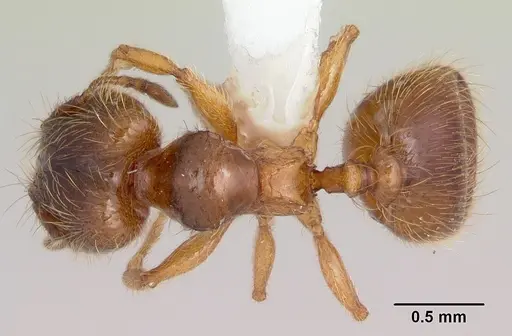
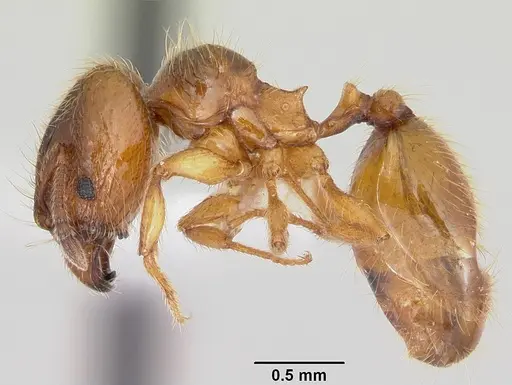
CASENT0104745
View on AntWeb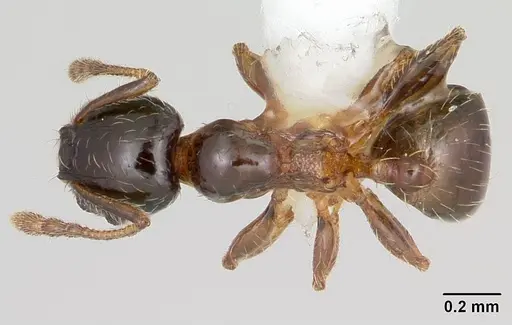
Literature
Loading...Loading products...