

Pheidole jelskii
- Scientific Name
- Pheidole jelskii
- Tribe
- Attini
- Subfamily
- Myrmicinae
- Author
- Mayr, 1884
- Distribution
- Found in 19 countries
Pheidole jelskii Overview
Pheidole jelskii is an ant species of the genus Pheidole. It is primarily documented in 19 countries , including Antigua and Barbuda, Barbados, Colombia. Detailed taxonomic data and occurrence records can be further explored via authoritative databases such as AntWeb or the Global Biodiversity Information Facility (GBIF).
Pheidole jelskii
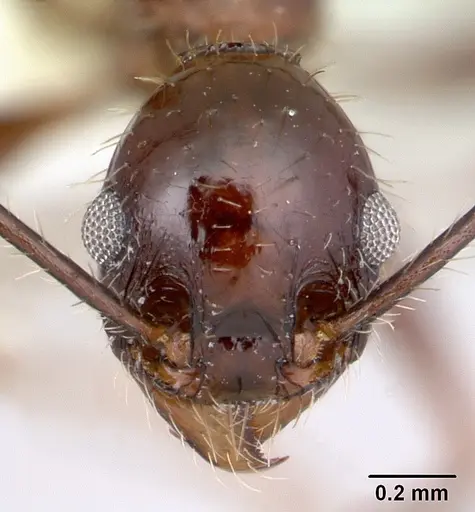
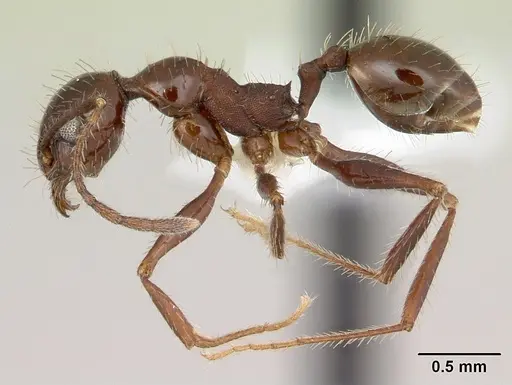
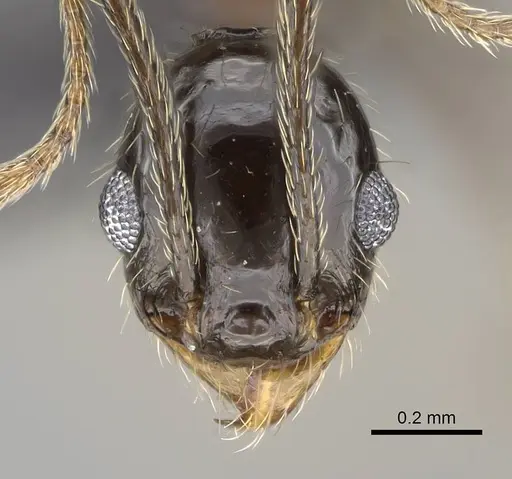
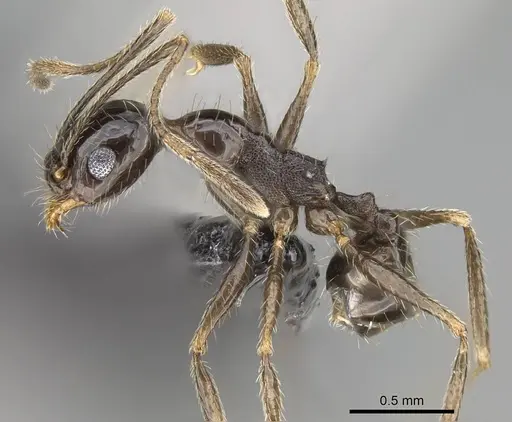
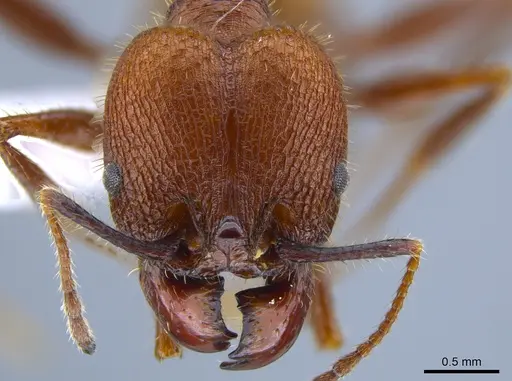
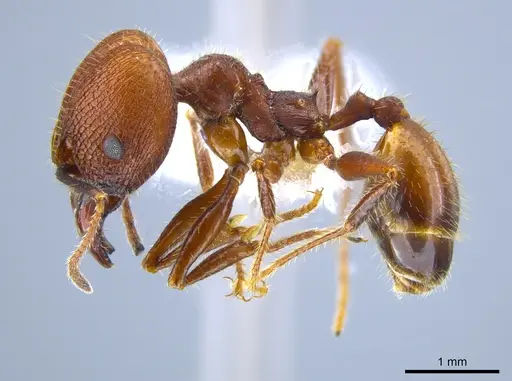
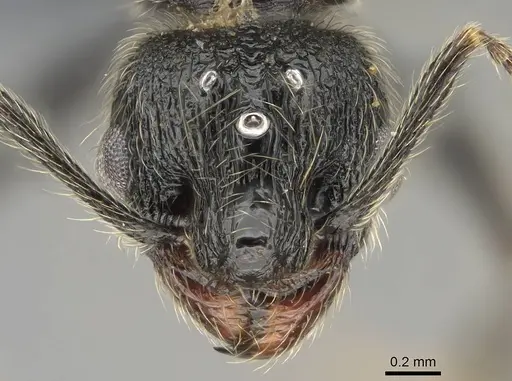
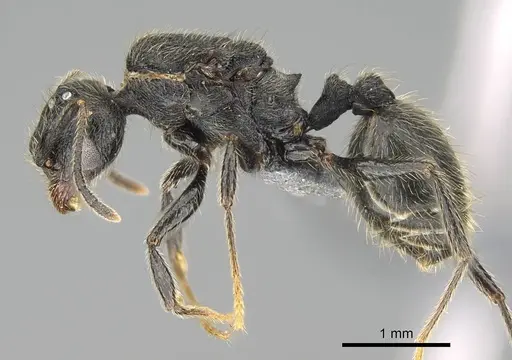
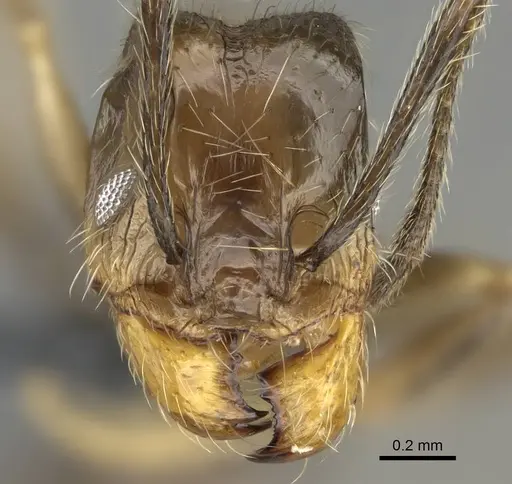
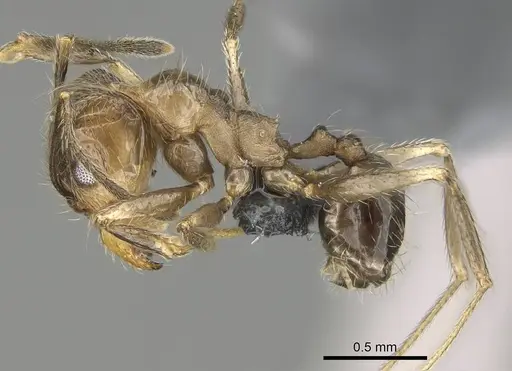
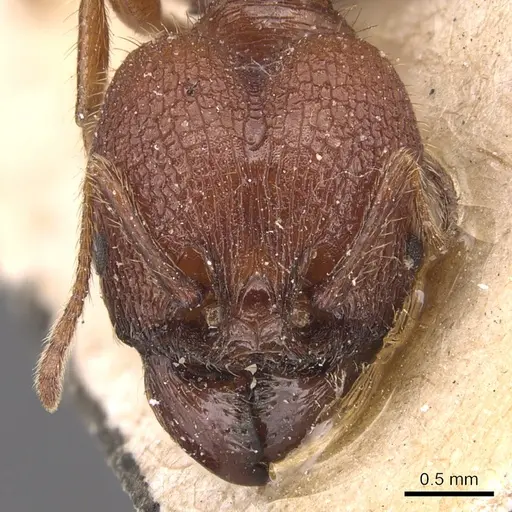
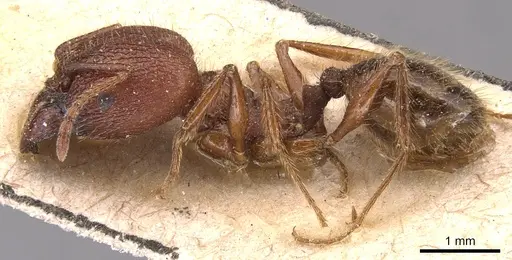
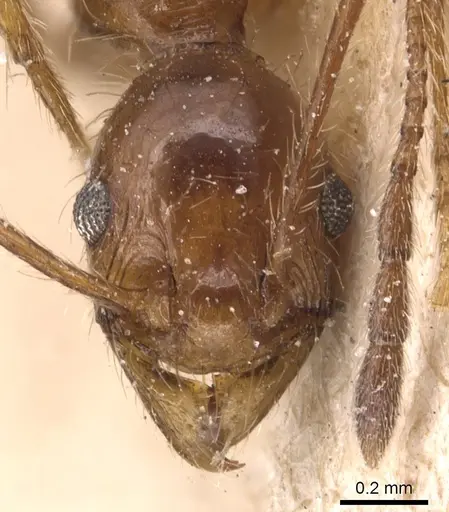
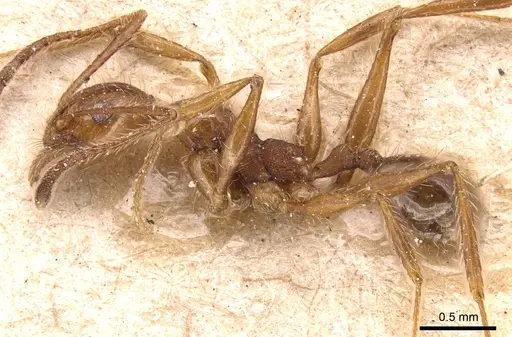
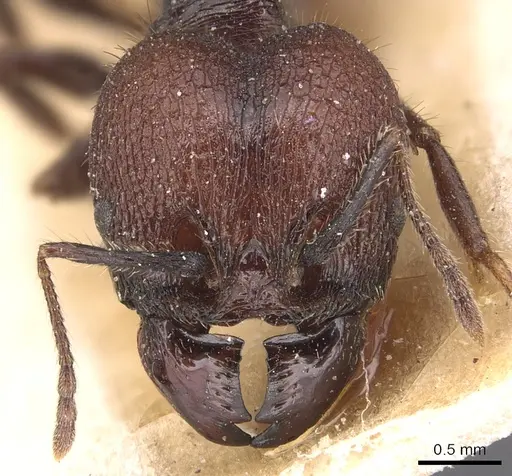
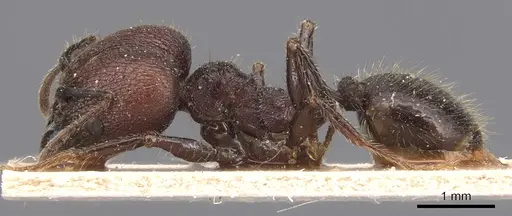
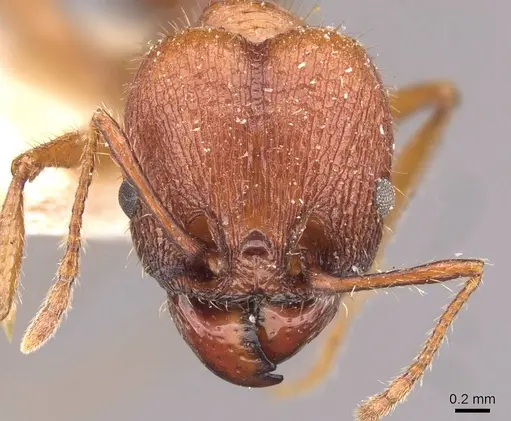
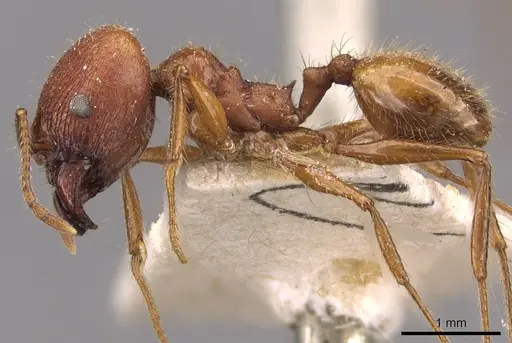
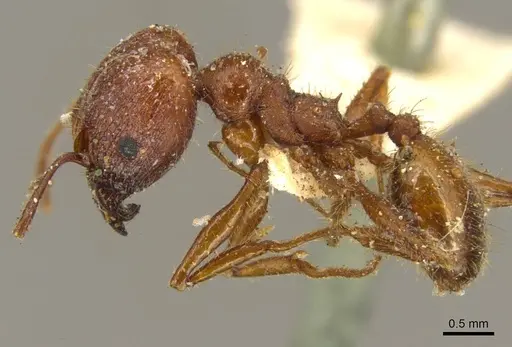
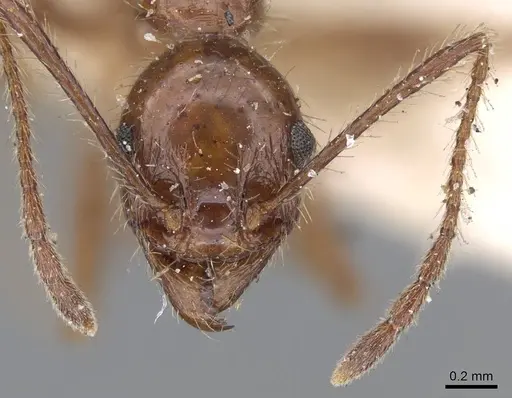
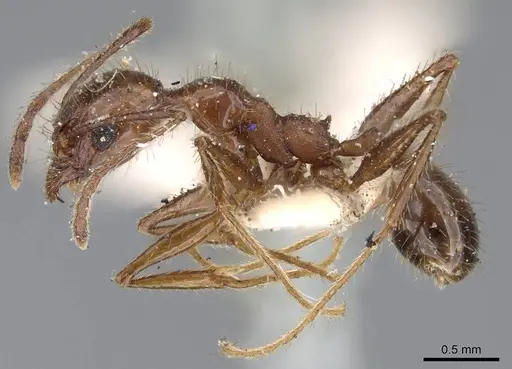
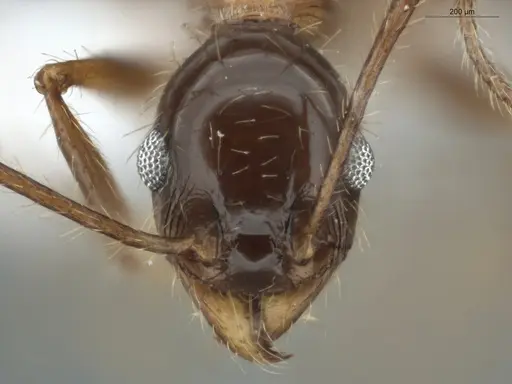
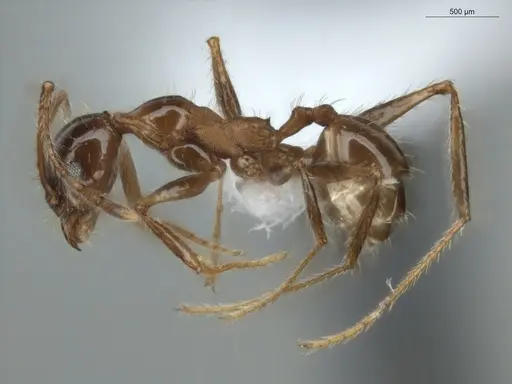
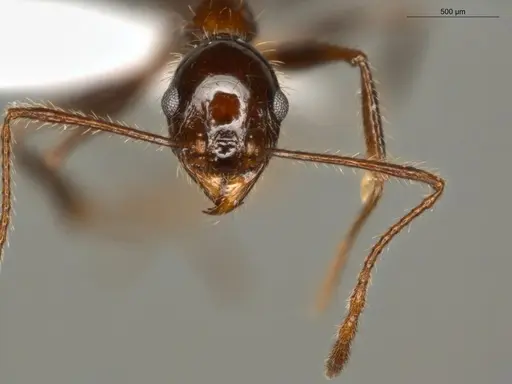
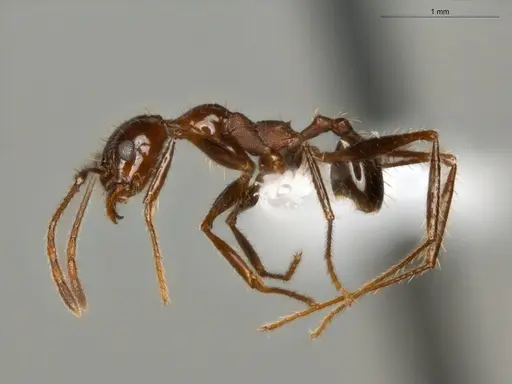
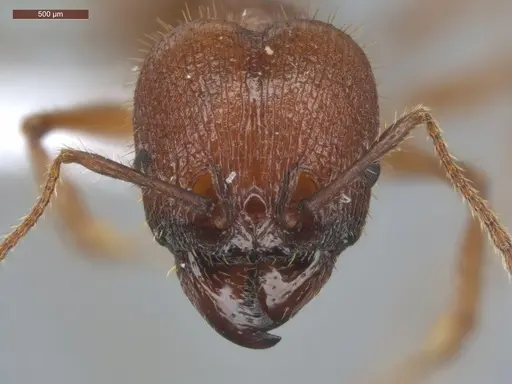
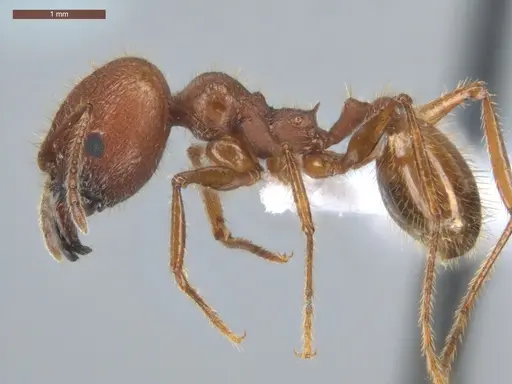
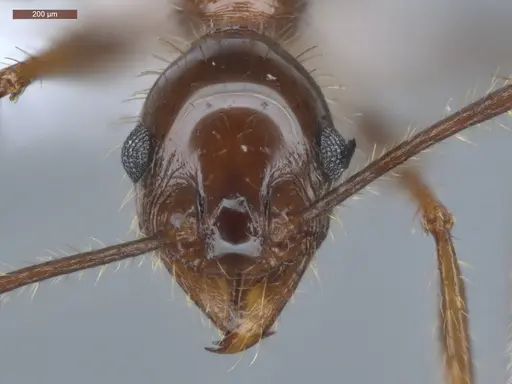
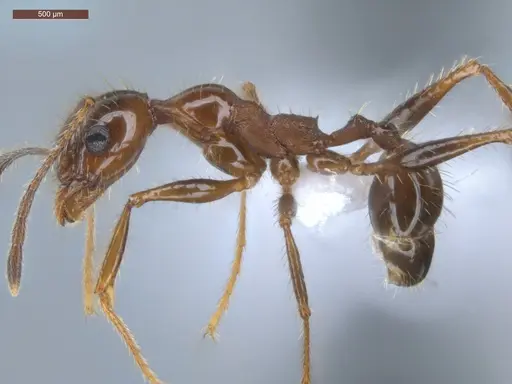
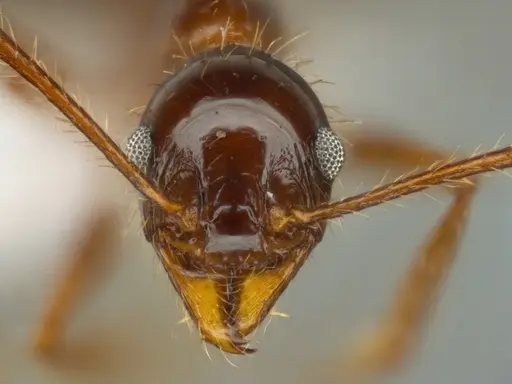
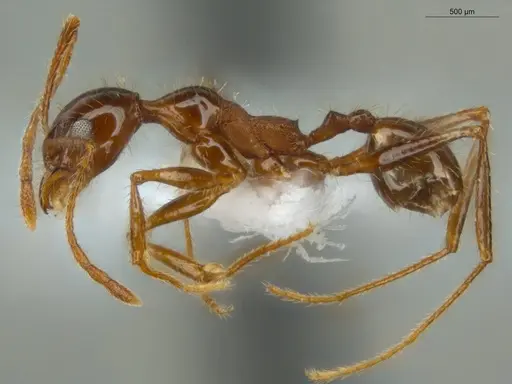
Pheidole jelskiii is a large, aggressive ant species belonging to the fallax group. Majors measure around 1.48mm head width with a medium reddish-brown body, while minors are smaller at 0.56mm and appear dark brown to almost black. This species builds conspicuous crater nests with slit-shaped entrances in bare soil, thriving in open, sunny areas. Colonies grow massive, reaching hundreds to thousands of workers. They are excellent foragers, with minors traveling up to 10 meters to find food and efficiently recruiting nestmates through odor trails. When disturbed, majors release a strong, foul-smelling odor possibly from skatole. Native throughout the West Indies and South America, from the Caribbean down to Argentina, this species is incredibly adaptable and thrives in disturbed habitats like fields, pastures, and roadsides [1][2].
Quick Summary
- Difficulty: Medium
- Origin & Habitat: Native to the West Indies and South America (Bahamas, Dominican Republic, Haiti, Puerto Rico, Trinidad, Grenada, Brazil, Paraguay, Argentina). Found from sea level to 2,000m elevation in disturbed open areas like cultivated fields, pastures, roadsides, beaches, and river banks [1][3].
- Colony Type: Likely single-queen colonies (monogyne) based on typical Pheidole genus patterns. Colonies reach hundreds to thousands of workers with distinct major and minor castes [1].
- Colony: Monogyne
- Founding: Claustral
- Size & Growth:
- Queen: Approximately 6-8mm (estimated from genus patterns)
- Worker: Minors: 0.56mm head width, Majors: 1.48mm head width [3]
- Colony: Hundreds to thousands of workers [1]
- Growth: Moderate to fast, large colony development over time
- Development: 6-8 weeks (estimated based on typical Pheidole development) (Development time is typical for tropical Pheidole species at warm temperatures)
- Antkeeping:
- Temperature: Keep at 24-28°C. This is a tropical species found in warm lowland areas, so maintain warm conditions year-round. A heating cable on one side of the nest creates a suitable gradient [1].
- Humidity: Moderate humidity around 50-70%. These ants prefer drier, well-drained soil in open areas rather than constantly moist conditions. Allow the nest substrate to dry out partially between waterings [1].
- Diapause: No, as a tropical species, they do not require hibernation. Activity may slow slightly during cooler months but no true diapause is needed [1].
- Nesting: Naturalistic dirt nests work best. In the wild they build crater mounds in bare soil, so provide a soil-based formicarium or a dirt setup with good drainage. Test tubes work for founding but transfer to a larger dirt setup once the colony reaches 30-50 workers [1].
- Behavior: These ants are active and efficient foragers. Minors forage singly over long distances while majors stay near the nest but respond to recruitment trails. They are not particularly aggressive toward humans but will vigorously defend the nest. The major workers have a defensive odor they release when threatened, this is a chemical defense, not a sting. Escape prevention is important as minors are small and can slip through gaps. They readily accept both protein (insects) and sugar sources [1][2].
- Common Issues: colonies can reach hundreds to thousands of workers, requiring increasingly large setups, minors are small and can escape through standard test tube barriers, use fine mesh and tight-fitting lids, the fetid odor from majors can be unpleasant when disturbing the nest, large colonies need significant space for foraging trails, cramped setups lead to stress, wild-caught colonies may carry parasites that can devastate captive colonies
Nest Preferences and Setup
Pheidole jelskiii naturally nests in bare soil, constructing distinctive crater mounds with slit-shaped entrances in open, sunny locations. They thrive in disturbed habitats like fields, pastures, and roadsides with good drainage. For captivity, a naturalistic setup with a soil-based substrate works best, mix sandy soil with some clay for structure and provide a water reservoir connected to the nest area. Avoid constantly saturated conditions, these ants prefer substrate that dries partially between waterings. For founding colonies, a test tube setup works initially, but transfer to a dirt formicarium once the colony reaches 30-50 workers. The nest should have chambers deep enough for the queen and brood, with access to both moist and slightly drier areas [1][2].
Feeding and Diet
This species is carnivorous, actively hunting and recruiting to dead insects. In the wild, minors forage up to 10 meters to find protein sources and efficiently lay odor trails to recruit both minors and majors to the food source. They also readily accept sugar baits, honey, sugar water, and similar carbohydrate sources are enthusiastically received. Feed protein (small crickets, mealworms, dead insects) 2-3 times per week, and provide a constant sugar source. Remove uneaten protein after 24-48 hours to prevent mold. The recruitment system is impressive to watch: a single minor discovers food, lays a chemical trail, and within minutes dozens of workers arrive to haul the prize back to the nest [1][2].
Temperature and Seasonal Care
As a tropical species found throughout the Caribbean and South America, Pheidole jelskiii requires warm conditions. Keep the nest area at 24-28°C year-round. A small heating cable placed on one side of the nest creates a temperature gradient that allows the ants to regulate their own exposure. They are found from sea level to 2,000m elevation, showing adaptability, but consistently warm temperatures support the fastest growth and brood development. No hibernation or diapause is required, these ants remain active throughout the year in captivity. If room temperature falls below 22°C, consider adding supplemental heating. Cooler temperatures will slow development and reduce activity [1].
Behavior and Defense
Pheidole jelskiii exhibits fascinating recruitment behavior. Minor workers forage singly over distances up to 10 meters, laying chemical odor trails over loose soil to recruit nestmates. When a food source is discovered, both minors and majors respond to the trail, minors typically handle the food retrieval while majors may serve as defenders. The most notable defensive trait is the fetid odor released by major workers when the colony is disturbed. This smell, possibly from skatole compounds, is quite strong and serves as an effective deterrent. These ants are not aggressive toward keepers but will vigorously defend their nest. When working with the colony, expect the majors to deploy their chemical defense. The minors are small (around 0.56mm) and excellent at finding gaps in equipment, use fine mesh and check all connections regularly [1][2].
Colony Growth and Development
Mature colonies reach impressive sizes with worker populations numbering in the hundreds or even thousands. The species has distinct minor and major castes, minors handle most foraging and brood care while majors serve primarily in defense and food processing. Growth is moderate to fast at warm temperatures, with the first workers (nanitics) typically appearing within 6-8 weeks under optimal conditions. The colony will expand rapidly once the first workers emerge, as the queen shifts from personal energy reserves to colony-based feeding. Expect significant growth in the first year, with colonies potentially reaching 100-200 workers. Full maturity, with hundreds or thousands of workers, takes 2-3 years under good conditions. The large colony size means you will eventually need a spacious setup to accommodate their foraging trails and brood chambers [1].
Common Keeping Problems
Several issues commonly affect Pheidole jelskiii colonies in captivity. First, escape prevention is critical, minors are tiny and can squeeze through standard test tube barriers. Use fine mesh (at least 0.5mm) and check all connections regularly. Second, large colonies need significant space, cramped setups cause stress and can lead to colony decline. Plan for eventual colony size when selecting housing. Third, the fetid odor from majors can be off-putting when you need to access the nest, work in a well-ventilated area and expect the smell. Fourth, wild-caught colonies often harbor parasites (mites, nematodes) that can decimate captive colonies, quarantine and observe new colonies before introducing them to established setups. Finally, overfeeding leads to mold problems in the nest, remove uneaten food promptly and maintain proper substrate moisture levels [1][2].
Frequently Asked Questions
How long does it take for Pheidole jelskii to produce first workers?
Expect first workers (nanitics) within 6-8 weeks under optimal conditions (24-28°C). Development is typical for tropical Pheidole species at warm temperatures.
What do Pheidole jelskii ants eat?
They are carnivorous and readily accept dead insects (crickets, mealworms, fruit flies). They also enthusiastically take sugar sources like honey and sugar water. Feed protein 2-3 times per week with constant sugar available.
Are Pheidole jelskii good for beginners?
They are rated as medium difficulty. They are hardy and adaptable, but their large colony size, escape-prone minors, and need for warm temperatures make them better suited for keepers who already have some experience with ant keeping.
What temperature do Pheidole jelskii need?
Keep them at 24-28°C year-round. This tropical species requires warm conditions, a heating cable on one side of the nest creates a suitable gradient.
Do Pheidole jelskii need hibernation?
No. As a tropical species from the Caribbean and South America, they do not require hibernation or diapause. They remain active year-round with consistent warmth.
How big do Pheidole jelskii colonies get?
Mature colonies reach hundreds to thousands of workers. This is a large Pheidole species that needs significant space as the colony grows.
What type of nest is best for Pheidole jelskii?
A naturalistic dirt setup works best since they naturally nest in bare soil and build crater mounds. Test tubes work for founding but transfer to a soil-based formicarium once the colony reaches 30-50 workers.
Why do my Pheidole jelskii smell bad?
This is normal behavior. Major workers release a strong fetid odor (possibly from skatole compounds) when the colony feels threatened. It is a defensive chemical response, not a sign of poor care.
Can I keep multiple Pheidole jelskii queens together?
Not recommended. This species is likely monogyne (single queen) based on typical Pheidole patterns. Combining unrelated foundresses has not been documented and queens will likely fight.
Why are my Pheidole jelskii escaping?
Minors are very small (around 0.56mm) and excellent at finding gaps. Use fine mesh barriers (at least 0.5mm), check all connections regularly, and ensure lids fit tightly.
When should I move my Pheidole jelskii to a formicarium?
Move from the test tube setup to a larger dirt-based formicarium once the colony reaches 30-50 workers. They need space for their crater-style nesting and foraging trails.
References

This caresheet is licensed under CC BY-SA 4.0 .
CASENT0178031
View on AntWeb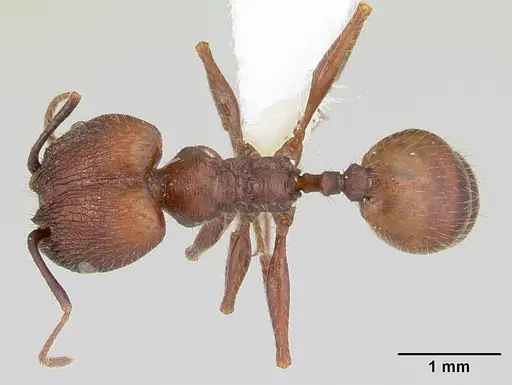
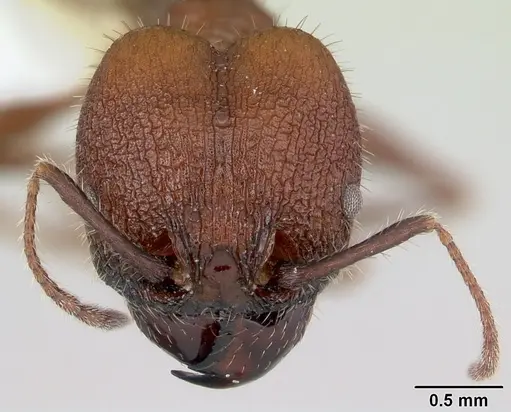
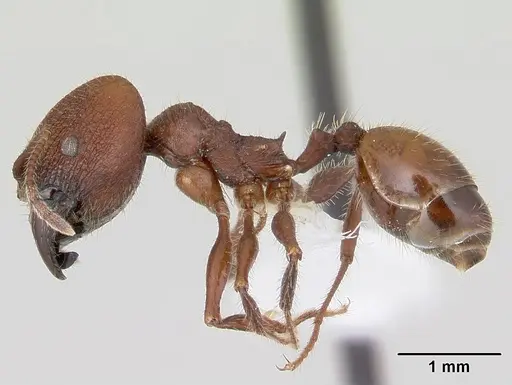
CASENT0178032
View on AntWeb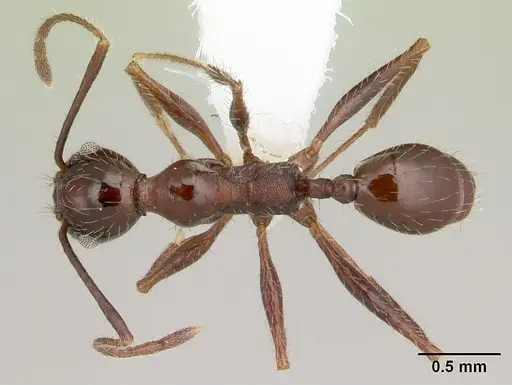
CASENT0318506
View on AntWeb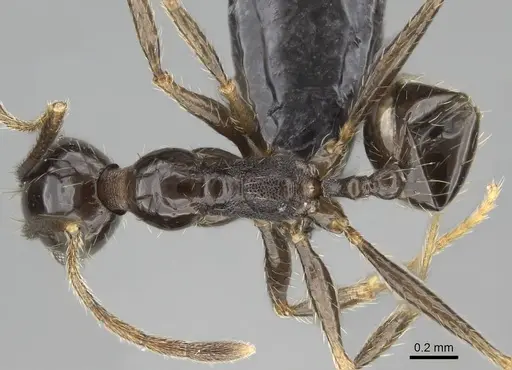
CASENT0650624
View on AntWeb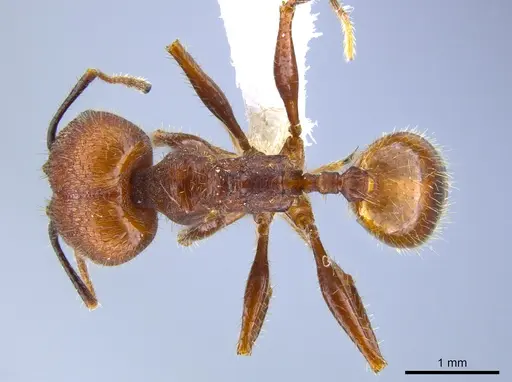
CASENT0729759
View on AntWeb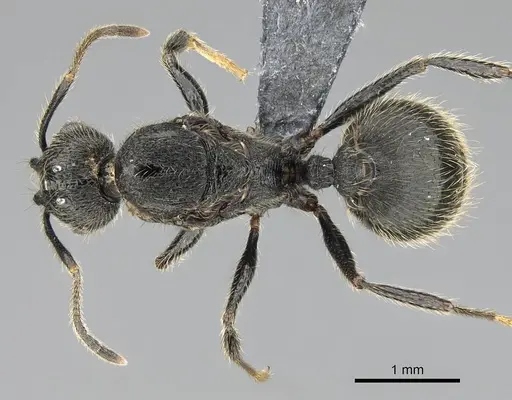
CASENT0729760
View on AntWeb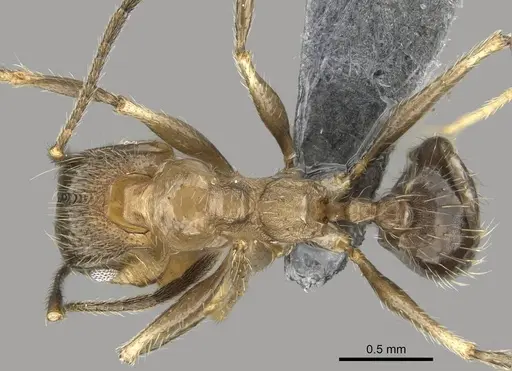
CASENT0904363
View on AntWeb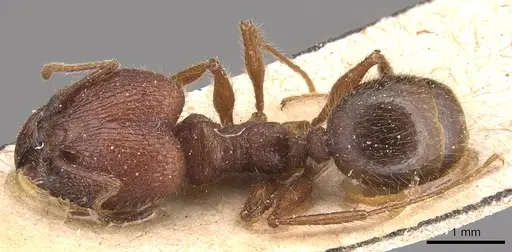
CASENT0904364
View on AntWeb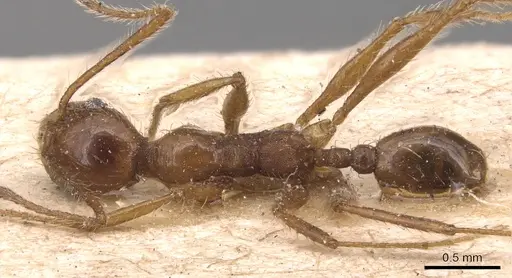
CASENT0904365
View on AntWeb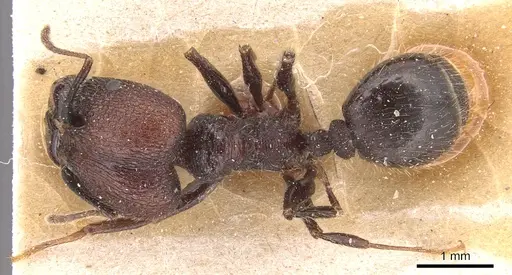
CASENT0904366
View on AntWeb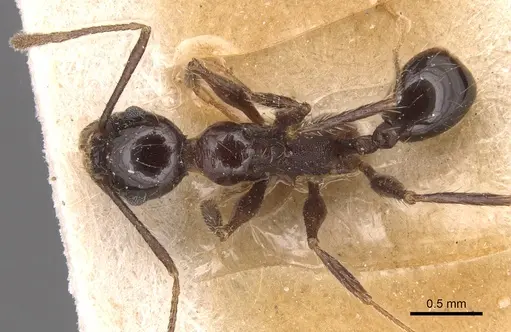
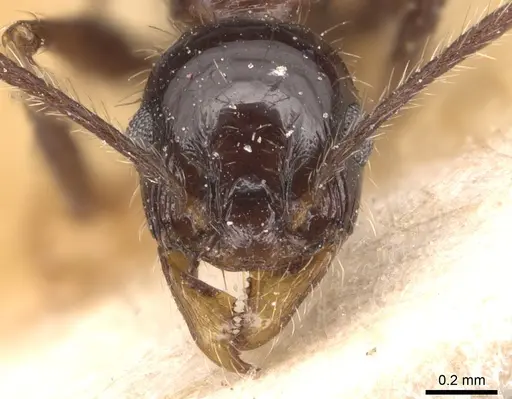
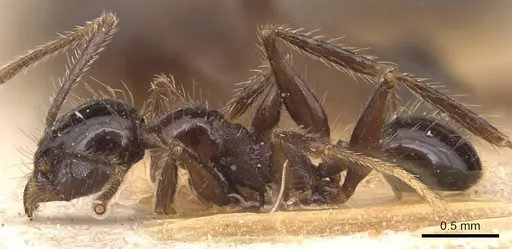
CASENT0908134
View on AntWeb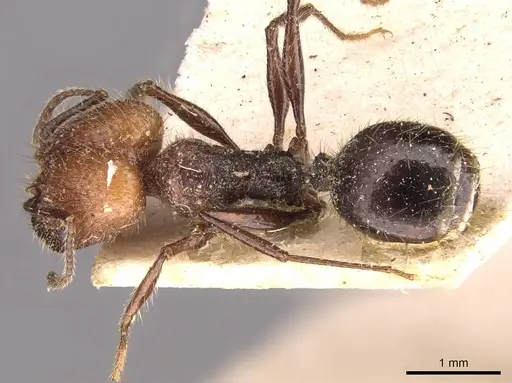
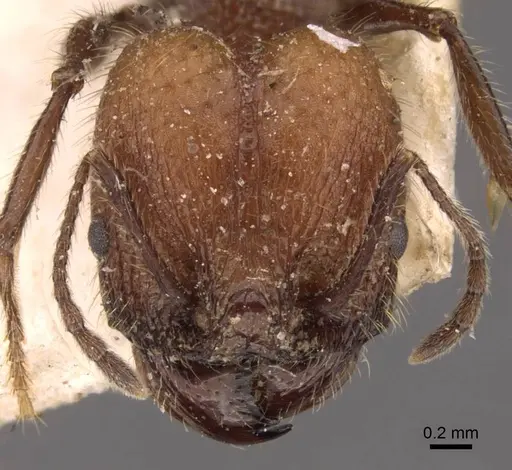
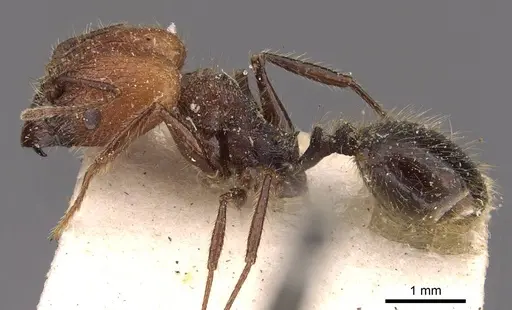
CASENT0908135
View on AntWeb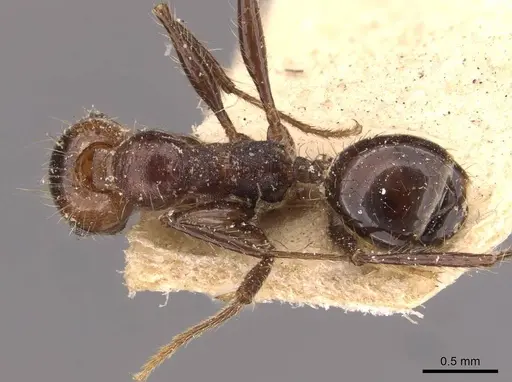
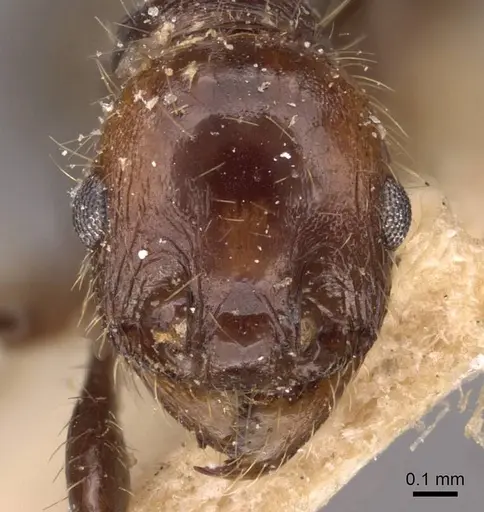
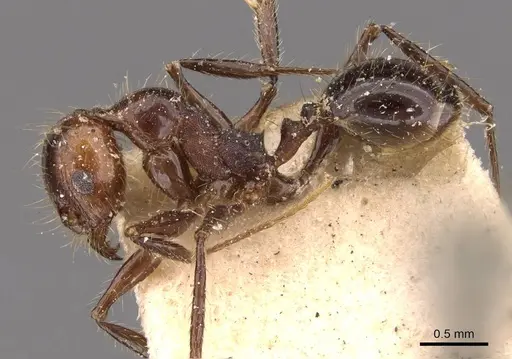
CASENT0908138
View on AntWeb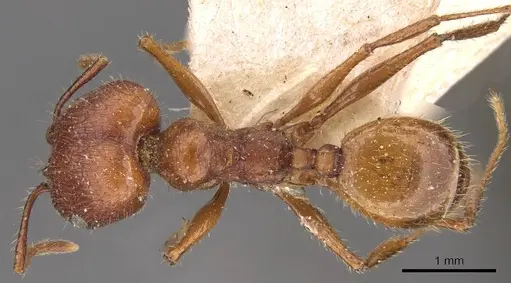
CASENT0908139
View on AntWeb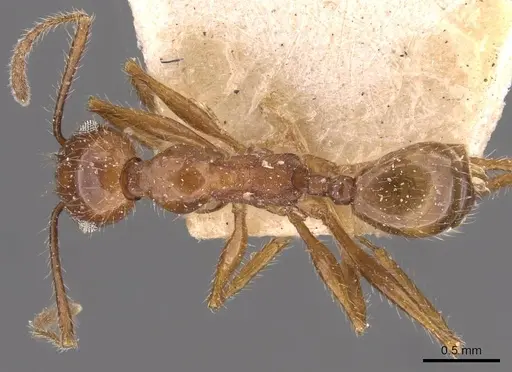
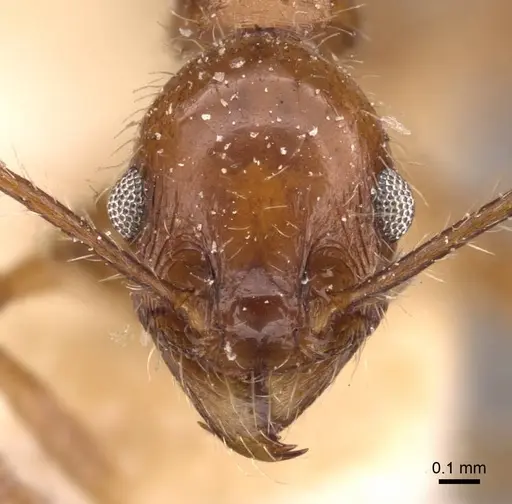
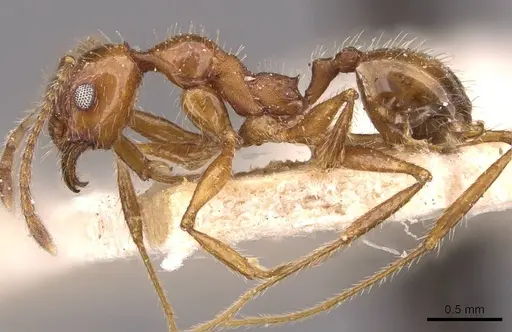
CASENT0916061
View on AntWeb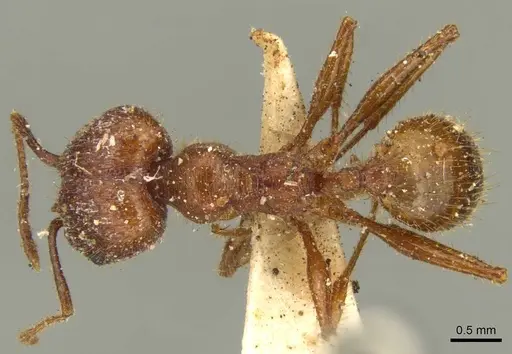
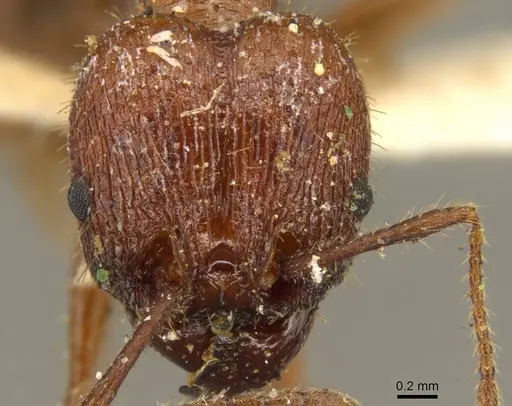
CASENT0919781
View on AntWeb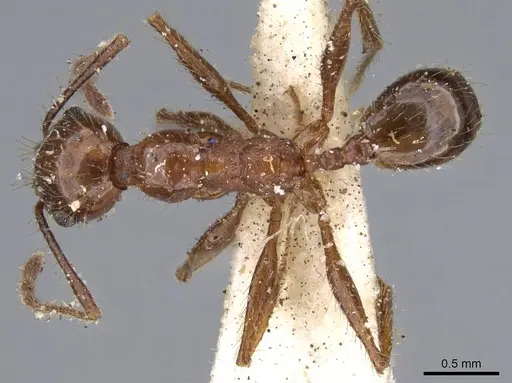
ECOFOG-OI17-0005-07
View on AntWeb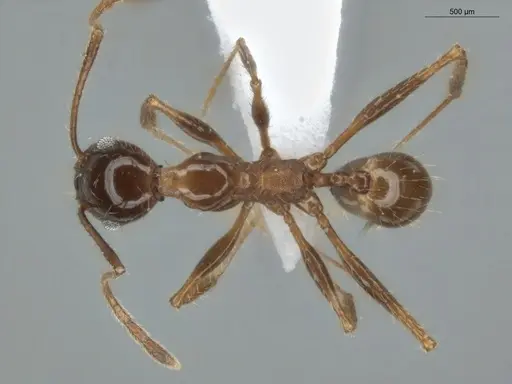
ECOFOG-OI17-0045-01
View on AntWeb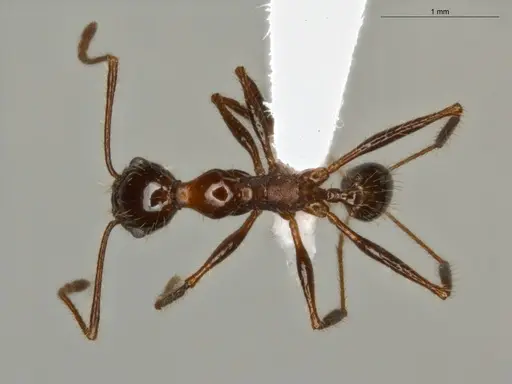
ECOFOG-PAT19-0066-14-S
View on AntWeb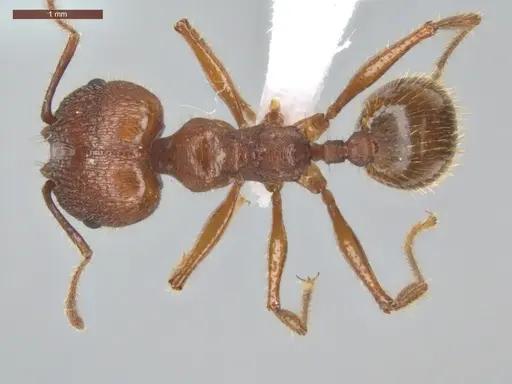
ECOFOG-PAT19-0066-14
View on AntWeb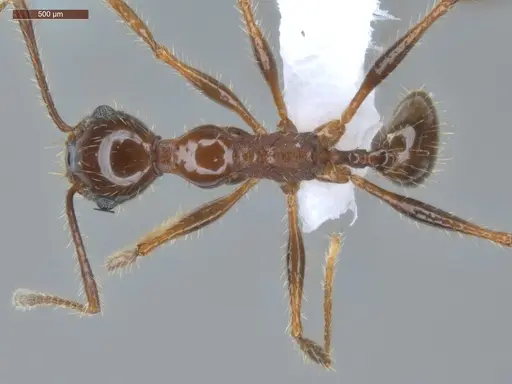
ECOFOG-SG17-0014-08
View on AntWeb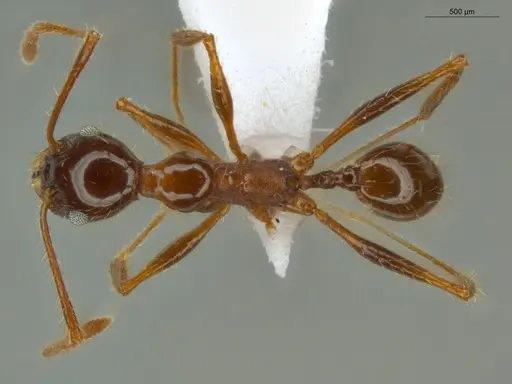
Literature
Loading...Loading products...