

Pheidole janzeni
- Scientific Name
- Pheidole janzeni
- Tribe
- Attini
- Subfamily
- Myrmicinae
- Author
- Longino, 2009
- Distribution
- Found in 5 countries
Pheidole janzeni Overview
Pheidole janzeni is an ant species of the genus Pheidole. It is primarily documented in 5 countries , including Costa Rica, Guatemala, Honduras. Detailed taxonomic data and occurrence records can be further explored via authoritative databases such as AntWeb or the Global Biodiversity Information Facility (GBIF).
Pheidole janzeni
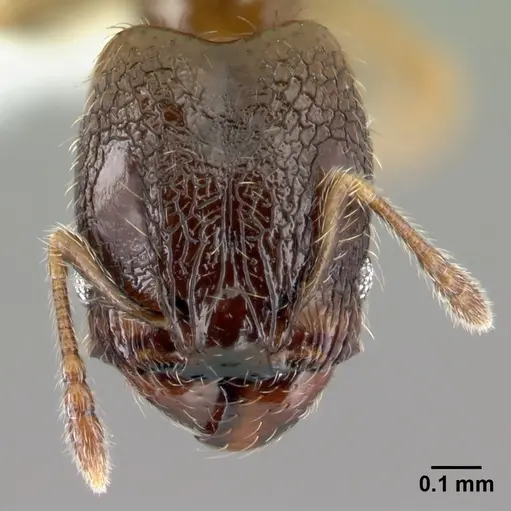
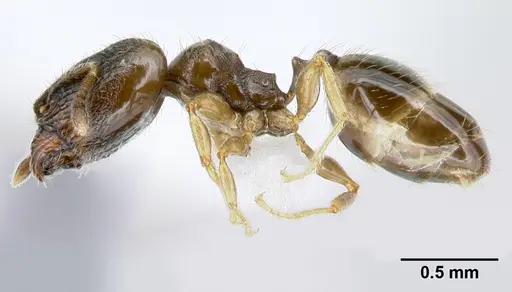
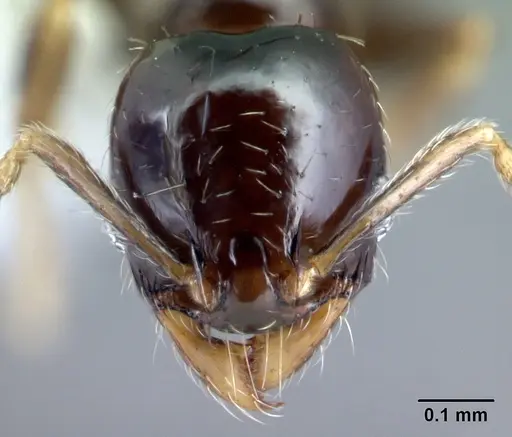
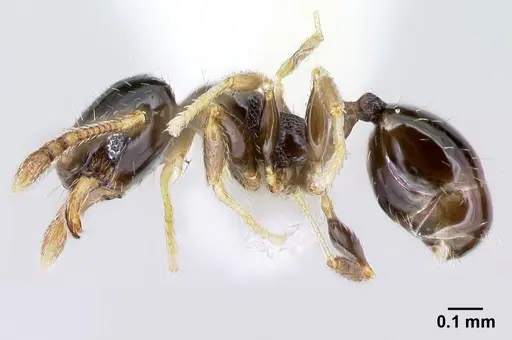
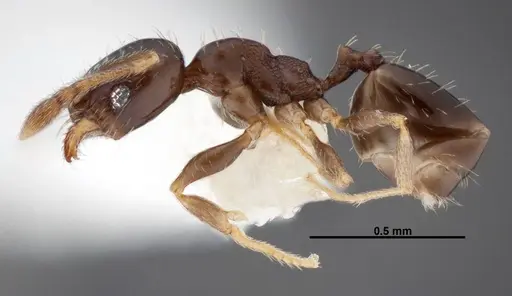
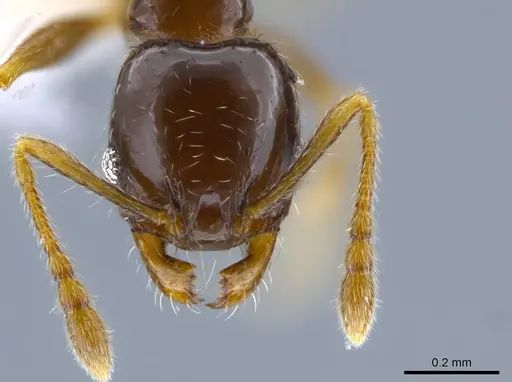
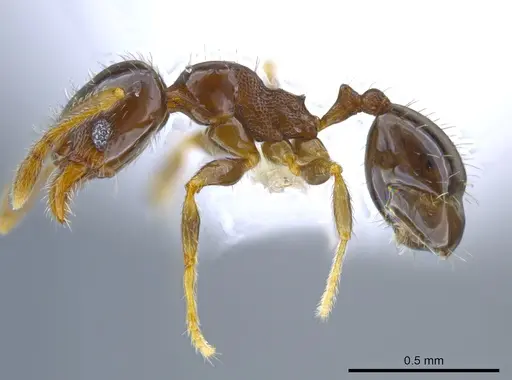
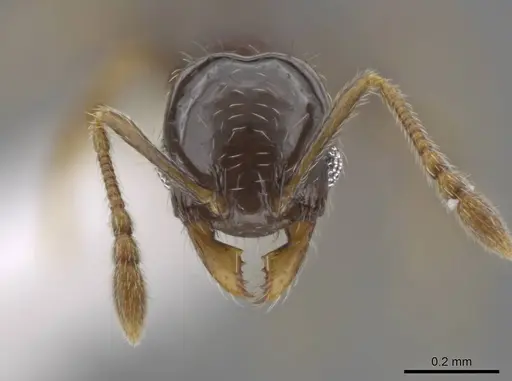
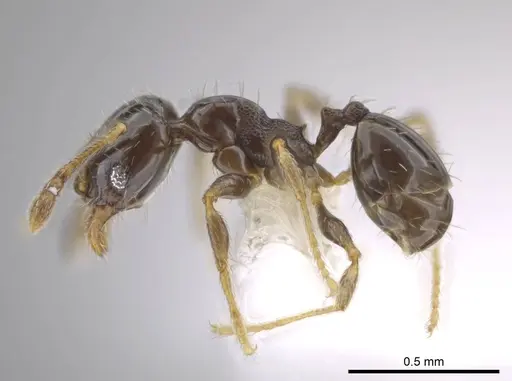
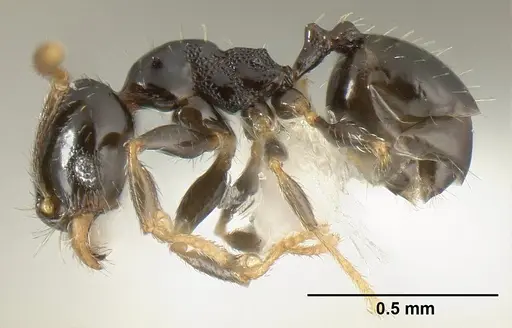
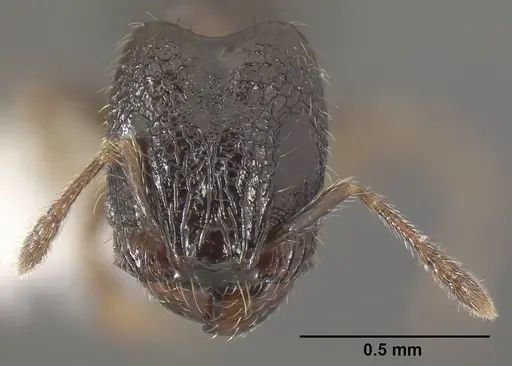
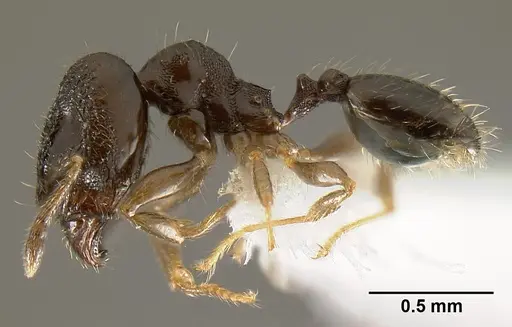
Pheidole janzeni is a tiny dimorphic ant species native to Central America, first described by Longino in 2009. Minor workers measure just 0.36-0.40mm in head width, making them among the smallest Pheidole workers you'll encounter. Major workers are larger at 0.60-0.66mm head width, with distinctive shallow antennal scrobes surrounded by reticulate rugose sculpture. The species is named after D.H. Janzen, a renowned tropical ecologist, reflecting its association with tropical dry forest habitats [1][2].
This species thrives in open, disturbed dry areas across Mesoamerica, you've got specimens from recently slashed and burned fields, areas with heavy livestock use, stream edges in Costa Rica, and even pine oak forest at 1100m elevation in Guatemala. Their tiny size and preference for synanthropic (human-altered) habitats mean they're likely common but overlooked across their range [2].
Quick Summary
- Difficulty: Medium
- Origin & Habitat: Neotropical region: Costa Rica, El Salvador, Guatemala, Honduras, and Mexico. Found in dry forest habitats, open dry areas with frequent disturbance, stream edges, and pine oak forest up to 1100m elevation [2][1][3].
- Colony Type: Single-queen colonies (monogyne). Pheidole species are typically monogyne, though colony structure for this specific species has not been extensively studied.
- Colony: Monogyne
- Founding: Claustral
- Size & Growth:
- Queen: Not directly measured, estimated 5-7mm based on genus patterns for Pheidole
- Worker: Minor: 0.36-0.40mm HW [1]. Major: 0.60-0.66mm HW [1].
- Colony: Unknown, typical Pheidole colonies reach several hundred workers. Estimate based on genus: 200-500 workers.
- Growth: Moderate, based on typical Pheidole development patterns
- Development: 6-8 weeks, estimate based on typical Pheidole development at warm temperatures (Development time is estimated from related Pheidole species. Warmer temperatures (24-28°C) will speed development.)
- Antkeeping:
- Temperature: Keep at 24-28°C. This is a tropical species from Central America, so warmth is important. A gentle gradient allows workers to self-regulate [2].
- Humidity: Moderate, dry forest species. Keep substrate lightly moist but allow drying between waterings. Provide a shallow water dish. Avoid overly damp conditions that can cause mold.
- Diapause: No, being a tropical species, they do not require hibernation. Keep at stable warm temperatures year-round.
- Nesting: Y-tong (AAC) nests or plaster nests work well. Their tiny size means you need narrow chambers and passages. Test tube setups work for founding colonies but will need upgrading as the colony grows. They do well in naturalistic setups with some dry areas.
- Behavior: These ants are dimorphic, you get small minor workers that handle most tasks and larger major workers (soldiers) that defend the colony and process larger food items. They're foragers attracted to baits, suggesting they actively search for protein and sugar sources. Workers are very small, so escape prevention is critical, they'll squeeze through gaps that larger ants cannot. They're not aggressive but majors can deliver a mild sting if threatened. Activity level is moderate, expect steady foraging activity rather than frantic movement.
- Common Issues: escape prevention is critical due to their extremely small size, use fine mesh and check all seams regularly, colonies start very slowly due to tiny founding queen and small first brood, overfeeding causes mold problems in small nests, remove uneaten food promptly, test tube setups can be difficult to maintain humidity for due to rapid evaporation, wild-caught colonies may carry parasites that can devastate captive colonies
Housing and Nest Setup
For founding colonies, a standard test tube setup works well. Fill the tube about 1/3 with water, plug with cotton, and place the queen in a dark area. The queen will seal herself into a chamber and lay eggs. Once you have 10-15 workers, consider upgrading to a small formicarium. Y-tong (AAC) nests are excellent for Pheidole because they allow you to control humidity precisely. Plaster nests also work well. The key requirement is tiny passages scaled to their minute size, standard chambers will be too large and can stress the colony. A naturalistic setup with a small dirt chamber and outworld works, but watch humidity carefully. Whatever setup you choose, ensure excellent escape prevention, these ants are so small they can slip through gaps you'd never notice. [1][2]
Feeding and Diet
Pheidole janzeni is a generalist forager. In the wild, they're attracted to baits, suggesting they'll accept a variety of foods. Offer protein sources like small insects (fruit flies, pinhead crickets, small mealworms), and provide sugar water, honey, or diluted maple syrup as an energy source. For minor workers, prey items need to be very small, they're tiny and can't tackle large prey. Major workers can handle slightly larger items and help process food for the minors. Feed every 2-3 days, removing any uneaten food promptly to prevent mold. A constant sugar source is recommended, a small cotton ball soaked in sugar water works well. [2]
Temperature and Seasonal Care
As a tropical dry forest species from Central America, Pheidole janzeni needs warm temperatures. Keep the nest area at 24-28°C. A heating cable on one side of the nest creates a temperature gradient that lets workers choose their comfort zone. Place the heating on top of the nest, not underneath, to avoid drying out the substrate too quickly. Room temperature in a warm home may suffice in summer, but you'll likely need supplemental heat in winter. Unlike temperate species, they do not require a diapause period, maintain consistent temperatures year-round. Avoid temperature drops below 20°C for extended periods. [2]
Colony Development and Growth
Development from egg to first worker likely takes 6-8 weeks at optimal temperatures (around 26-28°C). The first workers, called nanitics, will be smaller than normal minors but functional. Pheidole colonies grow gradually at first, the queen lays eggs slowly and the first brood is small. Once you have 20-30 workers, growth typically accelerates. The colony will produce majors once it reaches a few hundred workers. Major production is triggered by colony size and resource availability, you won't see majors in very young colonies. A mature colony may have several hundred workers with a significant major population. Be patient, these tiny ants take time to establish, but once they hit 50+ workers, growth becomes more noticeable. [1]
Behavior and Observation
This species shows clear division of labor between minor and major workers. Minor workers handle most tasks: foraging, caring for brood, cleaning, and nest maintenance. Major workers (soldiers) defend the colony, process larger food items, and may assist with nest construction in some species. You'll often see majors near the brood chamber or at nest entrances. They're not particularly aggressive, majors may rush toward threats but their sting is mild. The tiny minor workers are active foragers, so you'll see regular traffic to food sources. Their small size makes them fascinating to watch, the contrast between tiny minors and chunky majors is striking. They're diurnal, with most activity during daylight hours. [2][1]
Frequently Asked Questions
How long does it take for Pheidole janzeni to produce first workers?
Expect first workers (nanitics) in about 6-8 weeks at optimal temperatures (26-28°C). This is an estimate based on related Pheidole species, as specific development timing for this species hasn't been documented. Cooler temperatures will slow development significantly.
What do I feed Pheidole janzeni ants?
Offer small protein sources like fruit flies, tiny mealworms, or small crickets. Provide a constant sugar source like sugar water or honey. Prey items must be very small due to the ants' minute size. Remove uneaten food promptly to prevent mold.
Can I keep multiple Pheidole janzeni queens together?
No. This species is monogyne, single-queen colonies. Combining unrelated queens will result in fighting. Only keep one queen per colony.
What temperature do Pheidole janzeni ants need?
Keep them at 24-28°C. This is a tropical species from Central America, so warmth is essential. A temperature gradient allows workers to regulate their own temperature.
Do Pheidole janzeni ants need hibernation?
No. As a tropical species from dry forests in Costa Rica and Central America, they do not require diapause or hibernation. Keep them warm year-round.
When should I move my colony to a formicarium?
Move to a formicarium once you have 15-20 workers. Test tubes become difficult to maintain at that point. Y-tong or plaster nests work well for this species.
Why are my Pheidole janzeni escaping?
Their extremely small size means they're expert escape artists. Check all seams, use fine mesh on any ventilation, and ensure lid fit is tight. Even tiny gaps that wouldn't matter for larger ants will allow escapes.
Are Pheidole janzeni good for beginners?
Medium difficulty, their tiny size presents challenges that beginners may find frustrating. Escape prevention requires attention, and founding colonies grow slowly. If you're experienced with very small ants, they're rewarding.
How big do Pheidole janzeni colonies get?
Based on typical Pheidole patterns, expect several hundred workers at maturity. The exact maximum is unknown for this species but likely 200-500 workers.
References

This caresheet is licensed under CC BY-SA 4.0 .
CASENT0608973
View on AntWeb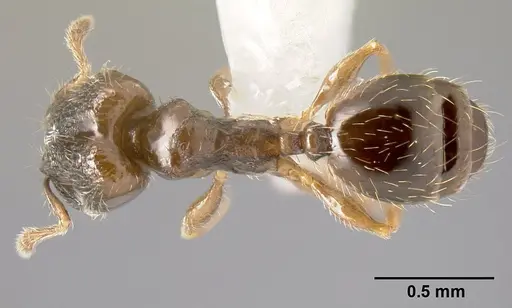
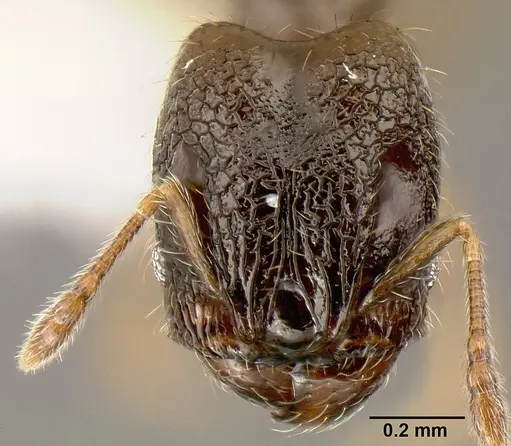
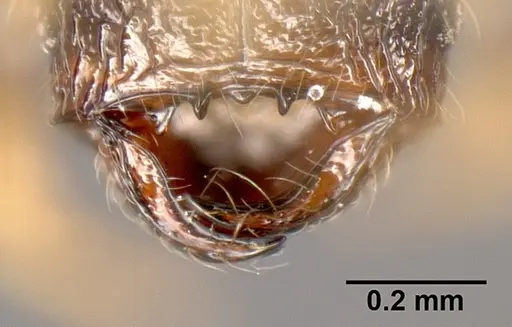
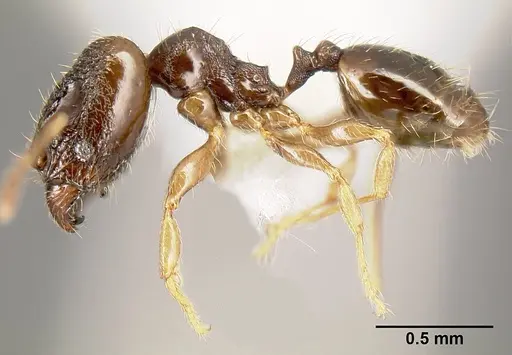
CASENT0608977
View on AntWeb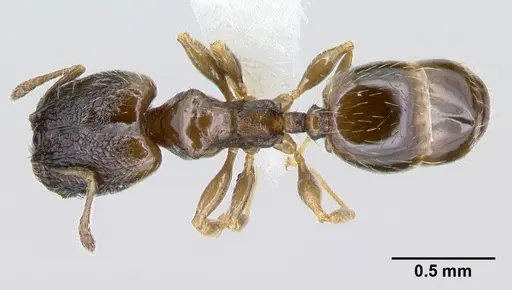
CASENT0608990
View on AntWeb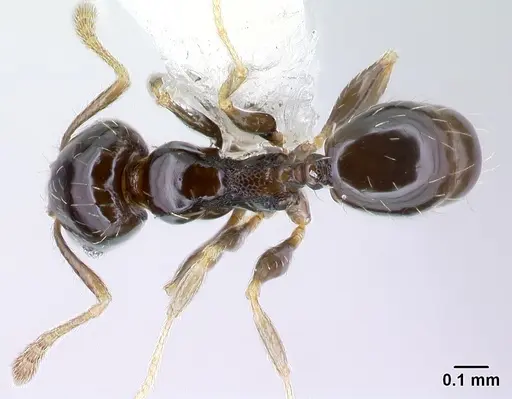
CASENT0608993
View on AntWeb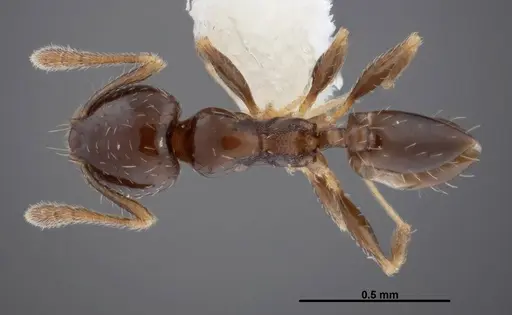
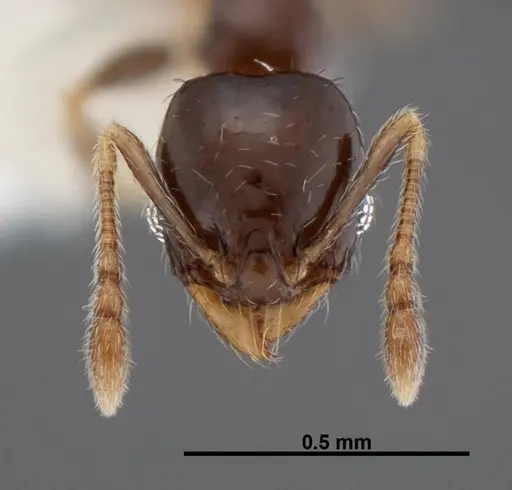
CASENT0612248
View on AntWeb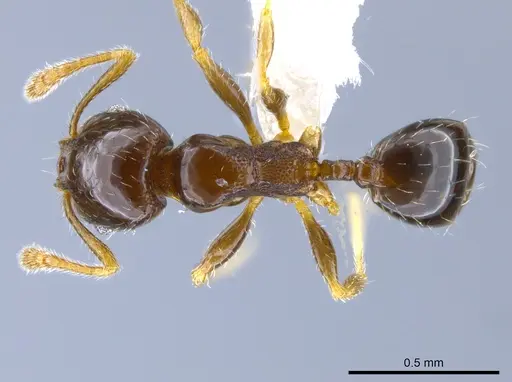
CASENT0618097
View on AntWeb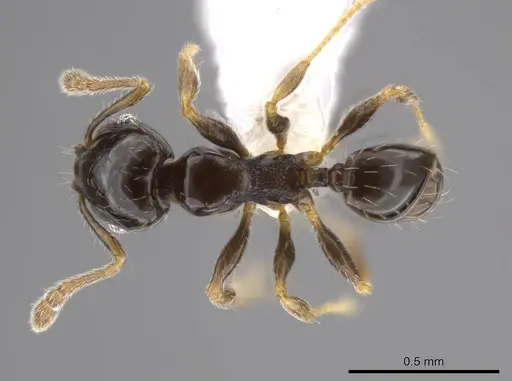
CASENT0618109
View on AntWeb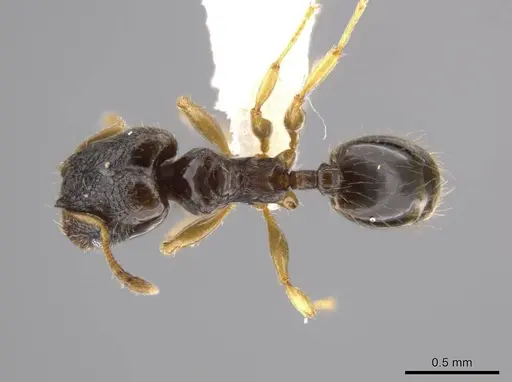
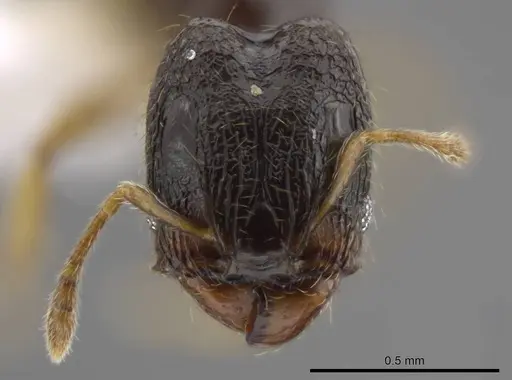
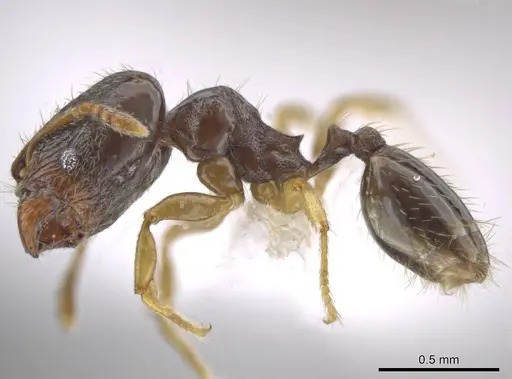
JTLC000007093
View on AntWeb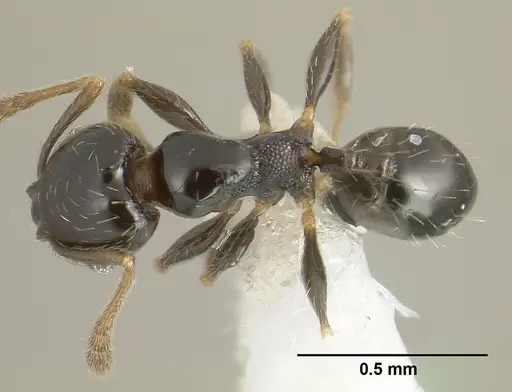
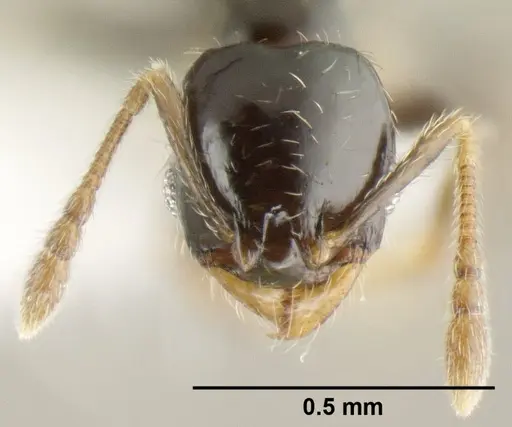
JTLC000007094
View on AntWeb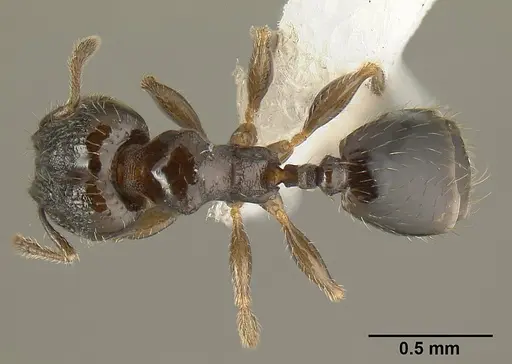
Literature
Loading...Loading products...