

Pheidole jaculifera
- Scientific Name
- Pheidole jaculifera
- Tribe
- Attini
- Subfamily
- Myrmicinae
- Author
- Wilson, 2003
- Distribution
- Found in 3 countries
Pheidole jaculifera Overview
Pheidole jaculifera is an ant species of the genus Pheidole. It is primarily documented in 3 countries , including Brazil, Colombia, Ecuador. Detailed taxonomic data and occurrence records can be further explored via authoritative databases such as AntWeb or the Global Biodiversity Information Facility (GBIF).
Pheidole jaculifera
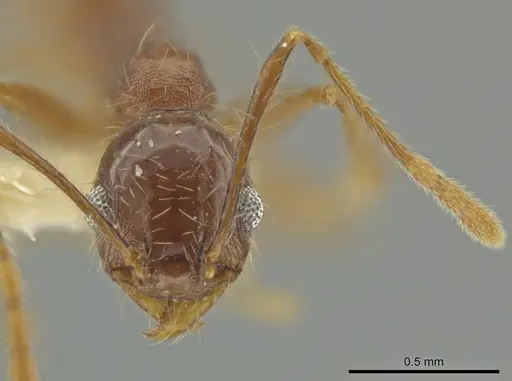
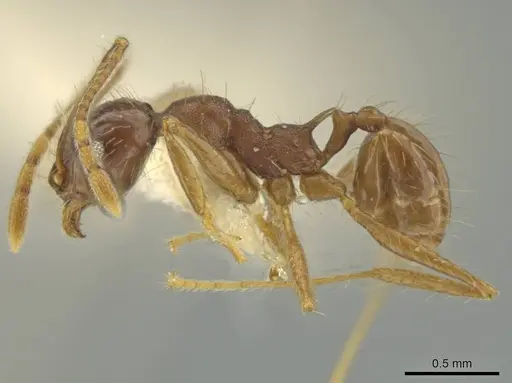
Pheidole jaculifera is a small light brown ant belonging to the fallax group, native to the Amazon basin in South America. The species was described in 2003 from specimens collected near Benjamin Constant in Amazonas, Brazil. What makes this species distinctive is its extremely long propodeal spines, the 'javelin-bearer' etymology refers to these slender spines projecting from the rear of the ant. Both major and minor workers have long scapes (antennal segments) and a mostly foveolate (pitted), opaque mesosoma. Majors measure around 0.92mm head width while minors are roughly half that size at 0.50mm. This species has been found in Colombia's Amazon region and represents a significant range extension from the original Brazilian type locality [1][2].
Quick Summary
- Difficulty: Unknown
- Origin & Habitat: Amazon basin, Brazil (type locality near Benjamin Constant, Amazonas) and Colombia. Found in both várzea (floodplain forest) and bosque de tierra firme (upland forest) environments [1][2].
- Colony Type: Unconfirmed, typical Pheidole colonies are single-queen (monogyne) but this has not been studied for this specific species.
- Size & Growth:
- Queen: Unknown, not described in original species description
- Worker: Major: HW 0.92mm, HL 0.96mm. Minor: HW 0.50mm, HL 0.66mm [3]
- Colony: Unknown, typical Pheidole species reach hundreds to thousands of workers
- Growth: Unknown
- Development: Unknown, estimated 6-10 weeks based on typical Pheidole development (No specific development data exists for this species. Estimates based on typical Pheidole genus patterns.)
- Antkeeping:
- Temperature: Aim for 24-28°C, typical for Amazonian species. A gentle gradient allowing warmer and cooler areas is recommended.
- Humidity: Keep substrate moderately moist. Amazon species prefer damp conditions but avoid waterlogging.
- Diapause: Unknown, Amazon species typically do not enter true diapause but may reduce activity during cooler/drier periods.
- Nesting: No specific nesting data. Typical Pheidole nest in soil, under stones, or in rotting wood. A naturalistic setup with moist substrate or a Y-tong/plaster nest works well.
- Behavior: Not documented specifically. Pheidole species are generally non-aggressive toward keepers but majors can deliver mild bites. They are active foragers that harvest seeds, small insects, and honeydew. Their small size means escape prevention should be taken seriously, use fine mesh barriers.
- Common Issues: no specific biology documented, all care is based on genus-level inference, escape prevention important due to small worker size, slow colony growth typical of Pheidole can test keeper patience, wild-caught colonies may harbor parasites, humidity management critical, too dry causes brood death
Species Identification and Appearance
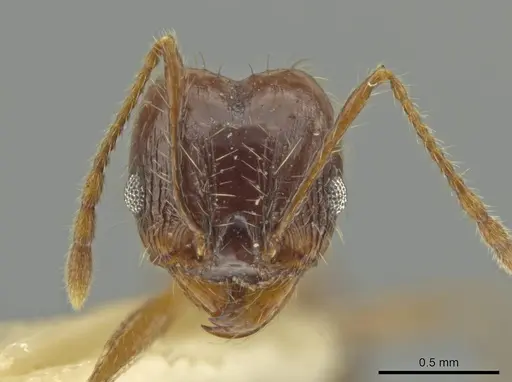
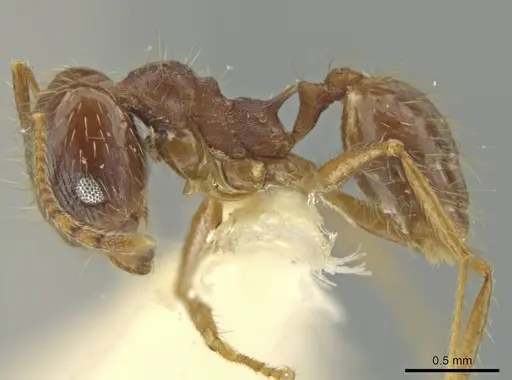
Pheidole jaculifera is a distinctive small ant measuring approximately 0.92mm head width for majors and 0.50mm for minors. The species gets its name 'jaculifera' (javelin-bearer) from the extremely long propodeal spines that project backward from the rear of the mesosoma. Both castes also feature exceptionally long scapes that extend beyond the head. The body is uniformly light brown with yellowish-brown appendages. The mesosoma is largely foveolate (covered in small pits) giving it an opaque appearance. This combination of very long spines and scapes, along with the distinctive sculpturing, separates it from similar species in the fallax group like P. ajax, P. fiorii, P. hector, and P. lourothi [3].
Distribution and Habitat
This species was originally described from the Brazilian Amazon near Benjamin Constant in Amazonas state. Subsequent surveys have significantly extended the known range, the species has been recorded over 1000km away in Colombian Amazon forests, indicating a much broader distribution than initially known. It has been found in both várzea (seasonally flooded Amazonian floodplain forest) and bosque de tierra firme (upland forest) environments, suggesting ecological flexibility [1][2]. This distribution pattern is typical of widespread Amazonian ant species that occupy multiple forest types.
Nest Preferences and Housing
No specific nesting observations exist for this species. Based on typical Pheidole behavior, they likely nest in soil, under stones, or in decaying wood in their natural habitat. For captive care, a naturalistic setup with moist substrate works well, a mix of soil and sand provides the texture they prefer. Alternatively, Y-tong (acrylic) nests or plaster nests with narrow chambers suit their small size. The nest should have a water reservoir to maintain humidity without frequent misting. An outworld for foraging allows them to hunt and collect food. Given their small size, ensure all connections and barriers are tight-fitting to prevent escapes.
Feeding and Diet
Pheidole species are generalist omnivores. Workers forage for seeds, small insects, and honeydew from aphids or scale insects. In captivity, offer a varied diet: protein sources like small crickets, mealworms, or fruit flies twice weekly, plus a constant sugar source such as honey water or sugar water. Seeds may be accepted but are not required. Fresh water should always be available. The minor workers do the foraging while majors typically stay near the nest or defend food finds. Start with small prey items appropriate to their size and observe what they readily accept.
Temperature and Seasonal Care
As an Amazonian species, keep temperatures in the warm range, aim for 24-28°C. A temperature gradient allowing workers to choose their preferred warmth is ideal. Room temperature in heated homes (around 22-24°C) is generally acceptable. Unlike temperate species, P. jaculifera does not require true hibernation. However, they may naturally reduce activity during cooler periods. Avoid temperatures below 20°C or sudden temperature drops. Heating cables or mats placed on part of the nest can help maintain warmth during cooler months. Monitor colony behavior, active workers indicate comfortable conditions.
Behavior and Colony Dynamics
Specific behavioral observations for this species are lacking. However, Pheidole colonies are known for their clear division of labor: minor workers handle foraging, brood care, and nest maintenance, while major workers (soldiers) defend the colony and help process large food items. Majors have larger heads with powerful mandibles suited for crushing seeds or defending against threats. Colonies grow gradually, expect several months before seeing significant numbers. Workers are typically non-aggressive toward keepers but majors may bite if threatened. The long propodeal spines may serve a defensive function. Escape risk is moderate due to small size, use fine mesh on all openings.
Frequently Asked Questions
How long does it take for Pheidole jaculifera to produce first workers?
The exact timeline is unknown, no development studies exist for this species. Based on typical Pheidole development, expect 6-10 weeks from egg to first worker at warm temperatures. Growth is typically slow, so patience is required during the founding stage.
What do Pheidole jaculifera ants eat?
Like most Pheidole species, they are omnivores. Offer small protein sources (fruit flies, tiny crickets, mealworms) twice weekly, plus a constant sugar source (honey water or sugar water). They likely also accept seeds and will forage for honeydew if given the opportunity.
Are Pheidole jaculifera ants good for beginners?
Difficulty level is uncertain since no specific care information exists. Based on being an Amazonian species, they likely require warm, humid conditions. They are small and may require careful escape prevention. If you have experience with other Pheidole species, this one should be manageable.
How big do Pheidole jaculifera colonies get?
Colony size is unconfirmed for this species. Typical Pheidole colonies reach hundreds to low thousands of workers. The species is relatively small, so maximum colony size may be moderate compared to larger Pheidole species.
What temperature and humidity do Pheidole jaculifera need?
Keep temperatures around 24-28°C with a gentle gradient. Maintain moderate humidity, substrate should feel damp but not waterlogged. Amazon species prefer stable, warm, humid conditions similar to their natural rainforest habitat.
Can I keep multiple Pheidole jaculifera queens together?
This has not been studied for this species. Most Pheidole are single-queen (monogyne) colonies. Combining unrelated foundress queens is not recommended without evidence they can co-exist peacefully.
Does Pheidole jaculifera need hibernation or diapause?
No, as an Amazonian species, they do not require true hibernation. They may reduce activity during cooler periods but should be kept warm year-round. Avoid temperatures below 20°C.
Why is so little known about Pheidole jaculifera care?
This species was only described in 2003 and has a limited known distribution in the Amazon basin. It has not been commonly kept in ant culture, and no scientific studies have focused on its biology or captive care. All recommendations are based on typical Pheidole genus behavior.
References

This caresheet is licensed under CC BY-SA 4.0 .
CASENT0645806
View on AntWeb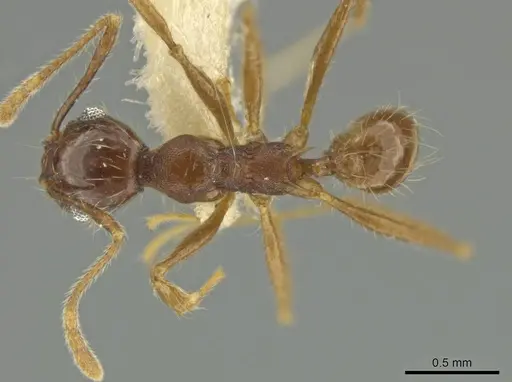
JTLC000016416
View on AntWeb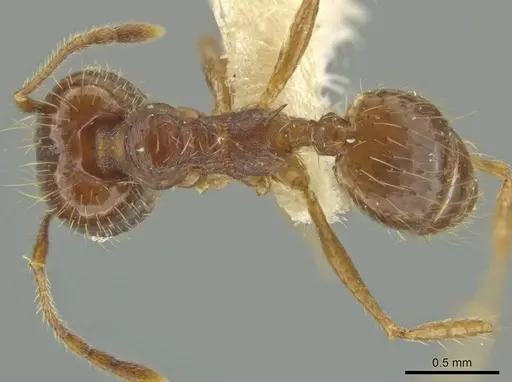
Literature
Loading...Loading products...