

Pheidole itremo
- Scientific Name
- Pheidole itremo
- Tribe
- Attini
- Subfamily
- Myrmicinae
- Author
- Salata & Fisher, 2020
- Distribution
- Found in 1 countries
Pheidole itremo Overview
Pheidole itremo is an ant species of the genus Pheidole. It is primarily documented in 1 countries , including Madagascar. Detailed taxonomic data and occurrence records can be further explored via authoritative databases such as AntWeb or the Global Biodiversity Information Facility (GBIF).
Pheidole itremo
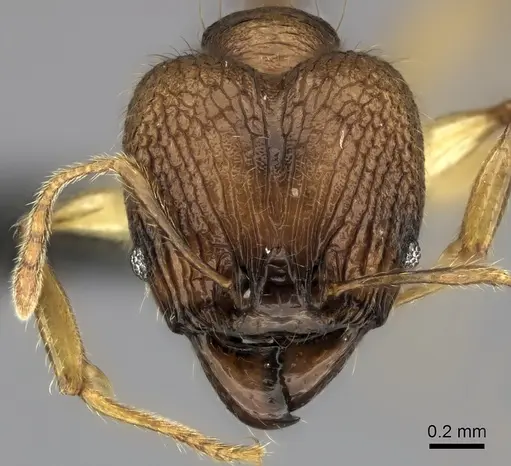
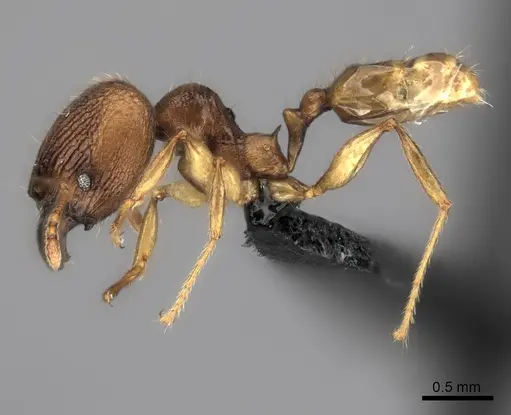
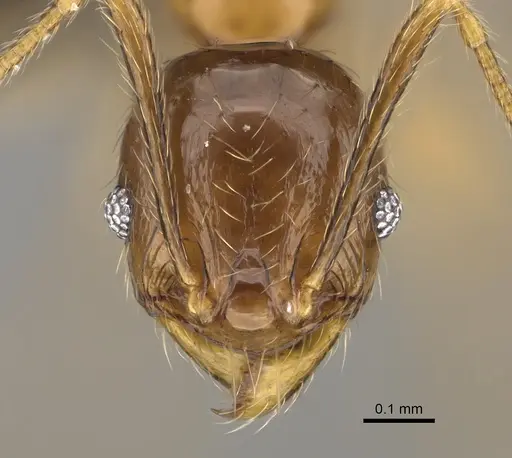
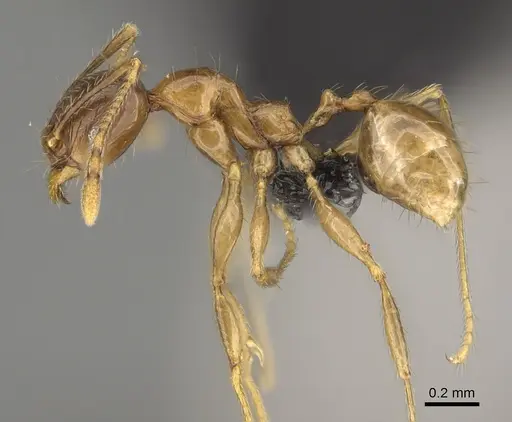
Pheidole itremo is a moderately large ant species from the sikorae species group, native to the highlands of central Madagascar. Major workers measure 1.14-1.24mm in head length and have a brown body coloration, while minor workers are smaller at 0.54-0.59mm with a yellowish-brown color [1]. This species was described in 2020 and is known only from two high-elevation locations in Madagascar: Fort d'Atsirakambiaty in Fianarantsoa province and Fort d'Ambohitantely in Antananarivo province [1]. The species nests in rotten logs and root mats in montane forest and montane rainforest habitats at elevations between 1410-1620 meters [1][2].
Quick Summary
- Difficulty: Medium
- Origin & Habitat: Central Madagascar highlands (Fianarantsoa and Antananarivo provinces), montane forest and montane rainforest at 1410-1620m elevation [1][2]
- Colony Type: Single-queen colonies (monogyne), typical for Pheidole genus [2]
- Colony: Monogyne
- Founding: Claustral
- Size & Growth:
- Queen: Estimated 5-7mm based on genus patterns
- Worker: Major: 1.14-1.24mm head length, Minor: 0.54-0.59mm head length [1]
- Colony: Estimated several hundred workers based on related species
- Growth: Moderate, typical for Pheidole
- Development: 6-10 weeks estimated based on genus patterns (Development time inferred from typical Pheidole development at room temperature)
- Antkeeping:
- Temperature: Keep at 20-24°C. The high-elevation montane habitat suggests they prefer cooler conditions than typical tropical ants, aim for the cooler end of room temperature [1]
- Humidity: High humidity required (70-80%). Montane rainforest origin means they need consistently moist substrate. Keep nest material damp but not waterlogged [1]
- Diapause: Unknown, no specific data on overwintering requirements. Given the highland Madagascar origin, they may experience cooler seasonal temperatures but true hibernation is uncertain.
- Nesting: In captivity, they do well in Y-tong nests, plaster nests, or naturalistic setups with rotting wood pieces. They naturally nest in rotten logs and root mats, so include wood fragments or cork in the nest [1].
- Behavior: Typical Pheidole behavior, majors have enlarged heads for seed-processing and colony defense. Workers are active foragers, and colonies will defend vigorously. Minor workers are small and can escape through small gaps, use fine mesh barriers. They are not aggressive toward humans and rarely sting.
- Common Issues: escape prevention is critical due to tiny minor workers, use fine mesh and tight-fitting lids, high humidity needs can lead to mold if ventilation is poor, colonies may be slow to establish initially, patience is needed during founding, wild-caught colonies may carry parasites that can decimate the colony
Housing and Nest Setup
Pheidole itremo does well in several nest types. A Y-tong (acrylic) nest works excellently, the smooth walls help maintain humidity and allow you to observe colony behavior. Plaster nests are another good option, as they hold moisture well. For a naturalistic approach, use a soil-filled container with pieces of rotting wood or cork to simulate their natural log-nesting habitat. The colony will naturally expand into the wood fragments. Regardless of nest type, always provide an outworld (foraging area) connected to the nest. Use a test tube setup for the founding queen, a simple test tube with a water reservoir cotton ball provides the humidity they need. Once the colony reaches 20-30 workers, you can move them to a more elaborate setup if desired. [1][2]
Feeding and Diet
Pheidole itremo is an omnivorous species, like most Pheidole. Offer a varied diet including protein sources and carbohydrates. Protein options include small insects (fruit flies, small crickets, mealworms), and you can also offer seeds which majors can process with their enlarged heads. For carbohydrates, provide sugar water, honey, or diluted honey water. Feed protein 2-3 times per week, and keep a constant sugar water source available. Remove uneaten prey after 24-48 hours to prevent mold. Fresh fruit pieces (especially sweet fruits) are also readily accepted. [2]
Temperature and Humidity
This species comes from high-elevation montane Madagascar, so they prefer cooler conditions than many tropical ants. Keep temperatures in the range of 20-24°C. Room temperature is often ideal, avoid placing the nest in direct sunlight or near heating elements that could cause overheating. For humidity, aim for 70-80% relative humidity. Montane rainforest conditions mean they need consistent moisture. Monitor the nest substrate and mist or add water when it dries. A water reservoir connected to the nest (like in a test tube setup) helps maintain stable humidity. Avoid both drying out and waterlogging, the substrate should feel damp but not soggy. [1]
Colony Development
A founding queen will lay eggs after sealing herself in a chamber (claustral founding). She relies on stored fat reserves to survive and feed the first brood. The first workers, called nanitics, are typically smaller than normal workers and emerge after 6-10 weeks depending on temperature. Once nanitics arrive, the queen stops foraging entirely and the workers take over all colony tasks. Growth is moderate, expect the colony to reach 50-100 workers within the first year under good conditions. Pheidole colonies can eventually grow to several hundred workers. The presence of major workers (with enlarged heads) becomes more common as the colony matures, these soldiers help process seeds and defend the colony. [2]
Behavior and Observation
Pheidole itremo shows typical Pheidole behavior with distinct worker castes. Minor workers handle most foraging and brood care, while major workers specialize in seed processing and colony defense. Majors will readily defend the nest against threats. Foraging activity is highest during evening and night hours in captivity. The colony will establish clear trails to food sources. You may observe majors carrying and processing seeds, their enlarged heads are specifically adapted for this. Minor workers are small and very active, constantly moving between nest and outworld. This species is not aggressive toward keepers and rarely attempts to sting. [1][2]
Frequently Asked Questions
How long does it take for Pheidole itremo to produce first workers?
Expect first workers (nanitics) to emerge in 6-10 weeks after the queen lays eggs. This timeline assumes temperatures around 20-24°C. Cooler temperatures will slow development.
What do Pheidole itremo ants eat?
They are omnivorous. Offer protein (small insects like fruit flies or mealworms) 2-3 times per week, and keep a constant sugar source (sugar water or honey water) available. They also readily accept seeds and fruit.
Can I keep multiple Pheidole itremo queens together?
No. This species is monogyne (single-queen). Combining unrelated queens will result in fighting. Only keep one queen per colony.
What temperature is best for Pheidole itremo?
Keep them at 20-24°C. Their high-elevation Madagascar origin means they prefer cooler conditions than typical tropical ants. Room temperature is often ideal.
How big do Pheidole itremo colonies get?
Based on related species, colonies can reach several hundred workers. Growth is moderate, expect 50-100 workers in the first year under good conditions.
What humidity level do they need?
High humidity (70-80%) is required. They come from montane rainforest and naturally nest in rotting wood which stays moist. Keep the nest substrate consistently damp.
When should I move Pheidole itremo to a formicarium?
Wait until the colony has at least 20-30 workers and the founding test tube is becoming crowded. Moving too early can stress the colony. Make sure the new setup has appropriate humidity and wood materials.
Do Pheidole itremo need hibernation?
Unknown. There is no specific data on overwintering requirements. The highland Madagascar origin suggests they experience cooler seasonal temperatures, but true hibernation may not be necessary in captivity. If you choose to cool them, do so gradually and keep temperatures above 15°C.
Why are my Pheidole itremo escaping?
Minor workers are very small (0.5mm) and can squeeze through tiny gaps. Use fine mesh (at least 0.5mm or smaller), tight-fitting lids, and apply barrier tape (fluon) to all edges. Check all connection points between nest and outworld.
References

This caresheet is licensed under CC BY-SA 4.0 .
CASENT0042639
View on AntWeb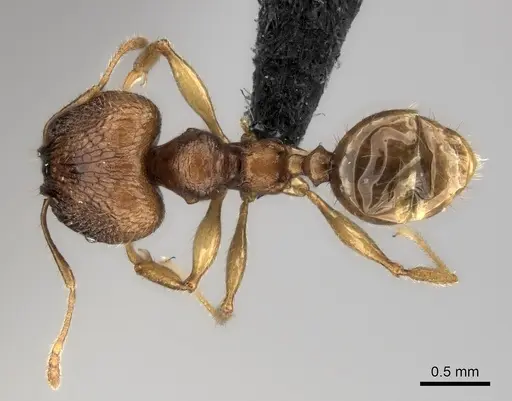
CASENT0196944
View on AntWeb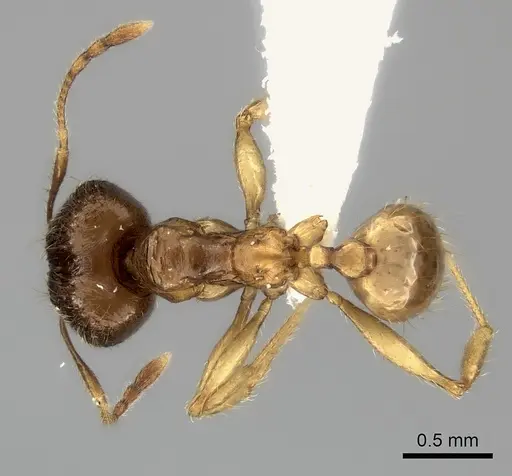
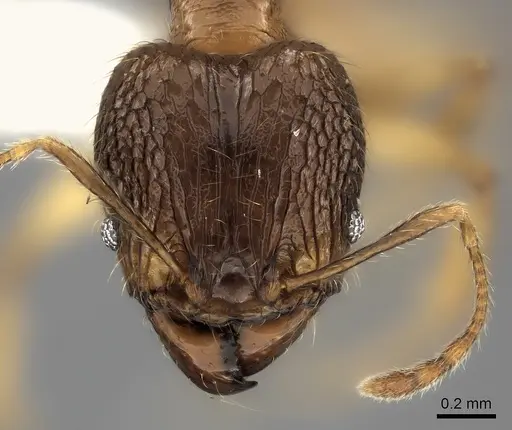
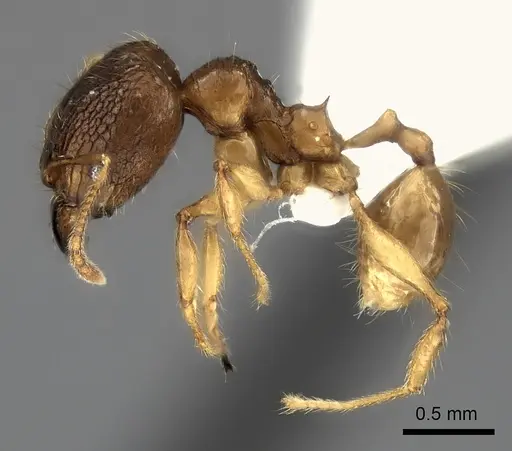
CASENT0319221
View on AntWeb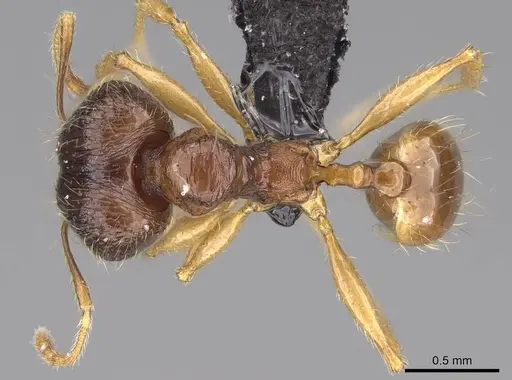
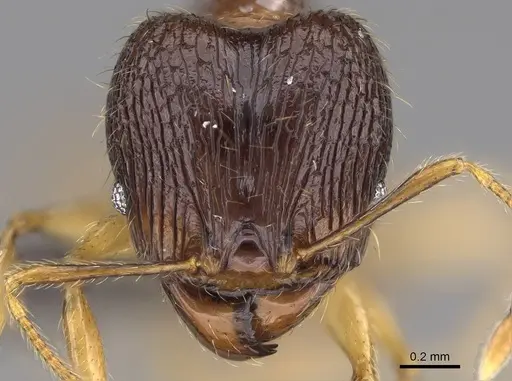
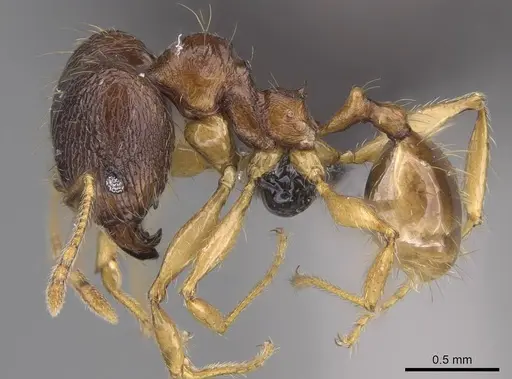
CASENT0437179
View on AntWeb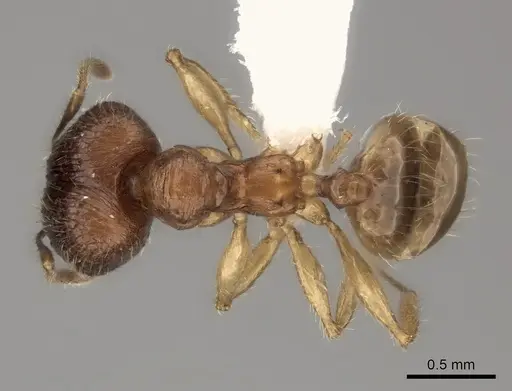
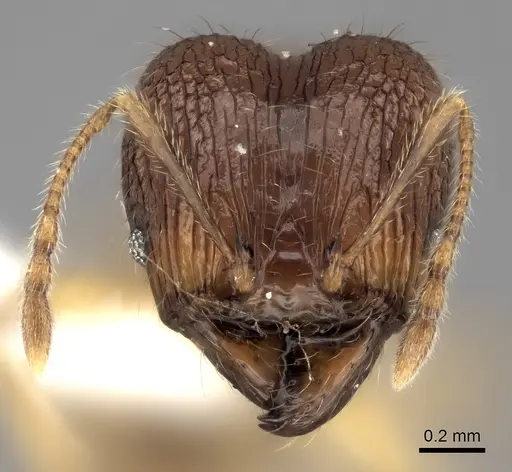
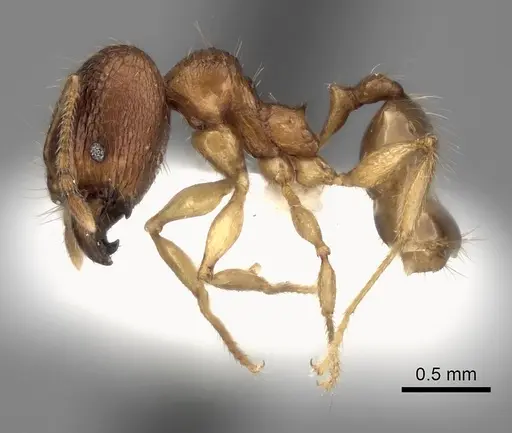
CASENT0491584
View on AntWeb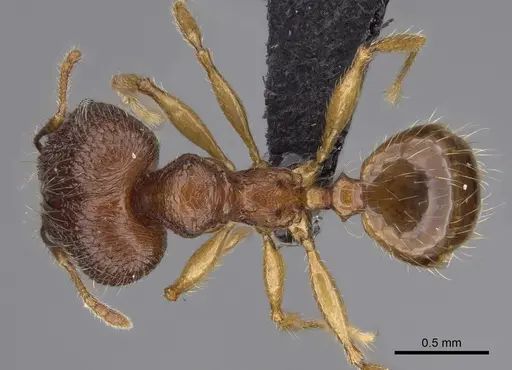
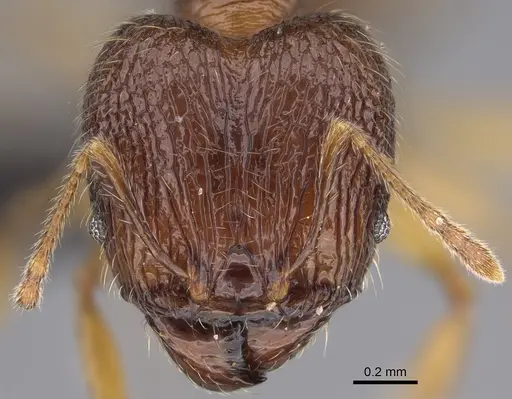
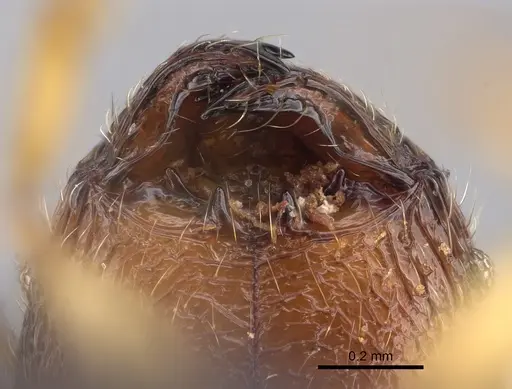
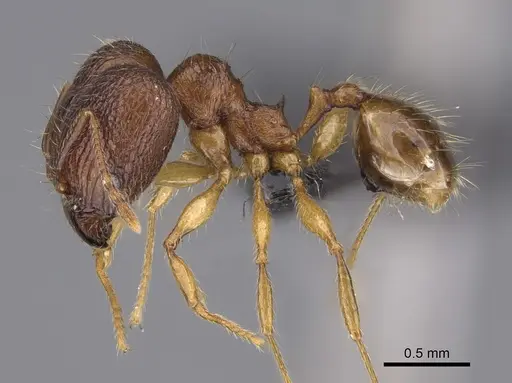
CASENT0491586
View on AntWeb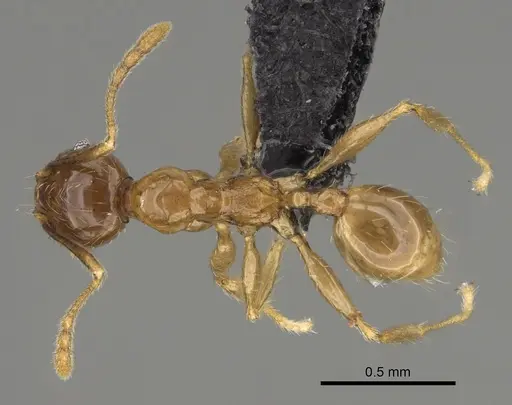
Literature
Loading...Loading products...