

Pheidole impressiceps
- Scientific Name
- Pheidole impressiceps
- Tribe
- Attini
- Subfamily
- Myrmicinae
- Author
- Mayr, 1876
- Distribution
- Found in 2 countries
Pheidole impressiceps Overview
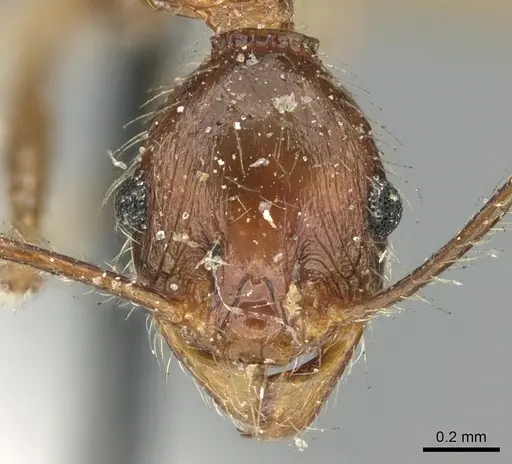
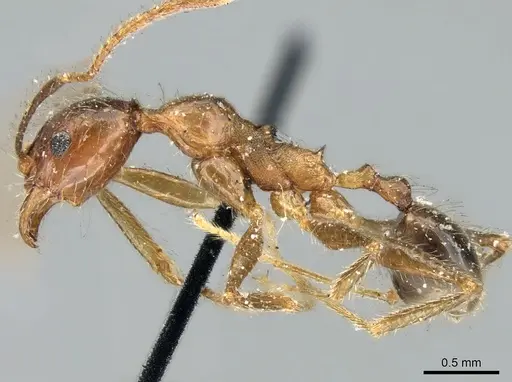
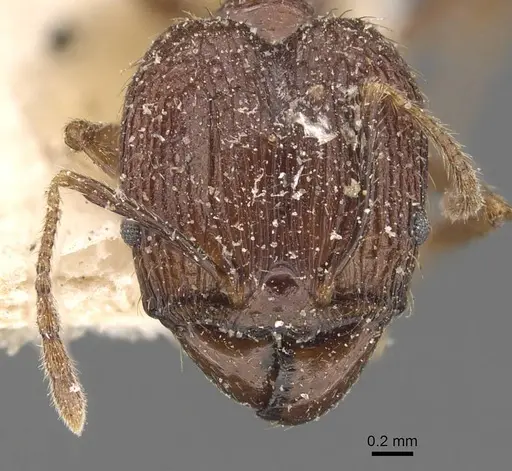
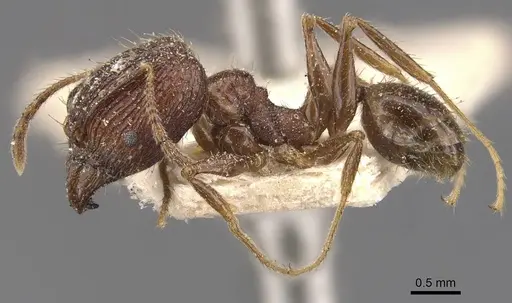
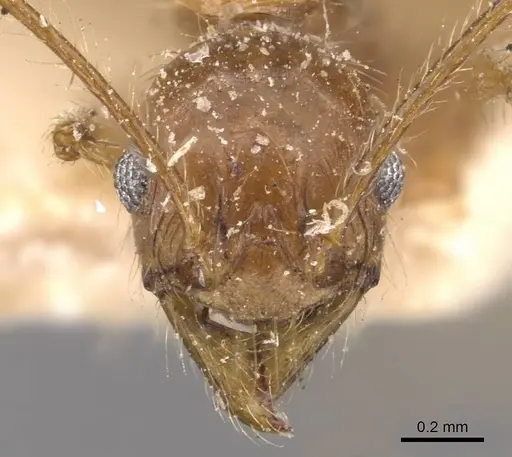
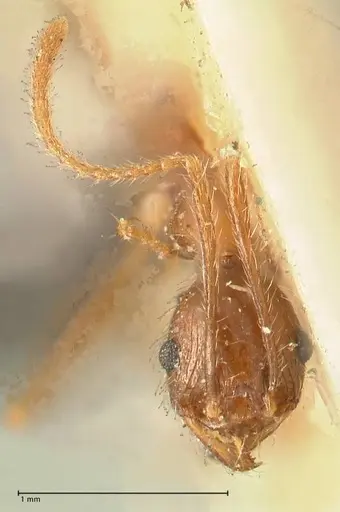
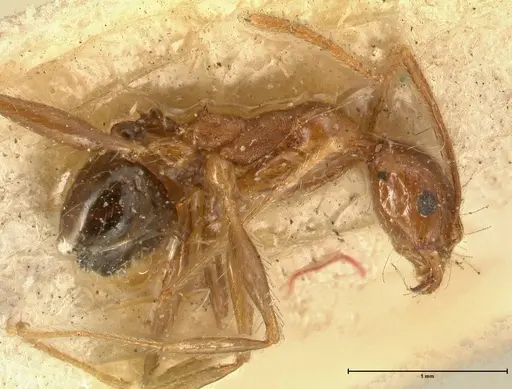
Pheidole impressiceps is an ant species of the genus Pheidole. It is primarily documented in 2 countries , including Australia, Papua New Guinea. Detailed taxonomic data and occurrence records can be further explored via authoritative databases such as AntWeb or the Global Biodiversity Information Facility (GBIF).
Pheidole impressiceps
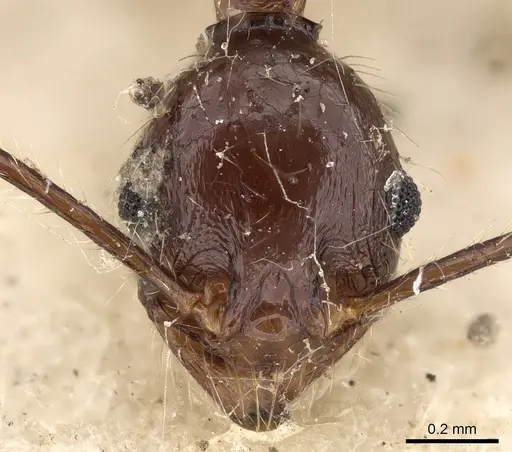
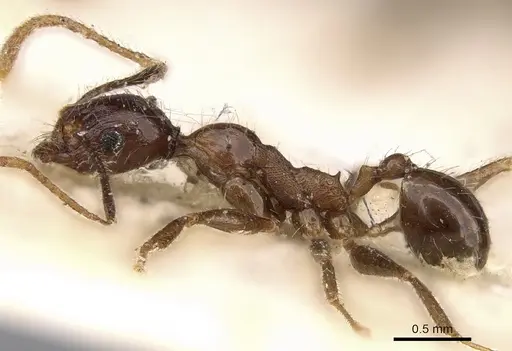
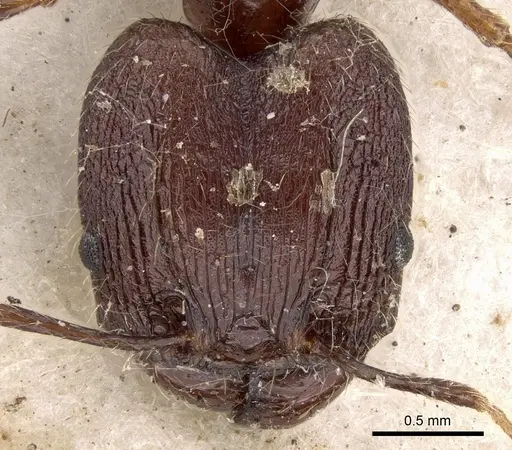
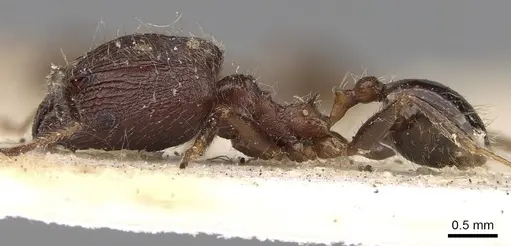
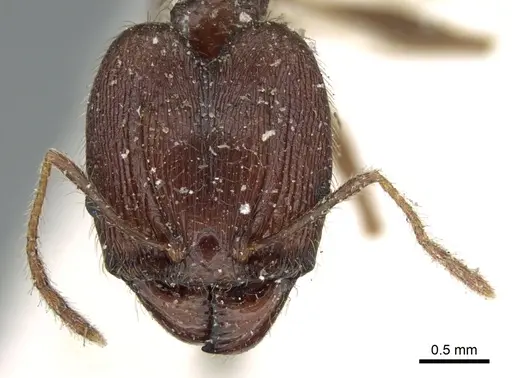
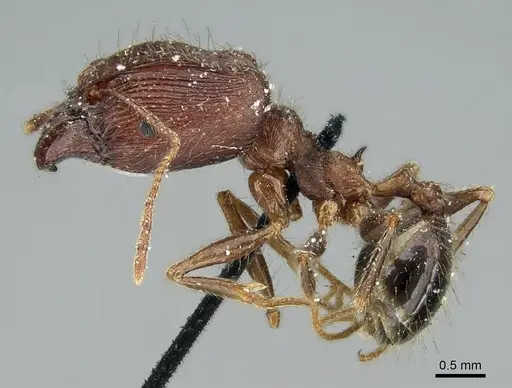
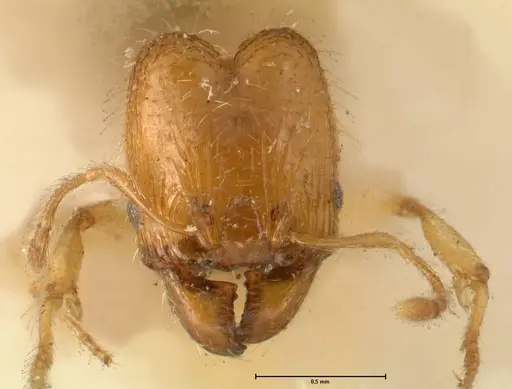
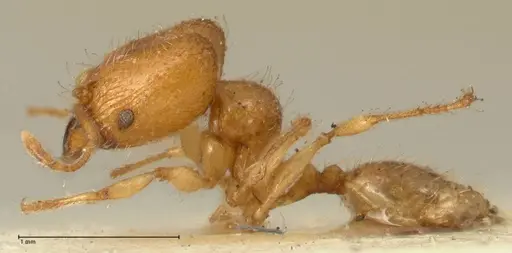
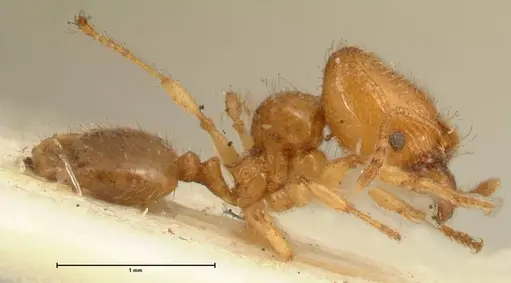
Pheidole impressiceps is a tropical ant species native to northern Australia and New Guinea, belonging to the genus known for their distinctive major workers (soldiers) with oversized heads [1]. This species is part of the Generalised Myrmicinae functional group, meaning they're versatile foragers that play important ecological roles in their native ecosystems [2]. Workers come in two sizes: smaller minor workers handle most daily tasks while major workers have large, powerful jaws for cracking seeds and defending the colony. The species was originally described by Mayr in 1876 and has been recorded across the Torresian biogeographic region spanning northern Australia and the island of New Guinea [2][3].
Quick Summary
- Difficulty: Easy
- Origin & Habitat: Northern Australia and New Guinea, tropical to subtropical regions with monsoonal climate. Found in forest environments including primary forest, and commonly recorded in northern Australia's wet-dry tropics [2][4].
- Colony Type: Single-queen colonies (monogyne), typical for most Pheidole species. Colonies establish through claustral founding where the queen seals herself in and raises the first brood alone on stored body reserves.
- Colony: Monogyne
- Founding: Claustral
- Size & Growth:
- Queen: Approximately 6-8mm, typical for Pheidole genus
- Worker: Minor workers: 2-3mm, Major workers: 3-5mm with large heads
- Colony: Colonies can reach several thousand workers given their tropical distribution and the typical large colony sizes seen in Pheidole species
- Growth: Moderate, tropical species with year-round activity potential
- Development: 6-8 weeks at tropical temperatures (25-28°C) (Development is faster than temperate species due to the warm climate this species naturally inhabits)
- Antkeeping:
- Temperature: Keep at 24-28°C. Being a tropical species from northern Australia and New Guinea, they prefer warm conditions. A heating cable on one side of the nest creates a temperature gradient they can regulate themselves [2].
- Humidity: Moderate to high humidity (50-70%). These ants inhabit tropical forests, so keep the nest substrate slightly moist but allow some drying areas. Mist occasionally and provide a water tube.
- Diapause: No, being a tropical species from the Torresian region, they do not require hibernation. Activity may slow slightly during cooler months but they remain active year-round.
- Nesting: Y-tong (AAC) nests work well for this species. The major workers can be quite large, so ensure chambers are appropriately sized. They also do well in naturalistic setups with soil or plaster nests. Provide some substrate depth for potential colony expansion.
- Behavior: Pheidole impressiceps is not aggressive and rarely stings. They are generalist foragers, actively searching for seeds, small insects, and honeydew. Major workers (soldiers) defend the colony and help process larger food items. They are moderate escape artists, the minor workers are small enough to slip through small gaps, so use standard barrier methods like fluon on test tube setups. They are primarily ground-nesting and may establish colonies in soil-filled setups.
- Common Issues: colonies can stall if temperatures drop below 22°C, keep them warm, major workers may appear threatening but they rarely sting, no significant danger to keepers, small minor workers can escape through standard test tube barriers, use fluon or petroleum jelly on rims, overfeeding can lead to mold in nest setups, remove uneaten food promptly, wild-caught colonies may contain parasites, quarantine and monitor new colonies
Housing and Nest Setup
Pheidole impressiceps does well in a variety of nest types. Y-tong (AAC) nests are excellent because they provide clear visibility and easy maintenance. The major workers are relatively large, so ensure chambers have adequate space. Alternatively, a naturalistic setup with a soil-filled container or plaster nest works well and allows the colony to create their own tunnels. For the outworld, use a simple container with a barrier like fluon or petroleum jelly around the rim to prevent escapes. A test tube setup works for founding colonies, fill one test tube with water, plug with cotton, and place the queen inside a dark container connected to an outworld. As the colony grows, you can connect additional test tubes or transition to a formicarium.
Feeding and Diet
Pheidole impressiceps is a generalist feeder. In captivity, they readily accept protein sources like small crickets, mealworms, fruit flies, and other small insects. Seeds are also part of their natural diet, they harvest and crack seeds using their major workers' powerful jaws. Offer a mix of protein foods 2-3 times per week and keep a constant sugar source available like honey water or sugar water. They will also collect honeydew if you place aphid-infested plants nearby. Remove uneaten food within 24-48 hours to prevent mold. Fresh water should always be available.
Temperature and Heating
Being a tropical species from northern Australia and New Guinea, Pheidole impressiceps thrives at warm temperatures between 24-28°C. Room temperature may be sufficient if your home stays in this range, otherwise use a heating cable or heat mat placed on one side of the nest to create a gentle temperature gradient. Never exceed 32°C as this can stress or kill the colony. A gradient allows ants to regulate their own temperature by moving between warmer and cooler areas. During cooler months, activity may naturally slow but they remain active year-round without hibernation requirements. [2]
Colony Development
A newly mated queen will seal herself in a claustral chamber and lay eggs. She feeds the first brood using her stored fat reserves and wing muscles. The first workers (nanitics) are typically smaller than normal workers and emerge after 6-8 weeks at optimal temperatures. Once the first workers emerge, the queen stops foraging and focuses on egg-laying while workers take over all colony tasks. Colony growth is moderate, expect the population to reach a few hundred workers within the first year under good conditions. Major workers (soldiers) typically appear once the colony reaches several dozen workers. Mature colonies can contain several thousand workers.
Behavior and Temperament
This species is calm and not aggressive toward keepers. They are active foragers that search the outworld for food, and major workers will emerge to help process larger prey items. They are not known to sting significantly, while they have stingers, they rarely use them and the pain is minimal for humans. The main escape risk comes from the smaller minor workers which can slip through tiny gaps. Use proper barrier techniques on all connections and ensure any gaps in your setup are sealed. They are primarily nocturnal or crepuscular in the wild but will forage at any time in captivity.
Frequently Asked Questions
How long does it take for Pheidole impressiceps to get their first workers?
At optimal temperatures (24-28°C), expect the first workers to emerge in 6-8 weeks after the queen lays eggs. This is faster than temperate species due to their tropical origin.
What do I feed Pheidole impressiceps?
They accept a varied diet including small insects (crickets, mealworms, fruit flies), seeds, and sugar sources (honey water, sugar water). Offer protein 2-3 times per week and keep sugar water available constantly.
Do Pheidole impressiceps need hibernation?
No, being a tropical species from northern Australia and New Guinea, they do not require hibernation. They remain active year-round at warm temperatures.
How big do Pheidole impressiceps colonies get?
Mature colonies can reach several thousand workers. The presence of large major workers (soldiers) distinguishes Pheidole from many other ant genera.
Can I keep multiple Pheidole impressiceps queens together?
This species is monogyne, single queen colonies. Combining unrelated queens is not recommended as they will likely fight. Only one queen per colony.
What temperature is best for Pheidole impressiceps?
Keep them at 24-28°C. Being from tropical northern Australia and New Guinea, they prefer warm conditions. A heating cable on one side of the nest creates a suitable gradient.
Are Pheidole impressiceps good for beginners?
Yes, they are considered easy to keep. They are not aggressive, don't require hibernation, and accept a wide variety of foods. The main considerations are keeping them warm and preventing escapes of the small minor workers.
When should I move Pheidole impressiceps to a formicarium?
Move them when the colony reaches 50-100 workers or when the test tube setup becomes cramped. They do well in Y-tong nests or naturalistic setups with soil.
Why are my Pheidole impressiceps dying?
Common causes include temperatures below 22°C, low humidity, mold from overfeeding, or stress from frequent disturbances. Ensure warm temperatures, adequate but not excessive humidity, and remove uneaten food promptly.
References

This caresheet is licensed under CC BY-SA 4.0 .
CASENT0219554
View on AntWeb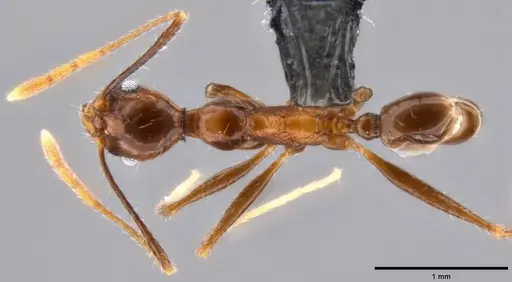
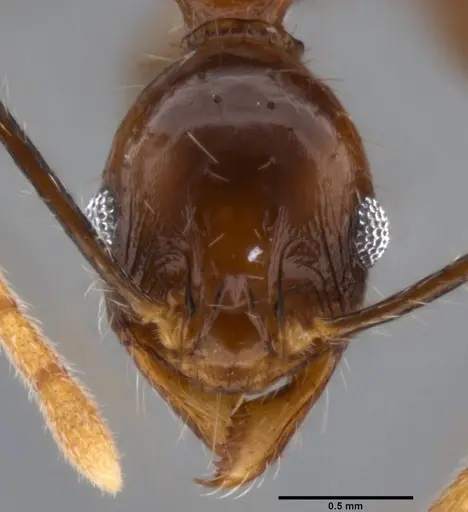
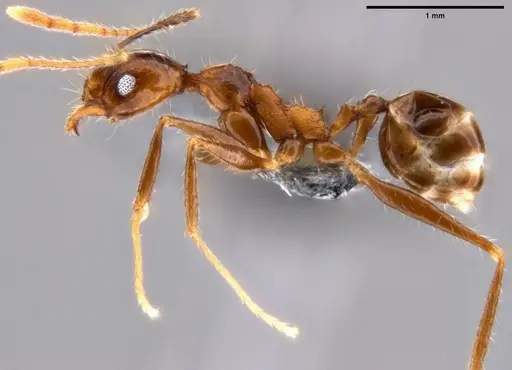
CASENT0281730
View on AntWeb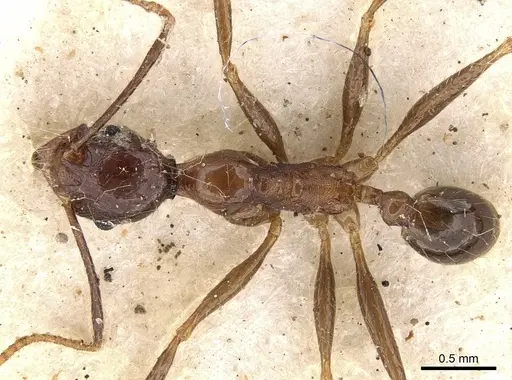
CASENT0281731
View on AntWeb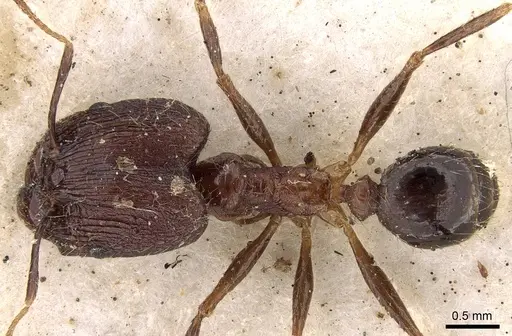
CASENT0906616
View on AntWeb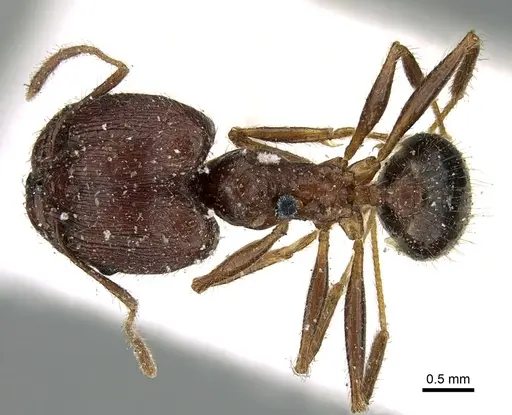
CASENT0906617
View on AntWeb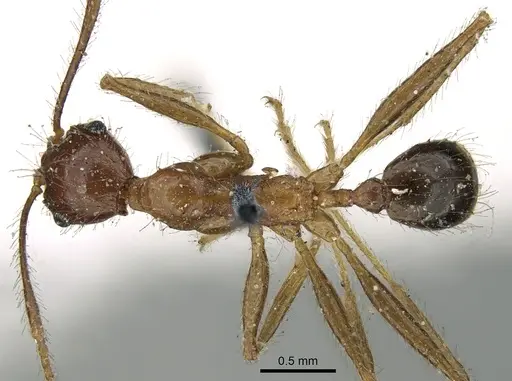
CASENT0907893
View on AntWeb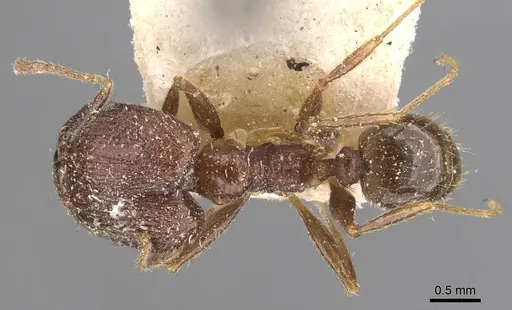
CASENT0907894
View on AntWeb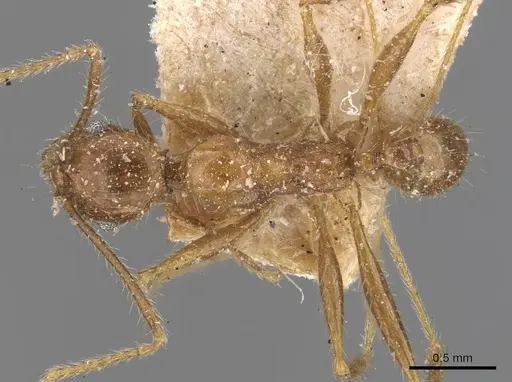
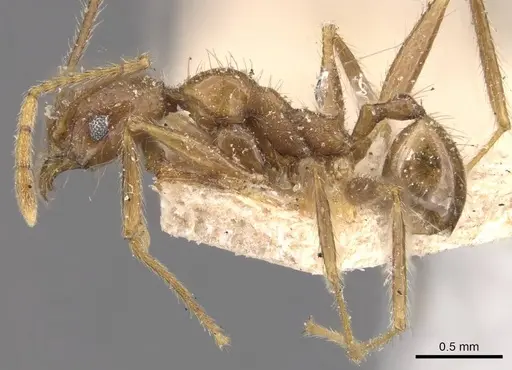
FOCOL1387
View on AntWeb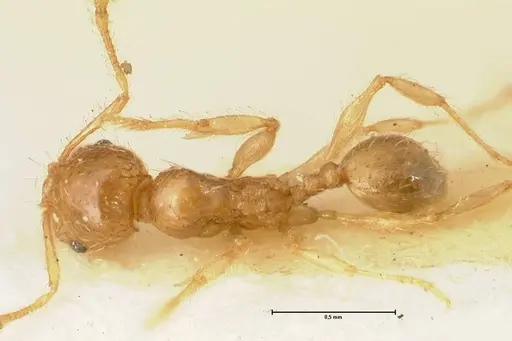
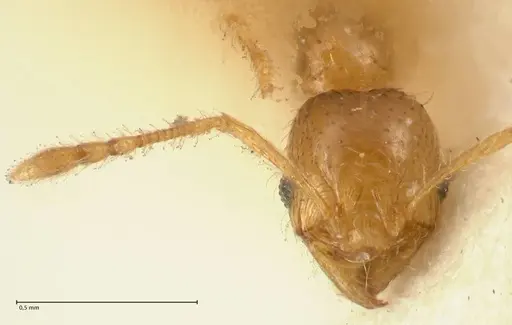
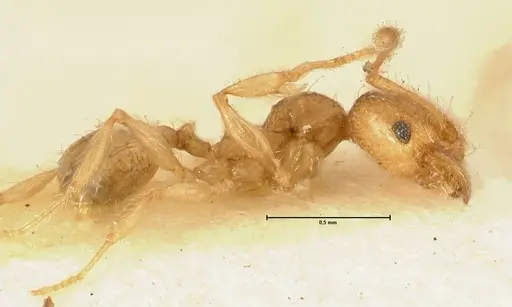
FOCOL1388
View on AntWeb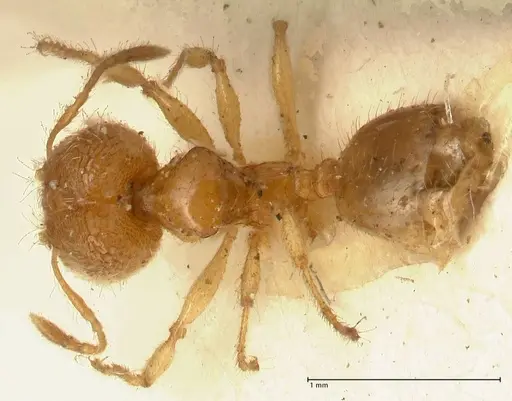
FOCOL1389
View on AntWeb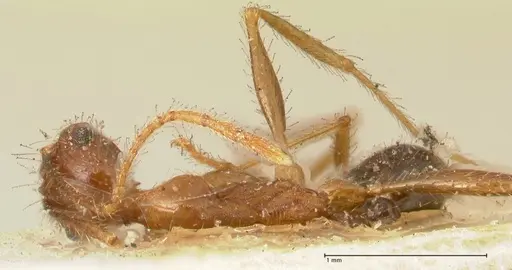
Literature
Loading...Loading products...