

Pheidole humeralis
- Scientific Name
- Pheidole humeralis
- Tribe
- Attini
- Subfamily
- Myrmicinae
- Author
- Wheeler, 1908
- Distribution
- Found in 1 countries
Pheidole humeralis Overview
Pheidole humeralis is an ant species of the genus Pheidole. It is primarily documented in 1 countries , including United States of America. Detailed taxonomic data and occurrence records can be further explored via authoritative databases such as AntWeb or the Global Biodiversity Information Facility (GBIF).
Pheidole humeralis
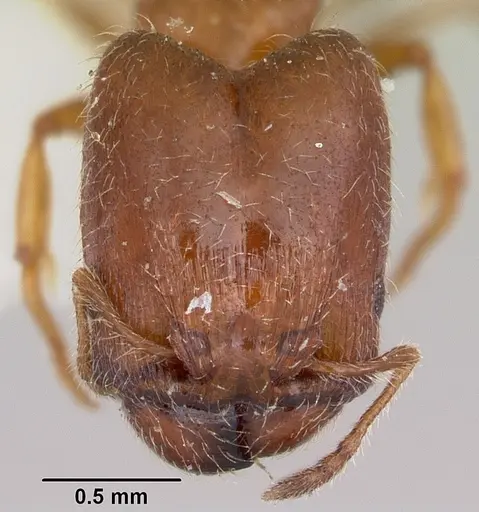
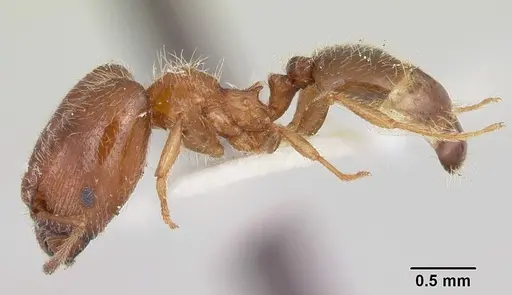
Pheidole humeralis is a small ant species native to Texas, named for its distribution in the Corsicana area. Like other Pheidole species, they have distinct worker castes, major workers (soldiers) with notably large heads and smaller minor workers. The genus is commonly called 'big-headed ants' due to this characteristic. These ants are relatively small, with minor workers measuring around 2-3mm and major workers slightly larger. They are ground-nesting ants that typically prefer warm, semi-arid to arid habitats. Their colonies develop major workers as they grow, a defining trait of the genus that makes them fascinating to watch as the soldier caste emerges.
Quick Summary
- Difficulty: Easy
- Origin & Habitat: Texas, United States, specifically documented from Corsicana [1]. They likely inhabit warm, semi-arid areas typical of central Texas, where they nest in soil or under stones.
- Colony Type: Likely monogyne (single queen) colonies based on typical Pheidole patterns. The genus is known for single-queen colonies with major and minor worker castes.
- Colony: Monogyne
- Founding: Claustral
- Size & Growth:
- Queen: Estimated 5-7mm based on typical Pheidole queen size range
- Worker: Minor workers: 2-3mm, Major workers: 3-4mm
- Colony: Likely reaches several hundred workers based on genus patterns
- Growth: Moderate
- Development: Estimated 6-8 weeks at optimal temperature based on related Pheidole species (Development time is inferred from genus patterns, actual timing for this specific species may vary)
- Antkeeping:
- Temperature: Keep at 24-28°C. They prefer warm conditions typical of their Texas habitat. A heating cable on one side of the nest creates a suitable gradient.
- Humidity: Moderate humidity around 50-60%. Allow the nest substrate to dry partially between water additions. They prefer drier conditions compared to many tropical ants.
- Diapause: Likely yes, Texas experiences cool winters. Expect reduced activity from late fall through early spring. Keep at 10-15°C during this period.
- Nesting: Test tubes work well for founding colonies. Established colonies do well in Y-tong nests, acrylic nests, or naturalistic setups with dry to moderately moist substrate. They prefer compact chambers.
- Behavior: Generally peaceful and not aggressive. Major workers (soldiers) have large heads but are primarily for seed-crushing and colony defense, not active hunting. They are not known for stinging. Minor workers are active foragers while majors typically remain in the nest. They are moderate escape artists, use standard barriers but no special escape prevention needed beyond standard measures. Foraging primarily occurs at night or during cooler parts of the day in captivity.
- Common Issues: colonies may stall if temperatures drop below 20°C for extended periods, major workers may not develop until the colony reaches moderate size, this is normal, overwatering can cause fungal problems, keep substrate drier rather than wetter, wild-caught colonies may contain parasites that can devastate captive colonies, slow initial growth during founding phase can lead to overfeeding or disturbance
Housing and Nest Setup
Pheidole humeralis adapts well to various captive setups. For founding colonies, a simple test tube setup works perfectly, fill one end with water reservoir, plug with cotton, and place the queen in the dry portion. The queen will seal herself in a chamber and raise her first brood alone. Once the colony reaches 20-30 workers, you can move them to a more visible setup. Y-tong (AAC) nests are excellent for Pheidole because they provide appropriately sized chambers and allow you to observe the colony development. Acrylic nests and plaster nests also work well. For substrate, use a moderately moist but not wet mixture, these ants prefer drier conditions than many tropical species. A thin layer of substrate in the outworld allows them to forage naturally.
Feeding and Diet
Pheidole humeralis is primarily granivorous, meaning they eat seeds, but they also readily accept protein sources. Offer small seeds like millet, chia, or dandelion seeds as a staple food source, the major workers will use their large heads to crack open seeds. For protein, offer small insects like fruit flies, small mealworms, or cricket pieces. Minor workers will drag prey items back to the nest. You can also offer a small amount of sugar water or honey occasionally, though seeds and insects should form the primary diet. Feed seeds continuously available and protein every 2-3 days. Remove uneaten prey after 24 hours to prevent mold.
Temperature and Seasonal Care
These Texas ants prefer warm conditions. Maintain temperatures between 24-28°C for optimal colony growth and development. A small heating cable placed on top of the nest (never underneath where it could evaporate water) creates a gentle warmth gradient. During the winter months (roughly November through February), expect reduced activity as the colony enters a rest period. Reduce temperature to 10-15°C during this time, this mimics their natural seasonal cycle in central Texas. Do not feed as actively during this period. Return to warm conditions in spring to trigger renewed growth.
Colony Development and Castes
One of the most interesting aspects of keeping Pheidole is watching the caste system develop. The queen lays eggs that hatch into larvae, which then pupate and emerge as minor workers first. These small workers forage, tend the brood, and care for the queen. As the colony grows, the queen will begin producing major workers (soldiers), these have dramatically enlarged heads and mandibles. Major workers serve as colony defenders and seed processors. Don't be concerned if your colony remains all-minor workers for the first several months, major workers typically appear once the colony reaches 50-100 workers. The development of majors is a sign of a healthy, growing colony.
Frequently Asked Questions
How long does it take for Pheidole humeralis to produce first workers?
Expect first workers (called nanitics) to emerge in about 6-8 weeks after the queen lays eggs, assuming optimal temperatures around 26°C. This is an estimate based on related Pheidole species, actual timing may vary slightly.
When will my colony develop major workers?
Major workers typically appear once the colony reaches 50-100 workers. This can take several months to a year depending on feeding and temperature. Be patient, the absence of majors is normal in young colonies.
What do I feed Pheidole humeralis?
Offer small seeds (millet, chia, dandelion) as a staple along with small insects (fruit flies, small mealworms, cricket pieces). Minor workers will forage for food while major workers help process seeds.
Do they need hibernation?
Yes, they benefit from a winter rest period. Reduce temperatures to 10-15°C from late fall through early spring (roughly November to February). Reduce feeding during this period.
Are Pheidole humeralis good for beginners?
Yes, they are considered easy to keep. They are forgiving of minor care mistakes, don't require high humidity, and are not aggressive. Their interesting caste system makes them engaging to watch.
How big do Pheidole humeralis colonies get?
Based on typical Pheidole patterns, colonies likely reach several hundred workers. Major colonies may approach 500-1000 workers over several years.
Can I keep multiple queens together?
Pheidole species are typically single-queen colonies. It is not recommended to keep multiple unrelated queens together as they will likely fight. Only one queen per colony.
When should I move from test tube to formicarium?
Move the colony when they outgrow the test tube or when the water reservoir becomes contaminated, typically when the colony reaches 20-40 workers. A Y-tong nest works well for the transition.
Why is my colony not growing?
Check that temperatures are in the 24-28°C range, as cool temperatures slow development. Also ensure you are offering adequate protein. If the colony is still small (under 20 workers), be patient, founding phases are naturally slow.
References

This caresheet is licensed under CC BY-SA 4.0 .
CASENT0103141
View on AntWeb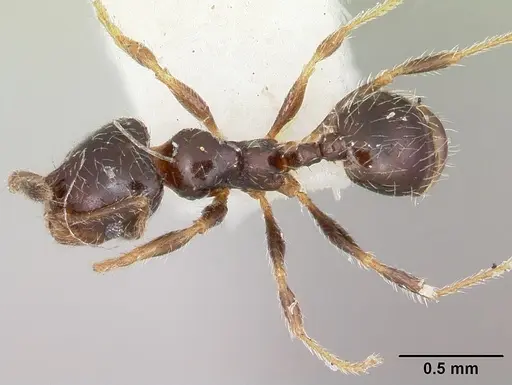
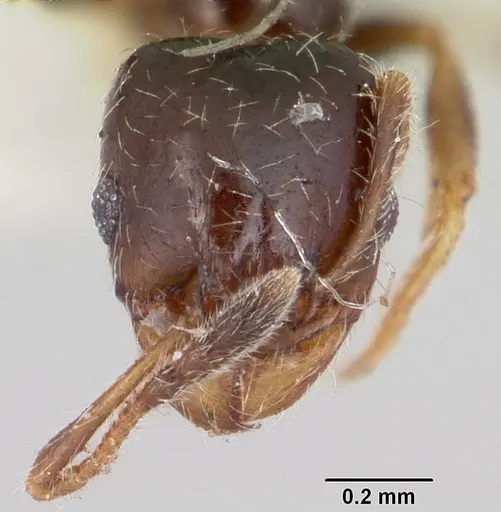
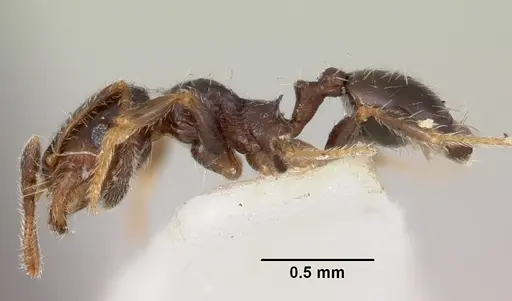
CASENT0103142
View on AntWeb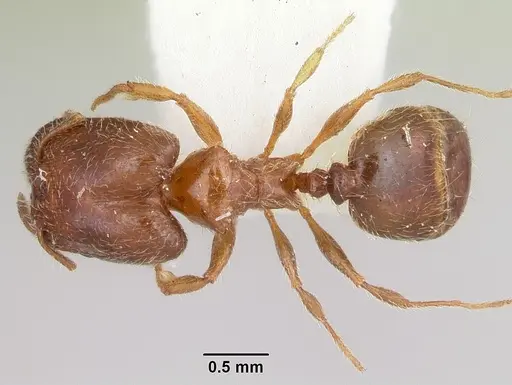
Literature
Loading...Loading products...