

Pheidole huilana
- Scientific Name
- Pheidole huilana
- Tribe
- Attini
- Subfamily
- Myrmicinae
- Author
- Wilson, 2003
- Distribution
- Found in 1 countries
Pheidole huilana Overview
Pheidole huilana is an ant species of the genus Pheidole. It is primarily documented in 1 countries , including Colombia. Detailed taxonomic data and occurrence records can be further explored via authoritative databases such as AntWeb or the Global Biodiversity Information Facility (GBIF).
Pheidole huilana
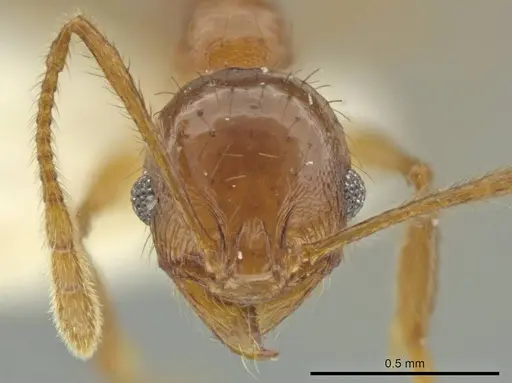
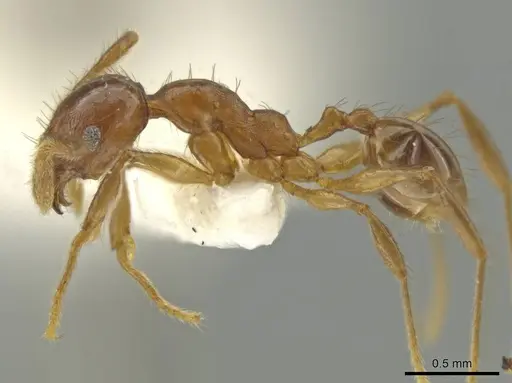
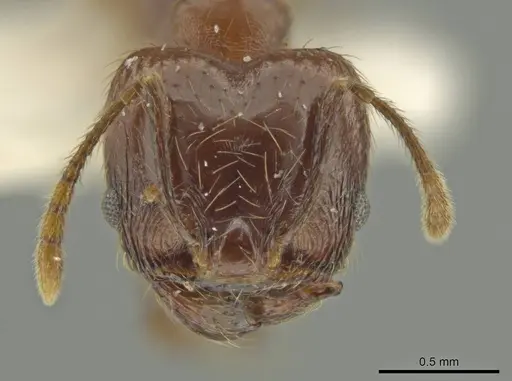
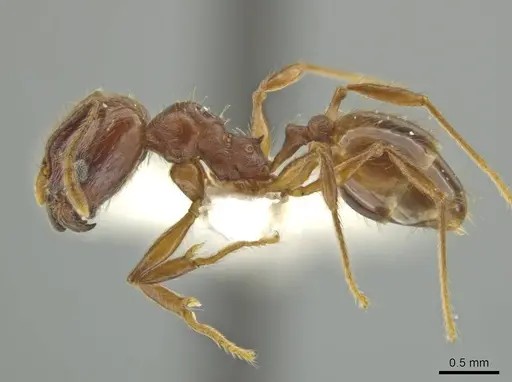
Pheidole huilana is a small dimorphic ant species native to the cloud forests of Huila, Colombia. Major workers have a very broad head (1.04mm width) with a medium reddish-brown body and dark yellow appendages, while minor workers are smaller (0.56mm width) with a yellowish-brown body. This species is known only from the type locality at 2200m elevation in Parque Nacional Cuevas de los Guacharos, making it one of the less documented Pheidole species in the New World [1][2]. The broad-headed majors and typical Pheidole morphology suggest they are seed-harvesting ants, though their exact dietary preferences remain unstudied.
Quick Summary
- Difficulty: Unknown, limited data available
- Origin & Habitat: Cloud forest in Huila, Colombia at 2200m elevation. Known only from the type locality in Parque Nacional Cuevas de los Guacharos [1][2].
- Colony Type: Unconfirmed, colony structure has not been documented in scientific literature
- Size & Growth:
- Queen: Undocumented, no queen measurements available
- Worker: Major: 1.04mm head width, Minor: 0.56mm head width [2]
- Colony: Unknown, no colony size data exists
- Growth: Unknown, development timeline has not been studied
- Development: Unknown, no direct data. Based on typical Pheidole patterns, expect 6-10 weeks at warm temperatures, but this is an estimate. (Development timeline unconfirmed for this specific species)
- Antkeeping:
- Temperature: Likely prefers cool to moderate temperatures given the 2200m cloud forest origin. Inferred estimate: 18-24°C. Start at room temperature and observe colony activity.
- Humidity: Cloud forest origin suggests high humidity needs. Inferred: 70-85% relative humidity with consistently moist substrate.
- Diapause: Unknown, no seasonal data available for this species. The 2200m elevation suggests they may experience cooler temperatures seasonally.
- Nesting: No specific nesting data exists. Based on typical Pheidole behavior and cloud forest origin, they likely nest in soil or decaying wood. A test tube setup with moist substrate or a plaster/acrylic nest works well as a starting point.
- Behavior: Behavior has not been specifically documented. As a Pheidole species, they likely have major and minor workers that divide labor, with majors potentially defending the nest and processing seeds. Escape risk is moderate given the small worker size, standard barrier methods recommended.
- Common Issues: limited data makes care recommendations uncertain, this species is known only from a few specimens, no documented colony founding behavior, unknown if claustral or semi-claustral, exact temperature and humidity requirements unconfirmed, no information on nuptial flight timing, diet preferences beyond general Pheidole patterns unknown
Appearance and Identification
Pheidole huilana is a dimorphic species with distinct major and minor workers. Major workers have a remarkably broad head with head width exceeding head length, tapering from the occiput to the clypeus. Their eyes are large and set forward, positioned almost as far forward as the distance to the front of the head. The body is medium reddish brown with dark yellow appendages. Minor workers are smaller with a large forward-set eye, yellowish-brown body, and reduced propodeal spines that appear as small denticles. The major's broad head and the minor's distinctive eye placement are the key identification features that separate this species from similar Pheidole species [2].
Distribution and Habitat
This species is known only from the type locality in Huila, Colombia. The type colony was collected in Parque Nacional Cuevas de los Guacharos, located 10km southeast of Palestina, at approximately 2200m elevation. The collection occurred in cloud forest habitat, which is characterized by high humidity, frequent mist, and moderate temperatures. The elevation and cloud forest setting suggest this species is adapted to cooler, moist conditions compared to many lowland tropical ants. This limited distribution makes P. huilana a rare species in the ant-keeping hobby, with few or no established captive colonies [1][2].
Nest Preferences and Housing
No specific nesting data exists for this species, but the cloud forest origin provides clues. In captivity, a test tube setup with a water reservoir works well for founding colonies, providing consistent humidity. For established colonies, a plaster or acrylic nest with chambers scaled to their small size (minor workers are only 0.56mm) would be appropriate. The nest should maintain high humidity, think damp forest floor conditions. Given their small size, ensure escape prevention is adequate, as minors could potentially squeeze through small gaps. A naturalistic setup with moist soil and some decaying wood pieces may help replicate their natural cloud forest environment [3].
Feeding and Diet
Diet has not been specifically documented for P. huilana, but as a Pheidole species, they are likely granivorous (seed-eating) and omnivorous, similar to most members of this genus. Pheidole ants typically consume seeds, small insects, and honeydew. In captivity, offer a varied diet including small seeds (grass seeds work well), protein sources like small insects or mealworm pieces, and sugar water or honey as an energy source. Feed protein 2-3 times per week and keep sugar water available. The major workers' broad heads suggest they are specialized for seed processing, so including seeds in their diet is important [3].
Temperature and Seasonal Care
The 2200m cloud forest origin suggests this species prefers cooler temperatures than typical tropical ants. Based on the habitat inference, aim for temperatures in the 18-24°C range, cooler than most ant species kept in captivity. Room temperature (20-22°C) is likely suitable for this species. Avoid overheating, as they come from a relatively cool mountain environment. No specific data exists regarding diapause or winter requirements, but the seasonal temperature variation at 2200m elevation suggests they may tolerate or even benefit from a slight cooling period during winter months, perhaps reducing to 15-18°C for a few months.
Behavior and Colony Structure
Pheidole species are characterized by dimorphic workers, major workers have enlarged heads for seed processing and defense, while minor workers handle most foraging and brood care. For P. huilana specifically, the major's very broad head (HW greater than HL) suggests strong seed-processing specialization. Colony structure (monogyne vs polygyne) is unconfirmed for this species. Behavior is not documented, but expect typical Pheidole patterns: majors may guard the nest and process seeds, while minors handle most external tasks. They are likely not aggressive toward keepers but will defend the nest if threatened. Escape prevention should be moderate, their small size means standard barriers are usually sufficient [3].
Frequently Asked Questions
How do I care for Pheidole huilana ants?
Care is uncertain due to limited data. Based on their cloud forest origin (2200m elevation in Huila, Colombia), provide cool to moderate temperatures (18-24°C), high humidity (70-85%), and a moist nest environment. Feed seeds, small insects, and sugar water. This species is rarely kept in captivity and most care recommendations are inferred from genus patterns rather than direct observation.
What do Pheidole huilana ants eat?
Diet is unconfirmed but likely follows typical Pheidole patterns, seeds, small insects, and honeydew. Offer grass seeds, small protein sources like fruit flies or mealworm pieces, and sugar water or honey. The major workers' broad heads suggest they are specialized seed processors.
How long does it take for Pheidole huilana to raise first workers?
Development timeline is unknown, no specific data exists. Based on typical Pheidole development, expect 6-10 weeks from egg to first worker at optimal warm temperatures (around 20-24°C). This is an estimate, not a confirmed timeline.
Are Pheidole huilana ants good for beginners?
No, this species is not recommended for beginners. It is known only from a few specimens in scientific collections, with virtually no captive husbandry data. Care recommendations are largely inferred from genus patterns rather than established husbandry experience.
What size colony does Pheidole huilana reach?
Colony size is unknown, no colony size data exists in scientific literature. Most Pheidole colonies reach several hundred to a few thousand workers, but this is just a general genus estimate.
What temperature should I keep Pheidole huilana at?
Based on their cloud forest origin at 2200m elevation, aim for cooler temperatures than typical tropical ants, approximately 18-24°C. Room temperature (20-22°C) is likely suitable. Avoid overheating.
Can I keep multiple queens together?
Colony structure is unconfirmed. Pheidole species can be either monogyne (single queen) or polygyne (multiple queens), but no data exists for this specific species. Do not attempt combining unrelated queens without established husbandry data.
When do Pheidole huilana nuptial flights occur?
Nuptial flight timing is unknown. The type colony was collected in January 1978 and included a male, suggesting some seasonal timing, but insufficient data exists to determine flight patterns.
What makes Pheidole huilana different from other Pheidole?
This species is distinguished by the major worker's very broad head (head width greater than head length) and the minor worker's reduced propodeal spines. It is known only from a single location in Colombian cloud forest, making it one of the rarest Pheidole species in captivity.
References

This caresheet is licensed under CC BY-SA 4.0 .
CASENT0645801
View on AntWeb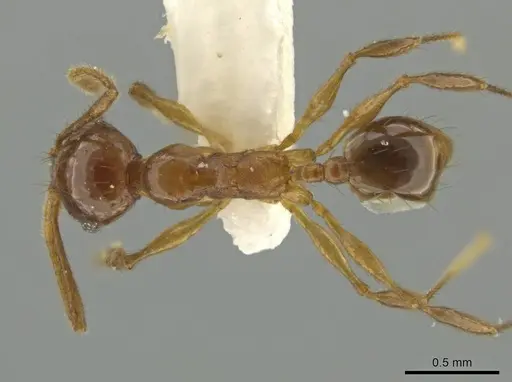
JTLC000016408
View on AntWeb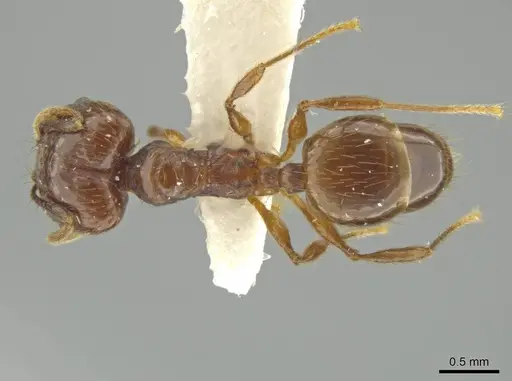
Literature
Loading...Loading products...