

Pheidole huberi
- Scientific Name
- Pheidole huberi
- Tribe
- Attini
- Subfamily
- Myrmicinae
- Author
- Forel, 1911
- Distribution
- Found in 1 countries
Pheidole huberi Overview
Pheidole huberi is an ant species of the genus Pheidole. It is primarily documented in 1 countries , including Malaysia. Detailed taxonomic data and occurrence records can be further explored via authoritative databases such as AntWeb or the Global Biodiversity Information Facility (GBIF).
Pheidole huberi
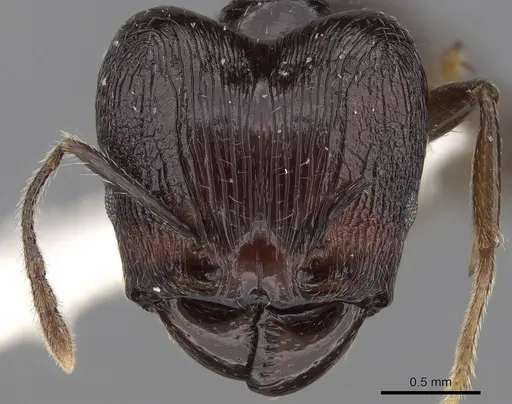
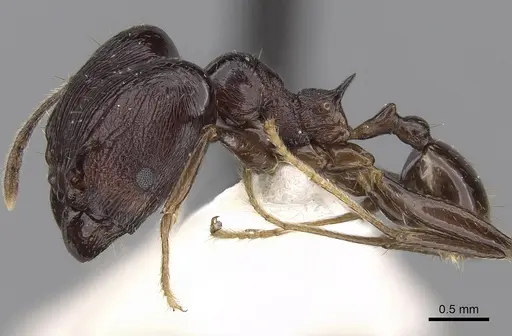
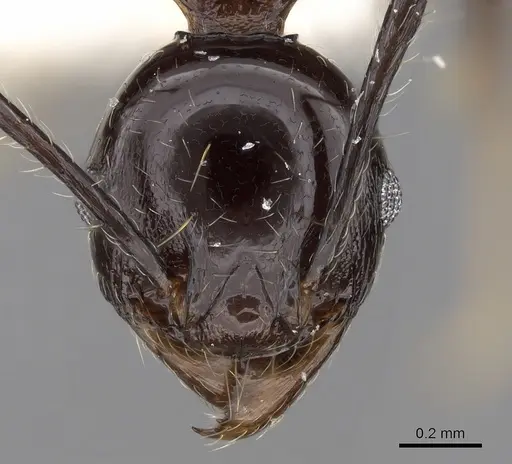
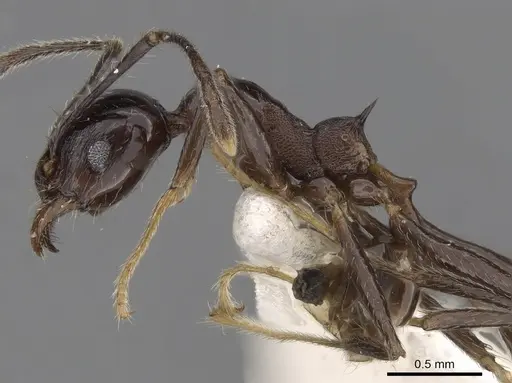
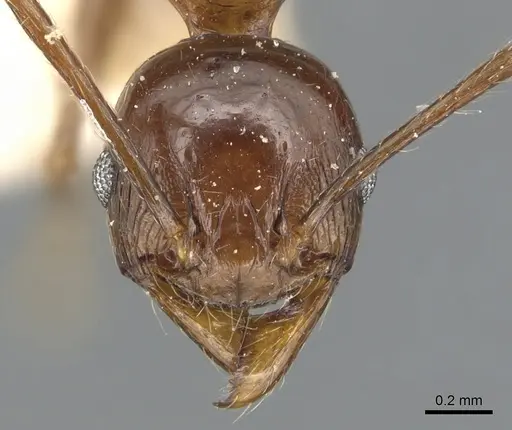
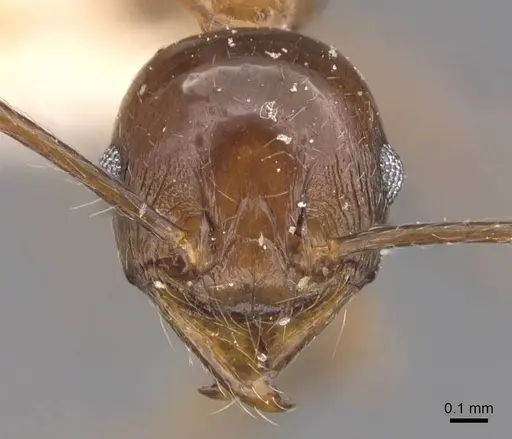
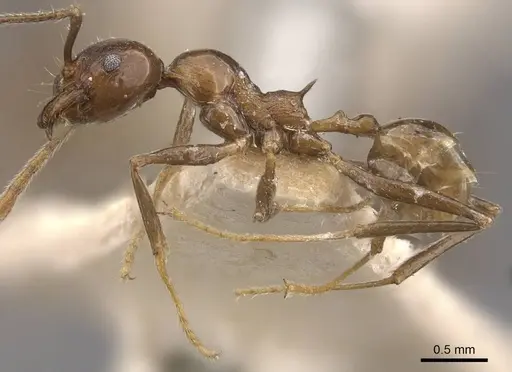
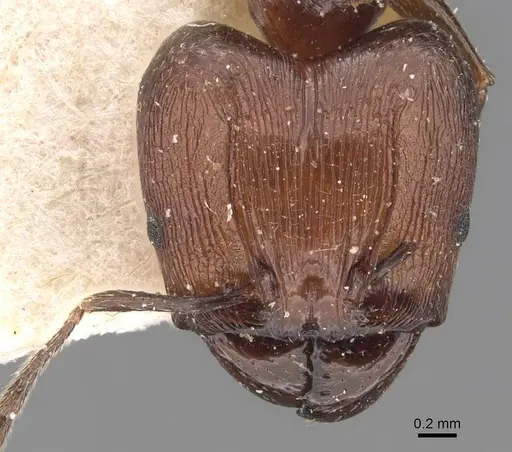
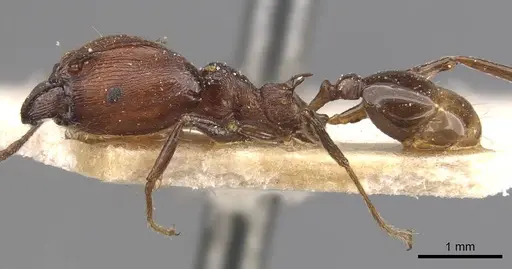
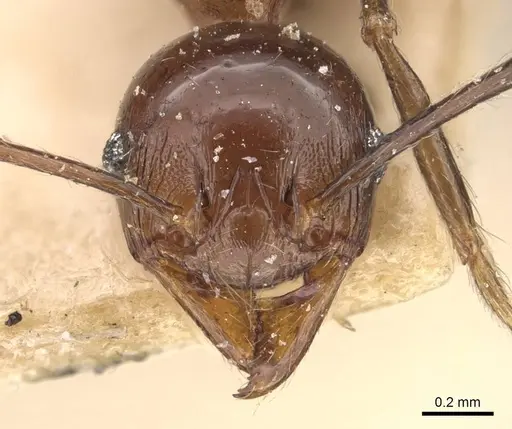
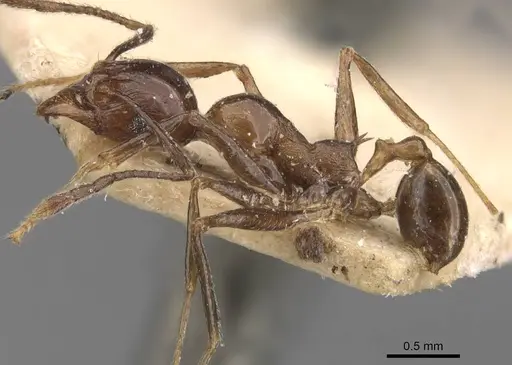
Pheidole huberi is a medium- to large-sized ant species native to Southeast Asia, found in southern Malay Peninsula, Borneo, and Sumatra. This species inhabits well-developed forests and is characterized by having major (soldier) and minor workers. The majors measure 3.6-3.9 mm with distinctive features including a broad head that is widest toward the back, a concave posterior head margin, and three median processes on the hypostoma. The minors are smaller at 2.3-3.0 mm. Both castes lack standing hairs on the alitrunk (the middle body section), which is unusual among related species. The body coloration ranges from reddish-brown to dark reddish-brown. This species was originally described by Forel in 1911,with later taxonomic revisions by Eguchi confirming it as a distinct species separate from the synonymized perakensis [1].
Quick Summary
- Difficulty: Medium
- Origin & Habitat: Southern Malay Peninsula, Borneo, and Sumatra. This species inhabits well-developed (mature) forests, particularly documented in alluvial forest zones in Borneo [2][1].
- Colony Type: Single-queen colonies (monogyne) typical of the genus Pheidole. Colonies develop distinct major and minor worker castes.
- Colony: Monogyne
- Founding: Claustral
- Size & Growth:
- Queen: Not directly measured for this species, estimated 7-9mm based on genus patterns for medium-large Pheidole
- Worker: Major: 3.6-3.9 mm, Minor: 2.3-3.0 mm [1]
- Colony: Likely several hundred workers based on typical Pheidole colony sizes
- Growth: Moderate, typical for tropical Pheidole species
- Development: Estimated 6-8 weeks at optimal tropical temperatures based on genus patterns (Development time inferred from typical Pheidole genus behavior, direct measurements for this species are unconfirmed)
- Antkeeping:
- Temperature: Keep at 24-28°C. As a tropical forest species from Southeast Asia, they need warm conditions year-round. A heating cable on one side of the nest can create a gentle gradient.
- Humidity: High humidity required, think damp rainforest floor. Keep nest substrate consistently moist but not waterlogged. Provide a water tube for drinking water.
- Diapause: No true diapause, this is a tropical species that does not experience cold winters. However, activity may slow slightly during cooler months in captivity.
- Nesting: In nature they nest in soil and rotting wood in forest floors. In captivity, a Y-tong (AAC) nest or plaster nest works well. They prefer tight chambers scaled to their size. A naturalistic setup with soil and hiding spots also works.
- Behavior: This species shows typical Pheidole behavior with distinct worker castes. Majors are larger and serve as soldiers and food processors, while minors handle most foraging and brood care. They are active foragers and will collect food items. The minor workers are about 2-3mm and can escape through small gaps, use fine mesh barriers. They are not aggressive toward keepers but majors can deliver a mild sting if provoked. Escape prevention should be moderate to good given their small size.
- Common Issues: tropical species needs warmth, cold temperatures below 20°C can slow or stop brood development, high humidity is essential, dry conditions cause colony decline, small minor workers can escape through standard test tube setups, use fine mesh and tight-fitting lids, colonies may be slow to establish initially, patience is needed during founding phase, major workers develop later than minors, don't be alarmed if early colonies are all minors
Nest Preferences
Pheidole huberi naturally nests in soil and rotting wood within mature forest floors in tropical Southeast Asia. In captivity, they adapt well to various nest types. Y-tong (acrylic) nests work excellently as they provide good visibility and humidity control. Plaster nests are also suitable and help maintain moisture. If using test tubes, ensure the cotton is properly packed to prevent escapes through the water reservoir. The nest should have chambers scaled to their size, not too large or too small. They prefer dark conditions and will typically seal off bright areas. A naturalistic setup with a soil layer and decorative elements can also work well, though it makes observation more difficult. Keep the nest humid but ensure ventilation prevents mold buildup. [1]
Feeding and Diet
Based on stable isotope studies in Borneo, Pheidole huberi occupies a higher trophic level (δ15Ncor=4.99), indicating they are predatory or scavenge on other small invertebrates [2]. In captivity, offer them a varied diet including small live prey like fruit flies, pinhead crickets, and mealworms. They will also accept protein-based commercial ant foods. Sugar sources like honey water or sugar water are typically accepted, offer these 2-3 times per week. Fresh fruits can also be given occasionally. Feed them 2-3 times per week, removing any uneaten prey after 24 hours to prevent mold. The presence of major workers means they can process larger food items than many other ant species.
Temperature and Care
As a tropical species from Southeast Asia, Pheidole huberi requires warm temperatures between 24-28°C for optimal colony development. Room temperature may be sufficient in warm climates, but most keepers will need supplemental heating. A heating cable placed on one side of the nest creates a temperature gradient that allows the ants to self-regulate. Never let temperatures drop below 20°C for extended periods as this can slow brood development and potentially harm the colony. Since they come from a tropical environment with consistent warmth year-round, they do not require hibernation or diapause. However, activity may naturally decrease during cooler periods in your home. Monitor colony behavior, if workers become sluggish and cluster together, the temperature may be too low. [1]
Behavior and Temperament
Pheidole huberi displays the classic Pheidole caste system with distinct major and minor workers. The majors (soldiers) are significantly larger with enlarged heads and serve roles in colony defense and food processing. The minors handle most daily tasks including foraging, brood care, and nest maintenance. This species is not particularly aggressive toward keepers but majors can deliver a mild sting if they feel threatened. They are active foragers and will readily explore their outworld for food. The minor workers are small (2-3mm) and can fit through surprisingly small gaps, excellent escape prevention is essential. Use fine mesh barriers, fluon on test tube rims, and ensure all connections are secure. Colonies are moderately fast-moving and can become skittish when the nest is disturbed. [1]
Colony Growth and Development
Colony development follows typical Pheidole patterns. After the claustral queen seals herself in, she will lay eggs and raise the first brood using stored energy reserves. The first workers (nanitics) are typically smaller than normal minors and emerge within 6-8 weeks under optimal conditions. After the first workers arrive, the queen reduces her egg production temporarily while the colony establishes. Major workers begin appearing as the colony grows, usually when the colony reaches several dozen workers. Growth rate is moderate, expect several months before you have a visibly active colony with majors. Colonies can eventually reach several hundred workers in well-established setups. The presence of majors is a sign of a healthy, growing colony.
Humidity Requirements
Being a tropical forest species from Borneo and Sumatra, Pheidole huberi requires high humidity. The nest substrate should remain consistently moist but never waterlogged. A damp substrate that feels moist to the touch is ideal. In test tube setups, ensure the water reservoir is adequately sized but not so large that it floods the colony. In Y-tong or plaster nests, mist the nest occasionally and monitor condensation levels. The ideal range is moderate to high condensation visible on nest walls, which then dissipates between misting. Too dry and brood will fail to develop, too wet and mold becomes a problem. Provide a water tube as a drinking source as well. [1]
Frequently Asked Questions
How long does it take for Pheidole huberi to have first workers?
Expect first workers (nanitics) to emerge in 6-8 weeks under optimal warm conditions (24-28°C). This is based on typical Pheidole genus development patterns since specific timing for this species is unconfirmed. The queen will remain sealed in her founding chamber until the first workers arrive.
What do Pheidole huberi ants eat?
They are predatory/scavenging ants based on isotope studies showing they occupy a higher trophic level. Feed them small live prey like fruit flies, pinhead crickets, and small mealworms. They also accept sugar sources like honey water or sugar water. Offer protein 2-3 times per week and keep sugar water available constantly.
Can I keep multiple Pheidole huberi queens together?
Pheidole species are typically monogyne (single queen). Combining unrelated foundress queens is not recommended as they will likely fight. If you obtain a colony, it should have one queen. Multiple queen situations (pleometrosis) have not been documented for this specific species.
What temperature do Pheidole huberi ants need?
Keep them warm at 24-28°C. This tropical species from Southeast Asia needs consistent warmth year-round. Use a heating cable on one side of the nest if your room temperature is below this range. Avoid temperatures below 20°C as this can harm the colony.
Do Pheidole huberi need hibernation?
No, they do not require hibernation. As a tropical species from Borneo and Sumatra, they experience year-round warm temperatures in their natural habitat. They may show reduced activity during cooler periods in captivity but no special winter care is needed.
How big do Pheidole huberi colonies get?
Based on typical Pheidole colony sizes, expect colonies to reach several hundred workers over time. The exact maximum for this species is unconfirmed, but medium-large Pheidole species typically reach 300-500 workers in captivity. Colonies will develop distinct major and minor castes as they grow.
Why are my Pheidole huberi dying?
Common causes include: temperatures below 20°C (tropical species need warmth), dry conditions (they need high humidity), poor escape prevention allowing escapes, or insufficient protein in their diet. Check that your setup maintains proper warmth and humidity, and ensure you are feeding adequate prey items. Colonies can also fail during the founding phase if the queen is disturbed.
Are Pheidole huberi good for beginners?
They are rated as medium difficulty. While not the most challenging species, they do require attention to temperature and humidity (tropical requirements). They are more demanding than hardy temperate species but easier than some exotic species. Beginners should be prepared to provide consistent warmth and humidity.
References

This caresheet is licensed under CC BY-SA 4.0 .
CASENT0281710
View on AntWeb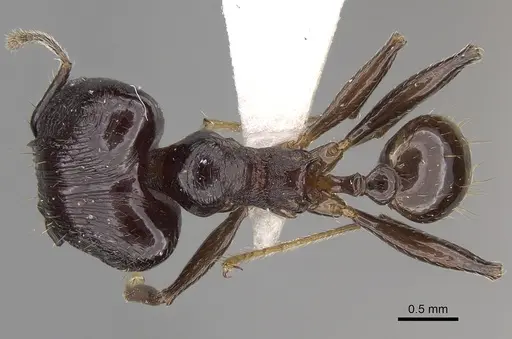
CASENT0281711
View on AntWeb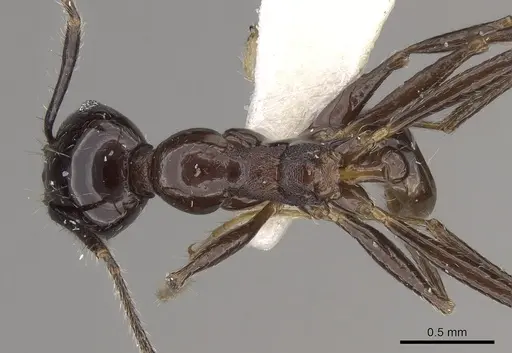
CASENT0904246
View on AntWeb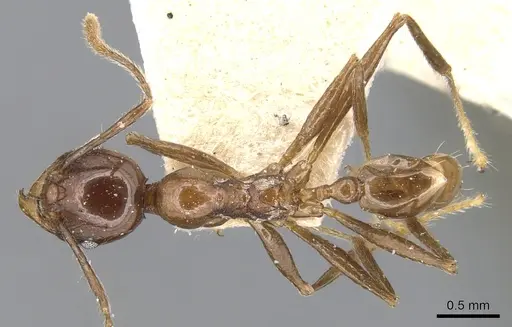
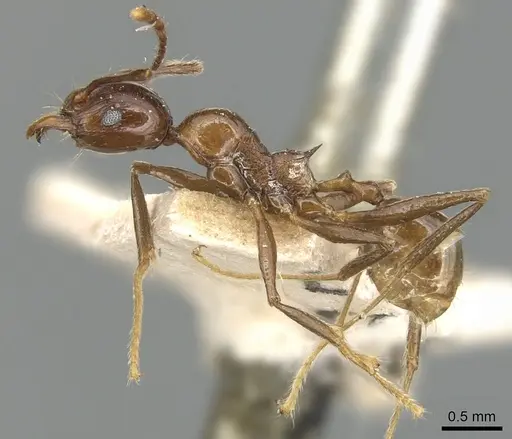
CASENT0907889
View on AntWeb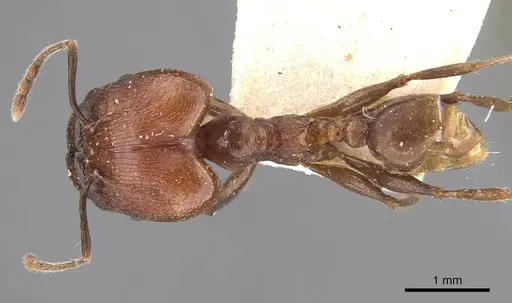
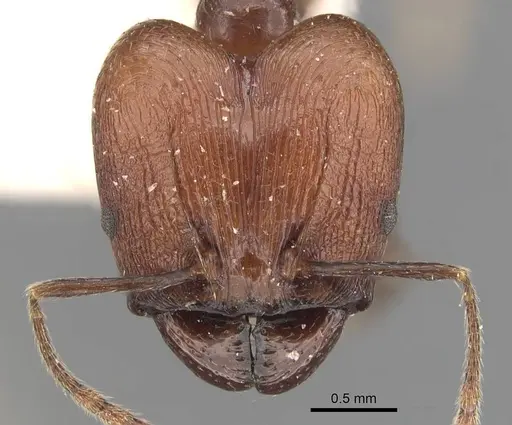
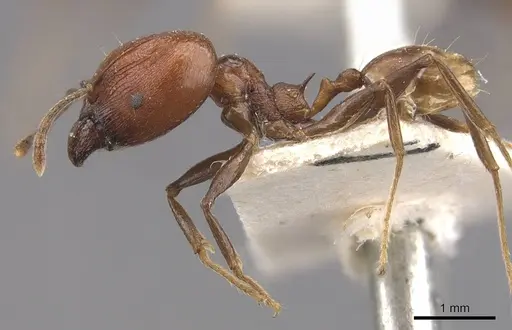
CASENT0907890
View on AntWeb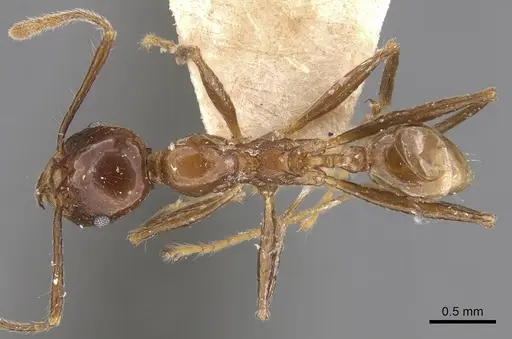
CASENT0907891
View on AntWeb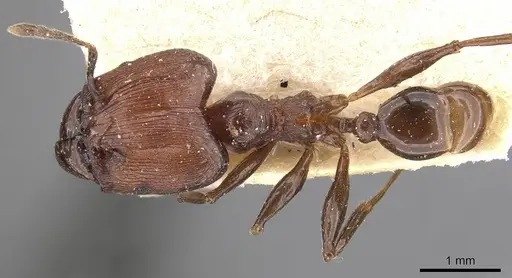
CASENT0907892
View on AntWeb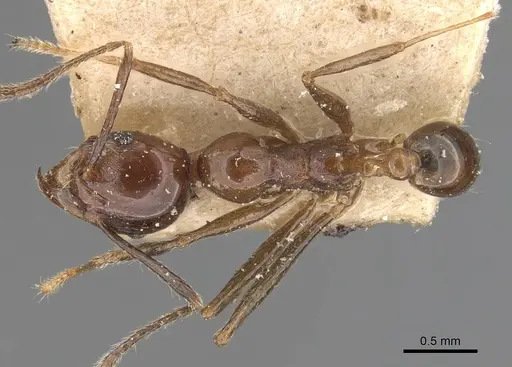
Literature
Loading...Loading products...