

Pheidole hospes
- Scientific Name
- Pheidole hospes
- Tribe
- Attini
- Subfamily
- Myrmicinae
- Author
- Smith, 1865
- Distribution
- Found in 3 countries
Pheidole hospes Overview
Pheidole hospes is an ant species of the genus Pheidole. It is primarily documented in 3 countries , including Australia, Indonesia, Papua New Guinea. Detailed taxonomic data and occurrence records can be further explored via authoritative databases such as AntWeb or the Global Biodiversity Information Facility (GBIF).
Pheidole hospes
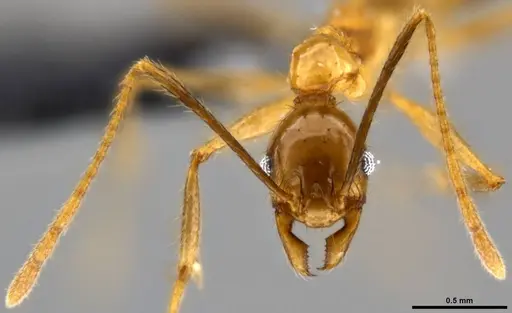
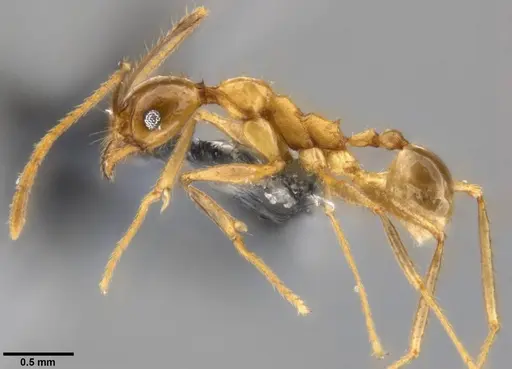
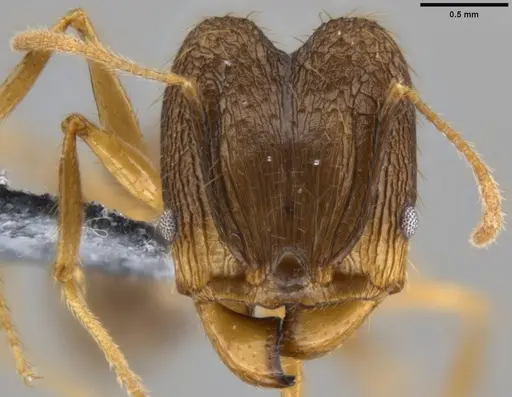
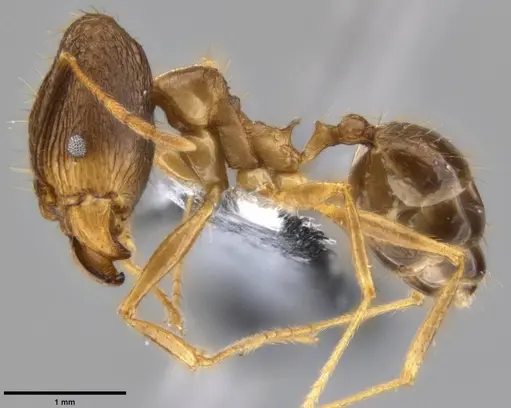
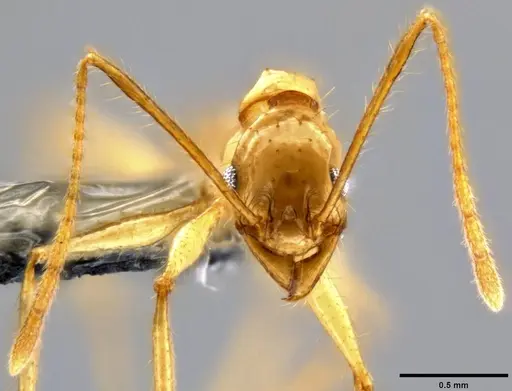
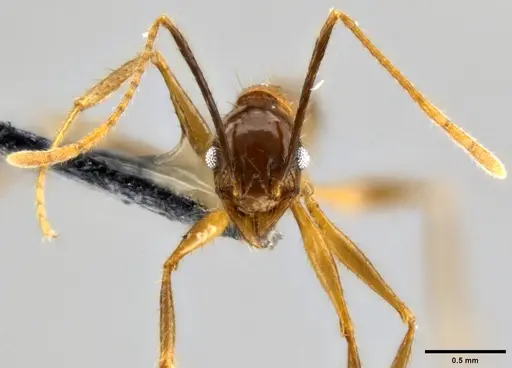
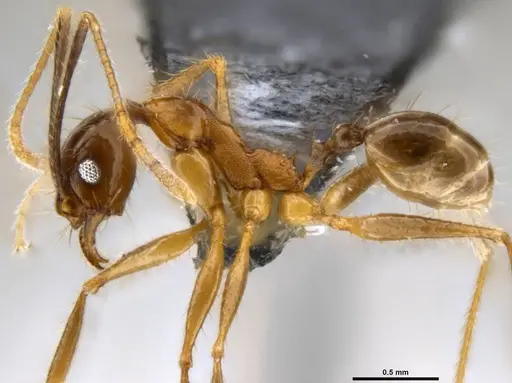
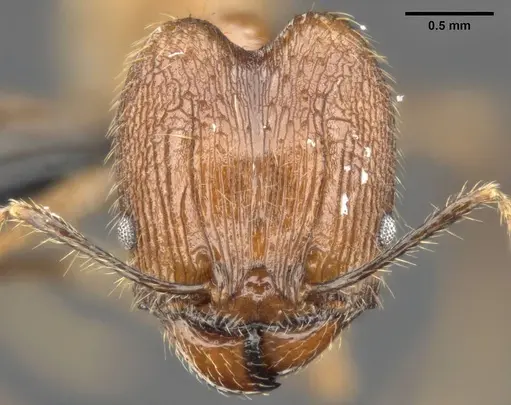
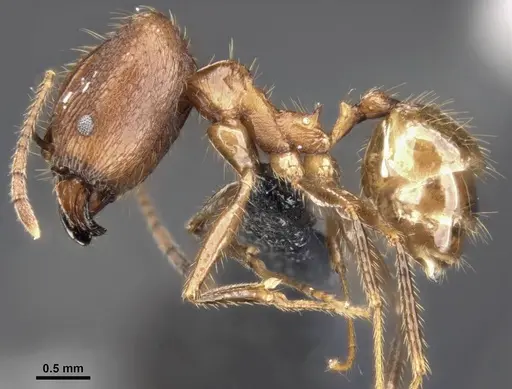
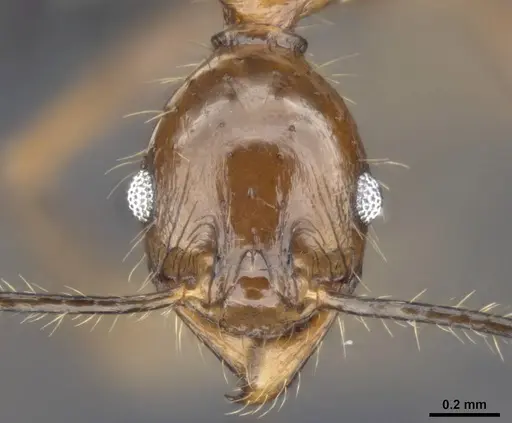
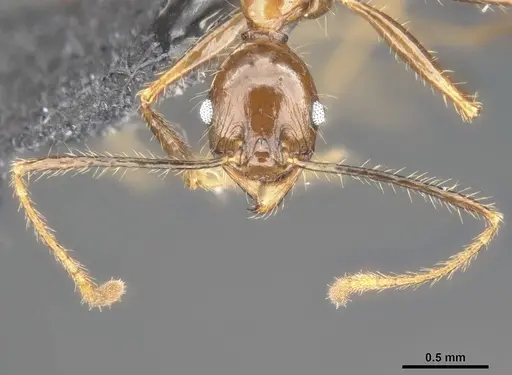
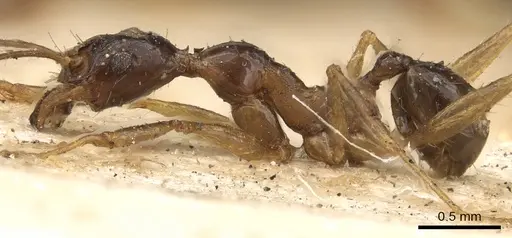
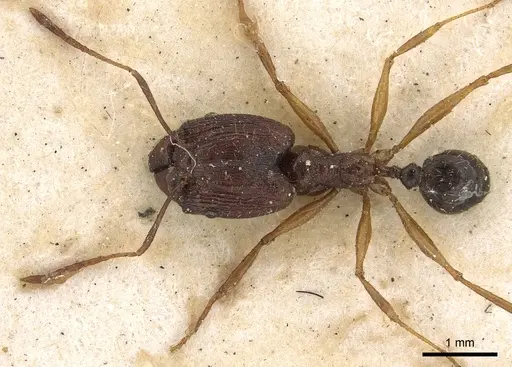
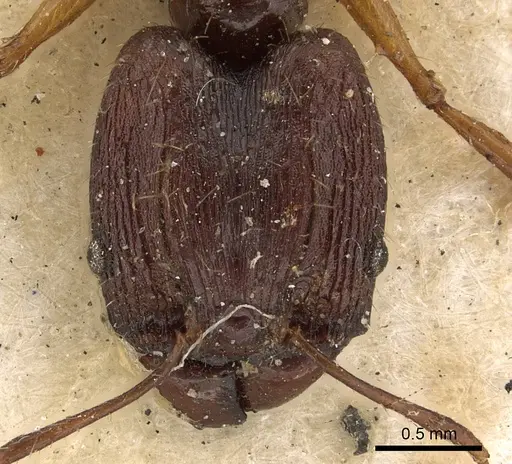
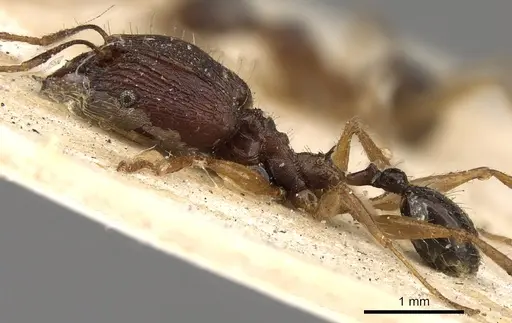
Pheidole hospes is a dimorphic Myrmicinae ant from New Guinea, known for its distinct major and minor worker castes. Majors have notably enlarged heads with powerful mandibles, while minors are smaller and more typical in appearance. The species is native to the Australasian region, specifically New Guinea and surrounding islands. These ants are found in tropical rainforest environments across elevation gradients from lowland to montane areas, with documented nesting at 200m and 900m elevations in Papua New Guinea [1]. The genus Pheidole is characterized by colonies containing both soldiers (majors) and workers (minors), with majors primarily serving defensive and seed-processing roles.
Quick Summary
- Difficulty: Medium
- Origin & Habitat: New Guinea and associated islands in the Australasian region. These ants inhabit tropical rainforest environments across various elevations, from lowland areas around 200m to montane zones around 900m [1].
- Colony Type: Likely single-queen colonies (monogyne), which is typical for the genus Pheidole, though this specific species has not been extensively studied for colony structure.
- Colony: Monogyne
- Founding: Claustral
- Size & Growth:
- Queen: Estimated 7-9mm based on genus patterns for Pheidole species
- Worker: Minors: 3-4mm, Majors: 5-7mm based on typical Pheidole dimorphism
- Colony: Likely several thousand workers at maturity based on genus patterns
- Growth: Moderate to fast
- Development: 6-8 weeks estimated based on typical Pheidole development (Development time is inferred from genus-level data, as specific timing for P. hospes has not been documented)
- Antkeeping:
- Temperature: Keep at 24-28°C, mimicking their tropical rainforest origin. A slight gradient allows ants to self-regulate.
- Humidity: High humidity around 70-80% is ideal. These ants come from damp tropical environments, so keep the nest substrate consistently moist but not waterlogged.
- Diapause: No diapause required, as a tropical species, they do not need hibernation. Maintain consistent warmth year-round.
- Nesting: Accepts various nest types including test tubes, Y-tong (AAC) nests, and plaster or acrylic formicaria. Provide a moist substrate and ensure chambers are appropriately sized for both major and minor workers.
- Behavior: Pheidole hospes is generally peaceful and non-aggressive. Majors serve as defenders and help process seeds and larger food items, while minors handle most foraging and brood care. They are active foragers that will recruit nestmates to food sources. Escape risk is moderate, both castes are capable climbers, so standard barrier methods work well.
- Common Issues: colonies may decline if temperature drops below 22°C for extended periods, tropical species are sensitive to cool conditions, major workers can get stuck in narrow tubing if passages are too small, use appropriately sized connections, overfeeding can lead to mold problems in the nest, remove uneaten food promptly, wild-caught colonies may harbor parasites, quarantine and observe new colonies before introducing to established setups
Housing and Nest Setup
Pheidole hospes adapts well to various captive setups. Test tube setups work well for founding colonies, use a water reservoir tube connected to a foraging area. For established colonies, Y-tong (AAC) nests or acrylic formicaria with moist chambers are excellent choices. The key is maintaining humidity while ensuring adequate ventilation to prevent mold. Provide a foraging area that is roughly three times the size of the nest chamber. Because majors have large heads, ensure any tubing or connections are wide enough to prevent them getting stuck, aim for passages at least 5-6mm in diameter.
Feeding and Diet
Pheidole species are omnivorous with a preference for protein. Offer a varied diet including small insects (fruit flies, pinhead crickets, mealworms), protein-rich foods like boiled egg or fish flakes, and sugar sources (honey water, sugar water). Majors are particularly adept at processing seeds and hard-bodied prey. Feed every 2-3 days, removing any uneaten food within 24 hours to prevent mold. Fresh water should always be available.
Temperature and Humidity Management
As a tropical species from New Guinea, Pheidole hospes requires warm and humid conditions. Maintain temperatures between 24-28°C using a heating cable or mat on one side of the nest if room temperature is below this range. Place the heating element on top of the nest to warm the area gently without evaporating moisture too quickly. Humidity should be kept at 70-80%, which you can achieve by keeping the water reservoir filled and misting the foraging area occasionally. Monitor for condensation, some condensation is good but excessive moisture can drown colonies.
Colony Development and Growth
A newly mated queen will seal herself in a claustral chamber and raise her first brood without leaving the nest. She relies on stored fat reserves to survive until the first workers emerge. These first workers (nanitics) are typically smaller than normal minors but will begin foraging to support further colony growth. Pheidole colonies grow through a combination of major and minor production, majors typically appear once the colony reaches several hundred workers. Expect 6-8 weeks from egg to first worker under optimal conditions, with colonies reaching several thousand workers over several years.
Frequently Asked Questions
How long does it take for Pheidole hospes to produce first workers?
Expect first workers (nanitics) to emerge in approximately 6-8 weeks under optimal conditions of 24-28°C and high humidity. This timeline is estimated from typical Pheidole genus development, as specific timing for P. hospes has not been documented.
Can I keep multiple Pheidole hospes queens together?
Pheidole hospes is likely a single-queen species. Combining unrelated queens is not recommended as they will likely fight. If you capture a founding queen, house her alone in a test tube setup until her first workers emerge.
What do Pheidole hospes ants eat?
They are omnivorous. Offer small insects like fruit flies or pinhead crickets as primary protein, along with sugar sources like honey water or sugar water. They will also accept seeds, boiled egg, and other protein-rich foods. Feed every 2-3 days and remove uneaten food promptly.
What temperature is ideal for Pheidole hospes?
Keep them at 24-28°C. As a tropical species from New Guinea, they require consistent warmth. Room temperature in most homes is typically sufficient, but you may need a heating cable in cooler climates.
Do Pheidole hospes need hibernation?
No, they do not require hibernation. As a tropical species, maintain warm temperatures year-round. Do not expose them to temperatures below 20°C for extended periods.
How big do Pheidole hospes colonies get?
Based on typical Pheidole patterns, colonies can reach several thousand workers at maturity. The presence of major workers (soldiers) increases as the colony grows, with majors typically appearing once the colony reaches several hundred workers.
When should I move Pheidole hospes to a formicarium?
Move them when the test tube setup becomes crowded or the water reservoir runs low frequently. This is typically when the colony reaches 100-200 workers. Ensure the new setup has appropriately sized passages for the major workers.
Are Pheidole hospes good for beginners?
They are rated as medium difficulty. They are more forgiving than some tropical species but do require warm, humid conditions. Their dimorphic colony structure (majors and minors) makes them interesting to observe. Beginners should ensure they can maintain consistent warmth and humidity before acquiring this species.
Why are my Pheidole hospes majors staying in the nest?
This is normal behavior. Major workers (soldiers) primarily serve defensive and food-processing roles inside the nest. They venture out less frequently than minor workers. You will see them more often when the colony is disturbed or when large food items are introduced.
References

This caresheet is licensed under CC BY-SA 4.0 .
CASENT0199250
View on AntWeb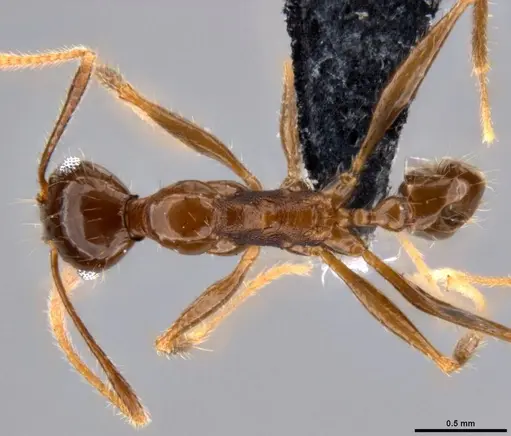
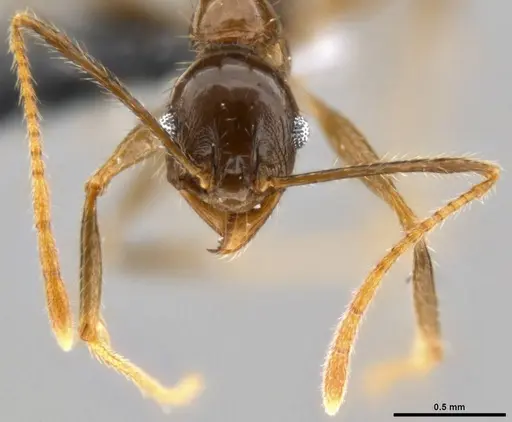
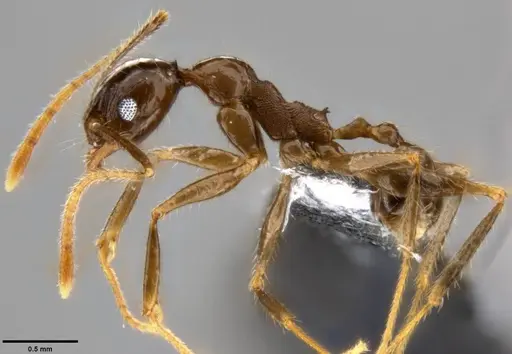
CASENT0219503
View on AntWeb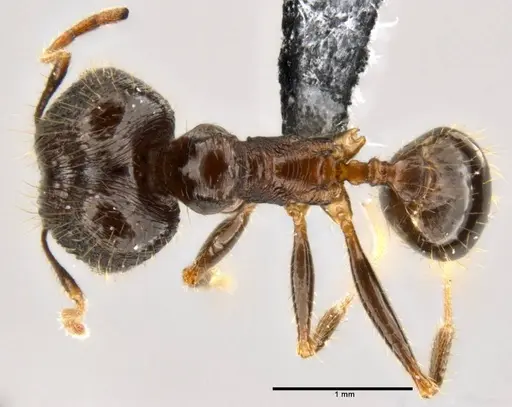
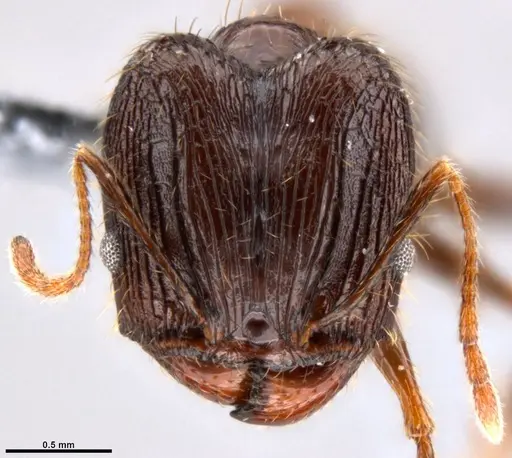
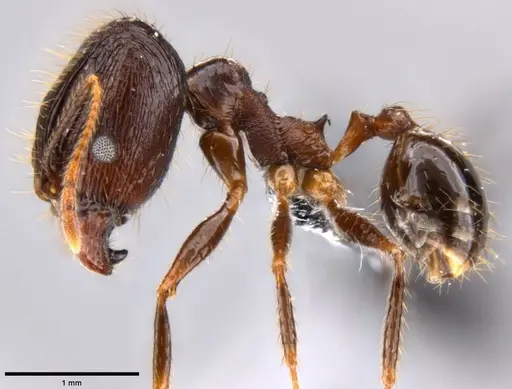
CASENT0219511
View on AntWeb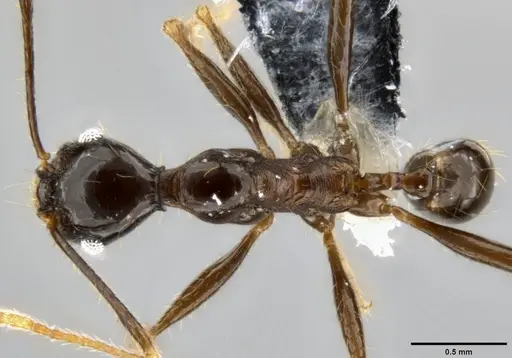
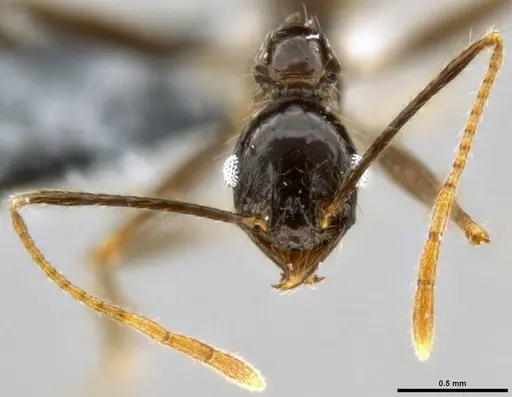
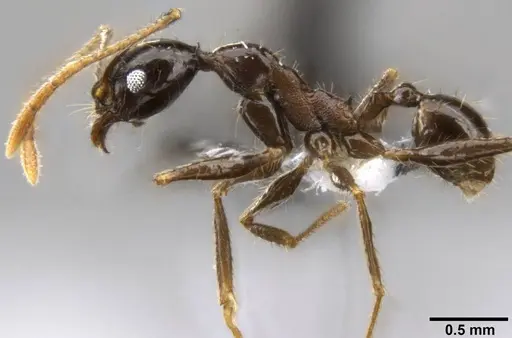
CASENT0219517
View on AntWeb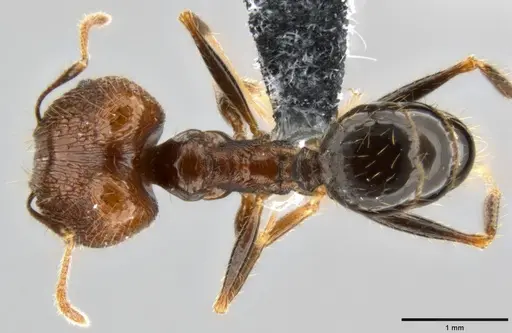
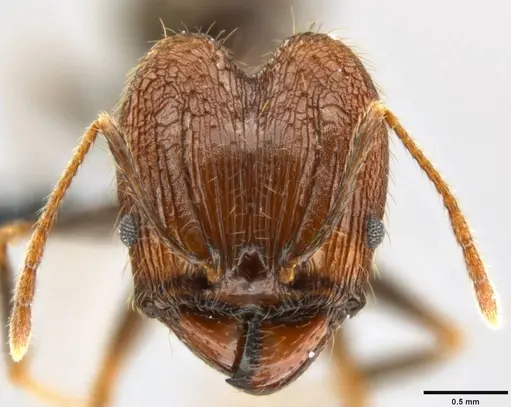
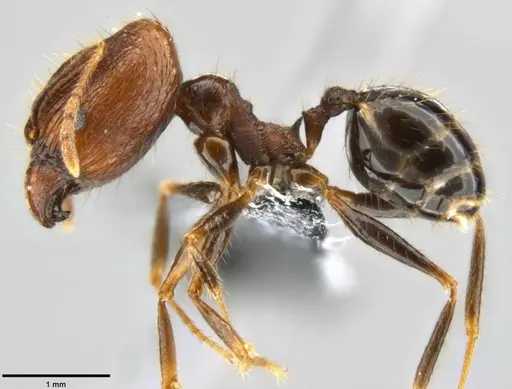
CASENT0219520
View on AntWeb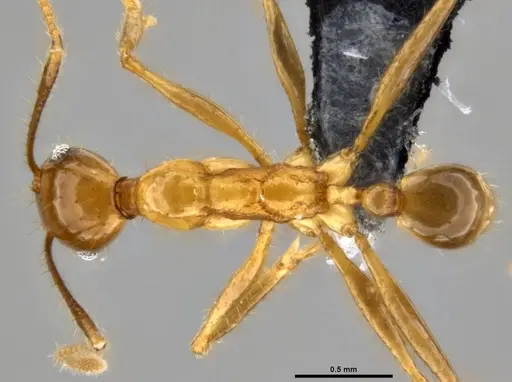
CASENT0219522
View on AntWeb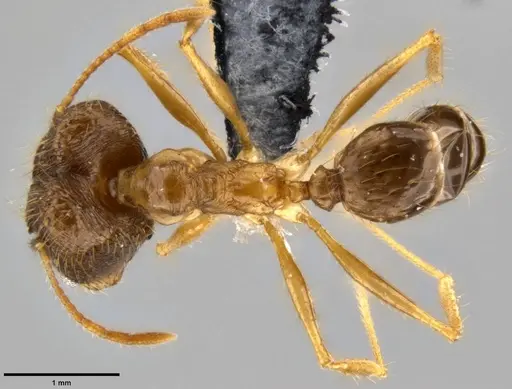
CASENT0219523
View on AntWeb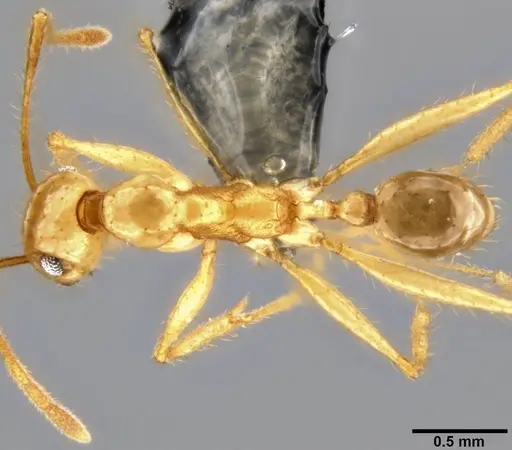
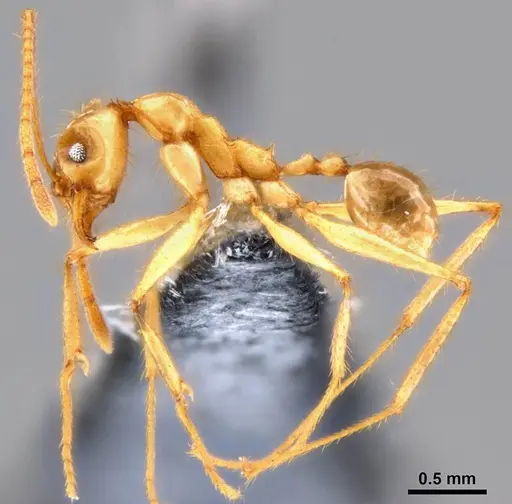
CASENT0282674
View on AntWeb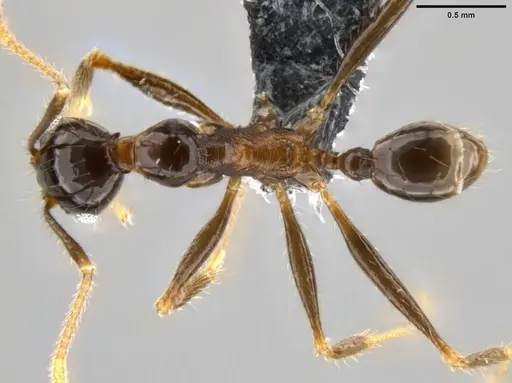
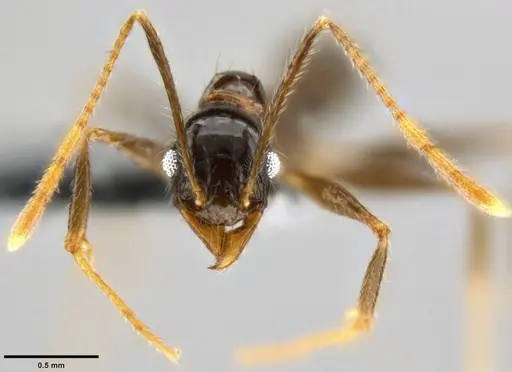
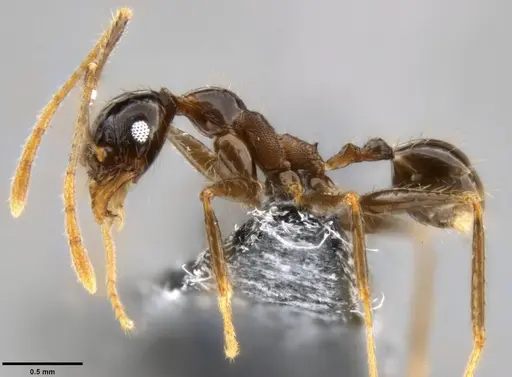
CASENT0282675
View on AntWeb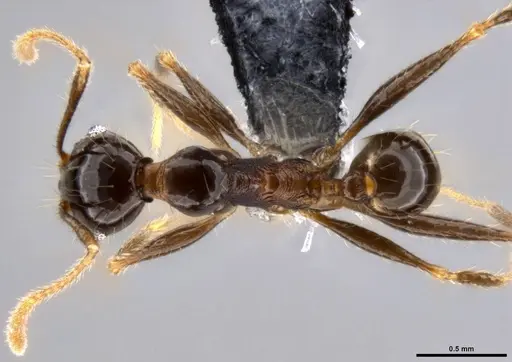
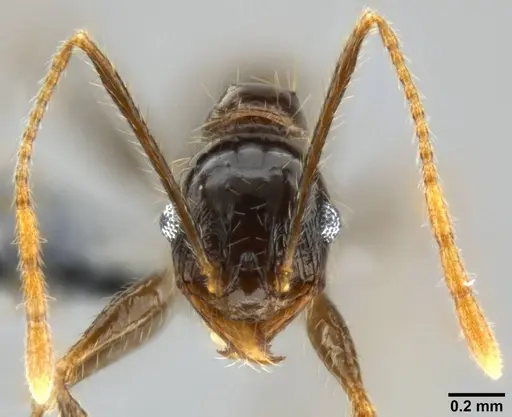
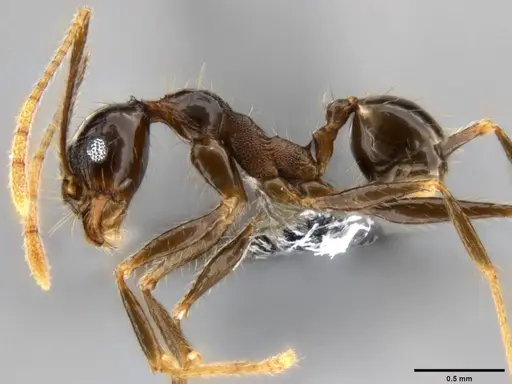
CASENT0282678
View on AntWeb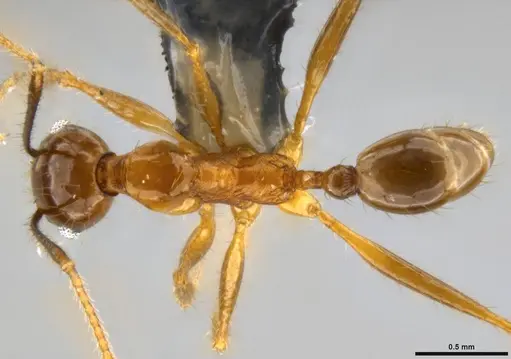
CASENT0284023
View on AntWeb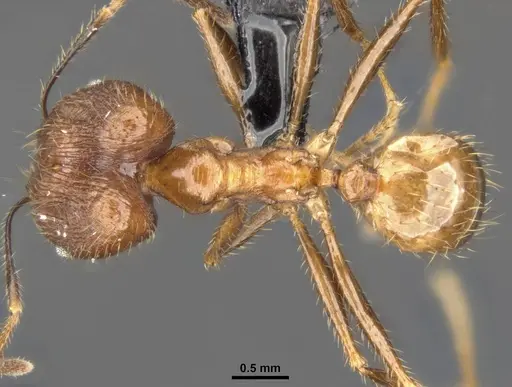
CASENT0284024
View on AntWeb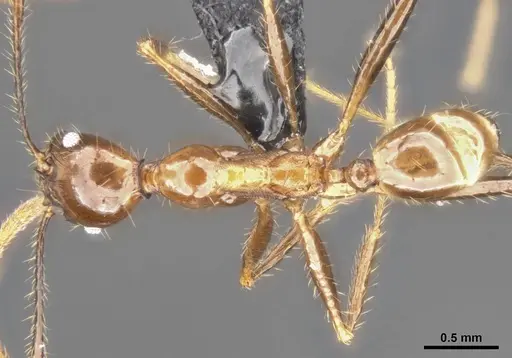
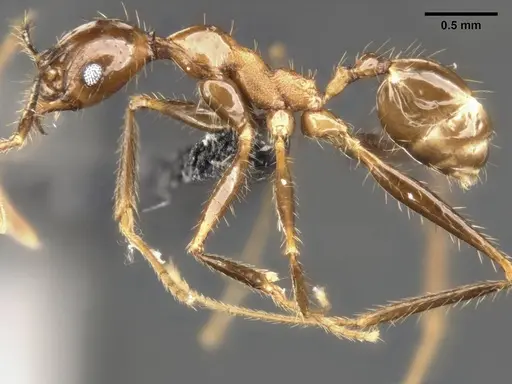
CASENT0901400
View on AntWeb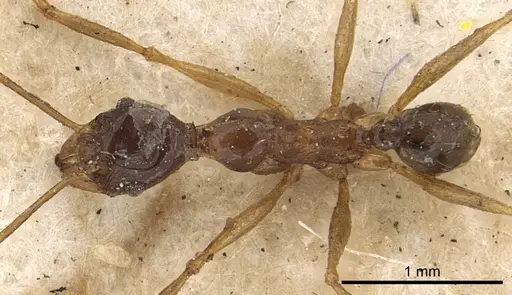
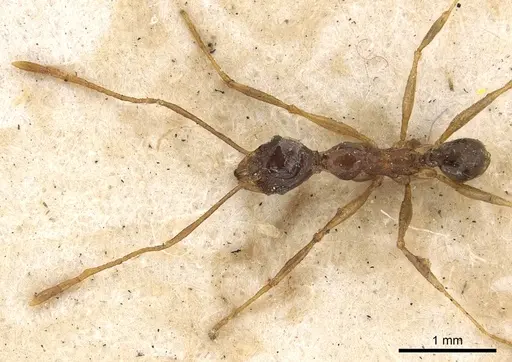
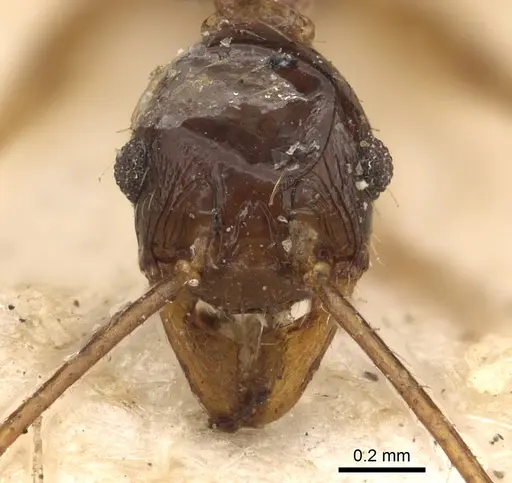
CASENT0901401
View on AntWeb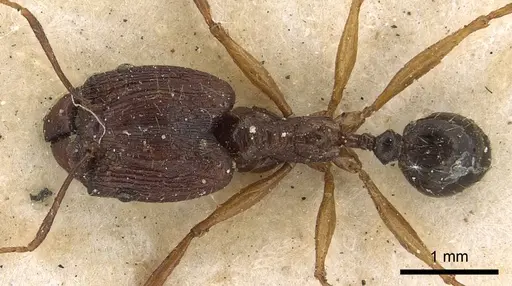
Literature
Loading...Loading products...